About Heneral Mariano Trias Historical Marker

Description

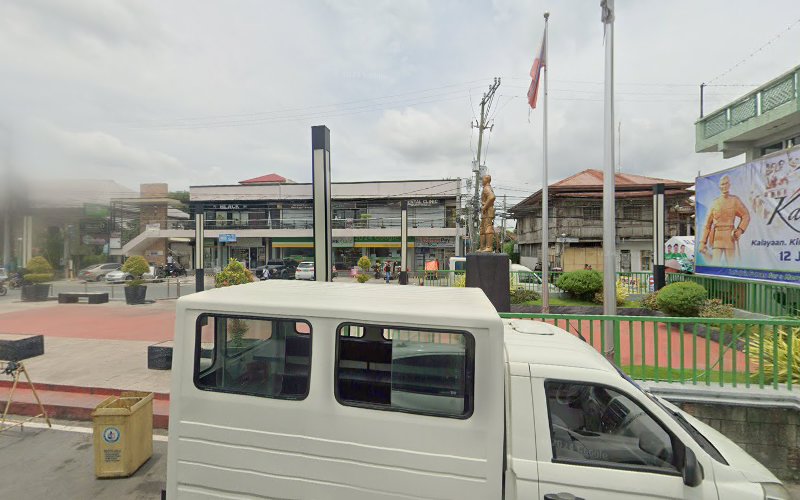
The Heneral Mariano Trias Historical Marker stands as a testament to one of the Philippine Revolution's most influential figures, commemorating a man whose military prowess and political leadership shaped the nation's fight for independence. Located in a place that holds significant historical value, this marker honors Mariano Trias, who served as the first Vice President of the Philippine Republic and played a crucial role in the revolutionary government during the late 1800s. When I first stumbled upon this historical marker during my travels through the region, I honestly didn't expect to feel such a profound connection to Philippine history. But there's something about standing before a monument that honors someone who literally risked everything for his country's freedom that makes you pause and reflect. Trias wasn't just a military leader – he was a visionary who understood that independence required both military strength and political acumen. The marker itself serves as an educational portal into a pivotal period of Philippine history. Heneral Mariano Trias came from humble beginnings in Cavite and rose through the ranks to become one of the Katipunan's most trusted military commanders. His strategic mind and unwavering dedication to the cause of independence made him an indispensable figure alongside other revolutionary heroes. What makes this particular historical site special is how it preserves the memory of a leader who often gets overshadowed by more prominently featured revolutionaries, even though his contributions were equally significant. The area surrounding the marker provides visitors with a sense of the historical landscape where these revolutionary activities took place. And while some historical markers can feel a bit sterile or disconnected from their context, this one manages to capture something authentic about the period it represents. You can almost imagine the strategic meetings, the planning sessions, and the passionate discussions about freedom that must have occurred in these very spaces over a century ago.

Key Features

The Heneral Mariano Trias Historical Marker offers several notable features that make it worth visiting: • Historical inscription detailing Trias's significant contributions to the Philippine Revolution and his role as the first Vice President of the revolutionary government • Educational information about the Katipunan movement and the broader context of the Philippine struggle for independence from Spanish colonial rule • Architectural design elements that reflect the period's aesthetic while incorporating modern preservation techniques to ensure longevity • Family-friendly accessibility that makes it an excellent educational destination for children learning about Philippine history • Strategic location that connects to other historical sites in the area, allowing for comprehensive historical tours • Well-maintained grounds that provide a respectful and contemplative atmosphere for visitors interested in Philippine heritage • Photographic opportunities that capture both the marker itself and the surrounding historical landscape • Informational plaques that go beyond basic facts to tell the story of Trias's military campaigns and political achievements • Connection to local historical narratives that help visitors understand the regional significance of revolutionary activities • Year-round accessibility that allows travelers to visit according to their schedules without seasonal restrictions

Best Time to Visit

Determining the optimal time to visit the Heneral Mariano Trias Historical Marker really depends on what kind of experience you're after. The marker is accessible throughout the year, which gives you plenty of flexibility in planning your trip. But from my experience exploring historical sites across the Philippines, timing can significantly impact your visit's quality. The dry season, which typically runs from November through April, offers the most comfortable conditions for exploring outdoor historical markers. You won't have to worry about sudden downpours interrupting your visit or making it difficult to photograph the site. December through February tends to be particularly pleasant, with cooler temperatures that make walking around and reading the historical inscriptions much more enjoyable. I remember visiting during a February afternoon when the weather was absolutely perfect – not too hot, not too humid, just right for spending time outdoors absorbing history. If you're planning to visit during weekdays, you'll likely encounter fewer crowds, which can make for a more contemplative and personal experience. There's something special about having a historical site mostly to yourself, where you can take your time reading every word on the marker without feeling rushed. Weekend visits tend to attract more local families and school groups, which actually adds a different kind of energy to the experience. Seeing kids engage with their country's history can be pretty inspiring. Morning visits between 8 AM and 10 AM offer excellent lighting for photography and generally cooler temperatures before the midday heat sets in. Late afternoon visits around 4 PM to 6 PM provide that golden hour lighting that photographers love, plus you'll catch cooler temperatures as the day winds down. National holidays related to Philippine independence, particularly Independence Day on June 12th and Bonifacio Day on November 30th, can be meaningful times to visit as some historical sites hold special commemorative activities. But be prepared for larger crowds during these periods.

How to Get There

Getting to the Heneral Mariano Trias Historical Marker requires some planning, but the journey itself becomes part of the historical exploration experience. The marker's location within the historical region means you'll be traveling through areas that played significant roles in Philippine revolutionary history. For travelers coming from Manila, the journey typically involves heading south toward the Cavite area, where much of the revolutionary activity centered during Trias's time. Public transportation options include buses that service routes through the region, though travel times can vary depending on traffic conditions. The trip usually takes anywhere from one to three hours depending on your starting point and traffic patterns. Private vehicle travel offers more flexibility and allows visitors to combine their trip to the marker with stops at other nearby historical sites. GPS navigation apps have made finding these historical markers much easier than it used to be, though I'd recommend downloading offline maps just in case you encounter areas with spotty internet connectivity. And honestly, sometimes getting slightly lost in these historical regions leads to unexpected discoveries of other unmarked historical locations. Hiring a local guide or joining a historical tour group can enhance the experience significantly. These guides often know stories and details about Trias and the revolutionary period that you won't find on any marker or in guidebooks. I've found that local historians have this way of bringing history to life that makes the entire experience more memorable. Tricycles and jeepneys serve as local transportation options once you're in the general area, and drivers are usually familiar with historical landmarks. Don't hesitate to ask locals for directions – Filipinos are incredibly helpful and often proud to assist visitors interested in their historical heritage.

Tips for Visiting

Making the most of your visit to the Heneral Mariano Trias Historical Marker involves more than just showing up and reading the inscription. Here are practical tips based on what I've learned from visiting historical sites throughout the Philippines. Bring plenty of water and perhaps some snacks, especially if you're visiting during warmer months. There might not be convenient stores immediately nearby, and staying hydrated is essential when you're spending time outdoors exploring historical sites. I learned this lesson the hard way during one particularly hot afternoon visit when I found myself parched with no water source in sight. Wear comfortable walking shoes because you'll likely want to explore the surrounding area, not just the marker itself. The historical context of a place extends beyond the physical monument, and comfortable footwear allows you to fully explore without foot fatigue cutting your visit short. Bring a good camera or ensure your phone is fully charged. Historical markers provide excellent photographic subjects, and you'll want to capture the inscriptions clearly so you can reference them later. Natural lighting works best for photographing these markers, so avoid using flash if possible. Consider bringing or downloading reference materials about the Philippine Revolution before your visit. Having background knowledge about Trias, the Katipunan, and the broader independence movement will enrich your understanding of what you're seeing. Sometimes I download historical articles or documentaries to my phone before visiting sites so I can refresh my memory on key facts. Respect the historical nature of the site by maintaining appropriate behavior. While it's certainly fine to take photos and enjoy the visit, remember that this marker commemorates someone who made tremendous sacrifices for Philippine independence. Some visitors like to take a moment of silence or reflection, which I think is a meaningful way to honor that legacy. Visit during the early morning or late afternoon if you're particularly sensitive to heat. The tropical climate can be intense during midday hours, and you'll enjoy the experience much more when you're comfortable. If you're traveling with children, prepare them beforehand with age-appropriate information about Heneral Trias and why he's important to Philippine history. The marker is definitely good for kids, and this can be an excellent educational opportunity. I've seen families turn visits to historical markers into engaging scavenger hunts where kids search for specific information on the inscriptions. Consider combining your visit with other historical sites in the area to create a comprehensive historical tour. The region contains numerous markers and monuments related to the Philippine Revolution, and visiting several in one trip provides a more complete picture of this period. Check local weather forecasts before heading out, particularly during the rainy season from June through October. While the marker remains accessible during light rain, heavy downpours can make outdoor visits less enjoyable and photography more challenging. Engage with local residents if you have the opportunity. Many people living near historical sites have family stories and oral histories passed down through generations that add layers of meaning to the official historical record. Some of the most fascinating historical details I've learned have come from casual conversations with locals near historical markers. Bring cash for any incidental expenses like transportation or snacks from local vendors. While major cities have widespread digital payment options, areas near historical markers might be more cash-dependent. Finally, take your time. There's no rush when exploring historical sites. The value of visiting the Heneral Mariano Trias Historical Marker isn't just in checking it off a list – it's in connecting with the history it represents and understanding how the sacrifices of revolutionaries like Trias shaped the Philippines as we know it today.

Key Features

  • Key Features
  • Best Time to Visit
  • How to Get There
  • Tips for Visiting

More Details

Updated January 18, 2026

Description

The Heneral Mariano Trias Historical Marker stands as a testament to one of the Philippine Revolution’s most influential figures, commemorating a man whose military prowess and political leadership shaped the nation’s fight for independence. Located in a place that holds significant historical value, this marker honors Mariano Trias, who served as the first Vice President of the Philippine Republic and played a crucial role in the revolutionary government during the late 1800s.

When I first stumbled upon this historical marker during my travels through the region, I honestly didn’t expect to feel such a profound connection to Philippine history. But there’s something about standing before a monument that honors someone who literally risked everything for his country’s freedom that makes you pause and reflect. Trias wasn’t just a military leader – he was a visionary who understood that independence required both military strength and political acumen.

The marker itself serves as an educational portal into a pivotal period of Philippine history. Heneral Mariano Trias came from humble beginnings in Cavite and rose through the ranks to become one of the Katipunan’s most trusted military commanders. His strategic mind and unwavering dedication to the cause of independence made him an indispensable figure alongside other revolutionary heroes. What makes this particular historical site special is how it preserves the memory of a leader who often gets overshadowed by more prominently featured revolutionaries, even though his contributions were equally significant.

The area surrounding the marker provides visitors with a sense of the historical landscape where these revolutionary activities took place. And while some historical markers can feel a bit sterile or disconnected from their context, this one manages to capture something authentic about the period it represents. You can almost imagine the strategic meetings, the planning sessions, and the passionate discussions about freedom that must have occurred in these very spaces over a century ago.

Key Features

The Heneral Mariano Trias Historical Marker offers several notable features that make it worth visiting:

• Historical inscription detailing Trias’s significant contributions to the Philippine Revolution and his role as the first Vice President of the revolutionary government

• Educational information about the Katipunan movement and the broader context of the Philippine struggle for independence from Spanish colonial rule

• Architectural design elements that reflect the period’s aesthetic while incorporating modern preservation techniques to ensure longevity

• Family-friendly accessibility that makes it an excellent educational destination for children learning about Philippine history

• Strategic location that connects to other historical sites in the area, allowing for comprehensive historical tours

• Well-maintained grounds that provide a respectful and contemplative atmosphere for visitors interested in Philippine heritage

• Photographic opportunities that capture both the marker itself and the surrounding historical landscape

• Informational plaques that go beyond basic facts to tell the story of Trias’s military campaigns and political achievements

• Connection to local historical narratives that help visitors understand the regional significance of revolutionary activities

• Year-round accessibility that allows travelers to visit according to their schedules without seasonal restrictions

Best Time to Visit

Determining the optimal time to visit the Heneral Mariano Trias Historical Marker really depends on what kind of experience you’re after. The marker is accessible throughout the year, which gives you plenty of flexibility in planning your trip. But from my experience exploring historical sites across the Philippines, timing can significantly impact your visit’s quality.

The dry season, which typically runs from November through April, offers the most comfortable conditions for exploring outdoor historical markers. You won’t have to worry about sudden downpours interrupting your visit or making it difficult to photograph the site. December through February tends to be particularly pleasant, with cooler temperatures that make walking around and reading the historical inscriptions much more enjoyable. I remember visiting during a February afternoon when the weather was absolutely perfect – not too hot, not too humid, just right for spending time outdoors absorbing history.

If you’re planning to visit during weekdays, you’ll likely encounter fewer crowds, which can make for a more contemplative and personal experience. There’s something special about having a historical site mostly to yourself, where you can take your time reading every word on the marker without feeling rushed. Weekend visits tend to attract more local families and school groups, which actually adds a different kind of energy to the experience. Seeing kids engage with their country’s history can be pretty inspiring.

Morning visits between 8 AM and 10 AM offer excellent lighting for photography and generally cooler temperatures before the midday heat sets in. Late afternoon visits around 4 PM to 6 PM provide that golden hour lighting that photographers love, plus you’ll catch cooler temperatures as the day winds down.

National holidays related to Philippine independence, particularly Independence Day on June 12th and Bonifacio Day on November 30th, can be meaningful times to visit as some historical sites hold special commemorative activities. But be prepared for larger crowds during these periods.

How to Get There

Getting to the Heneral Mariano Trias Historical Marker requires some planning, but the journey itself becomes part of the historical exploration experience. The marker’s location within the historical region means you’ll be traveling through areas that played significant roles in Philippine revolutionary history.

For travelers coming from Manila, the journey typically involves heading south toward the Cavite area, where much of the revolutionary activity centered during Trias’s time. Public transportation options include buses that service routes through the region, though travel times can vary depending on traffic conditions. The trip usually takes anywhere from one to three hours depending on your starting point and traffic patterns.

Private vehicle travel offers more flexibility and allows visitors to combine their trip to the marker with stops at other nearby historical sites. GPS navigation apps have made finding these historical markers much easier than it used to be, though I’d recommend downloading offline maps just in case you encounter areas with spotty internet connectivity. And honestly, sometimes getting slightly lost in these historical regions leads to unexpected discoveries of other unmarked historical locations.

Hiring a local guide or joining a historical tour group can enhance the experience significantly. These guides often know stories and details about Trias and the revolutionary period that you won’t find on any marker or in guidebooks. I’ve found that local historians have this way of bringing history to life that makes the entire experience more memorable.

Tricycles and jeepneys serve as local transportation options once you’re in the general area, and drivers are usually familiar with historical landmarks. Don’t hesitate to ask locals for directions – Filipinos are incredibly helpful and often proud to assist visitors interested in their historical heritage.

Tips for Visiting

Making the most of your visit to the Heneral Mariano Trias Historical Marker involves more than just showing up and reading the inscription. Here are practical tips based on what I’ve learned from visiting historical sites throughout the Philippines.

Bring plenty of water and perhaps some snacks, especially if you’re visiting during warmer months. There might not be convenient stores immediately nearby, and staying hydrated is essential when you’re spending time outdoors exploring historical sites. I learned this lesson the hard way during one particularly hot afternoon visit when I found myself parched with no water source in sight.

Wear comfortable walking shoes because you’ll likely want to explore the surrounding area, not just the marker itself. The historical context of a place extends beyond the physical monument, and comfortable footwear allows you to fully explore without foot fatigue cutting your visit short.

Bring a good camera or ensure your phone is fully charged. Historical markers provide excellent photographic subjects, and you’ll want to capture the inscriptions clearly so you can reference them later. Natural lighting works best for photographing these markers, so avoid using flash if possible.

Consider bringing or downloading reference materials about the Philippine Revolution before your visit. Having background knowledge about Trias, the Katipunan, and the broader independence movement will enrich your understanding of what you’re seeing. Sometimes I download historical articles or documentaries to my phone before visiting sites so I can refresh my memory on key facts.

Respect the historical nature of the site by maintaining appropriate behavior. While it’s certainly fine to take photos and enjoy the visit, remember that this marker commemorates someone who made tremendous sacrifices for Philippine independence. Some visitors like to take a moment of silence or reflection, which I think is a meaningful way to honor that legacy.

Visit during the early morning or late afternoon if you’re particularly sensitive to heat. The tropical climate can be intense during midday hours, and you’ll enjoy the experience much more when you’re comfortable.

If you’re traveling with children, prepare them beforehand with age-appropriate information about Heneral Trias and why he’s important to Philippine history. The marker is definitely good for kids, and this can be an excellent educational opportunity. I’ve seen families turn visits to historical markers into engaging scavenger hunts where kids search for specific information on the inscriptions.

Consider combining your visit with other historical sites in the area to create a comprehensive historical tour. The region contains numerous markers and monuments related to the Philippine Revolution, and visiting several in one trip provides a more complete picture of this period.

Check local weather forecasts before heading out, particularly during the rainy season from June through October. While the marker remains accessible during light rain, heavy downpours can make outdoor visits less enjoyable and photography more challenging.

Engage with local residents if you have the opportunity. Many people living near historical sites have family stories and oral histories passed down through generations that add layers of meaning to the official historical record. Some of the most fascinating historical details I’ve learned have come from casual conversations with locals near historical markers.

Bring cash for any incidental expenses like transportation or snacks from local vendors. While major cities have widespread digital payment options, areas near historical markers might be more cash-dependent.

Finally, take your time. There’s no rush when exploring historical sites. The value of visiting the Heneral Mariano Trias Historical Marker isn’t just in checking it off a list – it’s in connecting with the history it represents and understanding how the sacrifices of revolutionaries like Trias shaped the Philippines as we know it today.

Key Highlights

  • Key Features
  • Best Time to Visit
  • How to Get There
  • Tips for Visiting

Location

Places to Stay Near Heneral Mariano Trias Historical Marker

Find and Book a Tour

Explore More Travel Guides

No reviews found! Be the first to review!

Traveler Reviews for Heneral Mariano Trias Historical Marker

There are no reviews yet. Be the first one to write one.

Share Your Experience

Have you visited Heneral Mariano Trias Historical Marker? Help other travelers by sharing your review.

Find Accommodations Nearby

Recommended Tours & Activities

Visitor Reviews

There are no reviews yet. Be the first one to write one.

Share Your Experience

Have you visited Heneral Mariano Trias Historical Marker? Help other travelers by leaving a review.