
San Francisco De Malabon Parish Church
About San Francisco De Malabon Parish Church
Description
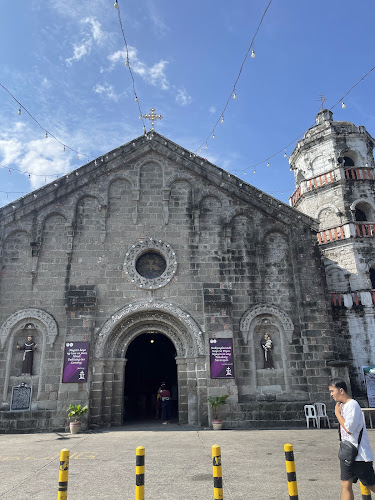
Standing in the heart of General Trias, Cavite, the San Francisco De Malabon Parish Church represents one of those historical treasures that doesn't always make it to the typical tourist radar—and honestly, that's part of its charm. When I first walked through those church doors, I wasn't expecting the profound sense of stepping back through time, but there it was, hitting me right in the chest. This isn't your typical Instagram-worthy cathedral with towering spires and ornate European architecture. Instead, what you'll find is something more authentically Filipino, a structure that has weathered centuries of colonial history, revolutions, and natural disasters while maintaining its role as the spiritual center of the community. The church dates back to the Spanish colonial period, and you can feel every year of that history seeping through the walls. Originally constructed in the 1700s, this Catholic church has been rebuilt and renovated multiple times, particularly after earthquakes did their damage over the centuries. But here's what strikes me most—the building hasn't lost its soul through all those changes. The architecture reflects a beautiful blend of Spanish colonial influences with distinctly Filipino touches that emerged as local craftsmen left their mark on reconstructions. Walking around the church grounds feels like reading a living history book. The structure itself tells stories of faith, resilience, and community that stretch back nearly three centuries. And unlike some of the more famous churches in Manila that get absolutely packed with tour groups, you'll often find yourself sharing this space with locals attending mass or simply coming by for prayer. That authenticity is rare these days, especially in places that double as tourist attractions.Key Features
The San Francisco De Malabon Parish Church offers visitors several distinctive elements that make it worth the journey: • The historic facade showcases Spanish colonial architecture with simple yet dignified lines that reflect the practical building style of provincial churches during the colonial era • Interior features include well-preserved religious artifacts and statues that date back several generations, offering glimpses into the artistic traditions of Filipino Catholic worship • The church's bell tower, though rebuilt over time, maintains its traditional design and still serves the community with its daily chimes • Wheelchair accessible facilities throughout the premises, including entrance ramps, parking areas, and restroom facilities make this a genuinely inclusive destination • The spacious church grounds provide peaceful areas for reflection and photography without the overwhelming crowds found at more famous religious sites • Original stone foundations and structural elements remain visible in certain sections, giving history enthusiasts tangible connections to the colonial period • Active parish community means visitors can experience authentic Filipino Catholic traditions during mass times and religious celebrations • Well-maintained restroom facilities on-site, which believe me, is something you'll appreciate after traveling around the area • The church plaza serves as a gathering space where local life unfolds naturally, from vendors selling snacks to families meeting before and after services • Restored interior ceiling and wall paintings demonstrate traditional religious art styles that were common in Philippine churches but have been lost in many other locationsBest Time to Visit
Timing your visit to San Francisco De Malabon Parish Church can really make or break your experience, and I learned this the hard way. The church welcomes visitors year-round, but certain times offer better experiences than others depending on what you're looking for. For the most comfortable weather conditions, plan your visit during the dry season between November and April. The Philippine heat can be absolutely brutal during summer months, and since you'll want to spend time exploring both the church interior and the surrounding grounds, cooler temperatures make everything more pleasant. Early morning visits, say around 7 or 8 AM, give you that magical golden light streaming through the windows while avoiding the midday heat that turns the stone building into something resembling an oven. But here's where it gets interesting—if you want to see the church truly alive with community spirit, time your visit around major religious celebrations. The feast of San Francisco de Asis, the church's patron saint, typically falls on October 4th and brings incredible energy to the entire area. The celebration includes processions, special masses, and local festivities that show you the church's central role in community life. Christmas season, particularly the Simbang Gabi (dawn masses leading up to Christmas), offers another window into authentic Filipino Catholic traditions. Weekday mornings tend to be quieter if you prefer a more contemplative experience. You can actually hear yourself think, take photographs without crowds, and really absorb the atmosphere. Weekend masses draw larger congregations, which means more energy but also more people. I'd suggest avoiding major holiday weekends unless you specifically want to experience the festive crowds. The rainy season from June through October brings its own considerations. While afternoon downpours are common, they usually pass quickly, and the rain-washed streets and cooler temperatures can actually make for quite pleasant visits. Just pack an umbrella and flexible timing into your plans.How to Get There
Getting to San Francisco De Malabon Parish Church requires a bit of planning since it's located in General Trias, Cavite, roughly 20 kilometers south of Metro Manila. But don't let the distance intimidate you—the journey is pretty straightforward once you know your options. If you're driving from Manila, take the Coastal Road or Roxas Boulevard heading south toward Cavite. Connect to either the Manila-Cavite Expressway (Cavitex) or the South Luzon Expressway (SLEX). From Cavitex, exit at Governor's Drive and follow the road toward General Trias. The church is located in the poblacion area, which is basically the town center, so locals can easily direct you once you're close. Total driving time runs about 45 minutes to an hour depending on traffic, and Manila traffic being what it is, always assume longer during rush hours. Public transportation works too, though it takes more time and patience. From Manila, head to any bus terminal offering trips to Cavite like those along EDSA or Coastal Road. Buses heading to Trece Martires or Tagaytay pass through or near General Trias. Tell the conductor you're getting off at General Trias poblacion. From the highway, you'll likely need a tricycle to reach the church proper—shouldn't cost more than 20-30 pesos and takes about 5-10 minutes. Ride-hailing apps like Grab work from Manila to General Trias, though the fare can get pricey depending on demand. Expect to pay anywhere from 400-700 pesos one way. Some drivers are reluctant to take trips that far from Manila since return passengers are unlikely, so booking might take several attempts. If you're already in Cavite province, jeepneys run regularly between different municipalities and General Trias. The local transportation system can be confusing for first-timers, but Filipinos are genuinely helpful—just ask and someone will point you in the right direction. Parking is available near the church grounds with wheelchair-accessible spots designated. The area gets busier during mass times, so arriving early ensures easier parking.Tips for Visiting
After visiting several times and making my share of rookie mistakes, I've gathered some practical advice that'll help you make the most of your visit to this historic church. Dress appropriately. This is an active place of worship, not just a tourist site, so modest clothing is essential. That means covering shoulders and knees—no tank tops, short shorts, or mini skirts. If you forget and show up in tourist gear, you might find vendors near the entrance selling shawls, but better to just plan ahead. And honestly, the stone interior stays surprisingly cool, so covering up isn't uncomfortable anyway. Bring cash for donations and candle offerings if you wish to participate in these traditional practices. The church survives partly on these contributions, and leaving something in the donation box shows respect for the community maintaining this heritage. Small bills work best—nobody wants to break a 1000-peso note for a 20-peso candle. Photography is generally allowed, but be respectful about it. Don't use flash during masses or religious services, and avoid positioning yourself in ways that interrupt people praying. I always ask permission from church staff if I'm unsure about photography restrictions. The exterior and grounds offer fantastic photo opportunities without any concerns. Visit during non-mass hours if you want to explore freely and take your time examining architectural details and religious artifacts. Check the mass schedule posted at the entrance and plan accordingly. During services, you're welcome to attend respectfully, but extensive wandering around isn't appropriate. The area around the church has local eateries and small shops worth exploring. Don't leave without trying some local snacks from street vendors—empanadas and bibingka from nearby stalls are absolutely worth the calories. These small businesses depend on community support, and you'll get authentic flavors you won't find in tourist restaurants. Bring water, especially if visiting during warmer months. While restrooms are available on-site (thank goodness), staying hydrated matters when you're exploring the church and surrounding area. No water fountains exist inside, so come prepared. Talk to locals if you get the chance. The older residents around the church often have fascinating stories about the church's history and their family connections spanning generations. I once spent twenty minutes chatting with a woman whose great-grandmother was married in the church in the early 1900s—you can't get that kind of insight from guidebooks. Combine your church visit with exploration of General Trias town proper. The area has markets, heritage houses, and local spots that give you a fuller picture of provincial Filipino life. The church doesn't require hours to explore on its own, but paired with the surrounding town, you've got a solid half-day trip. Check weather forecasts before heading out, particularly during rainy season. The church itself provides shelter, but getting there and walking around the grounds becomes less pleasant in heavy rain. Afternoon thunderstorms are common from June through October, so morning visits often work better. Respect ongoing religious activities always. This bears repeating because it's easy to get caught up in tourist mode and forget you're in someone's sacred space. If you stumble into a wedding, baptism, or funeral service, either wait respectfully or return another time. The community's needs come first in this space. Consider hiring a local guide if you're really interested in the historical details. While the church doesn't have official tour guides, asking at the parish office might connect you with knowledgeable parishioners who volunteer to share the church's story. A small tip for their time is appropriate and appreciated. The San Francisco De Malabon Parish Church represents more than just another historical building to check off your Philippines bucket list. It's a living testament to faith, community, and cultural continuity that has survived centuries of change. Whether you're a history buff, architecture enthusiast, religious pilgrim, or simply curious traveler, this church offers something meaningful—just maybe not in the flashy, obvious ways of more famous destinations. And sometimes, that's exactly what makes a place worth visiting.Key Features
- Key Features
- Best Time to Visit
- How to Get There
- Tips for Visiting
More Details
Updated January 18, 2026
Table of Contents
- Description
- Key Features
- Best Time to Visit
- How to Get There
- Tips for Visiting
- Key Highlights
- Location
- Places to Stay Near San Francisco De Malabon Parish Church
- Find and Book a Tour
- Explore More Travel Guides
- Nearby Places You Might Like
- Traveler Reviews for San Francisco De Malabon Parish Church
- Share Your Experience
Description
Standing in the heart of General Trias, Cavite, the San Francisco De Malabon Parish Church represents one of those historical treasures that doesn’t always make it to the typical tourist radar—and honestly, that’s part of its charm. When I first walked through those church doors, I wasn’t expecting the profound sense of stepping back through time, but there it was, hitting me right in the chest. This isn’t your typical Instagram-worthy cathedral with towering spires and ornate European architecture. Instead, what you’ll find is something more authentically Filipino, a structure that has weathered centuries of colonial history, revolutions, and natural disasters while maintaining its role as the spiritual center of the community.
The church dates back to the Spanish colonial period, and you can feel every year of that history seeping through the walls. Originally constructed in the 1700s, this Catholic church has been rebuilt and renovated multiple times, particularly after earthquakes did their damage over the centuries. But here’s what strikes me most—the building hasn’t lost its soul through all those changes. The architecture reflects a beautiful blend of Spanish colonial influences with distinctly Filipino touches that emerged as local craftsmen left their mark on reconstructions.
Walking around the church grounds feels like reading a living history book. The structure itself tells stories of faith, resilience, and community that stretch back nearly three centuries. And unlike some of the more famous churches in Manila that get absolutely packed with tour groups, you’ll often find yourself sharing this space with locals attending mass or simply coming by for prayer. That authenticity is rare these days, especially in places that double as tourist attractions.
Key Features
The San Francisco De Malabon Parish Church offers visitors several distinctive elements that make it worth the journey:
• The historic facade showcases Spanish colonial architecture with simple yet dignified lines that reflect the practical building style of provincial churches during the colonial era
• Interior features include well-preserved religious artifacts and statues that date back several generations, offering glimpses into the artistic traditions of Filipino Catholic worship
• The church’s bell tower, though rebuilt over time, maintains its traditional design and still serves the community with its daily chimes
• Wheelchair accessible facilities throughout the premises, including entrance ramps, parking areas, and restroom facilities make this a genuinely inclusive destination
• The spacious church grounds provide peaceful areas for reflection and photography without the overwhelming crowds found at more famous religious sites
• Original stone foundations and structural elements remain visible in certain sections, giving history enthusiasts tangible connections to the colonial period
• Active parish community means visitors can experience authentic Filipino Catholic traditions during mass times and religious celebrations
• Well-maintained restroom facilities on-site, which believe me, is something you’ll appreciate after traveling around the area
• The church plaza serves as a gathering space where local life unfolds naturally, from vendors selling snacks to families meeting before and after services
• Restored interior ceiling and wall paintings demonstrate traditional religious art styles that were common in Philippine churches but have been lost in many other locations
Best Time to Visit
Timing your visit to San Francisco De Malabon Parish Church can really make or break your experience, and I learned this the hard way. The church welcomes visitors year-round, but certain times offer better experiences than others depending on what you’re looking for.
For the most comfortable weather conditions, plan your visit during the dry season between November and April. The Philippine heat can be absolutely brutal during summer months, and since you’ll want to spend time exploring both the church interior and the surrounding grounds, cooler temperatures make everything more pleasant. Early morning visits, say around 7 or 8 AM, give you that magical golden light streaming through the windows while avoiding the midday heat that turns the stone building into something resembling an oven.
But here’s where it gets interesting—if you want to see the church truly alive with community spirit, time your visit around major religious celebrations. The feast of San Francisco de Asis, the church’s patron saint, typically falls on October 4th and brings incredible energy to the entire area. The celebration includes processions, special masses, and local festivities that show you the church’s central role in community life. Christmas season, particularly the Simbang Gabi (dawn masses leading up to Christmas), offers another window into authentic Filipino Catholic traditions.
Weekday mornings tend to be quieter if you prefer a more contemplative experience. You can actually hear yourself think, take photographs without crowds, and really absorb the atmosphere. Weekend masses draw larger congregations, which means more energy but also more people. I’d suggest avoiding major holiday weekends unless you specifically want to experience the festive crowds.
The rainy season from June through October brings its own considerations. While afternoon downpours are common, they usually pass quickly, and the rain-washed streets and cooler temperatures can actually make for quite pleasant visits. Just pack an umbrella and flexible timing into your plans.
How to Get There
Getting to San Francisco De Malabon Parish Church requires a bit of planning since it’s located in General Trias, Cavite, roughly 20 kilometers south of Metro Manila. But don’t let the distance intimidate you—the journey is pretty straightforward once you know your options.
If you’re driving from Manila, take the Coastal Road or Roxas Boulevard heading south toward Cavite. Connect to either the Manila-Cavite Expressway (Cavitex) or the South Luzon Expressway (SLEX). From Cavitex, exit at Governor’s Drive and follow the road toward General Trias. The church is located in the poblacion area, which is basically the town center, so locals can easily direct you once you’re close. Total driving time runs about 45 minutes to an hour depending on traffic, and Manila traffic being what it is, always assume longer during rush hours.
Public transportation works too, though it takes more time and patience. From Manila, head to any bus terminal offering trips to Cavite like those along EDSA or Coastal Road. Buses heading to Trece Martires or Tagaytay pass through or near General Trias. Tell the conductor you’re getting off at General Trias poblacion. From the highway, you’ll likely need a tricycle to reach the church proper—shouldn’t cost more than 20-30 pesos and takes about 5-10 minutes.
Ride-hailing apps like Grab work from Manila to General Trias, though the fare can get pricey depending on demand. Expect to pay anywhere from 400-700 pesos one way. Some drivers are reluctant to take trips that far from Manila since return passengers are unlikely, so booking might take several attempts.
If you’re already in Cavite province, jeepneys run regularly between different municipalities and General Trias. The local transportation system can be confusing for first-timers, but Filipinos are genuinely helpful—just ask and someone will point you in the right direction.
Parking is available near the church grounds with wheelchair-accessible spots designated. The area gets busier during mass times, so arriving early ensures easier parking.
Tips for Visiting
After visiting several times and making my share of rookie mistakes, I’ve gathered some practical advice that’ll help you make the most of your visit to this historic church.
Dress appropriately. This is an active place of worship, not just a tourist site, so modest clothing is essential. That means covering shoulders and knees—no tank tops, short shorts, or mini skirts. If you forget and show up in tourist gear, you might find vendors near the entrance selling shawls, but better to just plan ahead. And honestly, the stone interior stays surprisingly cool, so covering up isn’t uncomfortable anyway.
Bring cash for donations and candle offerings if you wish to participate in these traditional practices. The church survives partly on these contributions, and leaving something in the donation box shows respect for the community maintaining this heritage. Small bills work best—nobody wants to break a 1000-peso note for a 20-peso candle.
Photography is generally allowed, but be respectful about it. Don’t use flash during masses or religious services, and avoid positioning yourself in ways that interrupt people praying. I always ask permission from church staff if I’m unsure about photography restrictions. The exterior and grounds offer fantastic photo opportunities without any concerns.
Visit during non-mass hours if you want to explore freely and take your time examining architectural details and religious artifacts. Check the mass schedule posted at the entrance and plan accordingly. During services, you’re welcome to attend respectfully, but extensive wandering around isn’t appropriate.
The area around the church has local eateries and small shops worth exploring. Don’t leave without trying some local snacks from street vendors—empanadas and bibingka from nearby stalls are absolutely worth the calories. These small businesses depend on community support, and you’ll get authentic flavors you won’t find in tourist restaurants.
Bring water, especially if visiting during warmer months. While restrooms are available on-site (thank goodness), staying hydrated matters when you’re exploring the church and surrounding area. No water fountains exist inside, so come prepared.
Talk to locals if you get the chance. The older residents around the church often have fascinating stories about the church’s history and their family connections spanning generations. I once spent twenty minutes chatting with a woman whose great-grandmother was married in the church in the early 1900s—you can’t get that kind of insight from guidebooks.
Combine your church visit with exploration of General Trias town proper. The area has markets, heritage houses, and local spots that give you a fuller picture of provincial Filipino life. The church doesn’t require hours to explore on its own, but paired with the surrounding town, you’ve got a solid half-day trip.
Check weather forecasts before heading out, particularly during rainy season. The church itself provides shelter, but getting there and walking around the grounds becomes less pleasant in heavy rain. Afternoon thunderstorms are common from June through October, so morning visits often work better.
Respect ongoing religious activities always. This bears repeating because it’s easy to get caught up in tourist mode and forget you’re in someone’s sacred space. If you stumble into a wedding, baptism, or funeral service, either wait respectfully or return another time. The community’s needs come first in this space.
Consider hiring a local guide if you’re really interested in the historical details. While the church doesn’t have official tour guides, asking at the parish office might connect you with knowledgeable parishioners who volunteer to share the church’s story. A small tip for their time is appropriate and appreciated.
The San Francisco De Malabon Parish Church represents more than just another historical building to check off your Philippines bucket list. It’s a living testament to faith, community, and cultural continuity that has survived centuries of change. Whether you’re a history buff, architecture enthusiast, religious pilgrim, or simply curious traveler, this church offers something meaningful—just maybe not in the flashy, obvious ways of more famous destinations. And sometimes, that’s exactly what makes a place worth visiting.
Key Highlights
- Key Features
- Best Time to Visit
- How to Get There
- Tips for Visiting
Location
Places to Stay Near San Francisco De Malabon Parish Church
Find and Book a Tour
Explore More Travel Guides
No reviews found! Be the first to review!
Traveler Reviews for San Francisco De Malabon Parish Church
There are no reviews yet. Be the first one to write one.
Have you visited San Francisco De Malabon Parish Church? Help other travelers by sharing your review.
You Might Also Like
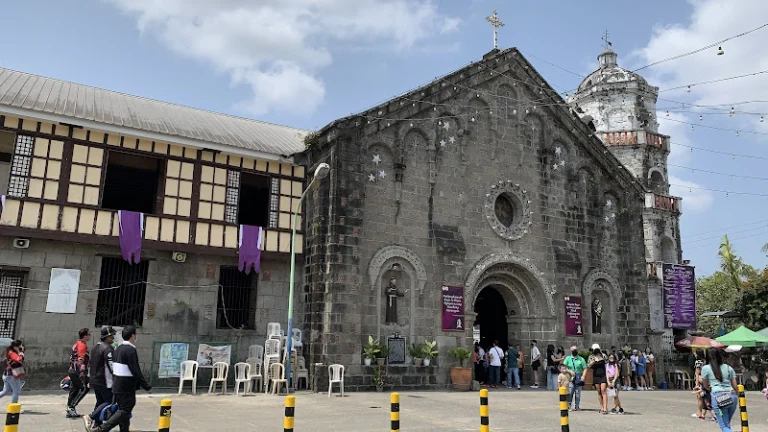
St. Francis of Assisi Parish Church
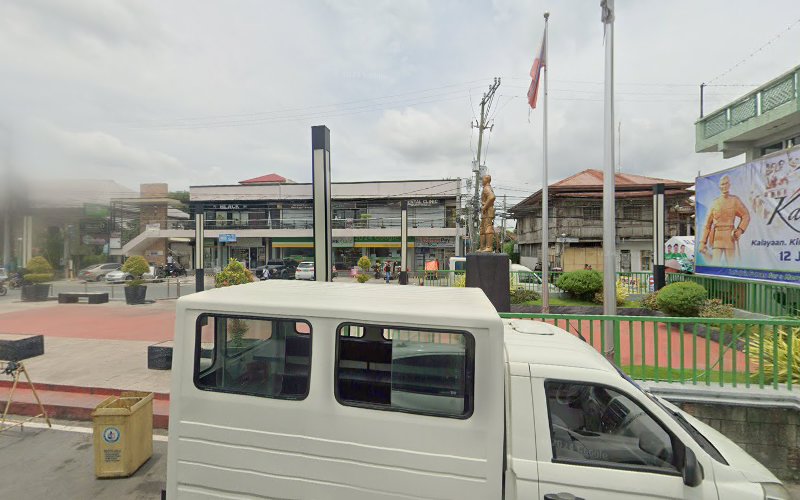
Heneral Mariano Trias Historical Marker
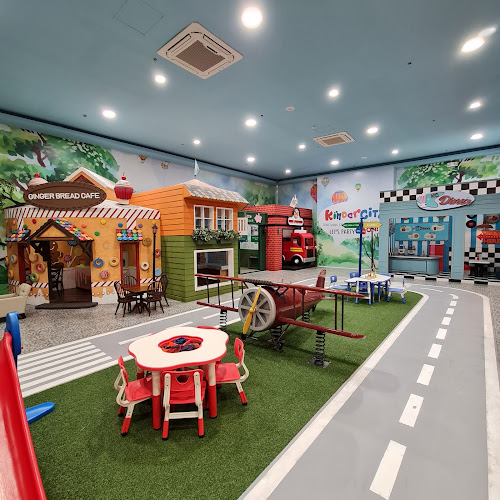
KinderCity
Find Accommodations Nearby
Recommended Tours & Activities
Visitor Reviews
There are no reviews yet. Be the first one to write one.
Share Your Experience
Have you visited San Francisco De Malabon Parish Church? Help other travelers by leaving a review.