
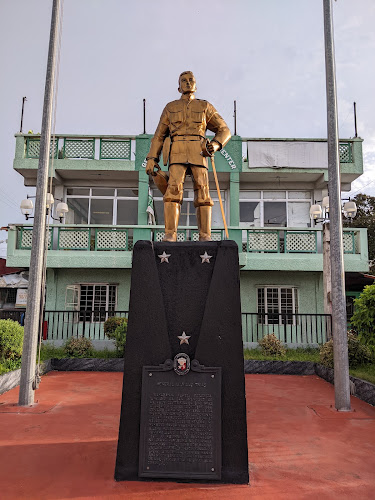
General Mariano Closas Trias Monument
About General Mariano Closas Trias Monument
Description
The General Mariano Closas Trias Monument stands as a testament to Philippine military history and the valor of one of the nation's distinguished military leaders. This historical landmark commemorates General Mariano Closas Trias, a prominent figure whose contributions shaped the course of Philippine independence and military tradition. The monument itself serves as more than just a statue or memorial—it's a physical connection to the country's tumultuous past and the brave individuals who fought for its freedom. When you approach this monument, you'll notice it's situated in an accessible area that makes it surprisingly easy to visit, even if you're just passing through. The monument features architectural elements typical of Philippine commemorative structures, blending local artistic sensibilities with formal military aesthetics. I remember the first time I stumbled upon one of these lesser-known monuments during my travels—there's something profoundly moving about standing before a piece of history that doesn't get the same crowds as major tourist attractions but holds just as much significance. The site maintains a dignified presence in its surroundings, offering visitors a chance to reflect on the sacrifices made during pivotal moments in Philippine history. General Trias himself played crucial roles in military campaigns and governance, making this monument an important educational stop for anyone interested in understanding the full scope of the nation's journey to sovereignty. What makes this particular landmark special is its authenticity—it hasn't been overly commercialized or turned into a tourist trap, which means you'll experience it in a more genuine, contemplative setting.Key Features
The General Mariano Closas Trias Monument presents several noteworthy characteristics that make it worth including in your travel itinerary:- The monument showcases traditional Philippine memorial architecture with symbolic elements representing military service and national pride
- Family-friendly environment that's particularly good for kids who are learning about Philippine history in school or need an educational outdoor activity
- Provides excellent photo opportunities without the overwhelming crowds you'd encounter at more famous landmarks
- The surrounding area offers a peaceful atmosphere conducive to reflection and appreciation of historical context
- Features inscriptions and plaques that detail General Trias's contributions to Philippine military history and independence movements
- Relatively compact site that doesn't require hours to explore, making it perfect for travelers with tight schedules
- Free to visit, which is always a bonus when you're traveling on a budget
- Located in an area that's safe for walking and exploration during daylight hours
- Offers educational value for visitors of all ages interested in military history, Philippine independence, or commemorative art
- The monument's design incorporates materials and styling that reflect the era it represents, adding to its historical authenticity
Best Time to Visit
Timing your visit to the General Mariano Closas Trias Monument can significantly impact your experience. The Philippines has distinct wet and dry seasons, and you'll definitely want to consider this when planning your trip. The dry season, running from November through April, generally provides the most comfortable conditions for visiting outdoor monuments. During these months, you're less likely to get caught in sudden downpours that can put a damper on your sightseeing plans. Early morning visits, particularly between 7 AM and 9 AM, offer several advantages. The temperature is cooler, the light is beautiful for photography, and you'll likely have the monument to yourself or share it with only a few other visitors. There's something special about experiencing historical sites in the quiet of early morning—the atmosphere just feels more contemplative somehow. If you're traveling with children (and remember, this site is good for kids), mid-morning around 9 or 10 AM works well because it's after the school rush but before the midday heat becomes oppressive. Philippine weather can be intense, especially during the summer months of March through May when temperatures soar. I've made the mistake of visiting outdoor monuments during peak afternoon heat, and trust me, it's not pleasant. Late afternoon visits around 4 PM to 5 PM also have their charm. The harsh sunlight softens, making for more comfortable exploration and better photographs. Plus, if you time it right, you might catch a beautiful sunset that adds an almost ethereal quality to the monument. Avoid visiting during major holidays or commemorative dates unless you specifically want to witness ceremonies or gatherings. These occasions can draw larger crowds, which changes the experience from peaceful contemplation to something more festive or crowded. The rainy season from June through October doesn't mean you absolutely can't visit, but be prepared for unpredictable weather. Bring an umbrella or rain jacket, and check the forecast before heading out. Sometimes the post-rain atmosphere actually creates dramatic skies that make for stunning photographs, though you'll need to watch your footing on potentially slippery surfaces.How to Get There
Getting to the General Mariano Closas Trias Monument requires some planning, but it's definitely manageable for travelers with varying levels of familiarity with the area. The monument's location makes it accessible through several transportation options, which is great news for visitors who might not have access to private vehicles. Public transportation serves the area reasonably well. Jeepneys, those iconic Philippine vehicles that are part bus, part cultural experience, run routes that can get you relatively close to the monument. You'll want to ask locals or your hotel staff about the specific jeepney routes, as these can change and aren't always clearly marked for tourists. Don't be shy about asking—Filipinos are generally friendly and helpful, especially when they see you're making an effort to explore beyond the typical tourist spots. Tricycles offer another viable option, particularly for the last leg of your journey if you're coming from a jeepney route or transit hub. These motorized three-wheeled vehicles can navigate smaller streets and drop you directly at the monument. Always agree on the fare before starting your trip to avoid misunderstandings later. And yeah, bargaining is expected, though be reasonable—we're talking about small amounts of money that mean a lot more to the driver than they do to most international travelers. For those who prefer more comfort and convenience, ride-sharing apps like Grab operate in many Philippine cities and can provide door-to-door service. This option costs more than public transportation but offers air-conditioning, GPS tracking, and fixed prices—no bargaining required. The drivers usually speak at least basic English, making communication easier. If you're renting a car or have a private driver, the monument is accessible by road, though parking availability may vary depending on the specific location and time of day. Having your own vehicle gives you flexibility to visit other nearby attractions on the same day, maximizing your time. Walking to the monument is possible if you're staying nearby, and honestly, walking around Philippine neighborhoods gives you a more authentic feel for local life than zipping past in a vehicle. Just be mindful of traffic, as pedestrian infrastructure isn't always ideal, and wear comfortable shoes.Tips for Visiting
Making the most of your visit to the General Mariano Closas Trias Monument involves some practical preparation and cultural awareness. First off, dress appropriately. While this isn't a religious site with strict dress codes, showing respect through modest clothing is appreciated. Comfortable walking shoes are essential—you might not think you'll be doing much walking, but you'll probably explore the surrounding area more than you initially planned. Bring water with you, especially if you're visiting during warmer months. Staying hydrated in tropical climates is crucial, and there might not be vendors immediately nearby. I've learned this lesson the hard way more times than I'd like to admit. A small backpack with water, sunscreen, and maybe some snacks can make your visit much more comfortable. Photography is generally permitted, but be respectful in how you take photos. This is a memorial honoring someone's legacy, not just a backdrop for selfies. That said, do capture your visit—just do it thoughtfully. The monument and its surroundings offer interesting visual elements that tell a story about Philippine history and commemorative traditions. If you're bringing children, take time beforehand to explain who General Mariano Closas Trias was and why his monument exists. Kids get so much more out of historical sites when they understand the context. Maybe read a bit about Philippine independence movements together before your visit. The monument becomes a tangible connection to stories they've learned, rather than just another statue. Hiring a local guide can enhance your experience significantly, though it's not absolutely necessary. Guides provide historical context and stories that you won't get from plaques or your own research. They can also answer questions and sometimes share local legends or lesser-known facts about the monument and the person it commemorates. Respect the space and other visitors. Keep voices at moderate levels and supervise children to ensure they're being respectful. This seems obvious, but I've seen too many people treat memorial sites as playgrounds. Check if there are any scheduled ceremonies or events on the day you plan to visit. Attending one can provide deeper cultural insight, but it might also mean larger crowds and different access to the monument. Decide what kind of experience you prefer and plan accordingly. Combine your visit with other nearby attractions to make the most of your time in the area. Historical monuments often sit near other points of interest, and efficient route planning helps you see more without exhausting yourself. Finally, take time to simply sit and reflect if the setting permits. In our rush to check things off our travel lists, we sometimes forget to actually experience the places we visit. The General Mariano Closas Trias Monument represents sacrifice, service, and history—give yourself a few quiet moments to absorb that significance. That's when travel transforms from tourism into something more meaningful.Key Features
- Statue/effigy of General Mariano Trias commemorating his role in the Philippine Revolution
- Interpretive plaques/inscriptions detailing Trias’s biography and historical context
- Park setting with paths and seating suitable for reflection and photos
- Central, easily reachable location in General Trias—often used for civic events
- Proximity to municipal landmarks and other Cavite historical sites
More Details
Updated January 17, 2026
Table of Contents
- Description
- Key Features
- Best Time to Visit
- How to Get There
- Tips for Visiting
- Key Highlights
- Location
- Places to Stay Near General Mariano Closas Trias Monument
- Find and Book a Tour
- Explore More Travel Guides
- Nearby Places You Might Like
- Traveler Reviews for General Mariano Closas Trias Monument
- Share Your Experience
Description
The General Mariano Closas Trias Monument stands as a testament to Philippine military history and the valor of one of the nation’s distinguished military leaders. This historical landmark commemorates General Mariano Closas Trias, a prominent figure whose contributions shaped the course of Philippine independence and military tradition. The monument itself serves as more than just a statue or memorial—it’s a physical connection to the country’s tumultuous past and the brave individuals who fought for its freedom.
When you approach this monument, you’ll notice it’s situated in an accessible area that makes it surprisingly easy to visit, even if you’re just passing through. The monument features architectural elements typical of Philippine commemorative structures, blending local artistic sensibilities with formal military aesthetics. I remember the first time I stumbled upon one of these lesser-known monuments during my travels—there’s something profoundly moving about standing before a piece of history that doesn’t get the same crowds as major tourist attractions but holds just as much significance.
The site maintains a dignified presence in its surroundings, offering visitors a chance to reflect on the sacrifices made during pivotal moments in Philippine history. General Trias himself played crucial roles in military campaigns and governance, making this monument an important educational stop for anyone interested in understanding the full scope of the nation’s journey to sovereignty. What makes this particular landmark special is its authenticity—it hasn’t been overly commercialized or turned into a tourist trap, which means you’ll experience it in a more genuine, contemplative setting.
Key Features
The General Mariano Closas Trias Monument presents several noteworthy characteristics that make it worth including in your travel itinerary:
- The monument showcases traditional Philippine memorial architecture with symbolic elements representing military service and national pride
- Family-friendly environment that’s particularly good for kids who are learning about Philippine history in school or need an educational outdoor activity
- Provides excellent photo opportunities without the overwhelming crowds you’d encounter at more famous landmarks
- The surrounding area offers a peaceful atmosphere conducive to reflection and appreciation of historical context
- Features inscriptions and plaques that detail General Trias’s contributions to Philippine military history and independence movements
- Relatively compact site that doesn’t require hours to explore, making it perfect for travelers with tight schedules
- Free to visit, which is always a bonus when you’re traveling on a budget
- Located in an area that’s safe for walking and exploration during daylight hours
- Offers educational value for visitors of all ages interested in military history, Philippine independence, or commemorative art
- The monument’s design incorporates materials and styling that reflect the era it represents, adding to its historical authenticity
Best Time to Visit
Timing your visit to the General Mariano Closas Trias Monument can significantly impact your experience. The Philippines has distinct wet and dry seasons, and you’ll definitely want to consider this when planning your trip. The dry season, running from November through April, generally provides the most comfortable conditions for visiting outdoor monuments. During these months, you’re less likely to get caught in sudden downpours that can put a damper on your sightseeing plans.
Early morning visits, particularly between 7 AM and 9 AM, offer several advantages. The temperature is cooler, the light is beautiful for photography, and you’ll likely have the monument to yourself or share it with only a few other visitors. There’s something special about experiencing historical sites in the quiet of early morning—the atmosphere just feels more contemplative somehow.
If you’re traveling with children (and remember, this site is good for kids), mid-morning around 9 or 10 AM works well because it’s after the school rush but before the midday heat becomes oppressive. Philippine weather can be intense, especially during the summer months of March through May when temperatures soar. I’ve made the mistake of visiting outdoor monuments during peak afternoon heat, and trust me, it’s not pleasant.
Late afternoon visits around 4 PM to 5 PM also have their charm. The harsh sunlight softens, making for more comfortable exploration and better photographs. Plus, if you time it right, you might catch a beautiful sunset that adds an almost ethereal quality to the monument.
Avoid visiting during major holidays or commemorative dates unless you specifically want to witness ceremonies or gatherings. These occasions can draw larger crowds, which changes the experience from peaceful contemplation to something more festive or crowded.
The rainy season from June through October doesn’t mean you absolutely can’t visit, but be prepared for unpredictable weather. Bring an umbrella or rain jacket, and check the forecast before heading out. Sometimes the post-rain atmosphere actually creates dramatic skies that make for stunning photographs, though you’ll need to watch your footing on potentially slippery surfaces.
How to Get There
Getting to the General Mariano Closas Trias Monument requires some planning, but it’s definitely manageable for travelers with varying levels of familiarity with the area. The monument’s location makes it accessible through several transportation options, which is great news for visitors who might not have access to private vehicles.
Public transportation serves the area reasonably well. Jeepneys, those iconic Philippine vehicles that are part bus, part cultural experience, run routes that can get you relatively close to the monument. You’ll want to ask locals or your hotel staff about the specific jeepney routes, as these can change and aren’t always clearly marked for tourists. Don’t be shy about asking—Filipinos are generally friendly and helpful, especially when they see you’re making an effort to explore beyond the typical tourist spots.
Tricycles offer another viable option, particularly for the last leg of your journey if you’re coming from a jeepney route or transit hub. These motorized three-wheeled vehicles can navigate smaller streets and drop you directly at the monument. Always agree on the fare before starting your trip to avoid misunderstandings later. And yeah, bargaining is expected, though be reasonable—we’re talking about small amounts of money that mean a lot more to the driver than they do to most international travelers.
For those who prefer more comfort and convenience, ride-sharing apps like Grab operate in many Philippine cities and can provide door-to-door service. This option costs more than public transportation but offers air-conditioning, GPS tracking, and fixed prices—no bargaining required. The drivers usually speak at least basic English, making communication easier.
If you’re renting a car or have a private driver, the monument is accessible by road, though parking availability may vary depending on the specific location and time of day. Having your own vehicle gives you flexibility to visit other nearby attractions on the same day, maximizing your time.
Walking to the monument is possible if you’re staying nearby, and honestly, walking around Philippine neighborhoods gives you a more authentic feel for local life than zipping past in a vehicle. Just be mindful of traffic, as pedestrian infrastructure isn’t always ideal, and wear comfortable shoes.
Tips for Visiting
Making the most of your visit to the General Mariano Closas Trias Monument involves some practical preparation and cultural awareness. First off, dress appropriately. While this isn’t a religious site with strict dress codes, showing respect through modest clothing is appreciated. Comfortable walking shoes are essential—you might not think you’ll be doing much walking, but you’ll probably explore the surrounding area more than you initially planned.
Bring water with you, especially if you’re visiting during warmer months. Staying hydrated in tropical climates is crucial, and there might not be vendors immediately nearby. I’ve learned this lesson the hard way more times than I’d like to admit. A small backpack with water, sunscreen, and maybe some snacks can make your visit much more comfortable.
Photography is generally permitted, but be respectful in how you take photos. This is a memorial honoring someone’s legacy, not just a backdrop for selfies. That said, do capture your visit—just do it thoughtfully. The monument and its surroundings offer interesting visual elements that tell a story about Philippine history and commemorative traditions.
If you’re bringing children, take time beforehand to explain who General Mariano Closas Trias was and why his monument exists. Kids get so much more out of historical sites when they understand the context. Maybe read a bit about Philippine independence movements together before your visit. The monument becomes a tangible connection to stories they’ve learned, rather than just another statue.
Hiring a local guide can enhance your experience significantly, though it’s not absolutely necessary. Guides provide historical context and stories that you won’t get from plaques or your own research. They can also answer questions and sometimes share local legends or lesser-known facts about the monument and the person it commemorates.
Respect the space and other visitors. Keep voices at moderate levels and supervise children to ensure they’re being respectful. This seems obvious, but I’ve seen too many people treat memorial sites as playgrounds.
Check if there are any scheduled ceremonies or events on the day you plan to visit. Attending one can provide deeper cultural insight, but it might also mean larger crowds and different access to the monument. Decide what kind of experience you prefer and plan accordingly.
Combine your visit with other nearby attractions to make the most of your time in the area. Historical monuments often sit near other points of interest, and efficient route planning helps you see more without exhausting yourself.
Finally, take time to simply sit and reflect if the setting permits. In our rush to check things off our travel lists, we sometimes forget to actually experience the places we visit. The General Mariano Closas Trias Monument represents sacrifice, service, and history—give yourself a few quiet moments to absorb that significance. That’s when travel transforms from tourism into something more meaningful.
Key Highlights
- Statue/effigy of General Mariano Trias commemorating his role in the Philippine Revolution
- Interpretive plaques/inscriptions detailing Trias’s biography and historical context
- Park setting with paths and seating suitable for reflection and photos
- Central, easily reachable location in General Trias—often used for civic events
- Proximity to municipal landmarks and other Cavite historical sites
Location
Places to Stay Near General Mariano Closas Trias Monument
Find and Book a Tour
Explore More Travel Guides
No reviews found! Be the first to review!
Traveler Reviews for General Mariano Closas Trias Monument
There are no reviews yet. Be the first one to write one.
Have you visited General Mariano Closas Trias Monument? Help other travelers by sharing your review.
Nearby Attractions
You Might Also Like
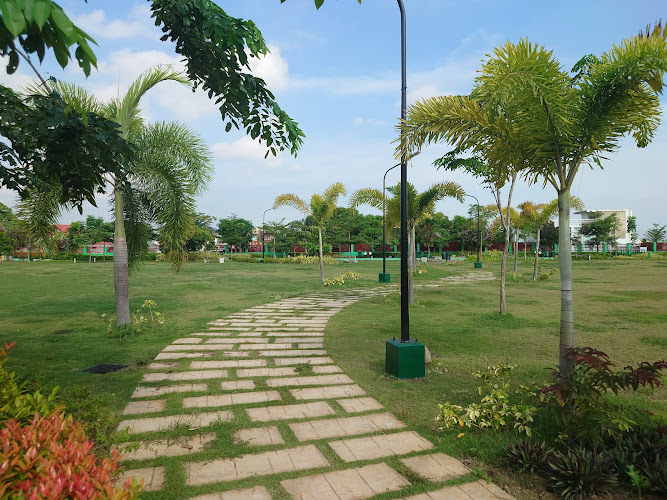
General Trias City Park
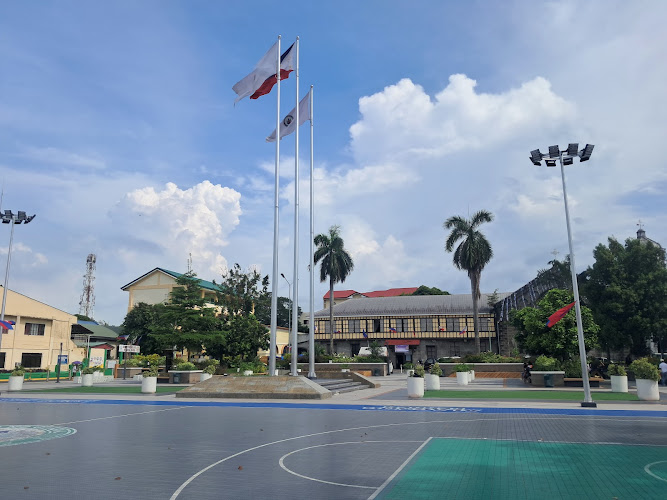
General Trias Town Plaza
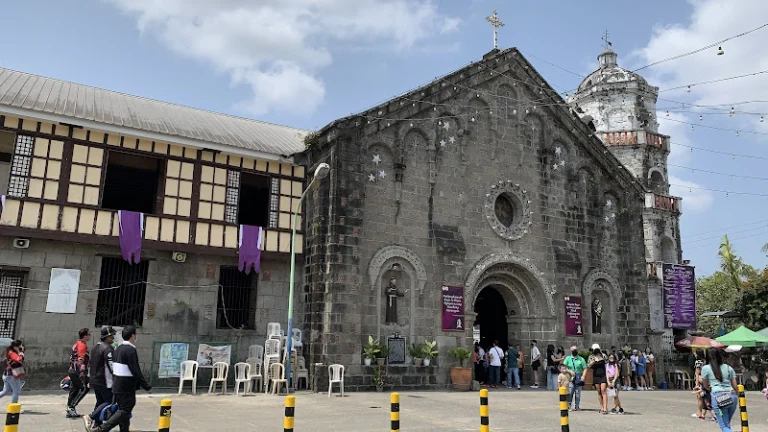
St. Francis of Assisi Parish Church
Find Accommodations Nearby
Recommended Tours & Activities
Visitor Reviews
There are no reviews yet. Be the first one to write one.
Share Your Experience
Have you visited General Mariano Closas Trias Monument? Help other travelers by leaving a review.