

General Trias
About General Trias
Description
General Trias, a thriving city in Cavite, Philippines, has grown from a quiet agricultural town into one of the most progressive urban centers in the province. With a population surpassing 480,000 as of 2024, it’s a place where the past and present shake hands—old churches and ancestral homes stand beside modern subdivisions, industrial parks, and shopping centers. What’s fascinating is how the city manages to keep its small-town charm even as it continues to urbanize at full speed. You’ll still find friendly locals chatting over coffee at the corner sari-sari store, and jeepneys weaving through narrow streets that tell stories of generations past.
From my own experience wandering through Cavite, General Trias has this understated appeal that doesn’t scream for attention but quietly draws you in. It’s not as touristy as Tagaytay or as historical as Intramuros, but that’s exactly what makes it worth visiting. It’s real, lived-in, and full of character. Whether you’re a history buff, a foodie, or just someone craving a glimpse of authentic Filipino city life, General Trias delivers in its own grounded way.
The city’s roots trace back to the Spanish colonial era, originally known as San Francisco de Malabon. It was renamed after General Mariano Trías, a revolutionary hero who played a major role during the Philippine Revolution. Today, remnants of that history can still be seen in its old churches and monuments, quietly reminding visitors of the city’s proud past. Yet, it’s also a symbol of progress—home to industrial zones, educational institutions, and residential developments that continue to attract families and professionals from all over Luzon.
Key Features
- Rich Historical Heritage: The city carries deep historical significance, with landmarks like the General Trias Town Plaza and the Parish of Saint Francis of Assisi Church, both dating back centuries.
- Modern Urban Development: General Trias is now a hub for business and industry, thanks to its proximity to Metro Manila and well-developed infrastructure.
- Local Cuisine: Known for its traditional Caviteño dishes, you can find everything from pancit pusit (black noodles) to fresh seafood and kakanin sold by local vendors.
- Community Spirit: Despite modernization, the people of General Trias maintain a strong sense of community, often seen during town fiestas and local celebrations.
- Strategic Location: Situated near major highways, it provides easy access to Tagaytay, Manila, and other parts of Cavite.
- Green Spaces and Parks: The city has managed to preserve open areas like small parks and community gardens, offering locals and tourists a breather from urban life.
- Festivals and Traditions: The city celebrates the Wagayway Festival every May, a colorful event honoring the Philippine flag and the city’s revolutionary roots.
Best Time to Visit
If you’re planning to explore General Trias, timing is everything. The best months to visit are from December to February when the weather is cooler and less humid. I’ve personally made the mistake of visiting in May once—trust me, the heat can be relentless, especially when you’re walking around the town center. But if you do visit around that time, you’ll catch the Wagayway Festival, which is worth the sweat. The streets come alive with parades, cultural performances, and food stalls serving local delicacies. It’s one of those experiences that make you feel like part of the community, even if you’re just passing through.
Rainy season runs from June to October, and while it can put a damper on outdoor plans, it also brings out a different side of the city. The rice fields and surrounding greenery look more vibrant, and the air feels fresher. Plus, accommodation prices tend to drop a bit, which is always a bonus for budget travelers. So, if you don’t mind a few showers, that season can be surprisingly pleasant too.
How to Get There
Getting to General Trias is quite straightforward, especially if you’re coming from Metro Manila. The city is about 35 kilometers south of the capital, and depending on traffic (which, let’s be honest, can be unpredictable), the drive takes anywhere between one to two hours. The most common route is via CAVITEX or CALAX, both of which connect directly to Cavite’s main roads. If you’re not driving, there are plenty of public transport options—buses, UV Express vans, and jeepneys heading to General Trias from Pasay, Baclaran, or Alabang.
For those flying in from other parts of the Philippines, the nearest airport is Ninoy Aquino International Airport (NAIA) in Manila. From there, you can take a taxi or a private car service straight to General Trias. Some travelers even opt for ride-hailing apps, which are pretty reliable in this part of Luzon. Once you’re in the city, getting around is easy—tricycles and jeepneys are everywhere, and they’re both affordable and convenient. Personally, I like hopping on tricycles because you get to chat with the drivers—they always have the best local stories.
Tips for Visiting
Here’s where it gets practical. If you’re planning your first trip to General Trias, a few insider tips can make your visit smoother and more enjoyable. First, bring cash. While major establishments accept cards, many local eateries and small shops still prefer cash transactions. ATMs are available, but it’s always safer to have some bills on hand, especially if you’re exploring off the main roads.
Second, dress comfortably. The weather here leans toward hot and humid most of the year, so light clothing, a hat, and sunscreen are your best friends. I learned that the hard way after spending an afternoon exploring the town plaza under the midday sun—let’s just say I didn’t look my best in photos that day!
Third, take time to interact with the locals. Caviteños are known for their warmth and hospitality, and you’ll often find yourself in spontaneous conversations that lead to unexpected discoveries. I once got invited to a small neighborhood fiesta just because I asked for directions—it turned out to be one of the highlights of my trip.
Fourth, explore beyond the main attractions. While the central area has its charm, some of the most interesting spots are tucked away in the barangays. You might stumble upon family-run eateries serving heirloom recipes or quiet chapels that have stood for centuries. Don’t be afraid to wander a little.
Lastly, plan your transportation ahead if you’re visiting on weekends or holidays. Traffic can get heavy, especially near shopping areas and industrial parks. It’s best to start your day early and wrap up before rush hour hits. And if you’re driving, keep an eye out for local traffic signs—they can be a bit tricky if you’re not familiar with the area.
General Trias may not be the first place that pops into your mind when you think of travel destinations in the Philippines, but that’s exactly why it’s worth discovering. It’s a city that doesn’t try too hard to impress—it simply is what it is: a place with a rich past, a promising future, and a heart that beats with the rhythm of everyday Filipino life. Whether you’re there for a quick weekend escape or a deeper dive into Cavite’s culture, General Trias will leave you with stories worth telling and memories that linger long after you’ve left.
Key Features
- Key Features
- Best Time to Visit
- How to Get There
- Tips for Visiting
More Details
Updated November 7, 2025
Table of Contents General Trias, a thriving city in Cavite, Philippines, has grown from a quiet agricultural town into one of the most progressive urban centers in the province. With a population surpassing 480,000 as of 2024, it’s a place where the past and present shake hands—old churches and ancestral homes stand beside modern subdivisions, industrial parks, and shopping centers. What’s fascinating is how the city manages to keep its small-town charm even as it continues to urbanize at full speed. You’ll still find friendly locals chatting over coffee at the corner sari-sari store, and jeepneys weaving through narrow streets that tell stories of generations past. From my own experience wandering through Cavite, General Trias has this understated appeal that doesn’t scream for attention but quietly draws you in. It’s not as touristy as Tagaytay or as historical as Intramuros, but that’s exactly what makes it worth visiting. It’s real, lived-in, and full of character. Whether you’re a history buff, a foodie, or just someone craving a glimpse of authentic Filipino city life, General Trias delivers in its own grounded way. The city’s roots trace back to the Spanish colonial era, originally known as San Francisco de Malabon. It was renamed after General Mariano Trías, a revolutionary hero who played a major role during the Philippine Revolution. Today, remnants of that history can still be seen in its old churches and monuments, quietly reminding visitors of the city’s proud past. Yet, it’s also a symbol of progress—home to industrial zones, educational institutions, and residential developments that continue to attract families and professionals from all over Luzon. If you’re planning to explore General Trias, timing is everything. The best months to visit are from December to February when the weather is cooler and less humid. I’ve personally made the mistake of visiting in May once—trust me, the heat can be relentless, especially when you’re walking around the town center. But if you do visit around that time, you’ll catch the Wagayway Festival, which is worth the sweat. The streets come alive with parades, cultural performances, and food stalls serving local delicacies. It’s one of those experiences that make you feel like part of the community, even if you’re just passing through. Rainy season runs from June to October, and while it can put a damper on outdoor plans, it also brings out a different side of the city. The rice fields and surrounding greenery look more vibrant, and the air feels fresher. Plus, accommodation prices tend to drop a bit, which is always a bonus for budget travelers. So, if you don’t mind a few showers, that season can be surprisingly pleasant too. Getting to General Trias is quite straightforward, especially if you’re coming from Metro Manila. The city is about 35 kilometers south of the capital, and depending on traffic (which, let’s be honest, can be unpredictable), the drive takes anywhere between one to two hours. The most common route is via CAVITEX or CALAX, both of which connect directly to Cavite’s main roads. If you’re not driving, there are plenty of public transport options—buses, UV Express vans, and jeepneys heading to General Trias from Pasay, Baclaran, or Alabang. For those flying in from other parts of the Philippines, the nearest airport is Ninoy Aquino International Airport (NAIA) in Manila. From there, you can take a taxi or a private car service straight to General Trias. Some travelers even opt for ride-hailing apps, which are pretty reliable in this part of Luzon. Once you’re in the city, getting around is easy—tricycles and jeepneys are everywhere, and they’re both affordable and convenient. Personally, I like hopping on tricycles because you get to chat with the drivers—they always have the best local stories. Here’s where it gets practical. If you’re planning your first trip to General Trias, a few insider tips can make your visit smoother and more enjoyable. First, bring cash. While major establishments accept cards, many local eateries and small shops still prefer cash transactions. ATMs are available, but it’s always safer to have some bills on hand, especially if you’re exploring off the main roads. Second, dress comfortably. The weather here leans toward hot and humid most of the year, so light clothing, a hat, and sunscreen are your best friends. I learned that the hard way after spending an afternoon exploring the town plaza under the midday sun—let’s just say I didn’t look my best in photos that day! Third, take time to interact with the locals. Caviteños are known for their warmth and hospitality, and you’ll often find yourself in spontaneous conversations that lead to unexpected discoveries. I once got invited to a small neighborhood fiesta just because I asked for directions—it turned out to be one of the highlights of my trip. Fourth, explore beyond the main attractions. While the central area has its charm, some of the most interesting spots are tucked away in the barangays. You might stumble upon family-run eateries serving heirloom recipes or quiet chapels that have stood for centuries. Don’t be afraid to wander a little. Lastly, plan your transportation ahead if you’re visiting on weekends or holidays. Traffic can get heavy, especially near shopping areas and industrial parks. It’s best to start your day early and wrap up before rush hour hits. And if you’re driving, keep an eye out for local traffic signs—they can be a bit tricky if you’re not familiar with the area. General Trias may not be the first place that pops into your mind when you think of travel destinations in the Philippines, but that’s exactly why it’s worth discovering. It’s a city that doesn’t try too hard to impress—it simply is what it is: a place with a rich past, a promising future, and a heart that beats with the rhythm of everyday Filipino life. Whether you’re there for a quick weekend escape or a deeper dive into Cavite’s culture, General Trias will leave you with stories worth telling and memories that linger long after you’ve left.Description
Key Features
Best Time to Visit
How to Get There
Tips for Visiting
Key Highlights
- Key Features
- Best Time to Visit
- How to Get There
- Tips for Visiting
Location
Places to Stay Near General Trias
Find and Book a Tour
Explore More Travel Guides
No reviews found! Be the first to review!
Traveler Reviews for General Trias
There are no reviews yet. Be the first one to write one.
Have you visited General Trias? Help other travelers by sharing your review.
You Might Also Like
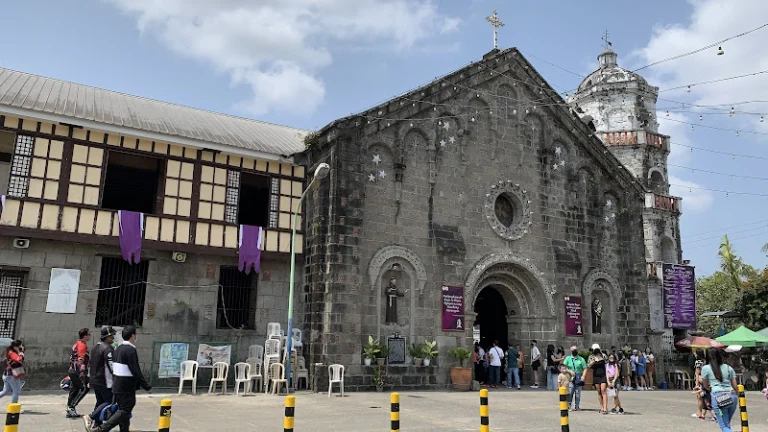
St. Francis of Assisi Parish Church
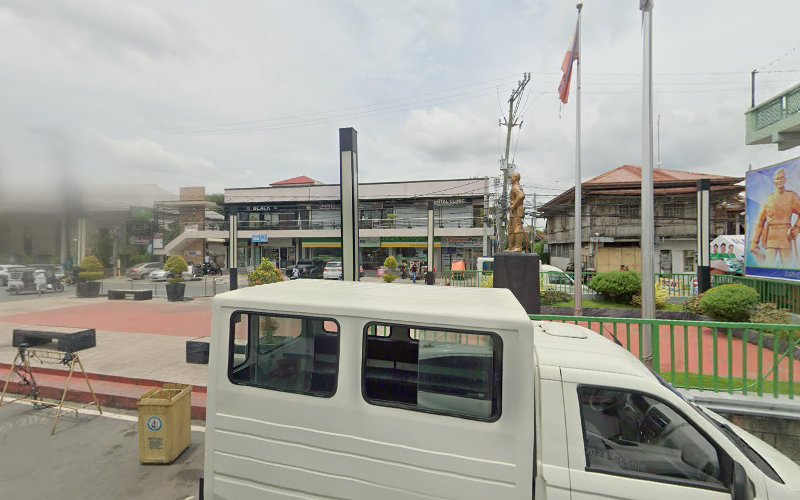
Bantayog at Panandang Pangkasaysayan ni Heneral Mariano Trias
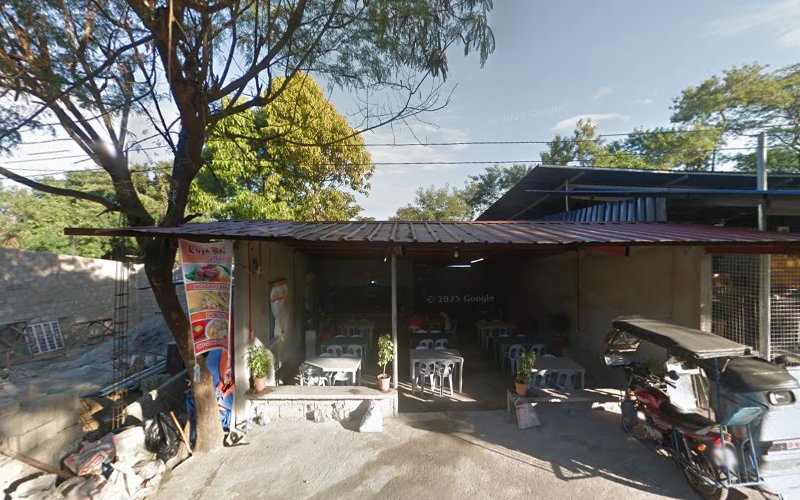
Smart Antenna
Find Accommodations Nearby
Recommended Tours & Activities
Visitor Reviews
There are no reviews yet. Be the first one to write one.
Share Your Experience
Have you visited General Trias? Help other travelers by leaving a review.