
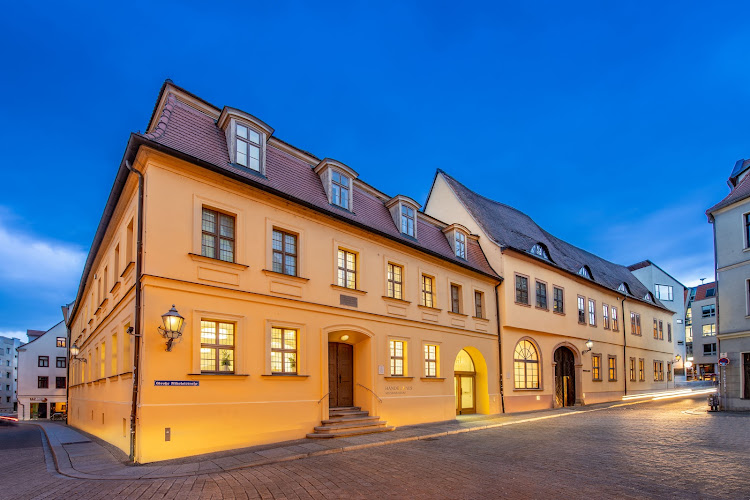
Händel-Haus
About Händel-Haus
Description
The Händel-Haus in Halle (Saale) Germany provides a fascinating glimpse into the life and legacy of George Frideric Handel, one of the most celebrated composers of the Baroque era. The building itself, a charmingly preserved 17th-century townhouse, carries a deep sense of history—you can almost imagine young Handel pacing its rooms with music running through his mind. Inside, the museum not only tells his personal story but also places his revolutionary works in the broader context of European classical music. To say it’s a treat for lovers of history and music is an understatement. It’s an experience that helps to put Handel’s genius into perspective, whether you know him for his operas, oratorios, or the instrumental compositions that have stood the test of time.
Visitors often find themselves surprised by just how thorough and engaging the exhibitions are. Beyond scores and manuscripts, you’ll find a remarkable collection of historical instruments—harpsichords, clavichords, and violins—that don’t just sit behind glass but feel like vivid reminders of the tools that shaped whole eras of sound. There’s a certain quiet charm to the museum; it doesn’t try to overwhelm you with multimedia gimmicks but instead focuses on authenticity. And while some might think a “composer’s house” could be a bit dry, the storytelling here is done in such a way that the man behind the music feels approachable, even centuries later. It’s not only a place for music scholars but also for families, casual tourists, and even kids who might be hearing about Handel for the first time.
Key Features
- Exhibitions showcasing rare manuscripts, letters, and documents connected to Handel’s personal and professional life
- Wide-ranging collection of historical musical instruments from the Baroque period
- Live performances and small concerts that bring Handel’s works to life in an intimate setting
- Permanent and temporary exhibits that shift focus throughout the year, from Handel’s operas to broader Baroque culture
- Wheelchair accessible entrances and restrooms, ensuring accessibility for all visitors
- On-site restaurant and restroom facilities for added convenience
- Family-friendly design, suitable for children and groups
- Multiple parking options nearby, both free and paid
Best Time to Visit
The truth is, there isn’t really a bad time to step inside the Händel-Haus—its charm is timeless. That said, if you really want to make the most of your visit, coming in spring or early summer might be the sweetest spot. Halle itself feels more alive around this time, and the light streaming through the old townhouse windows gives the rooms a particularly warm glow. There are also special events that often align with the annual Handel Festival in June, which can turn an ordinary museum visit into an unforgettable cultural immersion. If you’re not into crowds, though, consider popping by on a weekday morning in autumn or winter. Something about the crisp air outside and the quiet atmosphere inside adds a little extra moodiness to the visit—almost like stepping back in time.
How to Get There
Getting to the Händel-Haus is more straightforward than you might think. Halle (Saale) is well connected by train, and once you’re in the city center, the museum is easy enough to reach on foot. Public transport is reliable here too—trams and buses stop within a short walk. If you’re driving, you’ll find a mix of free street parking and paid spots in both garages and lots nearby. Honestly, I’d recommend leaving the car and just making it part of a stroll around the city center. There’s something nice about wandering down the cobbled streets of Halle and then sort of stumbling upon the birthplace of a world-famous composer. It makes it feel less like a checkmark on your itinerary and more like a discovery.
Tips for Visiting
First off, give yourself more time than you’d expect. It’s easy to assume that a composer’s house might be a quick hour-long stop, but there really is a lot to explore here. Between the instruments, the documents, and the special exhibitions, three hours can go by quicker than you’d think. If you catch one of the live performances, you’ll be glad you lingered.
Another thing—don’t skip the audio guide, if available. It’s one of those little extras that really helps bring the exhibits to life, especially if you’re not already a walking encyclopedia of Baroque music. For families, the museum has a way of presenting history without over-complicating it. Kids won’t be overwhelmed, and honestly, I’ve seen children perk up more than adults when standing in front of some instruments that seem almost magical in their design.
As for practicalities, the on-site amenities are very welcome. It’s nice knowing that you don’t have to leave the building for a coffee or bathroom break. Also, keep in mind that Halle isn’t as tourist-packed as some other German cities, so you’ll usually get to explore at your own pace without the press of massive crowds. That being said, if you’re going during festival week, plan ahead since tickets and accommodations do fill up faster than you’d think. And one last friendly suggestion: if you can, go with at least a general idea of Handel’s music in your ear. Even just listening to one of his oratorios before stepping inside can make the experience far more meaningful.
Overall, the Händel-Haus in Halle strikes an interesting balance—it’s deeply historical, academically rich, but also incredibly approachable. Whether you’re the world’s biggest Baroque fan or just someone curious about what shaped this composer’s world, you’ll find something rewarding in spending a few hours here. It’s not flashy or over-the-top, but it doesn’t need to be. The story it tells is strong enough on its own.
Key Features
- Exhibitions showcasing rare manuscripts, letters, and documents connected to Handel’s personal and professional life
- Wide-ranging collection of historical musical instruments from the Baroque period
- Live performances and small concerts that bring Handel’s works to life in an intimate setting
- Permanent and temporary exhibits that shift focus throughout the year, from Handel’s operas to broader Baroque culture
- Wheelchair accessible entrances and restrooms, ensuring accessibility for all visitors
- On-site restaurant and restroom facilities for added convenience
- Family-friendly design, suitable for children and groups
- Multiple parking options nearby, both free and paid
More Details
Updated October 2, 2025
Table of Contents
Description
The Händel-Haus in Halle (Saale) Germany provides a fascinating glimpse into the life and legacy of George Frideric Handel, one of the most celebrated composers of the Baroque era. The building itself, a charmingly preserved 17th-century townhouse, carries a deep sense of history—you can almost imagine young Handel pacing its rooms with music running through his mind. Inside, the museum not only tells his personal story but also places his revolutionary works in the broader context of European classical music. To say it’s a treat for lovers of history and music is an understatement. It’s an experience that helps to put Handel’s genius into perspective, whether you know him for his operas, oratorios, or the instrumental compositions that have stood the test of time.
Visitors often find themselves surprised by just how thorough and engaging the exhibitions are. Beyond scores and manuscripts, you’ll find a remarkable collection of historical instruments—harpsichords, clavichords, and violins—that don’t just sit behind glass but feel like vivid reminders of the tools that shaped whole eras of sound. There’s a certain quiet charm to the museum; it doesn’t try to overwhelm you with multimedia gimmicks but instead focuses on authenticity. And while some might think a “composer’s house” could be a bit dry, the storytelling here is done in such a way that the man behind the music feels approachable, even centuries later. It’s not only a place for music scholars but also for families, casual tourists, and even kids who might be hearing about Handel for the first time.
Key Features
- Exhibitions showcasing rare manuscripts, letters, and documents connected to Handel’s personal and professional life
- Wide-ranging collection of historical musical instruments from the Baroque period
- Live performances and small concerts that bring Handel’s works to life in an intimate setting
- Permanent and temporary exhibits that shift focus throughout the year, from Handel’s operas to broader Baroque culture
- Wheelchair accessible entrances and restrooms, ensuring accessibility for all visitors
- On-site restaurant and restroom facilities for added convenience
- Family-friendly design, suitable for children and groups
- Multiple parking options nearby, both free and paid
Best Time to Visit
The truth is, there isn’t really a bad time to step inside the Händel-Haus—its charm is timeless. That said, if you really want to make the most of your visit, coming in spring or early summer might be the sweetest spot. Halle itself feels more alive around this time, and the light streaming through the old townhouse windows gives the rooms a particularly warm glow. There are also special events that often align with the annual Handel Festival in June, which can turn an ordinary museum visit into an unforgettable cultural immersion. If you’re not into crowds, though, consider popping by on a weekday morning in autumn or winter. Something about the crisp air outside and the quiet atmosphere inside adds a little extra moodiness to the visit—almost like stepping back in time.
How to Get There
Getting to the Händel-Haus is more straightforward than you might think. Halle (Saale) is well connected by train, and once you’re in the city center, the museum is easy enough to reach on foot. Public transport is reliable here too—trams and buses stop within a short walk. If you’re driving, you’ll find a mix of free street parking and paid spots in both garages and lots nearby. Honestly, I’d recommend leaving the car and just making it part of a stroll around the city center. There’s something nice about wandering down the cobbled streets of Halle and then sort of stumbling upon the birthplace of a world-famous composer. It makes it feel less like a checkmark on your itinerary and more like a discovery.
Tips for Visiting
First off, give yourself more time than you’d expect. It’s easy to assume that a composer’s house might be a quick hour-long stop, but there really is a lot to explore here. Between the instruments, the documents, and the special exhibitions, three hours can go by quicker than you’d think. If you catch one of the live performances, you’ll be glad you lingered.
Another thing—don’t skip the audio guide, if available. It’s one of those little extras that really helps bring the exhibits to life, especially if you’re not already a walking encyclopedia of Baroque music. For families, the museum has a way of presenting history without over-complicating it. Kids won’t be overwhelmed, and honestly, I’ve seen children perk up more than adults when standing in front of some instruments that seem almost magical in their design.
As for practicalities, the on-site amenities are very welcome. It’s nice knowing that you don’t have to leave the building for a coffee or bathroom break. Also, keep in mind that Halle isn’t as tourist-packed as some other German cities, so you’ll usually get to explore at your own pace without the press of massive crowds. That being said, if you’re going during festival week, plan ahead since tickets and accommodations do fill up faster than you’d think. And one last friendly suggestion: if you can, go with at least a general idea of Handel’s music in your ear. Even just listening to one of his oratorios before stepping inside can make the experience far more meaningful.
Overall, the Händel-Haus in Halle strikes an interesting balance—it’s deeply historical, academically rich, but also incredibly approachable. Whether you’re the world’s biggest Baroque fan or just someone curious about what shaped this composer’s world, you’ll find something rewarding in spending a few hours here. It’s not flashy or over-the-top, but it doesn’t need to be. The story it tells is strong enough on its own.
Key Highlights
- Exhibitions showcasing rare manuscripts, letters, and documents connected to Handel’s personal and professional life
- Wide-ranging collection of historical musical instruments from the Baroque period
- Live performances and small concerts that bring Handel’s works to life in an intimate setting
- Permanent and temporary exhibits that shift focus throughout the year, from Handel’s operas to broader Baroque culture
- Wheelchair accessible entrances and restrooms, ensuring accessibility for all visitors
- On-site restaurant and restroom facilities for added convenience
- Family-friendly design, suitable for children and groups
- Multiple parking options nearby, both free and paid
Location
Places to Stay Near Händel-Haus
Find and Book a Tour
Explore More Travel Guides
No reviews found! Be the first to review!
Traveler Reviews for Händel-Haus
There are no reviews yet. Be the first one to write one.
Have you visited Händel-Haus? Help other travelers by sharing your review.
You Might Also Like
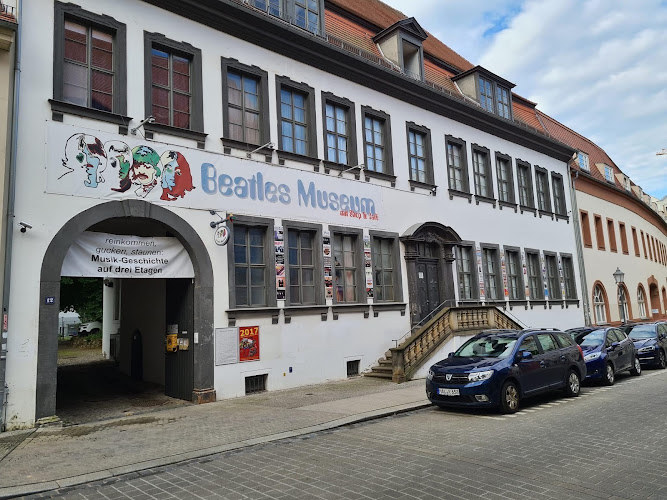
Beatles Museum
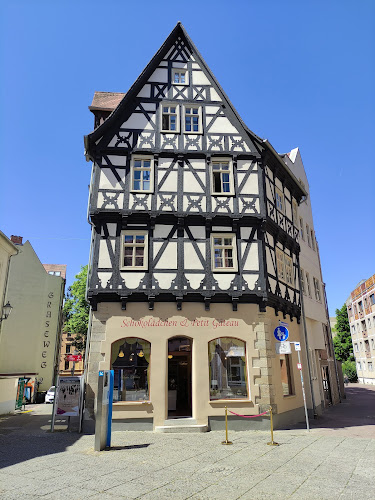
Graseweghaus

Handel monument
Find Accommodations Nearby
Recommended Tours & Activities
Visitor Reviews
There are no reviews yet. Be the first one to write one.
Share Your Experience
Have you visited Händel-Haus? Help other travelers by leaving a review.