

Haiphong
About Haiphong
Description
Haiphong, or Hai Phong as locals call it, is one of those cities in northern Vietnam that quietly hums with history and grit. It’s the country’s main seaport and the third-largest city after Hanoi and Ho Chi Minh City, yet it manages to maintain a certain calm, leafy feel that’s quite unlike other large cities. Maybe it’s the influence of the tree-lined boulevards and French colonial buildings still standing tall in the city center. Or maybe it’s the rhythm of the rivers that feed into the Red River Delta. Whatever it is, Haiphong feels grounded and very real—a place that blends industry and charm in equal measure.
As an outsider stepping into Hai Phong City, it’s hard not to notice how locals seem fiercely proud of their heritage. The architecture tells part of the story, especially the neoclassical Opera House built during the French colonial period. There’s also the Queen of the Rosary Cathedral, its facade like something from a European postcard but carrying generations of Vietnamese stories. The city’s heart beats with layers of culture too—the Du Hang Pagoda, founded centuries ago, is as serene as it is elaborate, with wooden carvings so detailed it feels like they might start moving if you stare too long. Then there’s the Hai Phong Museum, which does a surprisingly good job at bringing the past alive with artifacts that show just how deeply this port city has influenced trade, travel, and war throughout Vietnam’s long history.
What’s most interesting is how Haiphong serves as the gateway to Cat Ba Island and Lan Ha Bay—two locations that often steal the attention of travelers heading to this area. But there’s something rewarding about sticking around the city itself. Street-side cafés spill into the sidewalks, the sweet-salty scent of seafood grills wafts through the alleys, and locals are never short of opinions about everything—from football to the latest city projects. It’s raw and refreshing. Unlike some tourist-heavy destinations, Haiphong doesn’t perform—it just is. And that authenticity is rare.
The locals sometimes joke that if you visit during the season of flame trees (usually late spring), you’ll understand why Haiphong’s nickname is “the city of red phoenix flowers.” The trees burst into vibrant red blossoms lining the streets, giving the place almost an otherworldly glow. It’s one of those sights that stamps itself in your travel memory for good.
Key Features
- French Colonial Architecture: Stately boulevards dotted with historic buildings like the Opera House and old government offices reflect the city’s French influence from the 19th century.
- Buddhist Heritage: Du Hang Pagoda stands out with ancient carvings, stone dragon statues, and a sense of calm that seems untouched by time.
- Proximity to Cat Ba Island: Haiphong is the primary gateway to Cat Ba and Lan Ha Bay—ideal for nature enthusiasts and beachgoers.
- Seafood Haven: The city’s coastal position guarantees some of the freshest seafood in northern Vietnam. Dishes like crab noodles or grilled mantis shrimp are local specialties.
- Cultural Museums: The Hai Phong Museum offers deep insights into the city’s maritime and industrial background.
- Red Phoenix Flowers Festival: Every year, Haiphong holds this colorful event to celebrate the beauty of its emblematic trees, adding a splash of festivity across the city.
- Industrial Growth: Modern Hai Phong is an economic powerhouse, with export hubs and industrial parks fueling much of the region’s development.
Best Time to Visit
Timing really matters here. The best time to visit Haiphong is between March and May, when the weather is warm enough to explore but not yet muggy. During these months, the flame trees bloom, painting the city in shades of fiery red. It’s as if the entire landscape gets dressed up for visitors. September to November is also a solid choice, with cooler breezes and less rain—perfect for exploring the old quarters and waterfront areas.
It’s worth knowing that the summer months (June through August) can be quite hot and humid, and the occasional typhoon might interrupt seaside plans. On the flip side, winter (December through February) brings mild temperatures but a slightly gray tone to the city. Personally, I don’t mind it. There’s something moody and beautiful about sipping coffee in a Haiphong café while fog drifts through the river air.
How to Get There
Haiphong’s location makes getting there relatively easy from other major Vietnamese cities. The city is about 120 kilometers from Hanoi, and the drive usually takes around two hours depending on traffic. Buses and shared vans run frequently between the two cities, and the newly built Hanoi–Haiphong Expressway makes the journey smooth and straightforward.
For travelers coming from further away, Cat Bi International Airport offers direct flights from destinations like Ho Chi Minh City, Da Nang, and even select international hubs in Asia. Arriving by air is usually the fastest route, with the airport located just 8 kilometers from the city center. If you prefer trains—and I do, sometimes—it’s possible to take the Reunification Express from Hanoi to Haiphong. The route winds through the Red River Delta, offering a fascinating glimpse into rural life, with farmers working the rice paddies and water buffaloes trudging along the fields.
From Haiphong, it’s quite easy to venture out to Cat Ba Island. You can catch a combination of bus and ferry, or take one of the high-speed boats that run directly across to the island. It’s one of those short journeys that feels like a big adventure—sea spray, salty wind, and that first look at the limestone cliffs rising from the water.
Tips for Visiting
When visiting Haiphong, it’s smart to plan both city and coastal experiences. Many travelers rush straight to Cat Ba, missing the urban side entirely—but Haiphong itself has real charm if you slow down enough to notice it. Here are a few tips to make your time here worthwhile:
- Try the local food. The city’s seafood dishes are unforgettable. Look for a crowded street stall serving “banh da cua” (crab noodle soup). It’s one of those meals that defines the taste of Haiphong.
- Join a local festival. If you’re lucky enough to be in town during the Red Phoenix Flower Festival, don’t miss it. Parades, cultural shows, and community events transform the streets into a sea of color and music.
- Take an evening walk. The city center after sunset has a calm energy—softly lit buildings, the smell of fresh bread from bakeries (a nod to the French past), and relaxed locals out for a stroll. It’s peaceful yet lively in a subtle way.
- Carry cash. While some modern businesses accept cards, many local markets and street vendors don’t. Small denominations in Vietnamese dong make life easier.
- Explore beyond the city. A day trip to Do Son Beach or Lan Ha Bay can balance urban exploration with a dose of nature. Do Son, in particular, has an old-school seaside feel—slightly nostalgic, a bit faded, but charming in its own right.
- Be prepared for the weather. Haiphong sits close to the sea, so humidity is almost always in the air. A light rain jacket goes a long way. The heat can be intense in summer, so pack breathable clothing and sunscreen.
Another small but useful tip—learn a few Vietnamese phrases. The people in Haiphong appreciate the effort, and while many younger locals speak English, using a few words like “xin chào” (hello) and “cảm ơn” (thank you) can go a long way. The locals here tend to be straightforward and friendly, though sometimes shy at first. Once they open up, they’ll often share stories of their families, their city’s growth, and maybe even recommend a secret spot for the best grilled squid.
For travelers who love weaving local culture into their trips, Haiphong is a rewarding stop. It’s industrial, yes, but it’s also poetic—the kind of place that reveals itself gradually, through early morning market sounds, the rhythm of motorbikes, and the calm of pagoda courtyards. Maybe it won’t fit the “perfect travel postcard” image, but it’s genuine. And that’s what makes it beautiful.
So next time you find yourself planning a trip through northern Vietnam, consider giving Haiphong a few days of your itinerary. Wander the old French lanes, take the ferry to Cat Ba, or simply people-watch over a glass of iced coffee. There’s a quiet energy here that stays with you long after you leave the docks behind.
Key Features
- Key Features
- Best Time to Visit
- How to Get There
- Tips for Visiting
More Details
Updated October 20, 2025
Description
Haiphong, or Hai Phong as locals call it, is one of those cities in northern Vietnam that quietly hums with history and grit. It’s the country’s main seaport and the third-largest city after Hanoi and Ho Chi Minh City, yet it manages to maintain a certain calm, leafy feel that’s quite unlike other large cities. Maybe it’s the influence of the tree-lined boulevards and French colonial buildings still standing tall in the city center. Or maybe it’s the rhythm of the rivers that feed into the Red River Delta. Whatever it is, Haiphong feels grounded and very real—a place that blends industry and charm in equal measure.
As an outsider stepping into Hai Phong City, it’s hard not to notice how locals seem fiercely proud of their heritage. The architecture tells part of the story, especially the neoclassical Opera House built during the French colonial period. There’s also the Queen of the Rosary Cathedral, its facade like something from a European postcard but carrying generations of Vietnamese stories. The city’s heart beats with layers of culture too—the Du Hang Pagoda, founded centuries ago, is as serene as it is elaborate, with wooden carvings so detailed it feels like they might start moving if you stare too long. Then there’s the Hai Phong Museum, which does a surprisingly good job at bringing the past alive with artifacts that show just how deeply this port city has influenced trade, travel, and war throughout Vietnam’s long history.
What’s most interesting is how Haiphong serves as the gateway to Cat Ba Island and Lan Ha Bay—two locations that often steal the attention of travelers heading to this area. But there’s something rewarding about sticking around the city itself. Street-side cafés spill into the sidewalks, the sweet-salty scent of seafood grills wafts through the alleys, and locals are never short of opinions about everything—from football to the latest city projects. It’s raw and refreshing. Unlike some tourist-heavy destinations, Haiphong doesn’t perform—it just is. And that authenticity is rare.
The locals sometimes joke that if you visit during the season of flame trees (usually late spring), you’ll understand why Haiphong’s nickname is “the city of red phoenix flowers.” The trees burst into vibrant red blossoms lining the streets, giving the place almost an otherworldly glow. It’s one of those sights that stamps itself in your travel memory for good.
Key Features
- French Colonial Architecture: Stately boulevards dotted with historic buildings like the Opera House and old government offices reflect the city’s French influence from the 19th century.
- Buddhist Heritage: Du Hang Pagoda stands out with ancient carvings, stone dragon statues, and a sense of calm that seems untouched by time.
- Proximity to Cat Ba Island: Haiphong is the primary gateway to Cat Ba and Lan Ha Bay—ideal for nature enthusiasts and beachgoers.
- Seafood Haven: The city’s coastal position guarantees some of the freshest seafood in northern Vietnam. Dishes like crab noodles or grilled mantis shrimp are local specialties.
- Cultural Museums: The Hai Phong Museum offers deep insights into the city’s maritime and industrial background.
- Red Phoenix Flowers Festival: Every year, Haiphong holds this colorful event to celebrate the beauty of its emblematic trees, adding a splash of festivity across the city.
- Industrial Growth: Modern Hai Phong is an economic powerhouse, with export hubs and industrial parks fueling much of the region’s development.
Best Time to Visit
Timing really matters here. The best time to visit Haiphong is between March and May, when the weather is warm enough to explore but not yet muggy. During these months, the flame trees bloom, painting the city in shades of fiery red. It’s as if the entire landscape gets dressed up for visitors. September to November is also a solid choice, with cooler breezes and less rain—perfect for exploring the old quarters and waterfront areas.
It’s worth knowing that the summer months (June through August) can be quite hot and humid, and the occasional typhoon might interrupt seaside plans. On the flip side, winter (December through February) brings mild temperatures but a slightly gray tone to the city. Personally, I don’t mind it. There’s something moody and beautiful about sipping coffee in a Haiphong café while fog drifts through the river air.
How to Get There
Haiphong’s location makes getting there relatively easy from other major Vietnamese cities. The city is about 120 kilometers from Hanoi, and the drive usually takes around two hours depending on traffic. Buses and shared vans run frequently between the two cities, and the newly built Hanoi–Haiphong Expressway makes the journey smooth and straightforward.
For travelers coming from further away, Cat Bi International Airport offers direct flights from destinations like Ho Chi Minh City, Da Nang, and even select international hubs in Asia. Arriving by air is usually the fastest route, with the airport located just 8 kilometers from the city center. If you prefer trains—and I do, sometimes—it’s possible to take the Reunification Express from Hanoi to Haiphong. The route winds through the Red River Delta, offering a fascinating glimpse into rural life, with farmers working the rice paddies and water buffaloes trudging along the fields.
From Haiphong, it’s quite easy to venture out to Cat Ba Island. You can catch a combination of bus and ferry, or take one of the high-speed boats that run directly across to the island. It’s one of those short journeys that feels like a big adventure—sea spray, salty wind, and that first look at the limestone cliffs rising from the water.
Tips for Visiting
When visiting Haiphong, it’s smart to plan both city and coastal experiences. Many travelers rush straight to Cat Ba, missing the urban side entirely—but Haiphong itself has real charm if you slow down enough to notice it. Here are a few tips to make your time here worthwhile:
- Try the local food. The city’s seafood dishes are unforgettable. Look for a crowded street stall serving “banh da cua” (crab noodle soup). It’s one of those meals that defines the taste of Haiphong.
- Join a local festival. If you’re lucky enough to be in town during the Red Phoenix Flower Festival, don’t miss it. Parades, cultural shows, and community events transform the streets into a sea of color and music.
- Take an evening walk. The city center after sunset has a calm energy—softly lit buildings, the smell of fresh bread from bakeries (a nod to the French past), and relaxed locals out for a stroll. It’s peaceful yet lively in a subtle way.
- Carry cash. While some modern businesses accept cards, many local markets and street vendors don’t. Small denominations in Vietnamese dong make life easier.
- Explore beyond the city. A day trip to Do Son Beach or Lan Ha Bay can balance urban exploration with a dose of nature. Do Son, in particular, has an old-school seaside feel—slightly nostalgic, a bit faded, but charming in its own right.
- Be prepared for the weather. Haiphong sits close to the sea, so humidity is almost always in the air. A light rain jacket goes a long way. The heat can be intense in summer, so pack breathable clothing and sunscreen.
Another small but useful tip—learn a few Vietnamese phrases. The people in Haiphong appreciate the effort, and while many younger locals speak English, using a few words like “xin chào” (hello) and “cảm ơn” (thank you) can go a long way. The locals here tend to be straightforward and friendly, though sometimes shy at first. Once they open up, they’ll often share stories of their families, their city’s growth, and maybe even recommend a secret spot for the best grilled squid.
For travelers who love weaving local culture into their trips, Haiphong is a rewarding stop. It’s industrial, yes, but it’s also poetic—the kind of place that reveals itself gradually, through early morning market sounds, the rhythm of motorbikes, and the calm of pagoda courtyards. Maybe it won’t fit the “perfect travel postcard” image, but it’s genuine. And that’s what makes it beautiful.
So next time you find yourself planning a trip through northern Vietnam, consider giving Haiphong a few days of your itinerary. Wander the old French lanes, take the ferry to Cat Ba, or simply people-watch over a glass of iced coffee. There’s a quiet energy here that stays with you long after you leave the docks behind.
Key Highlights
- Key Features
- Best Time to Visit
- How to Get There
- Tips for Visiting
Location
Places to Stay Near Haiphong
Find and Book a Tour
Explore More Travel Guides
No reviews found! Be the first to review!
Traveler Reviews for Haiphong
There are no reviews yet. Be the first one to write one.
Have you visited Haiphong? Help other travelers by sharing your review.
You Might Also Like
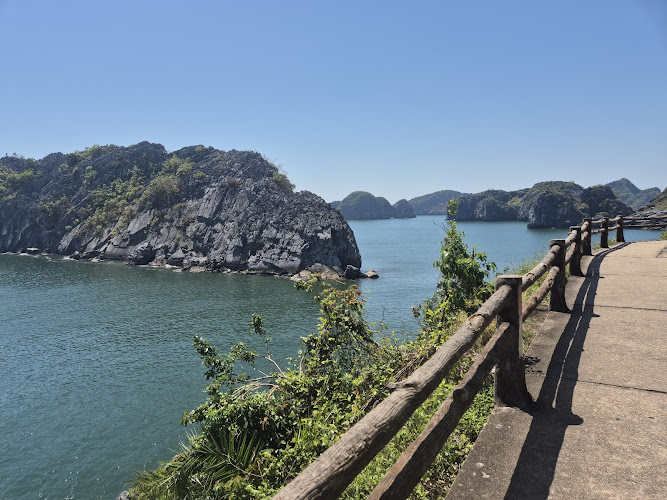
Rock trail

Cat Co 1 Beach

Cannon Fort
Find Accommodations Nearby
Recommended Tours & Activities
Visitor Reviews
There are no reviews yet. Be the first one to write one.
Share Your Experience
Have you visited Haiphong? Help other travelers by leaving a review.