

Hai Phong Museum
About Hai Phong Museum
Description
The Hai Phong Museum in northern Vietnam tells the story of a city that has always stood at the crossroads of history and the sea. Built during the French colonial period, the building itself feels like part of the exhibit — its French colonial architecture is stately, with broad steps and decorative arches that seem to whisper secrets of another era. Many visitors are immediately struck by how gracefully this elegant colonial building has aged. Once inside, you notice how carefully curated the displays are — each one taking you deeper into the identity of Hai Phong, a city often overshadowed by Hanoi or Ha Long Bay but equally captivating in its own right.
I remember the first time I wandered through its quietly echoing halls. It was a hot afternoon, the kind that makes the red bricks shimmer, and the shady rooms offered welcome relief. The exhibit layout is surprisingly intuitive — even without a guide, you get a sense of moving through time, from early settlements and local handicrafts to wartime memorabilia and maritime trade artifacts. And for those fascinated by local history, this museum offers a unique glimpse of Hai Phong’s transformation from a small port town into one of Vietnam’s major coastal cities.
The museum’s interior combines old-world charm with a focus on educational displays. Traditional Vietnamese clothing, ancient ceramic collections, and photographs from Hai Phong’s bustling colonial port days line the walls. There’s also a section dedicated to Vietnam’s struggles during the French and American wars, featuring personal stories and relics from local heroes. Not many places manage to tie history, culture, and local identity together so neatly — but this one does, and it does it with sincerity.
There’s something humbling about standing in front of exhibits that showcase the city’s resilience — weapons used during important historical events, delicate artifacts unearthed nearby, and poignant reminders of the wars that shaped the region. You might even find yourself lingering in the small memorial room that pays tribute to those who contributed to the city’s development through difficult times. For those who enjoy history with layers — bits of colonial nostalgia, maritime ambition, and postwar recovery — the Hai Phong Museum is a rewarding stop.
Despite its quieter atmosphere, the museum is far from a dull destination. Families often visit on weekends, and local schoolchildren fill the courtyard on field trips, laughing while teachers point out architectural details from the French colonial period. It gives the place a living heart, bridging the gap between past and present. AduIts interested in history or culture appreciate how all the exhibits highlight Hai Phong’s importance as both a port and industrial hub over centuries. It’s also a great way to understand how the local people see themselves — pragmatic, strong, and proud of their roots.
Key Features
- French colonial architecture: The museum is housed in a beautifully maintained colonial building, showcasing distinct French style with high ceilings, symmetrical windows, and classical detailing.
- Diverse exhibitions: Displays cover Hai Phong’s geological origins, cultural traditions, maritime heritage, and participation in key national historical events.
- Artifacts collection: Includes ancient tools, ceramics, old photographs, and wartime relics giving an immersive timeline of the region’s evolution.
- Educational experience: It’s especially informative for those interested in understanding the cultural and economic role Hai Phong played in Vietnam’s growth.
- Wheelchair accessible: The museum provides accessible restrooms and ground-level pathways, making it convenient for all visitors.
- Family friendly: Good for kids, with open spaces and colorful displays that help younger visitors engage with the history of Hai Phong Vietnam.
- Free parking: There’s an onsite parking lot available without charge, which makes it easy for travelers arriving by car or tour bus.
Best Time to Visit
If there’s one thing I’ve learned from traveling around northern Vietnam, it’s that timing makes all the difference. Hai Phong’s coastal climate changes notably through the year. The best time to visit the Hai Phong Museum is between October and April when the weather is cooler and more pleasant — perfect for strolling through the city center afterward. During these months, you can comfortably combine your museum trip with visits to nearby landmarks like the Hai Phong Opera House or Du Hang Pagoda without battling the intense summer heat.
Rainy season runs roughly from May to September, and though the museum’s cool interior offers a dry refuge, walking around the surrounding streets can be a soggy adventure. Still, if you don’t mind the occasional rain shower, the fewer crowds can make this period a great time for quieter exploration and more time spent with the exhibits. On weekends, the city often feels lively, so dropping by on a weekday might offer you a calmer and more reflective experience.
How to Get There
The Hai Phong Museum is conveniently located in the central area of Hai Phong, Vietnam. Travelers arriving from Hanoi — roughly a two-hour drive — often choose a private car or limousine bus service that drops them near the heart of the city. If you’re coming from Cat Ba Island, it’s surprisingly accessible via a short ferry ride followed by a quick taxi trip. Many daily boats run between Cat Ba Town and Hai Phong Port, making it easy to integrate the museum visit into your itinerary after exploring Cat Ba National Park or Lan Ha Bay.
Local transportation in Hai Phong is straightforward. City taxis, motorbike rides, and even cyclos (for the nostalgic at heart) can get you there without fuss. Most hotels in the center are within 10–15 minutes of the museum. While there’s no restaurant onsite, the area around the museum is brimming with local food stalls and coffee shops where you can grab a bowl of steaming bún cá or a simple bánh mì before or after your tour — the kind of authentic taste you don’t easily forget.
For independent travelers, parking is free and easy to find right on site. And for those who prefer public transport, several local bus routes run nearby. I once hopped on a local bus from the Hai Phong Opera House after stopping for photography and ended up at the museum gates in no time. That short ride was its own tiny adventure, sharing laughs with locals and catching a glimpse of everyday life in the port city.
Tips for Visiting
Before heading in, it helps to know a few things to make your visit smoother and more meaningful. The museum isn’t huge, but you’ll want at least an hour — ideally 90 minutes — to see everything thoroughly. Bring water, especially on warmer days, and wear comfortable shoes if you plan to explore other cultural sites nearby afterward. Those with a curiosity for architecture will appreciate catching the building in early morning light when its colonial façade glows softly under the sun — a small photographer’s secret that always rewards the effort.
If you travel with kids, the museum staff are friendly and often happy to explain exhibits in simplified English or Vietnamese. It’s a great chance to introduce them to local culture and history without it feeling like schoolwork. For deeper insight, consider asking about a guided tour. While not always formal, local docents occasionally offer detailed explanations about artifacts from different periods, including those from the French colonial era and Vietnam’s revolutionary years, which brings context that display captions sometimes can’t capture fully.
A good tip many first-timers miss — combine your visit with a slow walk around the surrounding area. The museum sits in an area rich with old colonial buildings, tree-lined streets, and a few artistic corners worth photographing. And just a short distance away, you can spot the famous neoclassical Hai Phong Opera House. It makes a delightful pairing for anyone exploring the architectural heritage of the city.
Those more inclined to dig deeper into local life should try planning a day that balances culture with flavor. Start with breakfast at a street-side café, visit the museum mid-morning, have lunch at a local restaurant near the city center, then continue your exploration at nearby historical temples like Du Hang Pagoda. Trust me, that rhythm gives you just the right sense of Hai Phong’s pulse — methodical yet full of small surprises.
Though it’s not a museum that tries to overwhelm with grandiosity, its honesty and pace make it special. It’s about connecting with the city rather than simply ticking off a landmark. So if you find yourself in this part of northern Vietnam — perhaps on your way to Cat Ba Island, Ha Long Bay, or even back from Hanoi — take the time. Step inside, let the quiet halls tell their story, and you’ll carry a piece of Hai Phong with you. It’s not just about history; it’s about how that history still hums through the streets outside, long after you’ve left the museum doors.
Key Features
- Key Features
- Best Time to Visit
- How to Get There
- Tips for Visiting
More Details
Updated October 20, 2025
Table of Contents
Description
The Hai Phong Museum in northern Vietnam tells the story of a city that has always stood at the crossroads of history and the sea. Built during the French colonial period, the building itself feels like part of the exhibit — its French colonial architecture is stately, with broad steps and decorative arches that seem to whisper secrets of another era. Many visitors are immediately struck by how gracefully this elegant colonial building has aged. Once inside, you notice how carefully curated the displays are — each one taking you deeper into the identity of Hai Phong, a city often overshadowed by Hanoi or Ha Long Bay but equally captivating in its own right.
I remember the first time I wandered through its quietly echoing halls. It was a hot afternoon, the kind that makes the red bricks shimmer, and the shady rooms offered welcome relief. The exhibit layout is surprisingly intuitive — even without a guide, you get a sense of moving through time, from early settlements and local handicrafts to wartime memorabilia and maritime trade artifacts. And for those fascinated by local history, this museum offers a unique glimpse of Hai Phong’s transformation from a small port town into one of Vietnam’s major coastal cities.
The museum’s interior combines old-world charm with a focus on educational displays. Traditional Vietnamese clothing, ancient ceramic collections, and photographs from Hai Phong’s bustling colonial port days line the walls. There’s also a section dedicated to Vietnam’s struggles during the French and American wars, featuring personal stories and relics from local heroes. Not many places manage to tie history, culture, and local identity together so neatly — but this one does, and it does it with sincerity.
There’s something humbling about standing in front of exhibits that showcase the city’s resilience — weapons used during important historical events, delicate artifacts unearthed nearby, and poignant reminders of the wars that shaped the region. You might even find yourself lingering in the small memorial room that pays tribute to those who contributed to the city’s development through difficult times. For those who enjoy history with layers — bits of colonial nostalgia, maritime ambition, and postwar recovery — the Hai Phong Museum is a rewarding stop.
Despite its quieter atmosphere, the museum is far from a dull destination. Families often visit on weekends, and local schoolchildren fill the courtyard on field trips, laughing while teachers point out architectural details from the French colonial period. It gives the place a living heart, bridging the gap between past and present. AduIts interested in history or culture appreciate how all the exhibits highlight Hai Phong’s importance as both a port and industrial hub over centuries. It’s also a great way to understand how the local people see themselves — pragmatic, strong, and proud of their roots.
Key Features
- French colonial architecture: The museum is housed in a beautifully maintained colonial building, showcasing distinct French style with high ceilings, symmetrical windows, and classical detailing.
- Diverse exhibitions: Displays cover Hai Phong’s geological origins, cultural traditions, maritime heritage, and participation in key national historical events.
- Artifacts collection: Includes ancient tools, ceramics, old photographs, and wartime relics giving an immersive timeline of the region’s evolution.
- Educational experience: It’s especially informative for those interested in understanding the cultural and economic role Hai Phong played in Vietnam’s growth.
- Wheelchair accessible: The museum provides accessible restrooms and ground-level pathways, making it convenient for all visitors.
- Family friendly: Good for kids, with open spaces and colorful displays that help younger visitors engage with the history of Hai Phong Vietnam.
- Free parking: There’s an onsite parking lot available without charge, which makes it easy for travelers arriving by car or tour bus.
Best Time to Visit
If there’s one thing I’ve learned from traveling around northern Vietnam, it’s that timing makes all the difference. Hai Phong’s coastal climate changes notably through the year. The best time to visit the Hai Phong Museum is between October and April when the weather is cooler and more pleasant — perfect for strolling through the city center afterward. During these months, you can comfortably combine your museum trip with visits to nearby landmarks like the Hai Phong Opera House or Du Hang Pagoda without battling the intense summer heat.
Rainy season runs roughly from May to September, and though the museum’s cool interior offers a dry refuge, walking around the surrounding streets can be a soggy adventure. Still, if you don’t mind the occasional rain shower, the fewer crowds can make this period a great time for quieter exploration and more time spent with the exhibits. On weekends, the city often feels lively, so dropping by on a weekday might offer you a calmer and more reflective experience.
How to Get There
The Hai Phong Museum is conveniently located in the central area of Hai Phong, Vietnam. Travelers arriving from Hanoi — roughly a two-hour drive — often choose a private car or limousine bus service that drops them near the heart of the city. If you’re coming from Cat Ba Island, it’s surprisingly accessible via a short ferry ride followed by a quick taxi trip. Many daily boats run between Cat Ba Town and Hai Phong Port, making it easy to integrate the museum visit into your itinerary after exploring Cat Ba National Park or Lan Ha Bay.
Local transportation in Hai Phong is straightforward. City taxis, motorbike rides, and even cyclos (for the nostalgic at heart) can get you there without fuss. Most hotels in the center are within 10–15 minutes of the museum. While there’s no restaurant onsite, the area around the museum is brimming with local food stalls and coffee shops where you can grab a bowl of steaming bún cá or a simple bánh mì before or after your tour — the kind of authentic taste you don’t easily forget.
For independent travelers, parking is free and easy to find right on site. And for those who prefer public transport, several local bus routes run nearby. I once hopped on a local bus from the Hai Phong Opera House after stopping for photography and ended up at the museum gates in no time. That short ride was its own tiny adventure, sharing laughs with locals and catching a glimpse of everyday life in the port city.
Tips for Visiting
Before heading in, it helps to know a few things to make your visit smoother and more meaningful. The museum isn’t huge, but you’ll want at least an hour — ideally 90 minutes — to see everything thoroughly. Bring water, especially on warmer days, and wear comfortable shoes if you plan to explore other cultural sites nearby afterward. Those with a curiosity for architecture will appreciate catching the building in early morning light when its colonial façade glows softly under the sun — a small photographer’s secret that always rewards the effort.
If you travel with kids, the museum staff are friendly and often happy to explain exhibits in simplified English or Vietnamese. It’s a great chance to introduce them to local culture and history without it feeling like schoolwork. For deeper insight, consider asking about a guided tour. While not always formal, local docents occasionally offer detailed explanations about artifacts from different periods, including those from the French colonial era and Vietnam’s revolutionary years, which brings context that display captions sometimes can’t capture fully.
A good tip many first-timers miss — combine your visit with a slow walk around the surrounding area. The museum sits in an area rich with old colonial buildings, tree-lined streets, and a few artistic corners worth photographing. And just a short distance away, you can spot the famous neoclassical Hai Phong Opera House. It makes a delightful pairing for anyone exploring the architectural heritage of the city.
Those more inclined to dig deeper into local life should try planning a day that balances culture with flavor. Start with breakfast at a street-side café, visit the museum mid-morning, have lunch at a local restaurant near the city center, then continue your exploration at nearby historical temples like Du Hang Pagoda. Trust me, that rhythm gives you just the right sense of Hai Phong’s pulse — methodical yet full of small surprises.
Though it’s not a museum that tries to overwhelm with grandiosity, its honesty and pace make it special. It’s about connecting with the city rather than simply ticking off a landmark. So if you find yourself in this part of northern Vietnam — perhaps on your way to Cat Ba Island, Ha Long Bay, or even back from Hanoi — take the time. Step inside, let the quiet halls tell their story, and you’ll carry a piece of Hai Phong with you. It’s not just about history; it’s about how that history still hums through the streets outside, long after you’ve left the museum doors.
Key Highlights
- Key Features
- Best Time to Visit
- How to Get There
- Tips for Visiting
Location
Places to Stay Near Hai Phong Museum
Find and Book a Tour
Explore More Travel Guides
No reviews found! Be the first to review!
Traveler Reviews for Hai Phong Museum
There are no reviews yet. Be the first one to write one.
Have you visited Hai Phong Museum? Help other travelers by sharing your review.
You Might Also Like

Cat Co 1 Beach

Haiphong
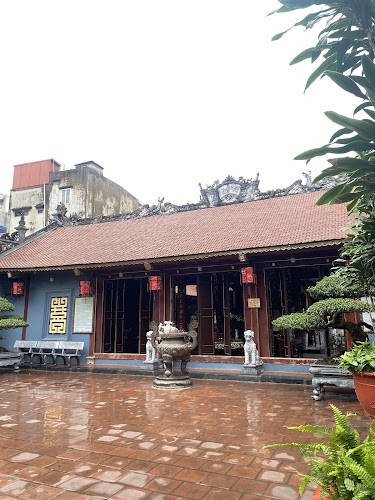
Nghe Le Chan Temple
Find Accommodations Nearby
Recommended Tours & Activities
Visitor Reviews
There are no reviews yet. Be the first one to write one.
Share Your Experience
Have you visited Hai Phong Museum? Help other travelers by leaving a review.