
Nghe Le Chan Temple
About Nghe Le Chan Temple
Description
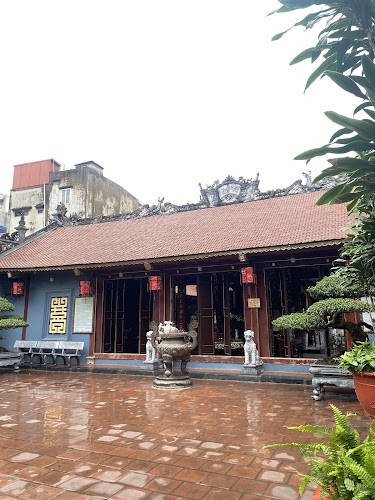
The Nghe Le Chan Temple in Hai Phong City has this magnetic way of pulling you in, even if you're not typically drawn to ancient shrines or historical landmarks. It’s not gigantic or overly ornate, but it stands as one of those places that feel deeply alive, where every carved line, every incense curl, carries centuries of stories. The temple is dedicated to the female general Le Chan, a heroic figure remembered for her courage, leadership, and contribution during Vietnam’s early resistance movements. Many locals come here not just to pray but to pay their respects—to honor a woman who basically laid part of the foundation for Hai Phong’s identity.
I remember stepping through the main gate for the first time and catching the faint scent of burning sandalwood mixed with old timber. It’s a sensory detail that sticks. The architecture is distinctly traditional Vietnamese, with curving tiled roofs, dragon motifs gliding across the beams, and sturdy wooden columns polished smooth by time. And what’s really lovely about it all is the atmosphere—it somehow manages to feel both solemn and welcoming. People whisper their prayers, others quietly take photos or make offerings. You can sense that the temple isn’t just a monument; it’s part of the rhythm of everyday life here.
The story behind the site adds a layer of depth, too. Le Chan, as history tells it, was a courageous general who rose alongside the famous Trung sisters in their rebellion against Chinese domination. Born in the An Bien ancient village (which later became part of Hai Phong), she’s revered not only as a warrior but also as a symbol of Vietnamese resilience and pride. So yes, while you’ll find countless temples across Vietnam, this one hits differently. It’s tied directly to the very roots of Hai Phong’s history. You’ll often spot students coming by before exams, business owners making offerings for prosperity, or older residents retelling the tales of the female general to younger generations. It’s a living classroom of sorts.
The place itself is beautifully maintained. The inner courtyard tends to be calm no matter the time of day, with potted bonsai trees adding a serene touch. And if you linger long enough, you start to pick up little details: the red lacquered altars catching the morning light, the quiet echo of temple bells, the soft chatter of visitors in the background. It’s one of those temples where history and spirituality co-exist seamlessly, neither overpowering the other. You genuinely feel a sense of continuity—as if what’s been true for centuries will remain so for years to come.
Key Features
- Historical Significance: Dedicated to the female general Le Chan, one of Vietnam’s earliest symbols of resistance and strength, whose courage inspired the people of Hai Phong.
- Traditional Architecture: The structure reflects classical Vietnamese design with red-tiled roofs, wooden pillars, and stone carvings featuring dragons and floral motifs.
- Cultural Importance: The temple functions as both a religious site and a cultural heart, especially during local festivals celebrating heroism and Vietnamese heritage.
- Peaceful Atmosphere: Despite being located in the busy Le Chan District, the temple maintains a calm, almost meditative air perfect for reflection or silent observation.
- Offerings and Rituals: Visitors can observe—or even partake in—traditional rituals where incense and fruits are offered to the deity, a glimpse into local spiritual customs.
- Artistic Details: Look closely and you’ll see intricate reliefs telling bits of Le Chan’s story, with painted dragons dancing across altars and delicate calligraphy scripts adorning wooden plaques.
- Accessibility: With its central location in Hai Phong City, it’s easy to stop by even on a short trip or day tour through the city’s historical sites.
- Amenities: There are restrooms available on-site, which is always helpful if you’re planning to spend a few hours there exploring or meditating quietly.
Best Time to Visit
If you prefer a quieter experience, weekday mornings are absolutely the best. The air has this freshness, and the light over the tiled roof just glows. You’ll catch the temple before the flow of mid-day travelers and local devotees. But if you’re up for a livelier experience, plan your trip during the annual festivals—particularly around the Le Chan Festival, which usually happens early in the year according to the lunar calendar. That’s when the temple transforms into a vibrant gathering place for ceremonies, dances, and cultural performances honoring the female general’s legacy.
The months from December to April tend to be the most comfortable weather-wise—cool, dry, and ideal for walking tours around the city. Summer in Hai Phong around June and July can get humid and hot, which makes early mornings or late afternoons the best visiting hours. If you’ve ever visited Vietnamese temples in the rain, you know there’s something poetic about it—the smell of wet stone, the way water rivulets down the dragon pillars. But, yeah, bring an umbrella if you choose that season—it adds charm if you like moody photographs, but you’ll get drenched fast.
How to Get There
Getting to the Nghe Le Chan Temple in Hai Phong is fairly straightforward. The city itself is well connected by road, rail, and even air travel. If you’re coming from Hanoi, you can take a direct bus (usually about 1.5–2 hours) or a short train ride that offers pleasant countryside views on the way. Once you’re in Hai Phong City, taxis and ride-hailing apps are available and inexpensive. Mentioning “Nghe Le Chan Temple” will usually get nods of understanding—it’s one of those places locals all know.
For those who enjoy exploring on foot, the Le Chan District is compact and walkable. You can stroll through a few nearby markets, grab a Vietnamese iced coffee along the way, and cross some of the city’s old streets before arriving at the temple’s main gate. If you’re already on a Hai Phong day tour, chances are this stop is on the itinerary because it’s considered one of the must-see historical landmarks in the city alongside Tam Bac Lake and Du Hang Pagoda. And honestly, it pairs nicely with those—each offering a slightly different lens into Hai Phong’s layers of history.
Tips for Visiting
The first thing to know when visiting the Nghe Le Chan Temple: respect goes a long way here. It’s an active worship site, not just a tourist attraction. That means modest clothing—cover shoulders and knees if possible. You’ll notice locals often carry a small bunch of incense sticks when entering. You can too—it’s both an act of respect and a way to take part in the ritual without intruding.
Here’s a small tip from personal experience: leave your shoes neatly at the entrance before walking into the inner sanctum. It’s a sign of purification, but also, the wooden floors are blissfully cool underfoot. Also, avoid loud conversation or flashy photography inside the temple halls. It’s common courtesy, and you’ll appreciate the calm silence once you’re in there.
If you’re traveling with kids, it’s perfectly okay—just remind them to keep their voices soft. Older Vietnamese visitors are often friendly and may tell you short legends about Le Chan herself. I once had a woman explain how the general’s bravery inspired not just warriors but generations of women in Hai Phong. Those interactions are priceless and remind you that history here isn’t confined to old pages—it’s living, breathing, and constantly retold.
And don’t forget to allocate some time to just sit in the courtyard. Let the setting sink in, listen to the rustle of leaves, maybe jot a few notes in your travel journal. Temples like this deserve more than a quick look—they deserve a moment of stillness. Afterwards, if you’re hungry, venture a few blocks away where street vendors serve incredible local food—try the “banh da cua,” a crab noodle soup unique to Hai Phong. It’s a great way to round out your visit with a real taste of the city’s culture.
Overall, a visit to the Nghe Le Chan Temple is an experience that blends history, reflection, and authentic cultural connection. Whether you’re a history buff chasing ancient tales or a traveler seeking a quiet corner away from the noise, this temple offers something—intangible but deeply felt. It’s not just about what you see; it’s about what you sense and remember long after stepping back onto the bustling streets of Hai Phong City.
Key Features
- Key Features
- Best Time to Visit
- How to Get There
- Tips for Visiting
More Details
Updated October 20, 2025
Table of Contents
Description
The Nghe Le Chan Temple in Hai Phong City has this magnetic way of pulling you in, even if you’re not typically drawn to ancient shrines or historical landmarks. It’s not gigantic or overly ornate, but it stands as one of those places that feel deeply alive, where every carved line, every incense curl, carries centuries of stories. The temple is dedicated to the female general Le Chan, a heroic figure remembered for her courage, leadership, and contribution during Vietnam’s early resistance movements. Many locals come here not just to pray but to pay their respects—to honor a woman who basically laid part of the foundation for Hai Phong’s identity.
I remember stepping through the main gate for the first time and catching the faint scent of burning sandalwood mixed with old timber. It’s a sensory detail that sticks. The architecture is distinctly traditional Vietnamese, with curving tiled roofs, dragon motifs gliding across the beams, and sturdy wooden columns polished smooth by time. And what’s really lovely about it all is the atmosphere—it somehow manages to feel both solemn and welcoming. People whisper their prayers, others quietly take photos or make offerings. You can sense that the temple isn’t just a monument; it’s part of the rhythm of everyday life here.
The story behind the site adds a layer of depth, too. Le Chan, as history tells it, was a courageous general who rose alongside the famous Trung sisters in their rebellion against Chinese domination. Born in the An Bien ancient village (which later became part of Hai Phong), she’s revered not only as a warrior but also as a symbol of Vietnamese resilience and pride. So yes, while you’ll find countless temples across Vietnam, this one hits differently. It’s tied directly to the very roots of Hai Phong’s history. You’ll often spot students coming by before exams, business owners making offerings for prosperity, or older residents retelling the tales of the female general to younger generations. It’s a living classroom of sorts.
The place itself is beautifully maintained. The inner courtyard tends to be calm no matter the time of day, with potted bonsai trees adding a serene touch. And if you linger long enough, you start to pick up little details: the red lacquered altars catching the morning light, the quiet echo of temple bells, the soft chatter of visitors in the background. It’s one of those temples where history and spirituality co-exist seamlessly, neither overpowering the other. You genuinely feel a sense of continuity—as if what’s been true for centuries will remain so for years to come.
Key Features
- Historical Significance: Dedicated to the female general Le Chan, one of Vietnam’s earliest symbols of resistance and strength, whose courage inspired the people of Hai Phong.
- Traditional Architecture: The structure reflects classical Vietnamese design with red-tiled roofs, wooden pillars, and stone carvings featuring dragons and floral motifs.
- Cultural Importance: The temple functions as both a religious site and a cultural heart, especially during local festivals celebrating heroism and Vietnamese heritage.
- Peaceful Atmosphere: Despite being located in the busy Le Chan District, the temple maintains a calm, almost meditative air perfect for reflection or silent observation.
- Offerings and Rituals: Visitors can observe—or even partake in—traditional rituals where incense and fruits are offered to the deity, a glimpse into local spiritual customs.
- Artistic Details: Look closely and you’ll see intricate reliefs telling bits of Le Chan’s story, with painted dragons dancing across altars and delicate calligraphy scripts adorning wooden plaques.
- Accessibility: With its central location in Hai Phong City, it’s easy to stop by even on a short trip or day tour through the city’s historical sites.
- Amenities: There are restrooms available on-site, which is always helpful if you’re planning to spend a few hours there exploring or meditating quietly.
Best Time to Visit
If you prefer a quieter experience, weekday mornings are absolutely the best. The air has this freshness, and the light over the tiled roof just glows. You’ll catch the temple before the flow of mid-day travelers and local devotees. But if you’re up for a livelier experience, plan your trip during the annual festivals—particularly around the Le Chan Festival, which usually happens early in the year according to the lunar calendar. That’s when the temple transforms into a vibrant gathering place for ceremonies, dances, and cultural performances honoring the female general’s legacy.
The months from December to April tend to be the most comfortable weather-wise—cool, dry, and ideal for walking tours around the city. Summer in Hai Phong around June and July can get humid and hot, which makes early mornings or late afternoons the best visiting hours. If you’ve ever visited Vietnamese temples in the rain, you know there’s something poetic about it—the smell of wet stone, the way water rivulets down the dragon pillars. But, yeah, bring an umbrella if you choose that season—it adds charm if you like moody photographs, but you’ll get drenched fast.
How to Get There
Getting to the Nghe Le Chan Temple in Hai Phong is fairly straightforward. The city itself is well connected by road, rail, and even air travel. If you’re coming from Hanoi, you can take a direct bus (usually about 1.5–2 hours) or a short train ride that offers pleasant countryside views on the way. Once you’re in Hai Phong City, taxis and ride-hailing apps are available and inexpensive. Mentioning “Nghe Le Chan Temple” will usually get nods of understanding—it’s one of those places locals all know.
For those who enjoy exploring on foot, the Le Chan District is compact and walkable. You can stroll through a few nearby markets, grab a Vietnamese iced coffee along the way, and cross some of the city’s old streets before arriving at the temple’s main gate. If you’re already on a Hai Phong day tour, chances are this stop is on the itinerary because it’s considered one of the must-see historical landmarks in the city alongside Tam Bac Lake and Du Hang Pagoda. And honestly, it pairs nicely with those—each offering a slightly different lens into Hai Phong’s layers of history.
Tips for Visiting
The first thing to know when visiting the Nghe Le Chan Temple: respect goes a long way here. It’s an active worship site, not just a tourist attraction. That means modest clothing—cover shoulders and knees if possible. You’ll notice locals often carry a small bunch of incense sticks when entering. You can too—it’s both an act of respect and a way to take part in the ritual without intruding.
Here’s a small tip from personal experience: leave your shoes neatly at the entrance before walking into the inner sanctum. It’s a sign of purification, but also, the wooden floors are blissfully cool underfoot. Also, avoid loud conversation or flashy photography inside the temple halls. It’s common courtesy, and you’ll appreciate the calm silence once you’re in there.
If you’re traveling with kids, it’s perfectly okay—just remind them to keep their voices soft. Older Vietnamese visitors are often friendly and may tell you short legends about Le Chan herself. I once had a woman explain how the general’s bravery inspired not just warriors but generations of women in Hai Phong. Those interactions are priceless and remind you that history here isn’t confined to old pages—it’s living, breathing, and constantly retold.
And don’t forget to allocate some time to just sit in the courtyard. Let the setting sink in, listen to the rustle of leaves, maybe jot a few notes in your travel journal. Temples like this deserve more than a quick look—they deserve a moment of stillness. Afterwards, if you’re hungry, venture a few blocks away where street vendors serve incredible local food—try the “banh da cua,” a crab noodle soup unique to Hai Phong. It’s a great way to round out your visit with a real taste of the city’s culture.
Overall, a visit to the Nghe Le Chan Temple is an experience that blends history, reflection, and authentic cultural connection. Whether you’re a history buff chasing ancient tales or a traveler seeking a quiet corner away from the noise, this temple offers something—intangible but deeply felt. It’s not just about what you see; it’s about what you sense and remember long after stepping back onto the bustling streets of Hai Phong City.
Key Highlights
- Key Features
- Best Time to Visit
- How to Get There
- Tips for Visiting
Location
Places to Stay Near Nghe Le Chan Temple
Find and Book a Tour
Explore More Travel Guides
No reviews found! Be the first to review!
Traveler Reviews for Nghe Le Chan Temple
There are no reviews yet. Be the first one to write one.
Have you visited Nghe Le Chan Temple? Help other travelers by sharing your review.
You Might Also Like
Trung Trang Cave

Haiphong

Cannon Fort
Find Accommodations Nearby
Recommended Tours & Activities
Visitor Reviews
There are no reviews yet. Be the first one to write one.
Share Your Experience
Have you visited Nghe Le Chan Temple? Help other travelers by leaving a review.