
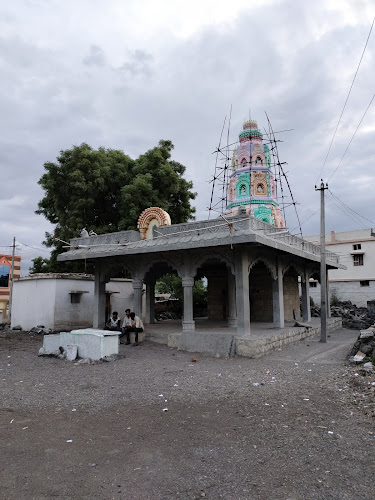
Gulbarga
About Gulbarga
Description
Gulbarga, officially known as Kalaburagi since 2014, sits in the northeastern corner of Karnataka and honestly, it's one of those places that doesn't always make it onto the typical tourist circuit – which is exactly what makes it fascinating. This historic city has been around for ages, literally, with roots stretching back to the 6th century. I remember when I first heard about Gulbarga from a colleague who grew up there, and she told me stories about the incredible fort and the unique architecture that you just don't see anywhere else in South India. The city served as the capital of the Bahmani Sultanate back in the 14th century, and that period left an indelible mark on its character. You'll find this amazing blend of Indo-Islamic architecture here that's different from what you see in other parts of Karnataka. The Portuguese and Persian influences mixed with local Deccan traditions create something really special. What strikes most travelers when they arrive is how Gulbarga feels authentically Indian without being overly commercialized for tourism. The streets have that lived-in quality where daily life continues around you, and you're not just observing history in museums but walking through neighborhoods where centuries-old monuments stand next to modern shops and homes. The population is diverse, with a significant Muslim community that has shaped the city's culture, cuisine, and festivals in meaningful ways. The climate here is semi-arid, which means it gets pretty hot during summer months, but the city has this character that persists through the heat. And the food – we'll get to that later – but the food alone is worth the journey.Key Features
- Gulbarga Fort: This massive 15th-century fort complex sprawls across acres and houses several monuments within its walls. The fort itself has 15 towers and is built from massive granite blocks. Inside you'll find the Jama Masjid, which is architecturally unique because it's modeled after the great mosque in Cordoba, Spain – the only mosque of its kind in India with a completely covered courtyard.
- Khwaja Bande Nawaz Dargah: This is one of the most important Sufi shrines in South India, dedicated to the 14th-century Sufi saint Khwaja Bande Nawaz. The complex includes a mosque, a library with ancient manuscripts, and the tomb itself. Thousands of devotees visit throughout the year, and the atmosphere during Urs celebrations is something you won't forget.
- Sharana Basaveshwara Temple: A significant pilgrimage site for followers of the Lingayat faith, this temple honors the 12th-century philosopher and social reformer Basavanna. The architecture here is distinctly different from the Islamic monuments, showcasing the religious diversity of the region.
- Buddha Vihar: An ancient Buddhist site with a peaceful vibe that's perfect for those interested in India's Buddhist heritage. The site includes ruins and a modern temple complex.
- Haft Gumbaz: Also called the Seven Tombs, this complex contains the tombs of Bahmani rulers and their families. The architecture is stunning, with each tomb featuring intricate calligraphy and geometric designs.
- Local Cuisine: Gulbarga has its own distinct food culture. The Kalaburagi biryani is different from Hyderabadi or other regional versions, and you absolutely must try the local flatbreads and meat dishes. The city is known for its excellent mutton preparations.
- Chandrampalli Dam and Museum: Located about 30 kilometers from the city, this spot offers a nice escape and some interesting artifacts related to the region's history.
Best Time to Visit
Okay, so here's the deal with timing your Gulbarga visit. The city experiences pretty extreme temperatures, and if you don't plan right, you might end up questioning your life choices under the scorching summer sun. The absolute best time to visit is between October and February. During these months, temperatures are much more manageable, ranging from about 15 to 30 degrees Celsius. I'd particularly recommend November and December when the weather is just perfect for exploring the outdoor monuments. You can walk around the fort without feeling like you're melting, and the evenings are actually pleasant. Winter mornings in Gulbarga have this crisp quality that makes early morning visits to the dargah especially memorable. Plus, if you time it right, you might catch some of the local festivals. The Urs festival at the Khwaja Bande Nawaz Dargah usually happens in the Islamic month of Rabi' al-awwal, which shifts according to the lunar calendar, but it often falls somewhere between November and January. March and April are borderline acceptable. It starts getting warm, but it's still doable if you plan your sightseeing for early mornings and late afternoons. By May, though, temperatures can shoot up to 40 degrees Celsius or higher, and unless you have a specific reason to be there, I'd suggest avoiding May and June altogether. The monsoon season runs from July to September, and while temperatures cool down, the rainfall can be unpredictable. Some travelers actually enjoy this period because the landscape turns green and the crowds thin out considerably. But be prepared for potential travel disruptions and slippery conditions at some historical sites. One thing people don't always consider is that visiting during major festivals can be both a blessing and a challenge. The Urs brings incredible energy and cultural experiences, but accommodation gets tight and the dargah area becomes extremely crowded. Plan accordingly based on what kind of experience you're after.How to Get There
Getting to Gulbarga is actually easier than many travelers expect, though it's not as straightforward as reaching major tourist hubs like Bangalore or Mysore. By air, your closest option is Gulbarga Airport itself, which has limited connectivity. There are flights from Bangalore and some other cities, but schedules can be inconsistent. Honestly, most travelers find it more reliable to fly into either Hyderabad (about 220 kilometers away) or Bangalore (approximately 620 kilometers away) and then continue by road or rail. Hyderabad is definitely the closer option and probably your best bet if you're flying in. The railway station in Gulbarga is actually pretty well connected, which surprised me when I first researched this. It's on the main Mumbai-Chennai route, so you'll find regular trains from major cities. The station is officially called Kalaburagi Railway Station now, though many people still use the old name. Trains from Bangalore take around 10-12 hours depending on the service, while from Hyderabad it's about 4-5 hours. The Rajdhani and other premium trains stop here, making it quite convenient. By road, Gulbarga is accessible via National Highway 50 and National Highway 9. If you're driving from Hyderabad, it's a decent journey of about 4-5 hours on generally good roads. From Bangalore, you're looking at approximately 10-11 hours, which is quite a haul. State-run KSRTC buses and private operators run regular services connecting Gulbarga to Bangalore, Hyderabad, Pune, and other nearby cities. The bus stand is pretty central, making onward travel into the city straightforward. Within the city, auto-rickshaws are your primary mode of transport. Like most Indian cities, make sure to negotiate the fare beforehand or insist on using the meter. App-based cabs are available but not as abundant as in bigger cities. Renting a car with a driver for a day of sightseeing is also an option and can be cost-effective if you're traveling in a group.Tips for Visiting
Let me share some practical insights that'll make your Gulbarga experience much smoother, based on what I've learned from travelers who've been there and some research that goes beyond the typical tourist advice. First off, dress modestly. This is particularly important when visiting religious sites like the dargah and temples. For women, covering your head with a scarf when entering the dargah is respectful and often expected. Men should avoid shorts at religious sites. This isn't just about following rules – it's about showing respect for the local culture and ensuring you're welcomed warmly. Language can be a bit of a barrier here. While Hindi and English will get you by in hotels and major tourist spots, the local language is Kannada, and many people also speak Urdu. Learning a few basic phrases in Kannada can really enhance your interactions with locals. People appreciate the effort, even if your pronunciation is terrible. When it comes to food, be adventurous but also cautious. The local cuisine is fantastic, but if you have a sensitive stomach, stick to well-established restaurants initially. The street food scene is tempting, and places that are crowded with locals are generally safe bets. Don't miss the local breakfast joints – the dosas and idlis here are different from coastal Karnataka varieties. Photography is generally allowed at most monuments, but always ask permission before photographing people, especially women. At the dargah, there might be restrictions in certain areas, so check beforehand. The fort offers great photography opportunities, especially during golden hour. Accommodation in Gulbarga ranges from budget lodges to decent mid-range hotels. Don't expect luxury resorts, but you'll find clean, comfortable places to stay. Book in advance if you're visiting during festival times or wedding season (November to February sees lots of weddings, which can affect hotel availability). Carry cash. While digital payments are becoming more common, many smaller establishments, auto-rickshaws, and street vendors still operate on cash basis. ATMs are available, but it's better to have sufficient cash on hand. The heat, when it hits, is no joke. Always carry water, wear sunscreen, and don't underestimate the power of a good hat or umbrella. Many monuments don't have much shade, and heat exhaustion can sneak up on you. Plan your days strategically. Start early, take a long break during the hottest afternoon hours (this is when you can explore indoor sites or rest at your hotel), and resume in the late afternoon. This rhythm matches local life and makes your visit much more comfortable. Hire a local guide for at least part of your visit. The historical context and stories behind these monuments add so much to the experience. You can arrange guides through your hotel or at major sites like the fort. Their insights are worth the modest fee. Be patient with the pace of things. Gulbarga isn't a city that rushes, and services might be slower than what you're used to in more tourist-oriented places. But that's part of its charm – it gives you a chance to slow down and experience India at a different rhythm.Key Features
- Key Features
- Best Time to Visit
- How to Get There
- Tips for Visiting
More Details
Updated January 18, 2026
Table of Contents
Description
Gulbarga, officially known as Kalaburagi since 2014, sits in the northeastern corner of Karnataka and honestly, it’s one of those places that doesn’t always make it onto the typical tourist circuit – which is exactly what makes it fascinating. This historic city has been around for ages, literally, with roots stretching back to the 6th century. I remember when I first heard about Gulbarga from a colleague who grew up there, and she told me stories about the incredible fort and the unique architecture that you just don’t see anywhere else in South India.
The city served as the capital of the Bahmani Sultanate back in the 14th century, and that period left an indelible mark on its character. You’ll find this amazing blend of Indo-Islamic architecture here that’s different from what you see in other parts of Karnataka. The Portuguese and Persian influences mixed with local Deccan traditions create something really special.
What strikes most travelers when they arrive is how Gulbarga feels authentically Indian without being overly commercialized for tourism. The streets have that lived-in quality where daily life continues around you, and you’re not just observing history in museums but walking through neighborhoods where centuries-old monuments stand next to modern shops and homes. The population is diverse, with a significant Muslim community that has shaped the city’s culture, cuisine, and festivals in meaningful ways.
The climate here is semi-arid, which means it gets pretty hot during summer months, but the city has this character that persists through the heat. And the food – we’ll get to that later – but the food alone is worth the journey.
Key Features
- Gulbarga Fort: This massive 15th-century fort complex sprawls across acres and houses several monuments within its walls. The fort itself has 15 towers and is built from massive granite blocks. Inside you’ll find the Jama Masjid, which is architecturally unique because it’s modeled after the great mosque in Cordoba, Spain – the only mosque of its kind in India with a completely covered courtyard.
- Khwaja Bande Nawaz Dargah: This is one of the most important Sufi shrines in South India, dedicated to the 14th-century Sufi saint Khwaja Bande Nawaz. The complex includes a mosque, a library with ancient manuscripts, and the tomb itself. Thousands of devotees visit throughout the year, and the atmosphere during Urs celebrations is something you won’t forget.
- Sharana Basaveshwara Temple: A significant pilgrimage site for followers of the Lingayat faith, this temple honors the 12th-century philosopher and social reformer Basavanna. The architecture here is distinctly different from the Islamic monuments, showcasing the religious diversity of the region.
- Buddha Vihar: An ancient Buddhist site with a peaceful vibe that’s perfect for those interested in India’s Buddhist heritage. The site includes ruins and a modern temple complex.
- Haft Gumbaz: Also called the Seven Tombs, this complex contains the tombs of Bahmani rulers and their families. The architecture is stunning, with each tomb featuring intricate calligraphy and geometric designs.
- Local Cuisine: Gulbarga has its own distinct food culture. The Kalaburagi biryani is different from Hyderabadi or other regional versions, and you absolutely must try the local flatbreads and meat dishes. The city is known for its excellent mutton preparations.
- Chandrampalli Dam and Museum: Located about 30 kilometers from the city, this spot offers a nice escape and some interesting artifacts related to the region’s history.
Best Time to Visit
Okay, so here’s the deal with timing your Gulbarga visit. The city experiences pretty extreme temperatures, and if you don’t plan right, you might end up questioning your life choices under the scorching summer sun.
The absolute best time to visit is between October and February. During these months, temperatures are much more manageable, ranging from about 15 to 30 degrees Celsius. I’d particularly recommend November and December when the weather is just perfect for exploring the outdoor monuments. You can walk around the fort without feeling like you’re melting, and the evenings are actually pleasant.
Winter mornings in Gulbarga have this crisp quality that makes early morning visits to the dargah especially memorable. Plus, if you time it right, you might catch some of the local festivals. The Urs festival at the Khwaja Bande Nawaz Dargah usually happens in the Islamic month of Rabi’ al-awwal, which shifts according to the lunar calendar, but it often falls somewhere between November and January.
March and April are borderline acceptable. It starts getting warm, but it’s still doable if you plan your sightseeing for early mornings and late afternoons. By May, though, temperatures can shoot up to 40 degrees Celsius or higher, and unless you have a specific reason to be there, I’d suggest avoiding May and June altogether.
The monsoon season runs from July to September, and while temperatures cool down, the rainfall can be unpredictable. Some travelers actually enjoy this period because the landscape turns green and the crowds thin out considerably. But be prepared for potential travel disruptions and slippery conditions at some historical sites.
One thing people don’t always consider is that visiting during major festivals can be both a blessing and a challenge. The Urs brings incredible energy and cultural experiences, but accommodation gets tight and the dargah area becomes extremely crowded. Plan accordingly based on what kind of experience you’re after.
How to Get There
Getting to Gulbarga is actually easier than many travelers expect, though it’s not as straightforward as reaching major tourist hubs like Bangalore or Mysore.
By air, your closest option is Gulbarga Airport itself, which has limited connectivity. There are flights from Bangalore and some other cities, but schedules can be inconsistent. Honestly, most travelers find it more reliable to fly into either Hyderabad (about 220 kilometers away) or Bangalore (approximately 620 kilometers away) and then continue by road or rail. Hyderabad is definitely the closer option and probably your best bet if you’re flying in.
The railway station in Gulbarga is actually pretty well connected, which surprised me when I first researched this. It’s on the main Mumbai-Chennai route, so you’ll find regular trains from major cities. The station is officially called Kalaburagi Railway Station now, though many people still use the old name. Trains from Bangalore take around 10-12 hours depending on the service, while from Hyderabad it’s about 4-5 hours. The Rajdhani and other premium trains stop here, making it quite convenient.
By road, Gulbarga is accessible via National Highway 50 and National Highway 9. If you’re driving from Hyderabad, it’s a decent journey of about 4-5 hours on generally good roads. From Bangalore, you’re looking at approximately 10-11 hours, which is quite a haul. State-run KSRTC buses and private operators run regular services connecting Gulbarga to Bangalore, Hyderabad, Pune, and other nearby cities. The bus stand is pretty central, making onward travel into the city straightforward.
Within the city, auto-rickshaws are your primary mode of transport. Like most Indian cities, make sure to negotiate the fare beforehand or insist on using the meter. App-based cabs are available but not as abundant as in bigger cities. Renting a car with a driver for a day of sightseeing is also an option and can be cost-effective if you’re traveling in a group.
Tips for Visiting
Let me share some practical insights that’ll make your Gulbarga experience much smoother, based on what I’ve learned from travelers who’ve been there and some research that goes beyond the typical tourist advice.
First off, dress modestly. This is particularly important when visiting religious sites like the dargah and temples. For women, covering your head with a scarf when entering the dargah is respectful and often expected. Men should avoid shorts at religious sites. This isn’t just about following rules – it’s about showing respect for the local culture and ensuring you’re welcomed warmly.
Language can be a bit of a barrier here. While Hindi and English will get you by in hotels and major tourist spots, the local language is Kannada, and many people also speak Urdu. Learning a few basic phrases in Kannada can really enhance your interactions with locals. People appreciate the effort, even if your pronunciation is terrible.
When it comes to food, be adventurous but also cautious. The local cuisine is fantastic, but if you have a sensitive stomach, stick to well-established restaurants initially. The street food scene is tempting, and places that are crowded with locals are generally safe bets. Don’t miss the local breakfast joints – the dosas and idlis here are different from coastal Karnataka varieties.
Photography is generally allowed at most monuments, but always ask permission before photographing people, especially women. At the dargah, there might be restrictions in certain areas, so check beforehand. The fort offers great photography opportunities, especially during golden hour.
Accommodation in Gulbarga ranges from budget lodges to decent mid-range hotels. Don’t expect luxury resorts, but you’ll find clean, comfortable places to stay. Book in advance if you’re visiting during festival times or wedding season (November to February sees lots of weddings, which can affect hotel availability).
Carry cash. While digital payments are becoming more common, many smaller establishments, auto-rickshaws, and street vendors still operate on cash basis. ATMs are available, but it’s better to have sufficient cash on hand.
The heat, when it hits, is no joke. Always carry water, wear sunscreen, and don’t underestimate the power of a good hat or umbrella. Many monuments don’t have much shade, and heat exhaustion can sneak up on you.
Plan your days strategically. Start early, take a long break during the hottest afternoon hours (this is when you can explore indoor sites or rest at your hotel), and resume in the late afternoon. This rhythm matches local life and makes your visit much more comfortable.
Hire a local guide for at least part of your visit. The historical context and stories behind these monuments add so much to the experience. You can arrange guides through your hotel or at major sites like the fort. Their insights are worth the modest fee.
Be patient with the pace of things. Gulbarga isn’t a city that rushes, and services might be slower than what you’re used to in more tourist-oriented places. But that’s part of its charm – it gives you a chance to slow down and experience India at a different rhythm.
Key Highlights
- Key Features
- Best Time to Visit
- How to Get There
- Tips for Visiting
Location
Places to Stay Near Gulbarga
Find and Book a Tour
Explore More Travel Guides
No reviews found! Be the first to review!
Traveler Reviews for Gulbarga
There are no reviews yet. Be the first one to write one.
Have you visited Gulbarga? Help other travelers by sharing your review.
You Might Also Like

John Pennycuick Memorial Hall

Mypadu Beach

Njarackal Arattuvazhi Beach
Find Accommodations Nearby
Recommended Tours & Activities
Visitor Reviews
There are no reviews yet. Be the first one to write one.
Share Your Experience
Have you visited Gulbarga? Help other travelers by leaving a review.