

Gol Ghar
About Gol Ghar
Description
The Gol Ghar stands as one of Patna's most recognizable landmarks, and honestly, it's pretty hard to miss this massive beehive-shaped structure when you're exploring the city. Built back in 1786 by Captain John Garstin under the orders of the British East India Company, this granary was supposed to prevent another famine like the devastating one that struck Bihar in 1770. The irony? It never actually stored a single grain of rice. But that doesn't make it any less fascinating to visit. Standing at about 29 meters tall with walls that are 3.6 meters thick at the base, the Gol Ghar dominates the skyline near the Maidan area. I remember the first time I saw it – this enormous dome just rising up from the ground, looking almost like something from another era entirely. And well, it is from another era, which is kind of the point. The structure was designed without any pillars supporting that massive dome, which was quite an architectural achievement for its time. The staircase spiraling around the outside wasn't just for show either – workers were meant to carry grain up one side and down the other in a continuous flow. Pretty clever design when you think about it, even if it never got put to its intended use. Today, the Gol Ghar serves as a popular tourist attraction and a reminder of Patna's colonial past. From the top, you get panoramic views of the Ganges River and the city sprawling out in all directions. It's become a favorite spot for locals too, especially in the evenings when families gather around the grounds and couples find quiet corners to chat.Key Features
The Gol Ghar offers visitors several noteworthy elements that make the trip worthwhile: • The distinctive beehive architecture that makes it instantly recognizable across Patna's landscape • Two spiral staircases winding around the exterior – 145 steps on each side leading to the summit platform • Panoramic viewing platform at the top offering sweeping vistas of the Ganges River, Gandhi Maidan, and Patna's urban sprawl • Impressive structural engineering with walls measuring 3.6 meters thick at the base, tapering as they rise • The pillarless dome construction showcasing 18th-century architectural innovation • Historical significance as a famine prevention measure that highlights colonial-era administrative efforts • Well-maintained grounds surrounding the structure perfect for leisurely walks and family picnics • Photography opportunities from multiple angles, both inside and from various points around the monument • Educational value for children learning about history and architecture in an engaging, interactive environment • Relatively affordable entry fees making it accessible for most visitors • Close proximity to other historical sites in Patna for easy day-trip planningBest Time to Visit
Here's the thing about visiting Gol Ghar – timing really does matter if you want to enjoy the experience fully. The winter months from October through March are hands down the best period to plan your visit. The weather during these months is pleasant, with temperatures ranging from 10 to 25 degrees Celsius, making that climb up 145 steps much more manageable. Summer in Patna can be brutal, and I mean really brutal. From April to June, temperatures soar above 40 degrees Celsius, and climbing those outdoor stairs in the scorching heat isn't exactly anyone's idea of fun. The monsoon season from July to September brings relief from the heat, but the stairs can get slippery, and the views from the top might be obscured by clouds and rain. If you're already in Patna during summer, try to visit early morning before 9 AM or late afternoon after 4 PM. The structure opens around sunrise and stays accessible until evening, so you've got flexibility there. For the absolute best experience, I'd recommend visiting on a weekday morning during winter. You'll avoid the weekend crowds, the temperature will be comfortable, and the morning light is actually fantastic for photography. And the visibility tends to be better in winter mornings, so those views of the Ganges will be crystal clear. Evening visits have their own charm though. As the sun sets and the city lights start twinkling, there's something magical about being up there watching Patna transition from day to night. Just be aware that it gets more crowded during this time, especially on weekends and holidays.How to Get There
Getting to Gol Ghar is pretty straightforward since it's located in a central area of Patna. The monument sits near the western end of Gandhi Maidan, which makes it easily accessible from most parts of the city. If you're flying in, Lok Nayak Jayaprakash Airport is about 7 kilometers away. From there, you can grab a taxi or auto-rickshaw directly to Gol Ghar – should take around 20-30 minutes depending on traffic. And trust me, Patna traffic can be unpredictable, so factor in some buffer time. The Patna Junction railway station is roughly 3 kilometers from Gol Ghar. It's one of the major railway hubs in Bihar, so you'll have plenty of train options if you're coming from other cities. From the station, auto-rickshaws are your best bet for reaching the monument. The ride shouldn't cost more than 50-80 rupees, though prices fluctuate and haggling is sometimes necessary. Local buses run throughout Patna, and several routes pass near the Maidan area. Look for buses heading toward Dak Bungalow or Gandhi Maidan. However, if you're not familiar with the city's bus system, it can be a bit confusing. Auto-rickshaws and cycle-rickshaws are more convenient for tourists. For those who prefer app-based services, Ola and Uber operate in Patna and can drop you right at the entrance. This is honestly my preferred method when I'm exploring unfamiliar cities – removes the hassle of negotiating fares. If you're staying in central Patna, the Gol Ghar might even be within walking distance. The surrounding area is relatively pedestrian-friendly, at least by Indian standards, and you'll pass through some interesting neighborhoods along the way.Tips for Visiting
Alright, let me share some practical advice based on what works best for experiencing Gol Ghar without the usual tourist headaches. First off, wear comfortable shoes with good grip. Those 145 steps are steeper than they look, and the stone can be worn smooth in places. I've seen people attempting the climb in sandals or formal shoes, and it's not pretty. Sneakers or any closed-toe shoes with proper traction will make your life easier. Carry water, especially if you're visiting during warmer months. There are vendors around the base, but you'll pay tourist prices. Plus, having your own bottle means you can hydrate while climbing those stairs without worrying about where to buy more. The monument is quite popular with school groups during certain times of the year. If you're not a fan of crowds and noise, try to avoid mid-morning visits on weekdays when these groups tend to arrive. Early mornings or late afternoons see fewer organized tours. Photography enthusiasts should know that the lighting conditions change dramatically throughout the day. Golden hour – that period just after sunrise or before sunset – offers the best natural lighting for capturing the structure's unique architecture. But honestly, it's photogenic at any time. Keep some small denomination notes handy for the entry fee and any purchases you might make from local vendors. Change can be an issue sometimes, and you don't want to be that person holding up the line. If you're bringing children, which the monument is definitely good for, keep a close eye on them while climbing the stairs. There are railings, but excited kids and high structures require vigilance. The good news is most children find the climb itself an adventure, making it an educational experience they'll actually enjoy rather than endure. The area around Gol Ghar has several food stalls and small eateries. Try the local street food if your stomach can handle it – the litti chokha is particularly good in this region. Just use your judgment about food safety based on your own comfort level. Don't rush your visit. Yeah, it's essentially a big granary you can climb, but taking time to appreciate the architecture, read the informational plaques, and soak in the views makes the experience more meaningful. Budget at least an hour for a relaxed visit, maybe longer if you're really into photography or history. Respect the site and other visitors. It's still a historical monument, even if it's become a popular hangout spot. Don't litter, don't carve names into the structure, and be mindful of other people trying to enjoy the space. Finally, consider combining your Gol Ghar visit with other nearby attractions. Patna Museum, Gandhi Maidan, and several other historical sites are within reasonable distance, making it easy to plan a full day of sightseeing without excessive travel between locations. The Gol Ghar might not be the Taj Mahal or some world-famous monument, but it's got its own charm and historical significance. It's a piece of Patna's story, standing there for over two centuries, watching the city grow and change around it. And sometimes those lesser-known places turn out to be the most memorable parts of our travels.Key Features
- Key Features
- Best Time to Visit
- How to Get There
- Tips for Visiting
More Details
Updated March 30, 2026
Table of Contents
Description
The Gol Ghar stands as one of Patna’s most recognizable landmarks, and honestly, it’s pretty hard to miss this massive beehive-shaped structure when you’re exploring the city. Built back in 1786 by Captain John Garstin under the orders of the British East India Company, this granary was supposed to prevent another famine like the devastating one that struck Bihar in 1770. The irony? It never actually stored a single grain of rice. But that doesn’t make it any less fascinating to visit.
Standing at about 29 meters tall with walls that are 3.6 meters thick at the base, the Gol Ghar dominates the skyline near the Maidan area. I remember the first time I saw it – this enormous dome just rising up from the ground, looking almost like something from another era entirely. And well, it is from another era, which is kind of the point.
The structure was designed without any pillars supporting that massive dome, which was quite an architectural achievement for its time. The staircase spiraling around the outside wasn’t just for show either – workers were meant to carry grain up one side and down the other in a continuous flow. Pretty clever design when you think about it, even if it never got put to its intended use.
Today, the Gol Ghar serves as a popular tourist attraction and a reminder of Patna’s colonial past. From the top, you get panoramic views of the Ganges River and the city sprawling out in all directions. It’s become a favorite spot for locals too, especially in the evenings when families gather around the grounds and couples find quiet corners to chat.
Key Features
The Gol Ghar offers visitors several noteworthy elements that make the trip worthwhile:
• The distinctive beehive architecture that makes it instantly recognizable across Patna’s landscape
• Two spiral staircases winding around the exterior – 145 steps on each side leading to the summit platform
• Panoramic viewing platform at the top offering sweeping vistas of the Ganges River, Gandhi Maidan, and Patna’s urban sprawl
• Impressive structural engineering with walls measuring 3.6 meters thick at the base, tapering as they rise
• The pillarless dome construction showcasing 18th-century architectural innovation
• Historical significance as a famine prevention measure that highlights colonial-era administrative efforts
• Well-maintained grounds surrounding the structure perfect for leisurely walks and family picnics
• Photography opportunities from multiple angles, both inside and from various points around the monument
• Educational value for children learning about history and architecture in an engaging, interactive environment
• Relatively affordable entry fees making it accessible for most visitors
• Close proximity to other historical sites in Patna for easy day-trip planning
Best Time to Visit
Here’s the thing about visiting Gol Ghar – timing really does matter if you want to enjoy the experience fully. The winter months from October through March are hands down the best period to plan your visit. The weather during these months is pleasant, with temperatures ranging from 10 to 25 degrees Celsius, making that climb up 145 steps much more manageable.
Summer in Patna can be brutal, and I mean really brutal. From April to June, temperatures soar above 40 degrees Celsius, and climbing those outdoor stairs in the scorching heat isn’t exactly anyone’s idea of fun. The monsoon season from July to September brings relief from the heat, but the stairs can get slippery, and the views from the top might be obscured by clouds and rain.
If you’re already in Patna during summer, try to visit early morning before 9 AM or late afternoon after 4 PM. The structure opens around sunrise and stays accessible until evening, so you’ve got flexibility there.
For the absolute best experience, I’d recommend visiting on a weekday morning during winter. You’ll avoid the weekend crowds, the temperature will be comfortable, and the morning light is actually fantastic for photography. And the visibility tends to be better in winter mornings, so those views of the Ganges will be crystal clear.
Evening visits have their own charm though. As the sun sets and the city lights start twinkling, there’s something magical about being up there watching Patna transition from day to night. Just be aware that it gets more crowded during this time, especially on weekends and holidays.
How to Get There
Getting to Gol Ghar is pretty straightforward since it’s located in a central area of Patna. The monument sits near the western end of Gandhi Maidan, which makes it easily accessible from most parts of the city.
If you’re flying in, Lok Nayak Jayaprakash Airport is about 7 kilometers away. From there, you can grab a taxi or auto-rickshaw directly to Gol Ghar – should take around 20-30 minutes depending on traffic. And trust me, Patna traffic can be unpredictable, so factor in some buffer time.
The Patna Junction railway station is roughly 3 kilometers from Gol Ghar. It’s one of the major railway hubs in Bihar, so you’ll have plenty of train options if you’re coming from other cities. From the station, auto-rickshaws are your best bet for reaching the monument. The ride shouldn’t cost more than 50-80 rupees, though prices fluctuate and haggling is sometimes necessary.
Local buses run throughout Patna, and several routes pass near the Maidan area. Look for buses heading toward Dak Bungalow or Gandhi Maidan. However, if you’re not familiar with the city’s bus system, it can be a bit confusing. Auto-rickshaws and cycle-rickshaws are more convenient for tourists.
For those who prefer app-based services, Ola and Uber operate in Patna and can drop you right at the entrance. This is honestly my preferred method when I’m exploring unfamiliar cities – removes the hassle of negotiating fares.
If you’re staying in central Patna, the Gol Ghar might even be within walking distance. The surrounding area is relatively pedestrian-friendly, at least by Indian standards, and you’ll pass through some interesting neighborhoods along the way.
Tips for Visiting
Alright, let me share some practical advice based on what works best for experiencing Gol Ghar without the usual tourist headaches.
First off, wear comfortable shoes with good grip. Those 145 steps are steeper than they look, and the stone can be worn smooth in places. I’ve seen people attempting the climb in sandals or formal shoes, and it’s not pretty. Sneakers or any closed-toe shoes with proper traction will make your life easier.
Carry water, especially if you’re visiting during warmer months. There are vendors around the base, but you’ll pay tourist prices. Plus, having your own bottle means you can hydrate while climbing those stairs without worrying about where to buy more.
The monument is quite popular with school groups during certain times of the year. If you’re not a fan of crowds and noise, try to avoid mid-morning visits on weekdays when these groups tend to arrive. Early mornings or late afternoons see fewer organized tours.
Photography enthusiasts should know that the lighting conditions change dramatically throughout the day. Golden hour – that period just after sunrise or before sunset – offers the best natural lighting for capturing the structure’s unique architecture. But honestly, it’s photogenic at any time.
Keep some small denomination notes handy for the entry fee and any purchases you might make from local vendors. Change can be an issue sometimes, and you don’t want to be that person holding up the line.
If you’re bringing children, which the monument is definitely good for, keep a close eye on them while climbing the stairs. There are railings, but excited kids and high structures require vigilance. The good news is most children find the climb itself an adventure, making it an educational experience they’ll actually enjoy rather than endure.
The area around Gol Ghar has several food stalls and small eateries. Try the local street food if your stomach can handle it – the litti chokha is particularly good in this region. Just use your judgment about food safety based on your own comfort level.
Don’t rush your visit. Yeah, it’s essentially a big granary you can climb, but taking time to appreciate the architecture, read the informational plaques, and soak in the views makes the experience more meaningful. Budget at least an hour for a relaxed visit, maybe longer if you’re really into photography or history.
Respect the site and other visitors. It’s still a historical monument, even if it’s become a popular hangout spot. Don’t litter, don’t carve names into the structure, and be mindful of other people trying to enjoy the space.
Finally, consider combining your Gol Ghar visit with other nearby attractions. Patna Museum, Gandhi Maidan, and several other historical sites are within reasonable distance, making it easy to plan a full day of sightseeing without excessive travel between locations.
The Gol Ghar might not be the Taj Mahal or some world-famous monument, but it’s got its own charm and historical significance. It’s a piece of Patna’s story, standing there for over two centuries, watching the city grow and change around it. And sometimes those lesser-known places turn out to be the most memorable parts of our travels.
Key Highlights
- Key Features
- Best Time to Visit
- How to Get There
- Tips for Visiting
Location
Places to Stay Near Gol Ghar
Find and Book a Tour
Explore More Travel Guides
No reviews found! Be the first to review!
Gol Ghar is a prominent Historical place located in Jammu.
Visit us at: PVQG+588, Circular Rd, Pakki Dhaki, Old Heritage City, Jammu, Jammu and Kashmir 180001.
Traveler Reviews for Gol Ghar
There are no reviews yet. Be the first one to write one.
Have you visited Gol Ghar? Help other travelers by sharing your review.
You Might Also Like
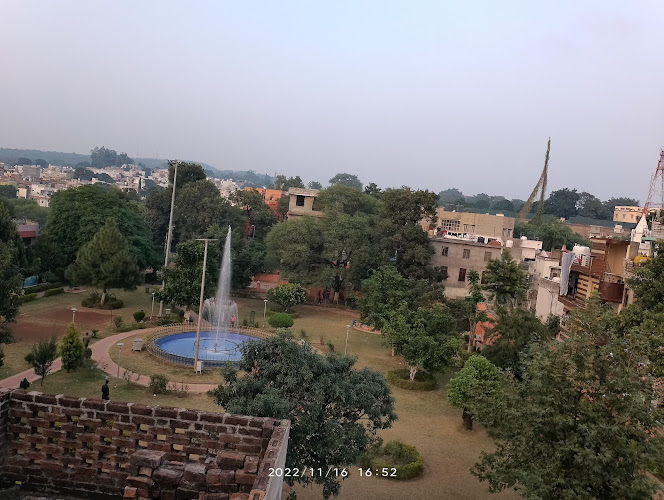
Nagrota Park
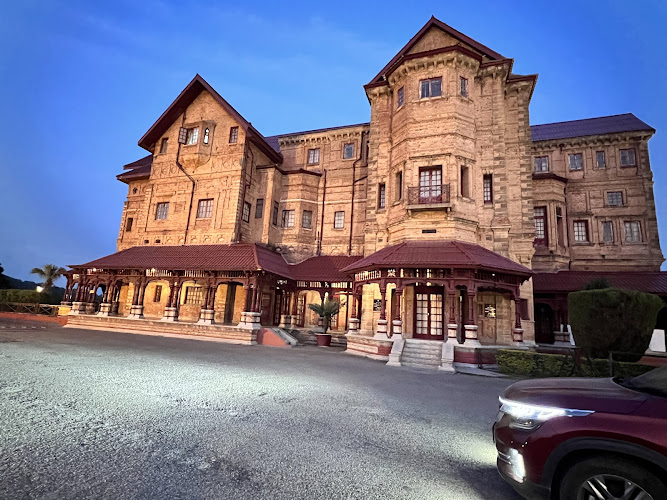
Amar Mahal Museum and Library
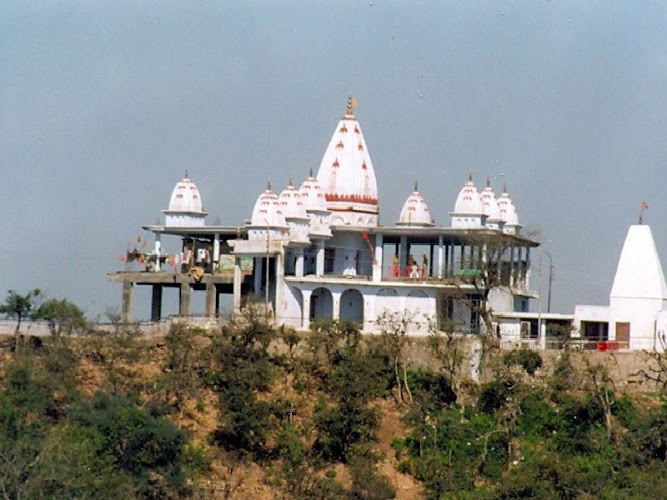
Maha Maya Temple
Find Accommodations Nearby
Recommended Tours & Activities
Visitor Reviews
There are no reviews yet. Be the first one to write one.
Share Your Experience
Have you visited Gol Ghar? Help other travelers by leaving a review.