About Bahu Fort

Description

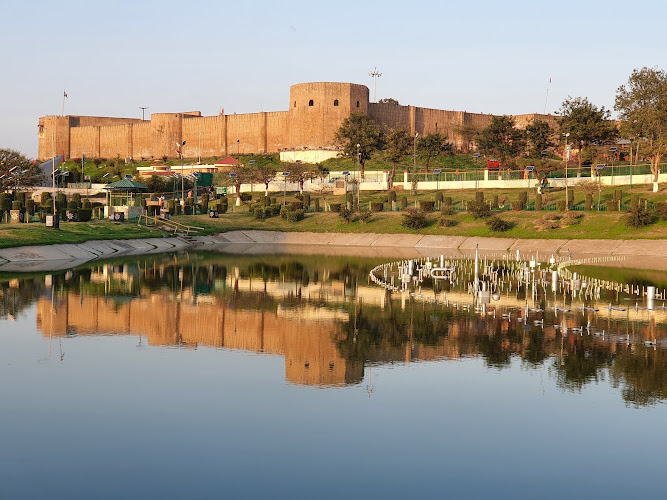
Bahu Fort stands as one of those remarkable pieces of history that makes you wonder about all the stories its walls could tell if they could talk. This ancient sandstone fortress perches majestically on a rocky plateau overlooking the Tawi River in Jammu, and honestly, it's the kind of place that catches you off guard with its raw architectural power and spiritual significance. The fort itself is believed to date back nearly 3,000 years, though the exact origins get a bit murky depending on which historical account you're reading. What we do know for certain is that Raja Bahulochan originally constructed it, and later rulers kept adding their own touches throughout the centuries. The Dogra kings particularly left their mark here, transforming it into the structure travelers encounter today. What really sets Bahu Fort apart from other historical monuments is the presence of the Mahakali Temple right within its premises. This isn't just any temple either - it's one of the most revered shrines dedicated to Goddess Kali in North India. The combination of military architecture and deep religious significance creates this unique atmosphere that you don't find everywhere. I've visited several forts across India, and there's something genuinely different about places where spirituality and defense coexisted so intimately. The sandstone construction gives the fort this warm, golden glow during certain times of day that photographers absolutely love. And the plateau location? It offers panoramic views of Jammu city and the surrounding landscape that'll have you reaching for your camera every few minutes. The fort complex includes battlements, watchtowers, and old fortifications that transport visitors back to an era when these structures genuinely protected kingdoms.

Key Features

The Bahu Fort offers visitors several distinctive elements that make the journey worthwhile:
  • Ancient Architecture - The sandstone construction showcases traditional military design with thick walls, strategic positioning, and defensive structures that have withstood centuries of weathering and conflict
  • Mahakali Temple - This sacred Hindu shrine attracts thousands of devotees, particularly during Navratri festivals when the spiritual energy here reaches incredible levels
  • Terraced Gardens - The Bagh-e-Bahu gardens surrounding the fort were added more recently and provide beautifully maintained green spaces with fountains, walking paths, and recreational areas for families
  • Panoramic Viewpoints - Multiple vantage points throughout the fort offer sweeping views of Jammu city, the Tawi River, and the distant mountain ranges
  • Historic Watchtowers - Several original watchtowers still stand, giving visitors insight into how guards monitored approaching threats from all directions
  • Underground Passages - Though not all are accessible to tourists, the fort contains ancient underground tunnels that were used for emergency evacuations and secret movements
  • Cultural Events Space - The fort grounds regularly host cultural programs, light and sound shows, and traditional performances that bring history to life
  • Evening Illumination - After sunset, the fort gets illuminated with lights that highlight its architectural features and create a magical atmosphere

Best Time to Visit

Timing your visit to Bahu Fort can make a significant difference in your overall experience. The region experiences pretty extreme temperature variations throughout the year, so choosing wisely matters. October through March represents the ideal window for most travelers. During these months, temperatures stay comfortable, ranging from about 10 to 25 degrees Celsius. You can explore the fort grounds without feeling like you're melting, which is definitely a plus when you're climbing around ancient stone structures. I personally think late October and November are particularly lovely - the weather's pleasant, and the Diwali season often brings special celebrations to the Mahakali Temple. Winter months from December to February bring cooler temperatures, sometimes dropping near freezing during early mornings and late evenings. But if you don't mind bundling up a bit, winter offers crystal-clear skies and excellent visibility for those panoramic views. Plus, smaller crowds mean you can take your time exploring without feeling rushed. The Navratri festivals in spring and autumn draw massive crowds to the Mahakali Temple. If you're interested in experiencing the fort at its most spiritually alive, these nine-day periods are unbeatable. However, expect significant crowds, longer wait times at the temple, and a generally more chaotic atmosphere. Some travelers love this energy; others prefer quieter visits. Monsoon season from July through September brings its own challenges. Heavy rainfall can make the fort grounds slippery, and the humidity gets pretty intense. But there's something undeniably dramatic about seeing the ancient fort surrounded by rain clouds and mist. Just be prepared with proper footwear and rain gear. Summer months of April through June? I'd personally skip them unless you're really comfortable with heat. Temperatures regularly exceed 40 degrees Celsius, and walking around exposed stone surfaces under that blazing sun isn't most people's idea of a good time.

How to Get There

Getting to Bahu Fort is remarkably straightforward, which is part of what makes it such an accessible historical destination. The fort sits just about 5 kilometers from the heart of Jammu city, making it an easy half-day excursion or even a quick evening visit. If you're flying in, Jammu Airport (officially Satwari Airport) is your closest air connection. The airport receives regular flights from major Indian cities including Delhi, Mumbai, and Bangalore. From the airport, Bahu Fort is roughly 15 kilometers away - about a 30-40 minute drive depending on traffic conditions. You'll find plenty of taxi services and app-based ride options available right outside the airport terminal. For train travelers, Jammu Tawi Railway Station serves as the main railhead. It's well-connected to major cities across India, and from the station, the fort is only about 6 kilometers away. Auto-rickshaws and local taxis are abundant outside the railway station, and drivers all know Bahu Fort well. The ride takes maybe 15-20 minutes in normal traffic. Local transportation within Jammu makes reaching the fort quite convenient. Auto-rickshaws are probably the most popular option - they're affordable, and drivers can navigate the local roads efficiently. You can also use app-based services like Ola or Uber, which operate in Jammu and often offer clearer pricing upfront. For those who prefer public transportation, local buses run regularly toward the Bahu Fort area, though you might need to ask locals for the specific route numbers since they tend to change. The bus option is definitely the most budget-friendly approach. If you're driving yourself or hiring a private vehicle, the fort is well-signposted from various points in Jammu. Parking facilities are available near the fort and the Bagh-e-Bahu gardens, though spaces can fill up quickly during festivals and weekends.

Tips for Visiting

Making the most of your Bahu Fort experience requires some practical planning and awareness of local customs and conditions. Temple dress code matters here. Since the Mahakali Temple is an active place of worship, visitors should dress modestly - covering shoulders and knees is expected. Many devotees remove their shoes before entering the temple area, and you'll likely be expected to do the same. There are designated shoe-keeping areas, but I'd recommend bringing a bag to carry your footwear yourself if you're particular about such things. Timing your visit strategically can dramatically affect your experience. Weekday mornings, particularly Tuesday through Thursday, tend to be quieter. Weekends bring local families and domestic tourists in large numbers. Tuesday and Sunday hold special significance for Kali worship, so the temple area gets particularly crowded on these days. Photography is generally allowed throughout the fort grounds, but be respectful inside the temple premises. Some areas prohibit photography, and signs should indicate these restrictions. Always ask permission before photographing people, especially devotees engaged in worship. Bring water and some light snacks, though you'll find vendors selling refreshments near the entrance and gardens. The fort exploration involves a fair amount of walking and some climbing, so staying hydrated matters. There are small shops and stalls around the area, but prices can be slightly inflated compared to city rates. Comfortable walking shoes are non-negotiable. The fort involves uneven stone surfaces, steps, and inclines. Those fancy sandals or brand new shoes you're breaking in? Leave them at the hotel. Your feet will thank you. If you're visiting during festivals, arrive early - preferably before 8 AM. The crowds swell dramatically by mid-morning during Navratri and other significant religious occasions. Early arrival also means you'll experience the fort in softer morning light, which is genuinely beautiful. The evening light and sound show, when operational, offers an engaging way to learn about the fort's history. Check current schedules and book tickets in advance if possible, as shows can fill up during peak tourist season. Security checks are standard practice at the entrance. Avoid bringing large bags or unnecessary items that might slow down the screening process. Basic security measures are in place given the fort's cultural and historical importance. Local guides offer their services near the entrance, and hiring one can significantly enrich your understanding of the fort's history and architecture. Rates are negotiable, but expect to pay somewhere between 300-500 rupees for a comprehensive tour. A good guide will share stories and historical details you'd otherwise miss completely. The Bagh-e-Bahu gardens adjacent to the fort make for a pleasant addition to your visit. These well-maintained gardens offer a more relaxed atmosphere if the fort exploration feels too intense or crowded. There's also an aquarium within the garden complex that kids particularly enjoy. Respect the sanctity of the temple and the historical significance of the fort. This isn't just a tourist attraction - it's a living place of worship and a protected heritage site. Treating it with appropriate reverence ensures these places remain accessible and well-preserved for future generations of travelers and devotees alike.

Key Features

  • Ancient sandstone fortifications with layered Rajput and Dogra-era repairs
  • Bave Wali Mata temple located within the fort complex
  • Bagh-e-Bahu terraced gardens overlooking the Tawi River
  • Panoramic views of Jammu and the Tawi river valley, excellent at sunset
  • Easy access from central Jammu and integration of history, culture and leisure

More Details

Updated March 30, 2026

Description

Bahu Fort stands as one of those remarkable pieces of history that makes you wonder about all the stories its walls could tell if they could talk. This ancient sandstone fortress perches majestically on a rocky plateau overlooking the Tawi River in Jammu, and honestly, it’s the kind of place that catches you off guard with its raw architectural power and spiritual significance.

The fort itself is believed to date back nearly 3,000 years, though the exact origins get a bit murky depending on which historical account you’re reading. What we do know for certain is that Raja Bahulochan originally constructed it, and later rulers kept adding their own touches throughout the centuries. The Dogra kings particularly left their mark here, transforming it into the structure travelers encounter today.

What really sets Bahu Fort apart from other historical monuments is the presence of the Mahakali Temple right within its premises. This isn’t just any temple either – it’s one of the most revered shrines dedicated to Goddess Kali in North India. The combination of military architecture and deep religious significance creates this unique atmosphere that you don’t find everywhere. I’ve visited several forts across India, and there’s something genuinely different about places where spirituality and defense coexisted so intimately.

The sandstone construction gives the fort this warm, golden glow during certain times of day that photographers absolutely love. And the plateau location? It offers panoramic views of Jammu city and the surrounding landscape that’ll have you reaching for your camera every few minutes. The fort complex includes battlements, watchtowers, and old fortifications that transport visitors back to an era when these structures genuinely protected kingdoms.

Key Features

The Bahu Fort offers visitors several distinctive elements that make the journey worthwhile:

  • Ancient Architecture – The sandstone construction showcases traditional military design with thick walls, strategic positioning, and defensive structures that have withstood centuries of weathering and conflict
  • Mahakali Temple – This sacred Hindu shrine attracts thousands of devotees, particularly during Navratri festivals when the spiritual energy here reaches incredible levels
  • Terraced Gardens – The Bagh-e-Bahu gardens surrounding the fort were added more recently and provide beautifully maintained green spaces with fountains, walking paths, and recreational areas for families
  • Panoramic Viewpoints – Multiple vantage points throughout the fort offer sweeping views of Jammu city, the Tawi River, and the distant mountain ranges
  • Historic Watchtowers – Several original watchtowers still stand, giving visitors insight into how guards monitored approaching threats from all directions
  • Underground Passages – Though not all are accessible to tourists, the fort contains ancient underground tunnels that were used for emergency evacuations and secret movements
  • Cultural Events Space – The fort grounds regularly host cultural programs, light and sound shows, and traditional performances that bring history to life
  • Evening Illumination – After sunset, the fort gets illuminated with lights that highlight its architectural features and create a magical atmosphere

Best Time to Visit

Timing your visit to Bahu Fort can make a significant difference in your overall experience. The region experiences pretty extreme temperature variations throughout the year, so choosing wisely matters.

October through March represents the ideal window for most travelers. During these months, temperatures stay comfortable, ranging from about 10 to 25 degrees Celsius. You can explore the fort grounds without feeling like you’re melting, which is definitely a plus when you’re climbing around ancient stone structures. I personally think late October and November are particularly lovely – the weather’s pleasant, and the Diwali season often brings special celebrations to the Mahakali Temple.

Winter months from December to February bring cooler temperatures, sometimes dropping near freezing during early mornings and late evenings. But if you don’t mind bundling up a bit, winter offers crystal-clear skies and excellent visibility for those panoramic views. Plus, smaller crowds mean you can take your time exploring without feeling rushed.

The Navratri festivals in spring and autumn draw massive crowds to the Mahakali Temple. If you’re interested in experiencing the fort at its most spiritually alive, these nine-day periods are unbeatable. However, expect significant crowds, longer wait times at the temple, and a generally more chaotic atmosphere. Some travelers love this energy; others prefer quieter visits.

Monsoon season from July through September brings its own challenges. Heavy rainfall can make the fort grounds slippery, and the humidity gets pretty intense. But there’s something undeniably dramatic about seeing the ancient fort surrounded by rain clouds and mist. Just be prepared with proper footwear and rain gear.

Summer months of April through June? I’d personally skip them unless you’re really comfortable with heat. Temperatures regularly exceed 40 degrees Celsius, and walking around exposed stone surfaces under that blazing sun isn’t most people’s idea of a good time.

How to Get There

Getting to Bahu Fort is remarkably straightforward, which is part of what makes it such an accessible historical destination. The fort sits just about 5 kilometers from the heart of Jammu city, making it an easy half-day excursion or even a quick evening visit.

If you’re flying in, Jammu Airport (officially Satwari Airport) is your closest air connection. The airport receives regular flights from major Indian cities including Delhi, Mumbai, and Bangalore. From the airport, Bahu Fort is roughly 15 kilometers away – about a 30-40 minute drive depending on traffic conditions. You’ll find plenty of taxi services and app-based ride options available right outside the airport terminal.

For train travelers, Jammu Tawi Railway Station serves as the main railhead. It’s well-connected to major cities across India, and from the station, the fort is only about 6 kilometers away. Auto-rickshaws and local taxis are abundant outside the railway station, and drivers all know Bahu Fort well. The ride takes maybe 15-20 minutes in normal traffic.

Local transportation within Jammu makes reaching the fort quite convenient. Auto-rickshaws are probably the most popular option – they’re affordable, and drivers can navigate the local roads efficiently. You can also use app-based services like Ola or Uber, which operate in Jammu and often offer clearer pricing upfront.

For those who prefer public transportation, local buses run regularly toward the Bahu Fort area, though you might need to ask locals for the specific route numbers since they tend to change. The bus option is definitely the most budget-friendly approach.

If you’re driving yourself or hiring a private vehicle, the fort is well-signposted from various points in Jammu. Parking facilities are available near the fort and the Bagh-e-Bahu gardens, though spaces can fill up quickly during festivals and weekends.

Tips for Visiting

Making the most of your Bahu Fort experience requires some practical planning and awareness of local customs and conditions.

Temple dress code matters here. Since the Mahakali Temple is an active place of worship, visitors should dress modestly – covering shoulders and knees is expected. Many devotees remove their shoes before entering the temple area, and you’ll likely be expected to do the same. There are designated shoe-keeping areas, but I’d recommend bringing a bag to carry your footwear yourself if you’re particular about such things.

Timing your visit strategically can dramatically affect your experience. Weekday mornings, particularly Tuesday through Thursday, tend to be quieter. Weekends bring local families and domestic tourists in large numbers. Tuesday and Sunday hold special significance for Kali worship, so the temple area gets particularly crowded on these days.

Photography is generally allowed throughout the fort grounds, but be respectful inside the temple premises. Some areas prohibit photography, and signs should indicate these restrictions. Always ask permission before photographing people, especially devotees engaged in worship.

Bring water and some light snacks, though you’ll find vendors selling refreshments near the entrance and gardens. The fort exploration involves a fair amount of walking and some climbing, so staying hydrated matters. There are small shops and stalls around the area, but prices can be slightly inflated compared to city rates.

Comfortable walking shoes are non-negotiable. The fort involves uneven stone surfaces, steps, and inclines. Those fancy sandals or brand new shoes you’re breaking in? Leave them at the hotel. Your feet will thank you.

If you’re visiting during festivals, arrive early – preferably before 8 AM. The crowds swell dramatically by mid-morning during Navratri and other significant religious occasions. Early arrival also means you’ll experience the fort in softer morning light, which is genuinely beautiful.

The evening light and sound show, when operational, offers an engaging way to learn about the fort’s history. Check current schedules and book tickets in advance if possible, as shows can fill up during peak tourist season.

Security checks are standard practice at the entrance. Avoid bringing large bags or unnecessary items that might slow down the screening process. Basic security measures are in place given the fort’s cultural and historical importance.

Local guides offer their services near the entrance, and hiring one can significantly enrich your understanding of the fort’s history and architecture. Rates are negotiable, but expect to pay somewhere between 300-500 rupees for a comprehensive tour. A good guide will share stories and historical details you’d otherwise miss completely.

The Bagh-e-Bahu gardens adjacent to the fort make for a pleasant addition to your visit. These well-maintained gardens offer a more relaxed atmosphere if the fort exploration feels too intense or crowded. There’s also an aquarium within the garden complex that kids particularly enjoy.

Respect the sanctity of the temple and the historical significance of the fort. This isn’t just a tourist attraction – it’s a living place of worship and a protected heritage site. Treating it with appropriate reverence ensures these places remain accessible and well-preserved for future generations of travelers and devotees alike.

Key Highlights

  • Ancient sandstone fortifications with layered Rajput and Dogra-era repairs
  • Bave Wali Mata temple located within the fort complex
  • Bagh-e-Bahu terraced gardens overlooking the Tawi River
  • Panoramic views of Jammu and the Tawi river valley, excellent at sunset
  • Easy access from central Jammu and integration of history, culture and leisure

Location

Places to Stay Near Bahu Fort

Find and Book a Tour

Explore More Travel Guides

No reviews found! Be the first to review!

Bahu Fort is a prominent Attractions located in Jammu.

Visit us at: Bahu Fort, Gorkha Nagar, Jammu, Jammu and Kashmir 180006.

Traveler Reviews for Bahu Fort

There are no reviews yet. Be the first one to write one.

Share Your Experience

Have you visited Bahu Fort? Help other travelers by sharing your review.

Nearby Attractions

Bagh-e-Bahu (historic terraced garden adjacent to the fort) Tawi River promenades and viewpoints Jammu city center (markets and cultural sites)

Find Accommodations Nearby

Recommended Tours & Activities

Visitor Reviews

There are no reviews yet. Be the first one to write one.

Share Your Experience

Have you visited Bahu Fort? Help other travelers by leaving a review.