
Amar Mahal Museum and Library
About Amar Mahal Museum and Library
Description
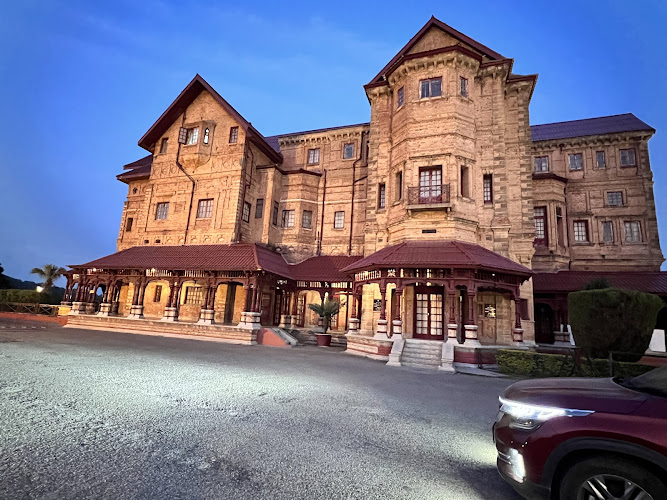
The Amar Mahal Museum and Library stands as one of Jammu's most fascinating cultural treasures, though honestly it doesn't get nearly the attention it deserves from travelers rushing through the region. This former royal palace turned museum offers visitors a genuine glimpse into the opulent lifestyle of Jammu's Dogra dynasty, and trust me when I say the experience feels refreshingly authentic compared to some overly commercialized heritage sites you might encounter elsewhere in India. Walking through these halls feels like stepping into a different era entirely. The palace itself was built in the 19th century and served as the residence of Raja Amar Singh, and the architecture beautifully blends French chateau-style design with traditional elements that reflect the region's unique character. The red sandstone exterior catches the light in this almost magical way during golden hour, creating photo opportunities that'll make your Instagram followers seriously jealous. What really sets this place apart is the remarkable collection housed within its walls. The museum showcases an impressive array of miniature paintings, antique manuscripts, and classical musical instruments that tell stories spanning centuries. But the real showstopper – and I mean this literally made my jaw drop when I first learned about it – is the solid gold throne weighing around 120 kilograms. Yes, you read that right. A throne made of actual gold sits in one of the display rooms, gleaming under carefully positioned lighting that makes the whole experience feel surreal. The library section contains rare books and manuscripts that'll appeal to history buffs and literature enthusiasts alike. Some of these volumes date back several hundred years, preserved with care that speaks to the institution's dedication to cultural conservation. And while not everyone gets excited about old books (I get it), there's something undeniably moving about being in the same room as texts that survived wars, political upheavals, and the simple passage of time.Key Features
The Amar Mahal Museum and Library offers several distinctive features that make it worth carving out time from your Jammu itinerary:- The spectacular gold throne that served ceremonial purposes for the royal family and remains one of the most photographed artifacts in the entire museum collection
- An extensive gallery of miniature Pahari paintings showcasing the artistic traditions that flourished in the hill kingdoms of northern India, with intricate details you'll need to see up close to truly appreciate
- A remarkable collection of antique manuscripts written in various scripts including Persian, Urdu, and Sanskrit, some dating back to the medieval period
- Traditional Dogra art and artifacts that provide context about the region's cultural heritage beyond what you'll find in standard guidebooks
- Classical musical instruments from different eras, including some rare pieces that are no longer commonly played in contemporary performances
- Personal belongings of the royal family including clothing, jewelry, and everyday items that humanize these historical figures in ways formal portraits never could
- Beautiful architectural details throughout the palace including ornate woodwork, period furniture, and decorative elements that survived the building's conversion from residence to museum
- A research library that attracts scholars studying regional history, though casual visitors can also request access with proper permissions
- Wheelchair accessibility throughout the facility including entrance ramps, parking, and restrooms making it one of the more accessible heritage sites in the region
- Onsite restaurant facilities where you can grab refreshments without having to leave the premises and lose your parking spot
Best Time to Visit
Timing your visit to the Amar Mahal Museum can significantly impact your experience, and I've learned this through both research and talking to people who've been there during different seasons. The museum operates year-round, but that doesn't mean all seasons offer equally pleasant conditions for exploring. October through March represents the ideal visiting window for most travelers. The weather in Jammu during these months stays comfortable and cool, making it pleasant to walk around the museum grounds and spend time exploring without feeling like you're melting into a puddle. Winter mornings can get a bit chilly, so bringing a light jacket isn't a bad idea even though you'll be mostly indoors. Summer months from April to June get pretty intense in Jammu with temperatures climbing well into the high 30s Celsius. The museum itself stays relatively cool inside, but the walk from the parking area and any outdoor photography you want to do might leave you uncomfortable. That said, if summer is your only option, early morning visits right when the museum opens can help you beat both the heat and the crowds. Monsoon season from July through September brings its own challenges. While the surrounding landscape turns beautifully green and the temperatures drop, the rain can make getting around trickier and might interfere with your photography plans if you're hoping for those perfect exterior shots of the palace. Weekdays generally offer a more peaceful experience compared to weekends when local families and school groups tend to visit in larger numbers. But honestly the museum rarely gets so crowded that it ruins the experience – this isn't the Taj Mahal we're talking about here. Mid-morning around 10 AM or early afternoon around 2 PM typically sees fewer visitors than right at opening or closing times. If you're someone who enjoys cultural festivals, planning your visit to coincide with local celebrations in Jammu can add extra dimension to your trip, though the museum itself doesn't host special events regularly. The city comes alive during festivals like Baisakhi or Lohri, and experiencing the museum as part of a broader cultural immersion makes the whole journey more memorable.How to Get There
Getting to the Amar Mahal Museum requires a bit of planning, but it's not nearly as complicated as navigating some other Indian heritage sites I could mention. The museum sits in Jammu city, which serves as the winter capital of Jammu and Kashmir, so you've got multiple transportation options depending on where you're starting from. By air, Jammu Airport (officially called Satwari Airport) is your closest option, located roughly 6 kilometers from the city center. The airport handles regular flights from Delhi, Mumbai, and other major Indian cities. From the airport, you can hire a taxi or use ride-sharing apps that operate in Jammu to reach the museum. The drive takes about 20-30 minutes depending on traffic, which can get unexpectedly heavy during peak hours. The Jammu Tawi railway station connects the city to India's extensive rail network, with trains arriving from Delhi, Kolkata, Mumbai, and numerous other destinations. From the railway station, the museum sits approximately 5 kilometers away. Auto-rickshaws, taxis, and app-based cabs all work as viable transport options for this short journey. If you're comfortable with local transport, shared auto-rickshaws offer a budget-friendly option though they might take a slightly longer route. Road connectivity to Jammu is excellent, with National Highway 44 linking it to cities across northern India. If you're doing a road trip through the region – which honestly is a fantastic way to see this part of the country – you can easily include the museum in your itinerary. The roads are generally well-maintained, though mountain driving requires attention and experience if you're coming from higher altitude areas. Within Jammu city itself, the museum is well-known enough that most local drivers will recognize it by name. The palace sits in a relatively prominent location, and you won't need to provide complicated directions. Free parking is available onsite, which is genuinely convenient and not something you can take for granted at every attraction. For budget travelers, local buses run throughout Jammu and can get you reasonably close to the museum, though you might need to walk a short distance from the bus stop. Just be prepared for buses to run on their own unique schedule that doesn't always align with posted timetables.Tips for Visiting
Making the most of your visit to the Amar Mahal Museum involves more than just showing up at the entrance. Here are practical tips gathered from experience and conversations with regular visitors that'll help you avoid common mistakes and enhance your experience. Photography rules deserve your attention before you start snapping away. While exterior photographs are generally permitted, indoor photography policies can be strict, particularly in rooms containing the most valuable artifacts. Some areas allow photography without flash for a small additional fee, while others prohibit cameras entirely to protect light-sensitive materials. Ask at the ticket counter about current photography policies rather than assuming, because rules can change and getting called out by security mid-visit isn't fun for anyone. Allocate at least two to three hours for a thorough visit if you're genuinely interested in the collections. Sure, you could rush through in an hour, but you'd be shortchanging yourself. The museum rewards patient observation and taking time to read the descriptions accompanying various artifacts. I know not everyone loves museum plaques, but they provide context that transforms objects from "old stuff" into meaningful historical pieces. Dress modestly and comfortably since you'll be walking through a former palace that still commands a certain level of respect. While there isn't a strict dress code, covering shoulders and knees shows cultural sensitivity. Comfortable walking shoes matter more than you might think – those palace floors can be hard on feet after a couple hours. The onsite restaurant offers basic refreshments, but don't expect gourmet dining. It serves its purpose for a quick snack or chai break, but food enthusiasts might want to save their appetites for the excellent restaurants in Jammu city proper. Bringing a water bottle is smart, especially during warmer months. Guided tours aren't always readily available, so if you want expert commentary about the collections, you might need to arrange this in advance by contacting the museum administration. Self-guided visits work perfectly well with the available signage, but having a knowledgeable guide can reveal stories and details you'd otherwise miss completely. The museum maintains fairly standard operating hours, typically opening around 9 or 10 AM and closing by 5 or 6 PM, but these can vary seasonally and on public holidays. Calling ahead or checking current timings before making the journey saves disappointment. The museum may close on certain public holidays, so planning around major festival dates requires verification. Entry fees remain quite reasonable by international standards, making this an accessible attraction for budget-conscious travelers. Keep some cash handy as card payment facilities aren't always reliable at smaller museums, even ones as significant as this. Accessibility features including wheelchair ramps and accessible restrooms make this museum notably inclusive. If you're traveling with elderly family members or anyone with mobility challenges, the Amar Mahal accommodates visitors better than many heritage sites in the region where accessibility seems like an afterthought. Combining your museum visit with other Jammu attractions makes logistical sense. The Bahu Fort, Raghunath Temple, and Mubarak Mandi Palace complex are all within reasonable distance, allowing you to experience multiple facets of Jammu's heritage in a single day if you start early enough. Finally, approach your visit with realistic expectations. This isn't a massive metropolitan museum with interactive displays and multimedia presentations. It's a thoughtfully preserved royal palace showcasing genuine artifacts in a setting that prioritizes authenticity over flashy presentation. And honestly? That's exactly what makes it special.Key Features
- The spectacular gold throne that served ceremonial purposes for the royal family and remains one of the most photographed artifacts in the entire museum collection
- A remarkable collection of antique manuscripts written in various scripts including Persian, Urdu, and Sanskrit, some dating back to the medieval period
- Traditional Dogra art and artifacts that provide context about the region's cultural heritage beyond what you'll find in standard guidebooks
- Classical musical instruments from different eras, including some rare pieces that are no longer commonly played in contemporary performances
- Personal belongings of the royal family including clothing, jewelry, and everyday items that humanize these historical figures in ways formal portraits never could
- Beautiful architectural details throughout the palace including ornate woodwork, period furniture, and decorative elements that survived the building's conversion from residence to museum
- A research library that attracts scholars studying regional history, though casual visitors can also request access with proper permissions
More Details
Updated March 30, 2026
Table of Contents
Description
The Amar Mahal Museum and Library stands as one of Jammu’s most fascinating cultural treasures, though honestly it doesn’t get nearly the attention it deserves from travelers rushing through the region. This former royal palace turned museum offers visitors a genuine glimpse into the opulent lifestyle of Jammu’s Dogra dynasty, and trust me when I say the experience feels refreshingly authentic compared to some overly commercialized heritage sites you might encounter elsewhere in India.
Walking through these halls feels like stepping into a different era entirely. The palace itself was built in the 19th century and served as the residence of Raja Amar Singh, and the architecture beautifully blends French chateau-style design with traditional elements that reflect the region’s unique character. The red sandstone exterior catches the light in this almost magical way during golden hour, creating photo opportunities that’ll make your Instagram followers seriously jealous.
What really sets this place apart is the remarkable collection housed within its walls. The museum showcases an impressive array of miniature paintings, antique manuscripts, and classical musical instruments that tell stories spanning centuries. But the real showstopper – and I mean this literally made my jaw drop when I first learned about it – is the solid gold throne weighing around 120 kilograms. Yes, you read that right. A throne made of actual gold sits in one of the display rooms, gleaming under carefully positioned lighting that makes the whole experience feel surreal.
The library section contains rare books and manuscripts that’ll appeal to history buffs and literature enthusiasts alike. Some of these volumes date back several hundred years, preserved with care that speaks to the institution’s dedication to cultural conservation. And while not everyone gets excited about old books (I get it), there’s something undeniably moving about being in the same room as texts that survived wars, political upheavals, and the simple passage of time.
Key Features
The Amar Mahal Museum and Library offers several distinctive features that make it worth carving out time from your Jammu itinerary:
- The spectacular gold throne that served ceremonial purposes for the royal family and remains one of the most photographed artifacts in the entire museum collection
- An extensive gallery of miniature Pahari paintings showcasing the artistic traditions that flourished in the hill kingdoms of northern India, with intricate details you’ll need to see up close to truly appreciate
- A remarkable collection of antique manuscripts written in various scripts including Persian, Urdu, and Sanskrit, some dating back to the medieval period
- Traditional Dogra art and artifacts that provide context about the region’s cultural heritage beyond what you’ll find in standard guidebooks
- Classical musical instruments from different eras, including some rare pieces that are no longer commonly played in contemporary performances
- Personal belongings of the royal family including clothing, jewelry, and everyday items that humanize these historical figures in ways formal portraits never could
- Beautiful architectural details throughout the palace including ornate woodwork, period furniture, and decorative elements that survived the building’s conversion from residence to museum
- A research library that attracts scholars studying regional history, though casual visitors can also request access with proper permissions
- Wheelchair accessibility throughout the facility including entrance ramps, parking, and restrooms making it one of the more accessible heritage sites in the region
- Onsite restaurant facilities where you can grab refreshments without having to leave the premises and lose your parking spot
Best Time to Visit
Timing your visit to the Amar Mahal Museum can significantly impact your experience, and I’ve learned this through both research and talking to people who’ve been there during different seasons. The museum operates year-round, but that doesn’t mean all seasons offer equally pleasant conditions for exploring.
October through March represents the ideal visiting window for most travelers. The weather in Jammu during these months stays comfortable and cool, making it pleasant to walk around the museum grounds and spend time exploring without feeling like you’re melting into a puddle. Winter mornings can get a bit chilly, so bringing a light jacket isn’t a bad idea even though you’ll be mostly indoors.
Summer months from April to June get pretty intense in Jammu with temperatures climbing well into the high 30s Celsius. The museum itself stays relatively cool inside, but the walk from the parking area and any outdoor photography you want to do might leave you uncomfortable. That said, if summer is your only option, early morning visits right when the museum opens can help you beat both the heat and the crowds.
Monsoon season from July through September brings its own challenges. While the surrounding landscape turns beautifully green and the temperatures drop, the rain can make getting around trickier and might interfere with your photography plans if you’re hoping for those perfect exterior shots of the palace.
Weekdays generally offer a more peaceful experience compared to weekends when local families and school groups tend to visit in larger numbers. But honestly the museum rarely gets so crowded that it ruins the experience – this isn’t the Taj Mahal we’re talking about here. Mid-morning around 10 AM or early afternoon around 2 PM typically sees fewer visitors than right at opening or closing times.
If you’re someone who enjoys cultural festivals, planning your visit to coincide with local celebrations in Jammu can add extra dimension to your trip, though the museum itself doesn’t host special events regularly. The city comes alive during festivals like Baisakhi or Lohri, and experiencing the museum as part of a broader cultural immersion makes the whole journey more memorable.
How to Get There
Getting to the Amar Mahal Museum requires a bit of planning, but it’s not nearly as complicated as navigating some other Indian heritage sites I could mention. The museum sits in Jammu city, which serves as the winter capital of Jammu and Kashmir, so you’ve got multiple transportation options depending on where you’re starting from.
By air, Jammu Airport (officially called Satwari Airport) is your closest option, located roughly 6 kilometers from the city center. The airport handles regular flights from Delhi, Mumbai, and other major Indian cities. From the airport, you can hire a taxi or use ride-sharing apps that operate in Jammu to reach the museum. The drive takes about 20-30 minutes depending on traffic, which can get unexpectedly heavy during peak hours.
The Jammu Tawi railway station connects the city to India’s extensive rail network, with trains arriving from Delhi, Kolkata, Mumbai, and numerous other destinations. From the railway station, the museum sits approximately 5 kilometers away. Auto-rickshaws, taxis, and app-based cabs all work as viable transport options for this short journey. If you’re comfortable with local transport, shared auto-rickshaws offer a budget-friendly option though they might take a slightly longer route.
Road connectivity to Jammu is excellent, with National Highway 44 linking it to cities across northern India. If you’re doing a road trip through the region – which honestly is a fantastic way to see this part of the country – you can easily include the museum in your itinerary. The roads are generally well-maintained, though mountain driving requires attention and experience if you’re coming from higher altitude areas.
Within Jammu city itself, the museum is well-known enough that most local drivers will recognize it by name. The palace sits in a relatively prominent location, and you won’t need to provide complicated directions. Free parking is available onsite, which is genuinely convenient and not something you can take for granted at every attraction.
For budget travelers, local buses run throughout Jammu and can get you reasonably close to the museum, though you might need to walk a short distance from the bus stop. Just be prepared for buses to run on their own unique schedule that doesn’t always align with posted timetables.
Tips for Visiting
Making the most of your visit to the Amar Mahal Museum involves more than just showing up at the entrance. Here are practical tips gathered from experience and conversations with regular visitors that’ll help you avoid common mistakes and enhance your experience.
Photography rules deserve your attention before you start snapping away. While exterior photographs are generally permitted, indoor photography policies can be strict, particularly in rooms containing the most valuable artifacts. Some areas allow photography without flash for a small additional fee, while others prohibit cameras entirely to protect light-sensitive materials. Ask at the ticket counter about current photography policies rather than assuming, because rules can change and getting called out by security mid-visit isn’t fun for anyone.
Allocate at least two to three hours for a thorough visit if you’re genuinely interested in the collections. Sure, you could rush through in an hour, but you’d be shortchanging yourself. The museum rewards patient observation and taking time to read the descriptions accompanying various artifacts. I know not everyone loves museum plaques, but they provide context that transforms objects from “old stuff” into meaningful historical pieces.
Dress modestly and comfortably since you’ll be walking through a former palace that still commands a certain level of respect. While there isn’t a strict dress code, covering shoulders and knees shows cultural sensitivity. Comfortable walking shoes matter more than you might think – those palace floors can be hard on feet after a couple hours.
The onsite restaurant offers basic refreshments, but don’t expect gourmet dining. It serves its purpose for a quick snack or chai break, but food enthusiasts might want to save their appetites for the excellent restaurants in Jammu city proper. Bringing a water bottle is smart, especially during warmer months.
Guided tours aren’t always readily available, so if you want expert commentary about the collections, you might need to arrange this in advance by contacting the museum administration. Self-guided visits work perfectly well with the available signage, but having a knowledgeable guide can reveal stories and details you’d otherwise miss completely.
The museum maintains fairly standard operating hours, typically opening around 9 or 10 AM and closing by 5 or 6 PM, but these can vary seasonally and on public holidays. Calling ahead or checking current timings before making the journey saves disappointment. The museum may close on certain public holidays, so planning around major festival dates requires verification.
Entry fees remain quite reasonable by international standards, making this an accessible attraction for budget-conscious travelers. Keep some cash handy as card payment facilities aren’t always reliable at smaller museums, even ones as significant as this.
Accessibility features including wheelchair ramps and accessible restrooms make this museum notably inclusive. If you’re traveling with elderly family members or anyone with mobility challenges, the Amar Mahal accommodates visitors better than many heritage sites in the region where accessibility seems like an afterthought.
Combining your museum visit with other Jammu attractions makes logistical sense. The Bahu Fort, Raghunath Temple, and Mubarak Mandi Palace complex are all within reasonable distance, allowing you to experience multiple facets of Jammu’s heritage in a single day if you start early enough.
Finally, approach your visit with realistic expectations. This isn’t a massive metropolitan museum with interactive displays and multimedia presentations. It’s a thoughtfully preserved royal palace showcasing genuine artifacts in a setting that prioritizes authenticity over flashy presentation. And honestly? That’s exactly what makes it special.
Key Highlights
- The spectacular gold throne that served ceremonial purposes for the royal family and remains one of the most photographed artifacts in the entire museum collection
- A remarkable collection of antique manuscripts written in various scripts including Persian, Urdu, and Sanskrit, some dating back to the medieval period
- Traditional Dogra art and artifacts that provide context about the region's cultural heritage beyond what you'll find in standard guidebooks
- Classical musical instruments from different eras, including some rare pieces that are no longer commonly played in contemporary performances
- Personal belongings of the royal family including clothing, jewelry, and everyday items that humanize these historical figures in ways formal portraits never could
- Beautiful architectural details throughout the palace including ornate woodwork, period furniture, and decorative elements that survived the building's conversion from residence to museum
- A research library that attracts scholars studying regional history, though casual visitors can also request access with proper permissions
Location
Places to Stay Near Amar Mahal Museum and Library
Find and Book a Tour
Explore More Travel Guides
No reviews found! Be the first to review!
Amar Mahal Museum and Library is a prominent museums located in Jammu.
Visit us at: PVXC+3WM, Palace Road, Karan Nagar, Jammu Tawi, Jammu, Jammu and Kashmir 180001.
Traveler Reviews for Amar Mahal Museum and Library
There are no reviews yet. Be the first one to write one.
Have you visited Amar Mahal Museum and Library? Help other travelers by sharing your review.
You Might Also Like
Tawi Bridge
Shri Ranbireshwar Temple, Niranjani Akhara.
Nagrota Park
Find Accommodations Nearby
Recommended Tours & Activities
Visitor Reviews
There are no reviews yet. Be the first one to write one.
Share Your Experience
Have you visited Amar Mahal Museum and Library? Help other travelers by leaving a review.