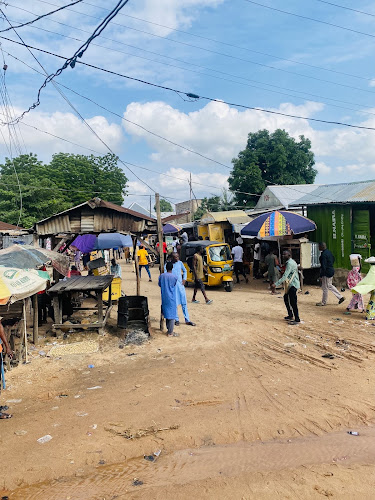
Gindin Doruwa Market sits in the heart of Jalingo, Taraba, and offers a lively, authentic slice of northeastern Nigerian market life. Rooted in decades of local trade, the market grew from a communal trading spot into a busy hub where farmers, artisans and traders from surrounding villages converge. Visitors will find a colorful jumble of stalls selling fresh produce, grains, spices, textiles, household goods and locally made crafts. The bustle is punctuated by calls from vendors, the scent of roasted peanuts and freshly cut vegetables, and the steady rhythm of bartering. What makes Gindin Doruwa special is its genuinely local character: it’s where Taraba’s many ethnic groups come together, so you’ll encounter regional foods, woven fabrics and everyday items that reflect the state’s diversity. Travelers should come with curiosity and patience — it’s an ideal place for photography, sampling street snacks, and buying practical souvenirs. For those wanting an immersive, off-the-beaten-track market experience in Jalingo, Gindin Doruwa delivers an unvarnished view of daily life in Taraba.
Highlights & Key Features
Large selection of fresh produce from local farms
Vibrant mix of textiles and traditional fabrics
Numerous small food stalls and street snack vendors
Active bartering culture with local traders
Close contact with diverse local communities and artisans
Visitor Guide & Information
Gindin Doruwa Market stands as one of those authentic local trading hubs where the real pulse of daily life beats strongest. This market has carved out its reputation as a go-to destination for travelers who want to experience genuine market culture without the tourist trappings that often sanitize similar venues. The atmosphere here isn’t manufactured for Instagram – it’s the real deal, with vendors who’ve been setting up their stalls for years and shoppers who come here because they actually need what’s being sold.
Walking through the market, you’ll notice immediately that this isn’t just about food stalls and produce. Sure, there’s plenty of that, but Gindin Doruwa Market has evolved into a more comprehensive shopping experience that includes drinks vendors alongside traditional market fare. I’ve always believed that the best markets are the ones where locals actually shop, and this one definitely fits that description. You’ll see families doing their weekly shopping right alongside curious travelers trying to figure out what half the produce actually is.
The market has made some smart moves in terms of modernization without losing its character. They’ve embraced contemporary payment methods, which honestly makes the whole experience more accessible for international visitors who don’t want to fumble with unfamiliar currency for every small purchase. But they’ve also kept that essential market energy – the bargaining, the banter between vendors, and the sensory overload that comes with dozens of stalls competing for your attention.
What strikes most people about Gindin Doruwa Market is how it manages to serve both practical shoppers and exploratory travelers. It’s not trying to be a tourist attraction, which paradoxically makes it more attractive to travelers who want something authentic. And while some markets can feel overwhelming or exclusive to outsiders, this one has a surprisingly welcoming atmosphere once you get past the initial sensory assault.
Key Features
The market offers several standout characteristics that separate it from typical tourist markets:
Full wheelchair accessibility including both entrance points and designated parking areas, making it one of the more inclusive markets in the region
Modern payment infrastructure accepting credit cards, debit cards, and NFC mobile payments – rare for a traditional market setting
On-site restroom facilities, which travelers know is basically gold when you’re spending hours exploring
Diverse beverage vendors offering both traditional and contemporary drink options that you won’t find in standard retail outlets
Authentic local shopping environment where tourists and residents shop side by side without the artificial separation common in tourist-oriented markets
Multiple entry and exit points that prevent the bottleneck congestion that plagues many popular markets
Vendor stalls that represent genuine local businesses rather than corporate-owned spaces disguised as independent sellers
Best Time to Visit
Timing really matters when you’re planning a market visit, and Gindin Doruwa Market is no exception. Early mornings, particularly between 7 AM and 9 AM, give you the freshest selection and the most energetic atmosphere. Vendors are still setting up, the produce looks its absolute best, and you’ll catch the market at its most authentic as local shoppers stock up for the day.
Mid-morning through early afternoon can get pretty crowded, especially on weekends. If you thrive on that busy market energy, this is actually when you want to go. The crush of people creates this electric atmosphere where you’re constantly navigating between stalls, overhearing conversations, and getting swept up in the general chaos that makes markets so appealing. But if crowds stress you out, maybe skip this window.
Late afternoons, particularly after 4 PM, offer a different experience entirely. The pace slows down considerably, vendors are more willing to chat since they’re not juggling multiple customers, and you might score better deals as sellers try to move remaining inventory. Some stalls will be closing up, so your selection won’t be as comprehensive, but there’s something nice about experiencing the market in its wind-down phase.
Weekday visits generally provide a more relaxed experience compared to weekends. You’ll encounter primarily local shoppers going about their regular routines, which gives you a more genuine sense of how the market functions in everyday life rather than as a destination. And honestly, navigating the aisles becomes significantly easier when you’re not constantly shoulder-to-shoulder with other visitors.
Weather considerations matter too. The market operates regardless of conditions, but rainy days can make the experience less pleasant unless you’re prepared. Stalls with overhead covering become prime real estate during downpours, and moving between sections means getting wet. Dry season visits typically offer the most comfortable browsing conditions.
How to Get There
Getting to Gindin Doruwa Market requires some planning, but it’s more straightforward than many local attractions once you understand your options. The market’s accessible design extends to its transportation connections, though you’ll want to choose your approach based on your comfort level with local transit systems.
Taxi services represent the most direct option for travelers unfamiliar with the area. Most drivers know the market well since it’s a established local landmark. You can arrange for your taxi to wait or schedule a pickup time, which gives you flexibility without the stress of figuring out return transportation when you’re carrying purchases and feeling market-tired.
Ride-sharing apps work in the area, though signal strength can be inconsistent once you’re actually in the market itself. Set your pickup location slightly outside the main market area at a recognizable landmark to avoid the confused back-and-forth that happens when drivers can’t find you in a maze of stalls.
Local bus routes service the market area, and this option appeals to budget-conscious travelers or those wanting a more immersive local experience. Ask your accommodation for specific route numbers and schedules since these change periodically. The buses won’t drop you directly at the entrance, but the walk from nearby stops is manageable and gives you a sense of the surrounding neighborhood.
If you’re driving yourself, the designated parking lot provides the convenience you’d expect, though spaces fill up quickly during peak hours. Arriving early solves this problem and gives you prime parking relatively close to the main entrances. The wheelchair accessible parking spaces are clearly marked and typically well-maintained.
Many travelers staying in nearby accommodations choose to walk to the market, which works perfectly if you’re within a reasonable distance and comfortable navigating local streets. The approach on foot gives you a better appreciation for how the market integrates into the surrounding community rather than existing as an isolated attraction.
Tips for Visiting
Bring cash even though card payments work here. Some smaller vendors still prefer cash, and having local currency speeds up transactions considerably. Plus, you never want to be that person holding up a line because your card reader connection is slow.
Dress practically with comfortable walking shoes because you’ll be on your feet longer than you think. Markets have this way of eating up hours when you’re exploring properly. Wear clothes you don’t mind getting a bit dusty or brushed against by passing shoppers in crowded aisles.
Come hungry or thirsty so you can actually sample the drinks and food items available. One of my biggest market regrets is always eating before visiting and then watching other people enjoy foods I’m too full to try. The beverage vendors in particular offer unique options you won’t encounter elsewhere.
Bring reusable bags for any purchases. While vendors provide bags, having your own sturdy carriers makes transporting items easier and shows you’re thinking about environmental impact. Markets generate enough waste without adding unnecessary plastic bags to the equation.
Learn a few basic local phrases even if you’re not fluent in the language. Vendors appreciate the effort, and it opens up interactions that wouldn’t happen otherwise. Even just knowing how to ask prices and say thank you transforms your experience from observer to participant.
Don’t feel pressured to buy from the first vendor you see. Walking through once before making purchases lets you compare options, prices, and quality. You’ll kick yourself if you buy something in the first aisle and then find better versions three rows over.
Stay aware of your belongings because crowded markets attract pickpockets everywhere in the world. This doesn’t mean getting paranoid, just maintaining basic awareness about where your phone, wallet, and camera are at all times. Cross-body bags worn in front work better than backpacks you can’t see.
Visit the restroom before you actually need it. Finding it the first time takes a few minutes of wandering, and you don’t want to be searching desperately when nature calls urgently. Once you know where it is, the rest of your visit becomes more relaxed.
Take breaks when you feel overwhelmed. Markets can be sensory intense with all the sights, sounds, and smells competing for attention. Find a less crowded corner, grab a drink, and just observe for a few minutes when you need to reset.
Ask vendors about their products even if you don’t intend to buy. Most are happy to explain what they’re selling, how to prepare it, or why their version is superior to their neighbor’s. These conversations often become the most memorable parts of market visits.
Key Highlights
Large selection of fresh produce from local farms
Vibrant mix of textiles and traditional fabrics
Numerous small food stalls and street snack vendors
Active bartering culture with local traders
Close contact with diverse local communities and artisans
Hidden in Jalingo, Nigeria, Gindin Doruwa Market gives you what most touristy markets just can’t—it’s a real, working market where local families actually shop. Forget those staged vendor setups for Instagram; here, you’ll get a genuine neighborhood hub with everything from fresh produce to traditional drinks.
This market somehow manages to serve everyday shoppers and still welcome curious visitors, all while staying wheelchair accessible and offering modern payment options—something you don’t always see in traditional markets.
Gindin Doruwa Market stands out because it’s evolved with the times but hasn’t lost its spirit. You can tap your phone to pay at stalls families have run for generations. You’ll weave between locals doing their usual shopping and travelers trying to figure out what that weird-looking fruit is. Honestly, it’s the kind of market that sticks with you long after you leave.
Key Takeaways
Gindin Doruwa Market is a real neighborhood market in Jalingo, where locals and visitors pick up food, drinks, and household goods together
The market has wheelchair access, modern payment options, and restrooms, but still keeps its authentic vibe
Go early for the best picks or swing by late afternoon if you want deals and some banter with vendors
Gindin Doruwa Market at a Glance
This busy market sits right in Jalingo, the capital of Taraba State. It’s one of the main trading spots around, packed with everything from fresh veggies to household basics. The market sticks to a traditional schedule, drawing traders from all over the region.
Location and Accessibility
You’ll find Gindin Doruwa Market in Jalingo, the capital city of Taraba State in northeastern Nigeria. The coordinates are latitude 8.9007972 and longitude 11.3617549, and the address comes up as W926+8P6, 660213, Jalingo.
If you’re already in Jalingo, getting there is pretty easy. It’s inside the city, so you can get there by car, okada (motorcycle taxi), or public transport. The market sits in a busy part of town, so once you’re nearby, you really can’t miss it.
Here’s a quick heads-up—there’s also a Gindin Dorowa market (slightly different spelling) in Wukari LGA, also in Taraba State. Locals call that one Kasuwan Buhu. So if you’re using GPS, double-check you’re headed to the right spot.
Hours of Operation
Like most Nigerian markets, Gindin Doruwa doesn’t open every single day. It runs on set market days, and the exact schedule can change, so it’s best to ask locals when the main days are.
Vendors usually start setting up before sunrise, and the freshest goods come in early. The market buzzes from early morning to mid-afternoon.
Notable Features and Atmosphere
Gindin Doruwa Market is all about groceries and daily shopping. You’ll find foodstuffs, household items, and all kinds of local products. The crowd here is a mix of people from different ethnic groups in Taraba and even beyond.
The market feels way more local than any modern shopping mall. Vendors set up in open stalls or just lay out their goods on mats, and haggling is pretty much expected (and honestly, it’s half the fun).
During peak hours, things get lively. Vendors call out to customers, there’s a steady buzz, and you really get a sense of daily life in Jalingo. Even if you’re just window shopping, it’s worth checking out.
What You’ll Find at Gindin Doruwa Market
This market acts as the neighborhood’s go-to spot for everything from fresh vegetables to basic household stuff. Vendors sell the same products locals rely on every day, usually at good prices for food and essentials.
Fresh Produce and Local Foods
The heart of Gindin Doruwa Market is its produce section. Vendors bring in fresh fruits and veggies that change with the seasons, so you get a real taste of what’s growing locally.
Spices and local ingredients fill up a lot of stalls, and honestly, this is where the market shines compared to a regular grocery store. The mix of traditional spices shows off the region’s food culture, and vendors will usually explain how to use anything unfamiliar.
Grain Options Available:
Soya beans
Bambara nuts
Different types of beans
Rice (sold in bulk at good rates)
Grain vendors usually beat formal stores on price, so families come here regularly for their staples.
Groceries and Daily Essentials
Most of the grocery section is just basic food items—nothing fancy, just what most families need every week. You shop right alongside locals doing their usual runs, so the focus is on the practical stuff.
Beverage vendors have branched out from just traditional drinks; you’ll find some modern options too. It’s a nice mix—try something local, or grab something familiar if you’re not feeling adventurous.
What’s cool here is you get to talk to the vendors directly. You can ask about products, learn how to prepare them, or even haggle a bit—none of that happens when you’re just pushing a cart down a supermarket aisle.
Household Items
Besides food, vendors stock household goods for daily life. Don’t expect fancy décor—think cleaning supplies, basic kitchenware, and other everyday stuff.
The household section keeps things practical and affordable. You won’t see endless brand choices like in a big supermarket, but you’ll get what you need without paying extra.
Honestly, this comes in handy if you’re visiting. Forgot toiletries or need something simple? This market saves you a trip to a bigger shopping district.
Who Shops at Gindin Doruwa Market
The market mainly serves people living in the Gindin Doruwa neighborhood and small business owners who stock their shops with goods from local vendors.
Local Residents
Most shoppers here are locals from the immediate area, popping in for their daily needs. Unlike the packed crowds at Jalingo Main Market, this spot feels more relaxed—you can actually take your time picking veggies without getting jostled.
Families often send their kids to grab onions, pepper, or oil before dinner. You’ll see students from nearby areas too, since prices here beat the bigger markets. And really, if you live close by, why hike to Court Road when you can get fresh tomatoes and greens right here?
The market attracts low-income households looking to make their money go further. Prices usually run lower than at the main market, which matters if you’re feeding a family on a budget.
Traders and Shopkeepers
Small shop owners and food vendors from around Jalingo come to restock here. They can negotiate better deals in bulk, especially for local spices, dried fish, and fresh produce.
You’ll see traders loading up bags of tomatoes, peppers, and onions early in the day. These business owners like this market because it’s less hectic than the bigger ones, and they can build relationships with their regular suppliers.
Some shopkeepers from nearby communities also come here because the selection covers what they need, and they don’t have to deal with the chaos of Jalingo’s busier markets.
How Gindin Doruwa Market Compares to Other Markets
Gindin Doruwa works as a neighborhood market for locals, while bigger places like Jalingo Main Market and Kasuwan Bera pull in shoppers from all over with more variety and specialty goods.
Kasuwan Bera
Kasuwan Bera is in Kofai and attracts a seriously diverse crowd. More than 50 tribes do business here, making it a real cultural melting pot, which is pretty rare in Taraba State. The market is known for cheap foodstuff, so students from Taraba State University come often.
The vibe here feels different right away. Students crowd the walkways, hunting for bargains on ingredients and household stuff. With so many sellers, you get great deals on basics like rice, beans, and oil.
Kasuwan Bera stands out as a student hub. If you’re on a budget, this is your spot. Gindin Doruwa mainly serves its neighborhood, but Kasuwan Bera draws people from further away for those rock-bottom prices and vendor variety.
Jalingo Main Market
Jalingo Main Market is basically the king of markets in Taraba State. Locals call it the “#1 place you need to visit,” and honestly, they’re not wrong. You can find nearly anything here—cooking supplies, clothes, electronics, drinks, you name it.
The place is huge compared to Gindin Doruwa. Jalingo Main Market sprawls out with permanent buildings and organized sections for different goods. Electronics in one area, fabrics in another—it’s all there.
But there’s a downside. The crowds can get overwhelming, especially on market days. That’s actually why Gindin Doruwa exists—to save locals from fighting through the chaos at Jalingo Main Market just to pick up a few veggies. If you need specialty items or want to do some serious shopping, Jalingo Main Market delivers. For everyday basics, Gindin Doruwa wins on convenience.
Yelwa Market
Yelwa Market sits in Jalingo and has its own vibe and regulars. You won’t find much detailed info about it in public records, but honestly, it’s a solid alternative to the massive Jalingo Main Market or the smaller neighborhood spots like Gindin Doruwa.
If you’re looking for a middle-ground, this place just makes sense. You get more variety than you’d see in a tiny neighborhood market, but you won’t have to deal with the chaos at the main market. Prices usually land somewhere between the bargain deals at Kasuwan Bera and the higher tags at Jalingo Main Market.
So what’s the real choice here? It’s convenience versus selection. Gindin Doruwa keeps things simple and local—you’re in, you’re out, and you’ve got your fresh veggies and basics. Yelwa Market lets you browse more if you’ve got time and want to compare a few things before buying.
Gindin Doruwa Market’s Community Impact
Gindin Doruwa Market supports the local economy and gives residents across Taraba State an alternative shopping venue. It spreads out economic opportunities and offers a less crowded experience than the main city markets.
Strengthening Local Economy
When you shop at Gindin Doruwa Market, you’re backing a trade hub that brings together more than 50 tribes. That kind of diversity creates a special economic mix you just don’t see everywhere else in Taraba.
Students from Taraba State University especially rely on this market. They come here for affordable daily needs and foodstuff, usually at prices way better than what you’d pay elsewhere. Local vendors benefit from this steady stream of customers, which helps them keep their income stable throughout the school year.
Small-scale traders actually get a chance here—something that’s tough in bigger, more intense markets. The setup allows newcomers to start trading without getting hit with high stall fees or crazy competition like at Jalingo Main Market. This kind of access creates jobs and keeps money flowing within the community, instead of just going to big merchants in the city center.
Reducing Congestion in Larger Markets
Gindin Doruwa Market acts like a pressure valve for the packed Jalingo Main Market. Instead of everyone crowding into one spot, shoppers now have options spread out in different neighborhoods.
You’ll see this especially on busy trading days. When places like Gindin Dorowa Kasuwan Buhu are buzzing, they pull in customers who’d otherwise add to the crush at the main markets. You can grab your grains, veggies, and household stuff without wading through a sea of people.
The market’s location just makes life easier for folks in nearby neighborhoods. You don’t have to trek all the way to the city center anymore.
Tips for Visiting Gindin Doruwa Market
A bit of planning goes a long way if you’re heading to Gindin Doruwa Market in Jalingo. Knowing the best times to visit and a few local customs can really smooth things out. Getting there and finding parking can take a little effort, so keep that in mind.
Best Times to Visit
Early mornings—think 7 AM to 9 AM—give you the freshest picks and that real market buzz. Locals are doing their rounds, vendors are setting up, and there’s just a good energy in the air.
Late afternoons after 4 PM? Totally different mood. Vendors have more time to chat since things slow down, and you might even score some deals as they try to clear out the last of their stock. The selection might be thinner, but the chill vibe is worth it if you ask me.
The market stays open no matter the weather, but rainy days can turn the walkways into a bit of a mess. Bring good shoes and maybe some rain gear if the forecast looks rough.
Cultural Etiquette
Bargaining’s pretty much expected at Gindin Doruwa Market, but keep it friendly. Don’t throw out super low offers—start around 70% of the asking price and see where it goes.
Picking up a few local greetings goes a long way. Even just saying hello and thank you can make your interactions a lot warmer. Vendors usually appreciate the effort, even if your accent isn’t perfect.
Dress modestly and wear something practical. Trust me, comfy walking shoes matter more than you think—you’ll probably end up on your feet longer than you planned. Locals notice and appreciate when visitors dress respectfully instead of showing up in flashy or revealing outfits.
Always ask before you snap photos of vendors or their goods. Some folks are cool with it, but others prefer privacy. Better to check first than risk annoying someone or getting a dirty look.
Travel and Parking Advice
If you don’t know your way around Jalingo, taxis are honestly the easiest way to get to the market. Most drivers recognize the spot right away—it’s kind of a big deal locally. You can always ask your driver to wait or just agree on a pickup time if you want to play it safe.
Driving yourself? The market does have its own parking, but those spots disappear fast once the morning rush hits. Get there early if you want a decent parking spot near the front. They’ve marked wheelchair accessible spaces, so you won’t have to guess where to park if you need one.
On a budget? Local buses can get you close, but they won’t drop you right at the entrance. The short walk from the bus stop isn’t bad at all, and you’ll get to check out some of the neighborhood on your way in.
Even though you can use cards or other modern payment apps, bring some cash with you. A lot of smaller vendors still like cash, and honestly, it just makes things go a lot faster if you have some local currency on hand.
Stay22 provides this accommodation search. We may earn a commission if you book through it; verify current prices and terms with the provider.
🗺️
Interactive accommodation map requires marketing cookies to display live rates.
Recommended Experiences & Activities
GetYourGuide provides this tour inventory. We may earn a commission if you book through it; verify current availability, prices, and terms with the provider.
Top Viator Experiences & Guided Tours in Jalingo
We may earn a commission if you book through links on this page at no extra cost to you. All tours feature verified customer reviews and flexible cancellation options.
 Real Journey Travels