
“Dustlik” market
About “Dustlik” market
Description
The Dustlik market represents one of those authentic shopping destinations that hasn't been completely sanitized for tourist consumption, and honestly, that's what makes it special. This marketplace caters primarily to locals who come here for their everyday needs, which means travelers get to experience genuine Central Asian market culture without the usual tourist markup or manufactured atmosphere. The name Dustlik translates to "friendship" in Uzbek, and that spirit genuinely permeates the place once you get past the initial hustle and bustle. Walking through Dustlik market feels a bit like stepping into organized chaos – and I mean that in the best possible way. You'll find everything from fresh produce to household goods, textiles to electronics, all spread across a sprawling complex that initially seems confusing but actually follows its own internal logic. The vendors here have been running their stalls for years, sometimes decades, and they've developed relationships with their regular customers that you just don't see in modern shopping centers. What struck me most during visits here is how the market serves as a genuine community hub rather than just a commercial space. Local families do their weekly shopping here, neighbors stop to chat over tea between stalls, and there's this constant hum of negotiation and conversation that creates an atmosphere you can't really replicate anywhere else. Sure, it might not be as polished as some of the markets specifically designed for tourists, but that rough-around-the-edges quality gives it character. The market has adapted reasonably well to modern conveniences while maintaining its traditional feel. You'll be pleased to know that card payments are accepted at many stalls now, which removes one of the typical headaches of market shopping in this part of the world. And the accessibility features make it more welcoming than many historic markets I've visited – something that deserves recognition.Key Features
- Full wheelchair accessibility with designated entrance points and parking facilities that actually work, not just token gestures
- Modern payment options including credit cards, debit cards, and NFC mobile payments at most established vendors, though cash still reigns supreme at smaller stalls
- Clean restroom facilities available throughout the market complex – a genuine relief for travelers who've experienced less accommodating markets in the region
- Fresh produce section where local farmers bring seasonal fruits and vegetables, often harvested the same morning
- Textile and fabric area featuring traditional Central Asian patterns alongside modern materials, perfect for those interested in local craftsmanship
- Household goods section that gives fascinating insight into everyday life and what locals actually use in their homes
- Food stalls serving hot meals and traditional snacks, where you can grab authentic local dishes at prices that would make restaurant owners jealous
- Spice vendors offering bulk quantities of regional seasonings, dried fruits, and nuts that make excellent souvenirs if you can figure out the customs regulations
- Electronics and phone accessories section that proves surprisingly well-stocked for a traditional market setting
- Clothing stalls ranging from traditional garments to modern fashion, with prices that require negotiation skills
Best Time to Visit
Timing your visit to Dustlik market can make the difference between an overwhelming experience and an enjoyable one. Early mornings between 8 and 10 AM offer the freshest produce and the most energetic atmosphere. The vendors are setting up, the displays look their best, and you'll get first pick of everything. But it's also when the market is busiest with locals doing their shopping before the day heats up. If you're not particularly fond of crowds – and I'll admit I sometimes struggle with packed spaces myself – then late morning around 11 AM to noon provides a sweet spot. The initial rush has died down, vendors have had their morning tea and are more relaxed, yet the market still maintains its energy. This is when I've had some of my best conversations with stall owners who suddenly have time to chat. Weekdays generally prove less hectic than weekends when local families descend en masse. Tuesday through Thursday seems to hit that ideal balance of activity without overwhelming crowds. Fridays get particularly busy as people stock up before the weekend, while Saturdays transform into an absolute zoo that can feel chaotic even for seasoned market-goers. Season-wise, spring and autumn provide the most comfortable weather for extended market exploration. Summer temperatures can get brutal, especially in the covered sections where air circulation isn't great. I once spent three hours there in July and nearly melted – not my finest travel decision. Winter brings its own challenges with cold temperatures, though the covered sections offer some protection. Avoid visiting during major local holidays unless you specifically want to experience the festival atmosphere. The market takes on a completely different character during celebrations, which can be fascinating but also means limited vendor availability and massive crowds.How to Get There
Getting to Dustlik market requires a bit of local knowledge, but it's not rocket science once you understand the transportation options. Taxis remain the most straightforward choice for travelers unfamiliar with the area. Both traditional taxis and ride-sharing services operate in the region, and drivers universally know the market location – just say "Dustlik market" and they'll understand even if language barriers exist elsewhere. Public transportation serves the market reasonably well, though routes can confuse first-time visitors. Several bus lines stop within walking distance, and locals are generally helpful if you show them the market name written in the local language on your phone. The bus system operates on what I'd call "flexible schedules," meaning posted times are more suggestions than guarantees, so build in extra time. For the adventurous traveler, shared taxis (marshrutkas) offer the most authentic and economical option. These minivans follow set routes and leave when full rather than on schedules. The experience can feel chaotic initially – passengers shouting destinations, money being passed forward to the driver, people squeezing into spaces that don't seem physically possible – but it's remarkably efficient once you understand the system. If you're staying in the central tourist areas, the market sits far enough away that walking isn't practical unless you're training for a marathon. The journey typically takes 20-30 minutes by vehicle depending on traffic, which can get absolutely ridiculous during rush hours. Plan accordingly and maybe bring a book or download some podcasts. Parking exists for those renting vehicles, with designated lots that charge modest fees. The wheelchair-accessible parking actually functions properly, which honestly surprised me given how parking accessibility is often treated as an afterthought in many places.Tips for Visiting
Bring cash despite the card payment options, because smaller vendors still operate on a cash-only basis and you'll want flexibility. Local currency obviously works best, though U.S. dollars sometimes get accepted at tourist-friendly stalls, usually at unfavorable exchange rates. Small bills make life easier since vendors often claim they don't have change for large denominations – whether true or a negotiation tactic remains debatable. Dress modestly and practically. While Dustlik market isn't religiously conservative, respecting local customs means covering shoulders and knees. More importantly, wear comfortable walking shoes because you'll be on your feet for hours navigating uneven surfaces. Leave the fancy sandals at the hotel. Negotiate prices but do it respectfully. Haggling is expected and vendors actually seem to enjoy the back-and-forth, but there's a difference between negotiation and being insulting. Starting at about 60-70% of the initial asking price usually works, and meeting somewhere in the middle keeps everyone happy. I've found that learning basic numbers in the local language and showing genuine interest in products gets better results than aggressive bargaining. Bring reusable bags because plastic bags cost extra and environmental consciousness is growing. Plus, sturdy bags handle heavy purchases better than the flimsy plastic alternatives. Sample the food but exercise reasonable caution. The hot food stalls generally maintain good hygiene standards, and eating where locals eat rarely leads to problems. However, if you've got a sensitive stomach, maybe skip the raw salads and stick with thoroughly cooked items. The fresh bread and hot samosas are generally safe bets and absolutely delicious. Photography requires sensitivity. While the market itself is photogenic, not everyone appreciates having cameras pointed at them. Always ask permission before photographing vendors or shoppers, and respect refusals gracefully. Some of my best market photos came after spending time chatting with vendors who then offered to pose. Go early if you want to buy fresh produce, but go later if you want bargains. Vendors become increasingly willing to negotiate as closing time approaches rather than pack up unsold goods. Don't carry valuables or flash expensive electronics. Dustlik market is generally safe, but opportunistic theft happens anywhere crowds gather. Keep your phone secured, wear your bag across your body, and leave the fancy jewelry at your accommodation. Learn a few phrases in the local language. Even butchered attempts at basic greetings and thank yous generate smiles and often better prices. Vendors appreciate the effort even when your pronunciation makes them laugh. Lastly, embrace the experience with patience and humor. Things won't always go smoothly, you might accidentally buy twice as much as you intended through miscommunication, and you'll probably get a bit lost. But those imperfect moments often become the most memorable parts of travel, and Dustlik market provides plenty of stories you'll be telling for years.Key Features
- Fresh produce stalls featuring local fruits, vegetables and herbs
- Textiles and traditional garments, including embroidered caps and scarves
- Small household goods and everyday essentials for Namangan residents
- Street-food vendors and local snacks offering quick tastes of regional cuisine
- Lively, authentic atmosphere with opportunities for bargaining and local interaction
More Details
Updated March 30, 2026
Table of Contents
Description
The Dustlik market represents one of those authentic shopping destinations that hasn’t been completely sanitized for tourist consumption, and honestly, that’s what makes it special. This marketplace caters primarily to locals who come here for their everyday needs, which means travelers get to experience genuine Central Asian market culture without the usual tourist markup or manufactured atmosphere. The name Dustlik translates to “friendship” in Uzbek, and that spirit genuinely permeates the place once you get past the initial hustle and bustle.
Walking through Dustlik market feels a bit like stepping into organized chaos – and I mean that in the best possible way. You’ll find everything from fresh produce to household goods, textiles to electronics, all spread across a sprawling complex that initially seems confusing but actually follows its own internal logic. The vendors here have been running their stalls for years, sometimes decades, and they’ve developed relationships with their regular customers that you just don’t see in modern shopping centers.
What struck me most during visits here is how the market serves as a genuine community hub rather than just a commercial space. Local families do their weekly shopping here, neighbors stop to chat over tea between stalls, and there’s this constant hum of negotiation and conversation that creates an atmosphere you can’t really replicate anywhere else. Sure, it might not be as polished as some of the markets specifically designed for tourists, but that rough-around-the-edges quality gives it character.
The market has adapted reasonably well to modern conveniences while maintaining its traditional feel. You’ll be pleased to know that card payments are accepted at many stalls now, which removes one of the typical headaches of market shopping in this part of the world. And the accessibility features make it more welcoming than many historic markets I’ve visited – something that deserves recognition.
Key Features
- Full wheelchair accessibility with designated entrance points and parking facilities that actually work, not just token gestures
- Modern payment options including credit cards, debit cards, and NFC mobile payments at most established vendors, though cash still reigns supreme at smaller stalls
- Clean restroom facilities available throughout the market complex – a genuine relief for travelers who’ve experienced less accommodating markets in the region
- Fresh produce section where local farmers bring seasonal fruits and vegetables, often harvested the same morning
- Textile and fabric area featuring traditional Central Asian patterns alongside modern materials, perfect for those interested in local craftsmanship
- Household goods section that gives fascinating insight into everyday life and what locals actually use in their homes
- Food stalls serving hot meals and traditional snacks, where you can grab authentic local dishes at prices that would make restaurant owners jealous
- Spice vendors offering bulk quantities of regional seasonings, dried fruits, and nuts that make excellent souvenirs if you can figure out the customs regulations
- Electronics and phone accessories section that proves surprisingly well-stocked for a traditional market setting
- Clothing stalls ranging from traditional garments to modern fashion, with prices that require negotiation skills
Best Time to Visit
Timing your visit to Dustlik market can make the difference between an overwhelming experience and an enjoyable one. Early mornings between 8 and 10 AM offer the freshest produce and the most energetic atmosphere. The vendors are setting up, the displays look their best, and you’ll get first pick of everything. But it’s also when the market is busiest with locals doing their shopping before the day heats up.
If you’re not particularly fond of crowds – and I’ll admit I sometimes struggle with packed spaces myself – then late morning around 11 AM to noon provides a sweet spot. The initial rush has died down, vendors have had their morning tea and are more relaxed, yet the market still maintains its energy. This is when I’ve had some of my best conversations with stall owners who suddenly have time to chat.
Weekdays generally prove less hectic than weekends when local families descend en masse. Tuesday through Thursday seems to hit that ideal balance of activity without overwhelming crowds. Fridays get particularly busy as people stock up before the weekend, while Saturdays transform into an absolute zoo that can feel chaotic even for seasoned market-goers.
Season-wise, spring and autumn provide the most comfortable weather for extended market exploration. Summer temperatures can get brutal, especially in the covered sections where air circulation isn’t great. I once spent three hours there in July and nearly melted – not my finest travel decision. Winter brings its own challenges with cold temperatures, though the covered sections offer some protection.
Avoid visiting during major local holidays unless you specifically want to experience the festival atmosphere. The market takes on a completely different character during celebrations, which can be fascinating but also means limited vendor availability and massive crowds.
How to Get There
Getting to Dustlik market requires a bit of local knowledge, but it’s not rocket science once you understand the transportation options. Taxis remain the most straightforward choice for travelers unfamiliar with the area. Both traditional taxis and ride-sharing services operate in the region, and drivers universally know the market location – just say “Dustlik market” and they’ll understand even if language barriers exist elsewhere.
Public transportation serves the market reasonably well, though routes can confuse first-time visitors. Several bus lines stop within walking distance, and locals are generally helpful if you show them the market name written in the local language on your phone. The bus system operates on what I’d call “flexible schedules,” meaning posted times are more suggestions than guarantees, so build in extra time.
For the adventurous traveler, shared taxis (marshrutkas) offer the most authentic and economical option. These minivans follow set routes and leave when full rather than on schedules. The experience can feel chaotic initially – passengers shouting destinations, money being passed forward to the driver, people squeezing into spaces that don’t seem physically possible – but it’s remarkably efficient once you understand the system.
If you’re staying in the central tourist areas, the market sits far enough away that walking isn’t practical unless you’re training for a marathon. The journey typically takes 20-30 minutes by vehicle depending on traffic, which can get absolutely ridiculous during rush hours. Plan accordingly and maybe bring a book or download some podcasts.
Parking exists for those renting vehicles, with designated lots that charge modest fees. The wheelchair-accessible parking actually functions properly, which honestly surprised me given how parking accessibility is often treated as an afterthought in many places.
Tips for Visiting
Bring cash despite the card payment options, because smaller vendors still operate on a cash-only basis and you’ll want flexibility. Local currency obviously works best, though U.S. dollars sometimes get accepted at tourist-friendly stalls, usually at unfavorable exchange rates. Small bills make life easier since vendors often claim they don’t have change for large denominations – whether true or a negotiation tactic remains debatable.
Dress modestly and practically. While Dustlik market isn’t religiously conservative, respecting local customs means covering shoulders and knees. More importantly, wear comfortable walking shoes because you’ll be on your feet for hours navigating uneven surfaces. Leave the fancy sandals at the hotel.
Negotiate prices but do it respectfully. Haggling is expected and vendors actually seem to enjoy the back-and-forth, but there’s a difference between negotiation and being insulting. Starting at about 60-70% of the initial asking price usually works, and meeting somewhere in the middle keeps everyone happy. I’ve found that learning basic numbers in the local language and showing genuine interest in products gets better results than aggressive bargaining.
Bring reusable bags because plastic bags cost extra and environmental consciousness is growing. Plus, sturdy bags handle heavy purchases better than the flimsy plastic alternatives.
Sample the food but exercise reasonable caution. The hot food stalls generally maintain good hygiene standards, and eating where locals eat rarely leads to problems. However, if you’ve got a sensitive stomach, maybe skip the raw salads and stick with thoroughly cooked items. The fresh bread and hot samosas are generally safe bets and absolutely delicious.
Photography requires sensitivity. While the market itself is photogenic, not everyone appreciates having cameras pointed at them. Always ask permission before photographing vendors or shoppers, and respect refusals gracefully. Some of my best market photos came after spending time chatting with vendors who then offered to pose.
Go early if you want to buy fresh produce, but go later if you want bargains. Vendors become increasingly willing to negotiate as closing time approaches rather than pack up unsold goods.
Don’t carry valuables or flash expensive electronics. Dustlik market is generally safe, but opportunistic theft happens anywhere crowds gather. Keep your phone secured, wear your bag across your body, and leave the fancy jewelry at your accommodation.
Learn a few phrases in the local language. Even butchered attempts at basic greetings and thank yous generate smiles and often better prices. Vendors appreciate the effort even when your pronunciation makes them laugh.
Lastly, embrace the experience with patience and humor. Things won’t always go smoothly, you might accidentally buy twice as much as you intended through miscommunication, and you’ll probably get a bit lost. But those imperfect moments often become the most memorable parts of travel, and Dustlik market provides plenty of stories you’ll be telling for years.
Key Highlights
- Fresh produce stalls featuring local fruits, vegetables and herbs
- Textiles and traditional garments, including embroidered caps and scarves
- Small household goods and everyday essentials for Namangan residents
- Street-food vendors and local snacks offering quick tastes of regional cuisine
- Lively, authentic atmosphere with opportunities for bargaining and local interaction
Location
Places to Stay Near "Dustlik" market
Find and Book a Tour
Explore More Travel Guides
No reviews found! Be the first to review!
“Dustlik” market is a prominent Market located in Namangan.
Visit us at: 2J4Q+W5M, Dustlik Avenue, Namangan, Uzbekistan.
Traveler Reviews for “Dustlik” market
There are no reviews yet. Be the first one to write one.
Have you visited “Dustlik” market? Help other travelers by sharing your review.
Nearby Attractions
You Might Also Like
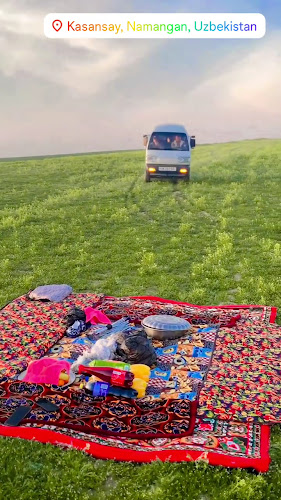
Dam olish uchun
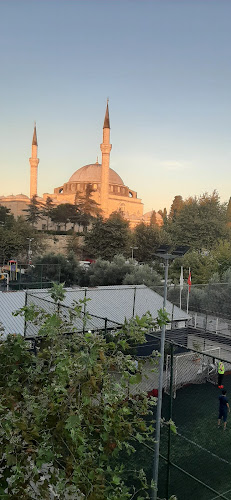
Namangan
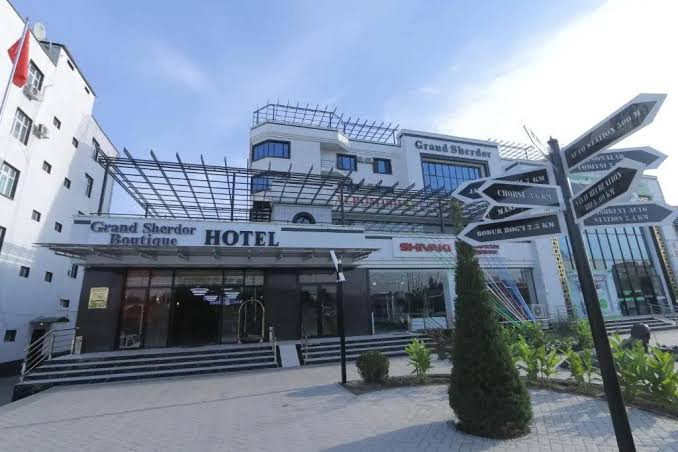
Grand Sherdor Boutique Hotel
Find Accommodations Nearby
Recommended Tours & Activities
Visitor Reviews
There are no reviews yet. Be the first one to write one.
Share Your Experience
Have you visited “Dustlik” market? Help other travelers by leaving a review.