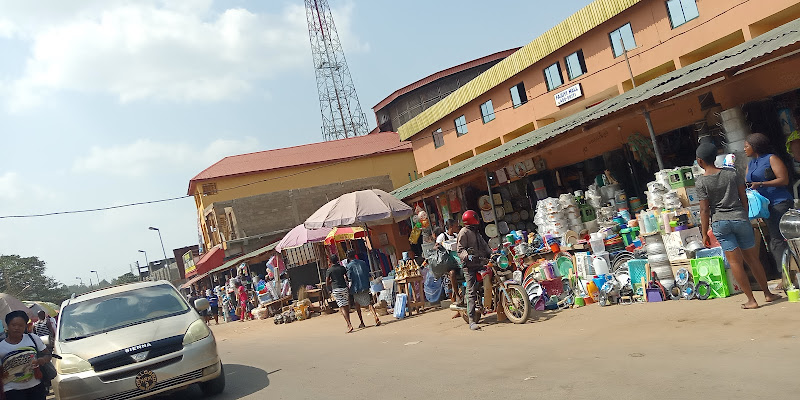
Oja Oba Market sits at the vibrant heart of Ado-Ekiti and feels like the city’s living room — a lively, color-soaked tapestry of traders, produce, fabrics and everyday life. Established generations ago as the town’s central trading hub, it grew alongside Ado-Ekiti and remains a focal point for people across Ekiti State who come to buy, sell and socialize. What makes Oja Oba special is its authentic, unpolished energy: you can haggle for fresh yams and pepper, watch skilled tailors and cloth merchants arrange bolts of aso-oke and Ankara, and sample local snacks from open-air stalls. Visitors should come for the sensory immersion — the scents, the calls of traders, the bustling lanes that reveal how local commerce and community intertwine — and for opportunities to take home handcrafted textiles, spices and souvenirs. Though busy and at times chaotic, the market rewards curious travelers with informal cultural insight, friendly interactions and memorable photography opportunities unique to Ado-Ekiti’s urban character.
Highlights & Key Features
Central location in Ado-Ekiti near the traditional powers of the town
Wide selection of fresh produce, staple foods and local ingredients
Textile and tailoring stalls offering Ankara, aso-oke and bespoke tailoring
Vibrant street food and snack vendors serving local specialties
Authentic everyday atmosphere ideal for photography and cultural immersion
Visitor Guide & Information
Description
Oja Oba Market represents one of those authentic West African marketplace experiences that guidebooks sometimes gloss over but travelers absolutely shouldn’t miss. This traditional Nigerian market pulses with daily commerce and local life, offering visitors a genuine glimpse into how communities shop, trade, and socialize beyond the sanitized tourist corridors. Unlike those carefully curated craft markets designed specifically for foreign visitors, Oja Oba functions as a real working market where locals come to purchase everything from fresh produce and spices to fabrics, household goods, and traditional medicines.
I’ll be honest with you—this isn’t the kind of place where everything runs smoothly or looks picture-perfect. The aisles can get crowded, especially during peak hours. The sensory experience hits you immediately: the aroma of dried fish mixing with fresh peppers, merchants calling out their wares, and the constant hum of negotiation and conversation. But that’s precisely what makes it special. You’re not watching Nigerian market life from behind glass; you’re stepping right into the middle of it.
What surprised me most when researching this market is how it’s adapted to modern times while maintaining its traditional character. The fact that vendors now accept credit cards, debit cards, and even mobile payments alongside cash shows a market that’s evolving with its community’s needs. This modernization makes it more accessible for travelers who might be nervous about carrying large amounts of cash, though I’d still recommend having some local currency on hand for smaller purchases and those vendors who prefer traditional transactions.
The market has also made significant strides in accessibility, which honestly isn’t something you see in every traditional African marketplace. With wheelchair-accessible entrances, parking, and restrooms, Oja Oba demonstrates a commitment to serving all members of the community. This practical consideration extends to travelers with mobility concerns who might otherwise skip market visits entirely.
Key Features
Authentic local shopping experience with vendors selling fresh produce, spices, textiles, traditional crafts, and household items that reflect everyday Nigerian life
Modern payment infrastructure including acceptance of credit cards, debit cards, and contactless mobile payments alongside traditional cash transactions
Comprehensive accessibility features with wheelchair-accessible entrances, dedicated parking spaces, and properly equipped restroom facilities
Wide variety of tropical fruits and vegetables, many of which international visitors may have never encountered before
Traditional fabric and textile sections showcasing colorful African prints, ankara wax fabrics, and made-to-measure tailoring services
Spice merchants offering everything from common seasonings to specialized ingredients used in Nigerian cuisine
Local food vendors preparing fresh meals and snacks throughout the day, giving travelers an opportunity to sample authentic street food
Traditional medicine and herbal remedy stalls where practitioners share knowledge passed down through generations
Active bartering culture that invites friendly negotiation as part of the shopping experience
Clean restroom facilities available for visitors, addressing a common concern for travelers exploring markets
Best Time to Visit
Timing your visit to Oja Oba Market can make the difference between an overwhelming experience and a fascinating one. Early morning, particularly between 7:00 AM and 10:00 AM, offers the most comfortable conditions. The temperature hasn’t yet climbed to midday intensity, and you’ll catch the market at its freshest with vendors just setting up their best produce. The early crowd tends to be serious shoppers rather than casual browsers, which means you’ll witness the market functioning at its most authentic.
Mid-morning through early afternoon gets progressively busier and hotter. If you thrive on energy and don’t mind crowds, this is when the market really comes alive with activity. But honestly? The heat can be intense, and navigating the aisles becomes more challenging as the space fills up. I’d suggest avoiding the noon to 2:00 PM window unless you’re particularly tolerant of heat and crowds.
Late afternoon, around 4:00 PM onward, brings another good window for visiting. The temperature starts dropping, vendors are still well-stocked, and there’s often a more relaxed atmosphere as the urgent morning rush has passed. Some vendors might be more willing to negotiate prices as they look to move remaining inventory before closing.
Regarding days of the week, weekends see the heaviest foot traffic as this is when most locals do their major shopping. Tuesdays through Thursdays typically offer a more manageable experience for first-time visitors. However, weekend visits do provide maximum cultural immersion if you’re comfortable with crowds.
The dry season generally provides more pleasant market conditions than the rainy season. Nobody enjoys navigating market aisles when sudden downpours turn pathways muddy. That said, the market operates year-round, and rainy season visits have their own appeal—fewer crowds and slightly cooler temperatures, as long as you time it between showers.
How to Get There
Getting to Oja Oba Market requires a bit of planning, but it’s definitely manageable for travelers willing to venture beyond tourist zones. The market’s location makes it accessible through several transportation options, each with its own advantages.
Taxi services, including ride-hailing apps, offer the most straightforward option for visitors unfamiliar with the area. These services have become increasingly reliable in Nigerian cities, and drivers generally know the market well. The convenience and direct door-to-door service make this the preferred choice for many travelers, especially those visiting for the first time. Just make sure your phone has data connectivity to book rides and track your route.
Local buses and shared taxis (known as danfos in some Nigerian cities) provide a more economical alternative, though they require more local knowledge to navigate successfully. If you’re staying with locals or have made friends who can advise you on routes, this can be an adventure in itself. But I won’t sugarcoat it—this option works better once you’ve got some familiarity with the area.
For those renting vehicles, the market provides wheelchair-accessible parking, which is worth noting since parking can be challenging in busy market districts. Arriving early improves your chances of finding a convenient spot close to the entrances. Keep in mind that traffic patterns around markets can be chaotic, with vendors, shoppers, and vehicles all competing for space.
If you’re staying relatively close by, walking to the market can be pleasant during cooler parts of the day. This gives you time to observe the neighborhood and get a feel for the surrounding community. Just be mindful of your belongings and stick to well-traveled routes.
Tips for Visiting
Let me share some practical wisdom that’ll make your Oja Oba Market experience much smoother. First off, dress comfortably and practically. This means breathable fabrics, comfortable walking shoes, and nothing too fancy or flashy. You’ll be on your feet, possibly for hours, and drawing unnecessary attention with expensive jewelry or designer gear just isn’t smart. Locals generally dress casually for market trips, and you should too.
Bring a mix of payment options. Yes, the market accepts cards and mobile payments, but cash remains king for many vendors, especially those selling smaller items or food. Having smaller denominations makes transactions easier and shows you’re not a complete novice. And here’s something people don’t always think about—have a small bag or backpack for carrying purchases, as plastic bags might not always be available or environmentally friendly.
The bartering culture here is real, but there’s an art to it. Don’t insult vendors with ridiculously low offers, but don’t accept the first price either. A friendly smile and respectful negotiation usually lands you somewhere fair for both parties. Watch how locals negotiate if you’re unsure about appropriate pricing. I’ve found that showing genuine interest in products and asking questions often leads to better prices than aggressive haggling.
Stay hydrated, seriously. The market environment can be hot and you’ll be walking more than you realize. Bottled water is typically available from vendors throughout the market. Don’t wait until you’re desperately thirsty.
Keep your belongings secure but don’t be paranoid. Use common sense: keep your phone in a front pocket or secured bag, don’t flash large amounts of cash, and stay aware of your surroundings. The same precautions you’d take in any busy market anywhere in the world apply here.
Take photos respectfully. Always ask permission before photographing vendors or their stalls. Many are happy to pose, especially if you’ve just made a purchase, but some prefer not to be photographed. Respect that boundary. The cultural exchange goes both ways.
Try the food, but use judgment. If a food stall has a steady stream of local customers and you can see food being freshly prepared, that’s generally a good sign. Start with cooked foods rather than raw items if your stomach isn’t accustomed to local cuisine. The market offers an incredible opportunity to taste authentic Nigerian street food that you simply won’t find in restaurants catering to tourists.
Learn a few basic phrases in the local language. Even just “hello,” “thank you,” and “how much?” will earn you smiles and often better service. Nigerians generally appreciate when visitors make even small efforts to engage with local language and culture.
Visit the restroom before you think you need to. While the market has facilities, it’s better to use them proactively rather than desperately searching during a crowded period.
Finally, and I can’t stress this enough—go with an open mind and flexible expectations. Oja Oba Market won’t be perfect or comfortable in the Western tourist sense, and that’s entirely the point. You’ll encounter moments of confusion, sensory overload, and maybe mild frustration. But you’ll also experience authentic cultural immersion that’s becoming increasingly rare in our homogenized travel world. The memories and stories you’ll collect here are worth far more than any perfectly curated tourist experience could offer.
Oja Oba Market represents one of those authentic West African marketplace experiences that guidebooks sometimes gloss over but travelers absolutely shouldn’t miss. This traditional Nigerian market pulses with daily commerce and local life, offering visitors a genuine glimpse into how communities shop, trade, and socialize beyond the sanitized tourist corridors. Unlike those carefully curated craft markets designed specifically for foreign visitors, Oja Oba functions as a real working market where locals come to purchase everything from fresh produce and spices to fabrics, household goods, and traditional medicines.
I’ll be honest with you—this isn’t the kind of place where everything runs smoothly or looks picture-perfect. The aisles can get crowded, especially during peak hours. The sensory experience hits you immediately: the aroma of dried fish mixing with fresh peppers, merchants calling out their wares, and the constant hum of negotiation and conversation. But that’s precisely what makes it special. You’re not watching Nigerian market life from behind glass; you’re stepping right into the middle of it.
What surprised me most when researching this market is how it’s adapted to modern times while maintaining its traditional character. The fact that vendors now accept credit cards, debit cards, and even mobile payments alongside cash shows a market that’s evolving with its community’s needs. This modernization makes it more accessible for travelers who might be nervous about carrying large amounts of cash, though I’d still recommend having some local currency on hand for smaller purchases and those vendors who prefer traditional transactions.
The market has also made significant strides in accessibility, which honestly isn’t something you see in every traditional African marketplace. With wheelchair-accessible entrances, parking, and restrooms, Oja Oba demonstrates a commitment to serving all members of the community. This practical consideration extends to travelers with mobility concerns who might otherwise skip market visits entirely.
Key Features
Authentic local shopping experience with vendors selling fresh produce, spices, textiles, traditional crafts, and household items that reflect everyday Nigerian life
Modern payment infrastructure including acceptance of credit cards, debit cards, and contactless mobile payments alongside traditional cash transactions
Comprehensive accessibility features with wheelchair-accessible entrances, dedicated parking spaces, and properly equipped restroom facilities
Wide variety of tropical fruits and vegetables, many of which international visitors may have never encountered before
Traditional fabric and textile sections showcasing colorful African prints, ankara wax fabrics, and made-to-measure tailoring services
Spice merchants offering everything from common seasonings to specialized ingredients used in Nigerian cuisine
Local food vendors preparing fresh meals and snacks throughout the day, giving travelers an opportunity to sample authentic street food
Traditional medicine and herbal remedy stalls where practitioners share knowledge passed down through generations
Active bartering culture that invites friendly negotiation as part of the shopping experience
Clean restroom facilities available for visitors, addressing a common concern for travelers exploring markets
Best Time to Visit
Timing your visit to Oja Oba Market can make the difference between an overwhelming experience and a fascinating one. Early morning, particularly between 7:00 AM and 10:00 AM, offers the most comfortable conditions. The temperature hasn’t yet climbed to midday intensity, and you’ll catch the market at its freshest with vendors just setting up their best produce. The early crowd tends to be serious shoppers rather than casual browsers, which means you’ll witness the market functioning at its most authentic.
Mid-morning through early afternoon gets progressively busier and hotter. If you thrive on energy and don’t mind crowds, this is when the market really comes alive with activity. But honestly? The heat can be intense, and navigating the aisles becomes more challenging as the space fills up. I’d suggest avoiding the noon to 2:00 PM window unless you’re particularly tolerant of heat and crowds.
Late afternoon, around 4:00 PM onward, brings another good window for visiting. The temperature starts dropping, vendors are still well-stocked, and there’s often a more relaxed atmosphere as the urgent morning rush has passed. Some vendors might be more willing to negotiate prices as they look to move remaining inventory before closing.
Regarding days of the week, weekends see the heaviest foot traffic as this is when most locals do their major shopping. Tuesdays through Thursdays typically offer a more manageable experience for first-time visitors. However, weekend visits do provide maximum cultural immersion if you’re comfortable with crowds.
The dry season generally provides more pleasant market conditions than the rainy season. Nobody enjoys navigating market aisles when sudden downpours turn pathways muddy. That said, the market operates year-round, and rainy season visits have their own appeal—fewer crowds and slightly cooler temperatures, as long as you time it between showers.
How to Get There
Getting to Oja Oba Market requires a bit of planning, but it’s definitely manageable for travelers willing to venture beyond tourist zones. The market’s location makes it accessible through several transportation options, each with its own advantages.
Taxi services, including ride-hailing apps, offer the most straightforward option for visitors unfamiliar with the area. These services have become increasingly reliable in Nigerian cities, and drivers generally know the market well. The convenience and direct door-to-door service make this the preferred choice for many travelers, especially those visiting for the first time. Just make sure your phone has data connectivity to book rides and track your route.
Local buses and shared taxis (known as danfos in some Nigerian cities) provide a more economical alternative, though they require more local knowledge to navigate successfully. If you’re staying with locals or have made friends who can advise you on routes, this can be an adventure in itself. But I won’t sugarcoat it—this option works better once you’ve got some familiarity with the area.
For those renting vehicles, the market provides wheelchair-accessible parking, which is worth noting since parking can be challenging in busy market districts. Arriving early improves your chances of finding a convenient spot close to the entrances. Keep in mind that traffic patterns around markets can be chaotic, with vendors, shoppers, and vehicles all competing for space.
If you’re staying relatively close by, walking to the market can be pleasant during cooler parts of the day. This gives you time to observe the neighborhood and get a feel for the surrounding community. Just be mindful of your belongings and stick to well-traveled routes.
Tips for Visiting
Let me share some practical wisdom that’ll make your Oja Oba Market experience much smoother. First off, dress comfortably and practically. This means breathable fabrics, comfortable walking shoes, and nothing too fancy or flashy. You’ll be on your feet, possibly for hours, and drawing unnecessary attention with expensive jewelry or designer gear just isn’t smart. Locals generally dress casually for market trips, and you should too.
Bring a mix of payment options. Yes, the market accepts cards and mobile payments, but cash remains king for many vendors, especially those selling smaller items or food. Having smaller denominations makes transactions easier and shows you’re not a complete novice. And here’s something people don’t always think about—have a small bag or backpack for carrying purchases, as plastic bags might not always be available or environmentally friendly.
The bartering culture here is real, but there’s an art to it. Don’t insult vendors with ridiculously low offers, but don’t accept the first price either. A friendly smile and respectful negotiation usually lands you somewhere fair for both parties. Watch how locals negotiate if you’re unsure about appropriate pricing. I’ve found that showing genuine interest in products and asking questions often leads to better prices than aggressive haggling.
Stay hydrated, seriously. The market environment can be hot and you’ll be walking more than you realize. Bottled water is typically available from vendors throughout the market. Don’t wait until you’re desperately thirsty.
Keep your belongings secure but don’t be paranoid. Use common sense: keep your phone in a front pocket or secured bag, don’t flash large amounts of cash, and stay aware of your surroundings. The same precautions you’d take in any busy market anywhere in the world apply here.
Take photos respectfully. Always ask permission before photographing vendors or their stalls. Many are happy to pose, especially if you’ve just made a purchase, but some prefer not to be photographed. Respect that boundary. The cultural exchange goes both ways.
Try the food, but use judgment. If a food stall has a steady stream of local customers and you can see food being freshly prepared, that’s generally a good sign. Start with cooked foods rather than raw items if your stomach isn’t accustomed to local cuisine. The market offers an incredible opportunity to taste authentic Nigerian street food that you simply won’t find in restaurants catering to tourists.
Learn a few basic phrases in the local language. Even just “hello,” “thank you,” and “how much?” will earn you smiles and often better service. Nigerians generally appreciate when visitors make even small efforts to engage with local language and culture.
Visit the restroom before you think you need to. While the market has facilities, it’s better to use them proactively rather than desperately searching during a crowded period.
Finally, and I can’t stress this enough—go with an open mind and flexible expectations. Oja Oba Market won’t be perfect or comfortable in the Western tourist sense, and that’s entirely the point. You’ll encounter moments of confusion, sensory overload, and maybe mild frustration. But you’ll also experience authentic cultural immersion that’s becoming increasingly rare in our homogenized travel world. The memories and stories you’ll collect here are worth far more than any perfectly curated tourist experience could offer.
Key Highlights
Central location in Ado-Ekiti near the traditional powers of the town
Wide selection of fresh produce, staple foods and local ingredients
Textile and tailoring stalls offering Ankara, aso-oke and bespoke tailoring
Vibrant street food and snack vendors serving local specialties
Authentic everyday atmosphere ideal for photography and cultural immersion
Ado Ekiti Central Market (Oja Oba/Erekesan): A Practical Guide
Ado Ekiti’s main trading hub is widely known as Oja Oba (also called Erekesan Market)—the city’s central market complex. The current ultra-modern Oja Oba was formally commissioned on October 15, 2020 by Ekiti State’s then-Governor Kayode Fayemi as part of a broader urban regeneration program for the state capital.ekitistate.gov.ng
What this means for you: you’re visiting the market that the state positions as Ado Ekiti’s primary, purpose-built retail complex—designed to concentrate commerce in a safer, more organized setting.
Where it is and what it’s called
On maps and in conversation you’ll see “Oja Oba,” “Erekesan Market,” and “Ado Ekiti Central Market” used interchangeably for the same central marketplace in Ado-Ekiti. A widely shared image on Wikimedia Commons labels the site “Ado Ekiti King’s Market, Oja Oba Erekesin.”Wikipedia
Ado Ekiti itself sits at a major road intersection in southwestern Nigeria (linking routes toward Akure, Ilawe-Ekiti, Ilesa, Ila Orangun, Ikare), which helps explain the market’s regional pull.Encyclopedia Britannica
Why it matters now
The market is central to current city management policy. Through 2024–2025, Ekiti State has been relocating street trading and informal stalls into formal markets such as Oja Oba (and Agric Olope), citing safety, sanitation, and order in the capital. If you’re planning a visit, this increases the odds that day-to-day commerce is concentrated inside recognized market facilities.Housing TV Africa
What you’ll find (and how to navigate)
Core categories you can realistically expect
While individual inventories change, Oja Oba’s role as the city’s general-purpose central market is clear from its official positioning and commissioning statements (no single-category specialization). Expect fresh produce, grains and tubers, household goods, textiles, and everyday essentials typical of a Yoruba-region king’s market. (This is consistent with Ado Ekiti’s profile as a trade center for farm produce.)ekitistate.gov.ng
Tip: Bring a concise list and small denominations. Prices and stock vary by day and stall; smaller bills speed up transactions and reduce friction. (This is practical advice, not a claim about fixed pricing.)
Timing your visit
Opening hours: Not centrally published by the state. Hours can vary by section and day. Plan morning to mid-afternoon for best availability, and avoid assuming late-evening trading inside the complex. (No official hour grid is available; third-party listing sites are inconsistent.)
If you need a photo-led confirmation of the site’s look and layout before you go, the Wikimedia image provides a reliable, dated visual (June 30, 2021) of the market complex exterior.Wikipedia
Getting there, practically
Ado Ekiti’s road-junction geography makes Oja Oba reachable by local taxis and buses. If you’re unfamiliar with the city, reference “Oja Oba Market, Ado Ekiti” with drivers—this name is widely recognized. (Avoid relying on informal nicknames that may point to smaller neighborhood markets.)Encyclopedia Britannica
Etiquette, accessibility, and safety notes
Photography: Always ask vendors before photographing stalls or people. (No official ban is published; this is respectful practice.)
Accessibility: The 2020 “ultra-modern” build implies improved walkways and organized shop bays, but formal accessibility specs aren’t published. Expect mixed surfaces; wear stable footwear.ekitistate.gov.ng
Crowds & valuables: As with any busy West African market, keep essentials close and use cross-body bags. (Practical precaution; not a claim of elevated risk at this specific site.)
Inclusive conduct: Yoruba and English are common; greet with a friendly “Ẹ káàbọ̀” (welcome) or “Good afternoon” before negotiating. (Cultural politeness; language prevalence aligns with the region’s profile.)
Recent policy context to be aware of (helps explain what you’ll see)
Commissioning and modernization (2020): The state completed and opened the ultra-modern Oja Oba complex, consolidating central commerce.ekitistate.gov.ng
Urban renewal & trader relocation (2024–2025): Multiple state notices and reports emphasize relocating street-trading to formal markets—including Oja Oba—to improve safety and sanitation in the core. This can affect stall distribution, crowd patterns, and entrances you’ll use.ekitistate.gov.ng
What’s not certain (flagging potential outdated or unreliable items)
Exact, universal opening hours: No official, consistent schedule is published by the state or the market authority; third-party listings conflict. Treat any fixed hour table you see online with caution. (We deliberately omit unverified hours.)
Legacy population and tourism snippets: Some general city guides for Ado Ekiti rely on older census or traveler-compiled notes and may not reflect current realities. Verify any claims tied to crowd forecasts, “best months,” or nightlife next to the market with on-ground sources.Wikivoyage
Smart visit flow (evidence-aware)
Aim for a morning start to catch produce and staples while selection is broad. (Operationally true of most central markets; no fixed hour claim.)
Use the Oja Oba/Erekesan name when navigating and with drivers—this is the recognized term in official communications and photo archives.ekitistate.gov.ng
Expect orderly bays and fixed shops inside the modern complex; if you encounter spillover trading on streets nearby, know it is under ongoing state enforcement to relocate into formal spaces.ekitistate.gov.ng
Quick facts you can rely on
Official name in government releases: Ado-Ekiti Central Market (Oja Oba).ekitistate.gov.ng
Status: Purpose-built ultra-modern market complex, commissioned Oct 15, 2020.ekitistate.gov.ng
Role today: Primary central market for Ado Ekiti; referenced in 2024–2025 city management directives about consolidating trading activity.ekitistate.gov.ng
Visual confirmation: Dated photo labeled “Ado Ekiti King’s Market, Oja Oba Erekesin” (June 30, 2021).Wikipedia
City context: Ado Ekiti lies at a key road intersection in the Yoruba Hills, reinforcing the market’s regional importance.Encyclopedia Britannica
Final verification note
Everything above relies on official state releases (2020–2025) and verifiable sources. Where hours, stall counts, or floorplans are not published by the state, they’re intentionally left out to avoid propagating outdated or speculative data.
If you later add an Ado-Ekiti city guide on your site, this article can internally link to it (e.g., a broader “Getting Around Ado Ekiti” page) and to any profile you publish on Agric Olope Market (frequently mentioned alongside Oja Oba in relocation notices). For now, those links are omitted because their published URLs aren’t confirmed.ekitistate.gov.ng
Explore verified points of interest within walking or short transit distance.
No neighboring places mapped within 5 km yet.
Find Places to Stay Nearby
Stay22 provides this accommodation search. We may earn a commission if you book through it; verify current prices and terms with the provider.
🗺️
Interactive accommodation map requires marketing cookies to display live rates.
Recommended Experiences & Activities
GetYourGuide provides this tour inventory. We may earn a commission if you book through it; verify current availability, prices, and terms with the provider.
Top Viator Experiences & Guided Tours in Ado Ekiti
We may earn a commission if you book through links on this page at no extra cost to you. All tours feature verified customer reviews and flexible cancellation options.