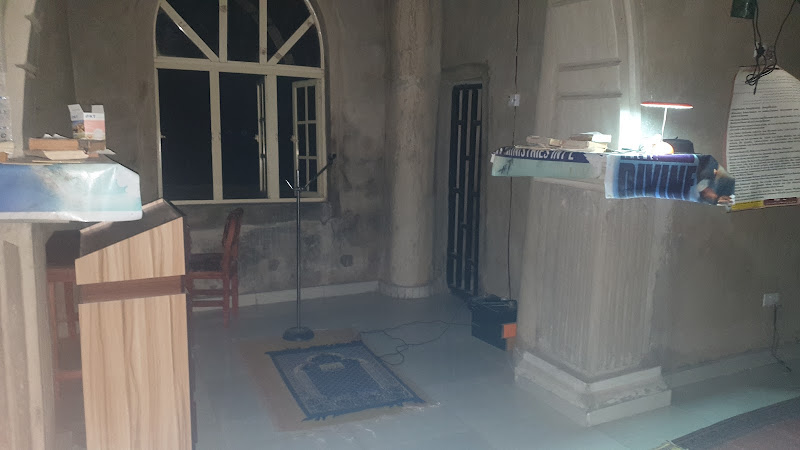
The Adebayo Muslim Community Mosque stands as a meaningful spiritual center that welcomes both local worshippers and curious travelers seeking to understand Islamic culture and religious practices.
Highlights & Key Features
Key Features
Best Time to Visit
How to Get There
Tips for Visiting
Visitor Guide & Information
Description
Travelers who make their way to this mosque often discover something unexpected: the genuine warmth of a community that’s eager to share their faith and traditions with respectful visitors. And honestly, that’s what makes religious sites like this so special. You’re not just observing architecture or checking off a tourist attraction from your list. You’re stepping into a living, breathing community space where daily life and spiritual devotion intersect in the most authentic way possible.
The mosque serves the local Muslim population while also functioning as an educational resource for those interested in learning about Islamic practices, prayer rituals, and the role of mosques in Muslim communities. I’ve always believed that visiting religious sites during your travels—regardless of your own faith background—offers some of the most profound cultural insights you can gain. There’s something humbling about entering a space where people come to seek peace, guidance, and connection with the divine.
What sets the Adebayo Muslim Community Mosque apart is its accessibility to visitors and its commitment to fostering interfaith understanding. The community here recognizes that curiosity and respectful inquiry help bridge cultural divides, and they’ve embraced that responsibility with open arms. But remember, this is first and foremost a sacred space for worship, so approaching your visit with appropriate reverence is essential.
Key Features
The Adebayo Muslim Community Mosque offers several distinctive elements that make it worth including in your travel itinerary:
• Active Prayer Schedule: The mosque maintains the traditional five daily prayer times, giving visitors an opportunity to witness authentic Islamic worship practices if they visit during these periods. The call to prayer echoing through the space creates an atmospheric experience you won’t forget.
• Community-Centered Design: Unlike grand tourist-focused mosques in major cities, this mosque reflects the genuine needs of a local community. The layout and facilities prioritize functionality for daily worship and community activities over ornamental features designed to impress visitors.
• Educational Opportunities: Many travelers have found that respectful questions about Islamic practices are welcomed here. The community often takes time to explain various aspects of their faith, from the significance of prayer positions to the meaning behind architectural elements.
• Gender-Separated Spaces: Following traditional Islamic practice, the mosque provides separate prayer areas for men and women. Understanding this arrangement before you visit helps set appropriate expectations.
• Modest Facilities: The mosque focuses on serving its community’s spiritual needs rather than attracting tourism, which means facilities are practical and unpretentious. This authenticity is actually refreshing compared to some overly commercialized religious sites.
• Community Events: Beyond daily prayers, the mosque hosts various community gatherings, educational sessions, and special observances during Islamic holy periods. If your visit coincides with Ramadan or other significant occasions, you might witness the community coming together in particularly meaningful ways.
• Welcoming Atmosphere: Despite being a working mosque rather than a tourist destination, visitors who approach with respect and genuine interest typically find themselves warmly received by community members.
Best Time to Visit
Timing your visit to the Adebayo Muslim Community Mosque requires some thought about both practical considerations and cultural sensitivity. Let me share what I’ve learned about planning visits to active mosques.
The ideal time for travelers is typically mid-morning on weekdays, after Fajr (dawn prayer) has concluded and before Dhuhr (midday prayer) begins. During this window, the mosque is generally quieter, and you’re less likely to interrupt worship or community activities. That said, if you’re specifically hoping to observe prayers, arriving about 15-20 minutes before one of the five daily prayer times lets you witness the community gathering for worship.
Friday holds special significance in Islam, as this is when the congregational Jumu’ah prayer takes place around midday. While this can be a fascinating time to visit and observe a larger gathering of worshippers, it’s also the busiest period at the mosque. If you do visit on Friday, arrive early and be prepared to stay out of the way—this is the Muslim weekly holy day, and the community deserves space for their important religious obligations.
Seasonally speaking, visiting during Ramadan offers unique insights into Islamic practice, as the community’s schedule revolves around fasting from dawn to sunset. But be aware that this is also an intensely spiritual time, and casual tourism might feel intrusive. If you visit during Ramadan, consider timing your arrival for after sunset when the community breaks their fast together—some mosques welcome respectful observers to witness this communal meal called iftar.
Weather-wise, since much of your visit will be indoors, conditions matter less than at outdoor attractions. However, extremely hot days mean you’ll want to dress modestly while staying comfortable, which can be challenging. Spring and fall generally offer the most pleasant conditions for walking to and from the mosque if you’re exploring the surrounding area as well.
Avoid visiting during the actual prayer times if you’re not comfortable sitting quietly for extended periods. Each prayer session lasts roughly 15-30 minutes, and moving around or leaving mid-prayer would be disruptive and disrespectful.
How to Get There
Getting to the Adebayo Muslim Community Mosque requires some planning, as community mosques like this one aren’t always located in heavily touristed areas with abundant signage or public transit options.
Your best bet is using GPS navigation on your smartphone, which has become pretty much essential for travelers nowadays. I can’t count how many times reliable navigation has saved me from getting hopelessly lost in unfamiliar neighborhoods. Input the mosque’s name or coordinates into your preferred navigation app before you set out.
If you’re driving, understand that parking near community mosques can be limited, especially during Friday prayers or special religious occasions. Arriving early helps secure a spot, and always check for any posted parking restrictions. Some neighborhoods have specific rules about where visitors can park.
Public transportation might serve the area, depending on the local transit network. Research bus routes or other public transit options in advance, and don’t be afraid to ask your hotel concierge or local contacts for advice. Sometimes the most useful travel information comes from people who actually live in the area rather than guidebooks or websites.
Taxis or rideshare services like Uber or local equivalents offer convenience, particularly if you’re unfamiliar with the area. Just make sure the driver knows exactly where you’re going—sometimes community religious centers don’t appear in drivers’ mental maps of the area, and you might need to provide specific directions.
Walking from nearby hotels or other attractions is possible if you’re staying in the same neighborhood. I’ve always found that walking through residential areas gives you a more authentic feel for a place than zooming past in a vehicle. You notice the small details—local shops, how people interact, the rhythm of daily life.
Whatever transportation method you choose, build in extra time. Getting lost or delayed happens, especially when you’re navigating unfamiliar territory. Arriving stressed and rushed doesn’t put you in the right mindset for visiting a sacred space.
Tips for Visiting
Visiting the Adebayo Muslim Community Mosque successfully requires cultural awareness and respectful behavior. Let me share some practical tips that’ll help make your visit meaningful and appropriate.
First and absolutely most important: dress modestly. For women, this means covering your shoulders, arms, and legs—think long sleeves and pants or a long skirt. A headscarf is typically required for women entering the prayer area. If you don’t own one, many mosques keep extras for visitors, but bringing your own shows forethought and respect. For men, long pants and shirts with sleeves are expected. Shorts and tank tops won’t cut it, regardless of how hot it is outside.
Remove your shoes before entering the prayer area. This is non-negotiable in mosques. You’ll typically find a designated shoe storage area near the entrance. I always wear socks when visiting mosques to keep my feet comfortable and clean. Some travelers bring a small bag to carry their shoes, though most mosques have shelves or racks.
Time your visit thoughtfully around prayer schedules. You can usually find prayer times posted at the mosque or online. If you’re hoping to observe prayers, arrive a bit early and position yourself unobtrusively along the back or sides. Never walk in front of someone who’s praying—this is considered extremely disrespectful.
Ask permission before taking photographs. While some mosques welcome photography, others prefer to keep the sacred space free from cameras. Even if photography is allowed, never photograph people praying without explicit permission. I’ve learned that when it comes to religious sites, it’s always better to ask first rather than apologize later.
Silence your phone. Actually, just turn it off completely. The ding of notifications during prayer time is jarring and disrespectful. You can survive without checking your messages for an hour.
Don’t eat, drink, or smoke anywhere inside the mosque. This should go without saying, but it’s worth stating explicitly. Mosques are sacred spaces maintained for worship and spiritual reflection.
If you’re visiting with someone of the opposite gender, be aware that you might be directed to separate areas within the mosque. This isn’t discrimination—it’s religious practice. Don’t take it personally or make a fuss about it.
Speak quietly and move mindfully. Even outside prayer times, mosques maintain an atmosphere of peace and contemplation. Loud conversations, laughter, or boisterous behavior clash with the environment’s purpose.
Be prepared to sit on the floor. Most mosques don’t have pews or chairs. If sitting cross-legged for extended periods is difficult for you, visit during a quieter time when you can observe briefly rather than during a full prayer service.
Show genuine interest and ask respectful questions when appropriate. Many Muslim communities appreciate sincere curiosity about their faith and practices. But gauge the situation—if people are focused on prayer or seem busy, wait for a better moment.
Consider the perspective of worshippers. You’re a guest in their sacred space, not the other way around. Your desire to learn and experience doesn’t override their need to worship peacefully.
Finally, approach your visit with an open heart and mind. Religious spaces offer windows into belief systems and communities that might differ from your own experience. The discomfort or unfamiliarity you might feel is actually part of what makes travel so valuable—it pushes us beyond our comfort zones and helps us grow.
The Adebayo Muslim Community Mosque may not appear in glossy travel magazines or top-ten attraction lists, but that’s precisely what makes it valuable for travelers seeking authentic cultural experiences. Places like this remind us that the most meaningful travel moments often happen off the beaten path, in spaces where real people gather for purposes that have nothing to do with tourism. Your respectful visit becomes an act of cultural exchange—you gain understanding, and the community sees that their traditions and beliefs inspire curiosity and respect beyond their own membership.
The Adebayo Muslim Community Mosque stands as a meaningful spiritual center that welcomes both local worshippers and curious travelers seeking to understand Islamic culture and religious practices. When I first heard about this mosque, I was struck by how it serves as more than just a place of prayer—it’s really become a cornerstone for community gathering and cultural exchange in the area.
Travelers who make their way to this mosque often discover something unexpected: the genuine warmth of a community that’s eager to share their faith and traditions with respectful visitors. And honestly, that’s what makes religious sites like this so special. You’re not just observing architecture or checking off a tourist attraction from your list. You’re stepping into a living, breathing community space where daily life and spiritual devotion intersect in the most authentic way possible.
The mosque serves the local Muslim population while also functioning as an educational resource for those interested in learning about Islamic practices, prayer rituals, and the role of mosques in Muslim communities. I’ve always believed that visiting religious sites during your travels—regardless of your own faith background—offers some of the most profound cultural insights you can gain. There’s something humbling about entering a space where people come to seek peace, guidance, and connection with the divine.
What sets the Adebayo Muslim Community Mosque apart is its accessibility to visitors and its commitment to fostering interfaith understanding. The community here recognizes that curiosity and respectful inquiry help bridge cultural divides, and they’ve embraced that responsibility with open arms. But remember, this is first and foremost a sacred space for worship, so approaching your visit with appropriate reverence is essential.
Key Features
The Adebayo Muslim Community Mosque offers several distinctive elements that make it worth including in your travel itinerary:
• Active Prayer Schedule: The mosque maintains the traditional five daily prayer times, giving visitors an opportunity to witness authentic Islamic worship practices if they visit during these periods. The call to prayer echoing through the space creates an atmospheric experience you won’t forget.
• Community-Centered Design: Unlike grand tourist-focused mosques in major cities, this mosque reflects the genuine needs of a local community. The layout and facilities prioritize functionality for daily worship and community activities over ornamental features designed to impress visitors.
• Educational Opportunities: Many travelers have found that respectful questions about Islamic practices are welcomed here. The community often takes time to explain various aspects of their faith, from the significance of prayer positions to the meaning behind architectural elements.
• Gender-Separated Spaces: Following traditional Islamic practice, the mosque provides separate prayer areas for men and women. Understanding this arrangement before you visit helps set appropriate expectations.
• Modest Facilities: The mosque focuses on serving its community’s spiritual needs rather than attracting tourism, which means facilities are practical and unpretentious. This authenticity is actually refreshing compared to some overly commercialized religious sites.
• Community Events: Beyond daily prayers, the mosque hosts various community gatherings, educational sessions, and special observances during Islamic holy periods. If your visit coincides with Ramadan or other significant occasions, you might witness the community coming together in particularly meaningful ways.
• Welcoming Atmosphere: Despite being a working mosque rather than a tourist destination, visitors who approach with respect and genuine interest typically find themselves warmly received by community members.
Best Time to Visit
Timing your visit to the Adebayo Muslim Community Mosque requires some thought about both practical considerations and cultural sensitivity. Let me share what I’ve learned about planning visits to active mosques.
The ideal time for travelers is typically mid-morning on weekdays, after Fajr (dawn prayer) has concluded and before Dhuhr (midday prayer) begins. During this window, the mosque is generally quieter, and you’re less likely to interrupt worship or community activities. That said, if you’re specifically hoping to observe prayers, arriving about 15-20 minutes before one of the five daily prayer times lets you witness the community gathering for worship.
Friday holds special significance in Islam, as this is when the congregational Jumu’ah prayer takes place around midday. While this can be a fascinating time to visit and observe a larger gathering of worshippers, it’s also the busiest period at the mosque. If you do visit on Friday, arrive early and be prepared to stay out of the way—this is the Muslim weekly holy day, and the community deserves space for their important religious obligations.
Seasonally speaking, visiting during Ramadan offers unique insights into Islamic practice, as the community’s schedule revolves around fasting from dawn to sunset. But be aware that this is also an intensely spiritual time, and casual tourism might feel intrusive. If you visit during Ramadan, consider timing your arrival for after sunset when the community breaks their fast together—some mosques welcome respectful observers to witness this communal meal called iftar.
Weather-wise, since much of your visit will be indoors, conditions matter less than at outdoor attractions. However, extremely hot days mean you’ll want to dress modestly while staying comfortable, which can be challenging. Spring and fall generally offer the most pleasant conditions for walking to and from the mosque if you’re exploring the surrounding area as well.
Avoid visiting during the actual prayer times if you’re not comfortable sitting quietly for extended periods. Each prayer session lasts roughly 15-30 minutes, and moving around or leaving mid-prayer would be disruptive and disrespectful.
How to Get There
Getting to the Adebayo Muslim Community Mosque requires some planning, as community mosques like this one aren’t always located in heavily touristed areas with abundant signage or public transit options.
Your best bet is using GPS navigation on your smartphone, which has become pretty much essential for travelers nowadays. I can’t count how many times reliable navigation has saved me from getting hopelessly lost in unfamiliar neighborhoods. Input the mosque’s name or coordinates into your preferred navigation app before you set out.
If you’re driving, understand that parking near community mosques can be limited, especially during Friday prayers or special religious occasions. Arriving early helps secure a spot, and always check for any posted parking restrictions. Some neighborhoods have specific rules about where visitors can park.
Public transportation might serve the area, depending on the local transit network. Research bus routes or other public transit options in advance, and don’t be afraid to ask your hotel concierge or local contacts for advice. Sometimes the most useful travel information comes from people who actually live in the area rather than guidebooks or websites.
Taxis or rideshare services like Uber or local equivalents offer convenience, particularly if you’re unfamiliar with the area. Just make sure the driver knows exactly where you’re going—sometimes community religious centers don’t appear in drivers’ mental maps of the area, and you might need to provide specific directions.
Walking from nearby hotels or other attractions is possible if you’re staying in the same neighborhood. I’ve always found that walking through residential areas gives you a more authentic feel for a place than zooming past in a vehicle. You notice the small details—local shops, how people interact, the rhythm of daily life.
Whatever transportation method you choose, build in extra time. Getting lost or delayed happens, especially when you’re navigating unfamiliar territory. Arriving stressed and rushed doesn’t put you in the right mindset for visiting a sacred space.
Tips for Visiting
Visiting the Adebayo Muslim Community Mosque successfully requires cultural awareness and respectful behavior. Let me share some practical tips that’ll help make your visit meaningful and appropriate.
First and absolutely most important: dress modestly. For women, this means covering your shoulders, arms, and legs—think long sleeves and pants or a long skirt. A headscarf is typically required for women entering the prayer area. If you don’t own one, many mosques keep extras for visitors, but bringing your own shows forethought and respect. For men, long pants and shirts with sleeves are expected. Shorts and tank tops won’t cut it, regardless of how hot it is outside.
Remove your shoes before entering the prayer area. This is non-negotiable in mosques. You’ll typically find a designated shoe storage area near the entrance. I always wear socks when visiting mosques to keep my feet comfortable and clean. Some travelers bring a small bag to carry their shoes, though most mosques have shelves or racks.
Time your visit thoughtfully around prayer schedules. You can usually find prayer times posted at the mosque or online. If you’re hoping to observe prayers, arrive a bit early and position yourself unobtrusively along the back or sides. Never walk in front of someone who’s praying—this is considered extremely disrespectful.
Ask permission before taking photographs. While some mosques welcome photography, others prefer to keep the sacred space free from cameras. Even if photography is allowed, never photograph people praying without explicit permission. I’ve learned that when it comes to religious sites, it’s always better to ask first rather than apologize later.
Silence your phone. Actually, just turn it off completely. The ding of notifications during prayer time is jarring and disrespectful. You can survive without checking your messages for an hour.
Don’t eat, drink, or smoke anywhere inside the mosque. This should go without saying, but it’s worth stating explicitly. Mosques are sacred spaces maintained for worship and spiritual reflection.
If you’re visiting with someone of the opposite gender, be aware that you might be directed to separate areas within the mosque. This isn’t discrimination—it’s religious practice. Don’t take it personally or make a fuss about it.
Speak quietly and move mindfully. Even outside prayer times, mosques maintain an atmosphere of peace and contemplation. Loud conversations, laughter, or boisterous behavior clash with the environment’s purpose.
Be prepared to sit on the floor. Most mosques don’t have pews or chairs. If sitting cross-legged for extended periods is difficult for you, visit during a quieter time when you can observe briefly rather than during a full prayer service.
Show genuine interest and ask respectful questions when appropriate. Many Muslim communities appreciate sincere curiosity about their faith and practices. But gauge the situation—if people are focused on prayer or seem busy, wait for a better moment.
Consider the perspective of worshippers. You’re a guest in their sacred space, not the other way around. Your desire to learn and experience doesn’t override their need to worship peacefully.
Finally, approach your visit with an open heart and mind. Religious spaces offer windows into belief systems and communities that might differ from your own experience. The discomfort or unfamiliarity you might feel is actually part of what makes travel so valuable—it pushes us beyond our comfort zones and helps us grow.
The Adebayo Muslim Community Mosque may not appear in glossy travel magazines or top-ten attraction lists, but that’s precisely what makes it valuable for travelers seeking authentic cultural experiences. Places like this remind us that the most meaningful travel moments often happen off the beaten path, in spaces where real people gather for purposes that have nothing to do with tourism. Your respectful visit becomes an act of cultural exchange—you gain understanding, and the community sees that their traditions and beliefs inspire curiosity and respect beyond their own membership.
Key Highlights
Key Features
Best Time to Visit
How to Get There
Tips for Visiting
Location
Places to Stay Near Adebayo Muslim Community Mosque
Location: Ado-Ekiti, Ekiti State, Nigeria
Area: Adebayo district (north-eastern side of Ado-Ekiti)
What this guide covers: how to locate the mosque area, etiquette and accessibility tips, what’s known (and unknown) about facilities, and context you won’t usually see in quick listing pages.
Data integrity note: Public sources list an Adebayo Muslim Community Mosque in Ado-Ekiti and place it in the Adebayo area with a Plus Code shown as J6WH+RW on mosque directories. Your provided Plus Code (M62G+8VH) also resolves to Ado-Ekiti. Because addresses in Ado-Ekiti often rely on area names and Plus Codes rather than numbered street addresses, expect minor discrepancies across directories and on-the-ground signage.Prayers Connect
Why Adebayo Mosque matters in Ado-Ekiti
Ado-Ekiti’s Adebayo corridor is a busy residential–commercial strip with several prayer spaces serving commuters and shopkeepers. Independent directories specifically list Adebayo Muslim Community Mosque as a Sunni congregation point for daily prayers and Jumu’ah (Friday prayers). These listings typically include language support (often Hausa) and emphasize community use rather than tourism. If you’re mapping a city prayer plan—or you’re a traveler who schedules around prayer times—Adebayo is one of the easier Ado-Ekiti areas to find a masjid within walking distance of transport and shops.Prayers Connect
Finding it: navigation, Plus Codes & offline reality
Use area + Plus Code together. In Ado-Ekiti, Plus Codes (e.g., J6WH+RW from public listings; your field data shows M62G+8VH) are commonly used on signboards and for ride-hailing pin drops. If one code doesn’t resolve precisely, search “Adebayo Muslim Community Mosque, Ado-Ekiti” and confirm with the area name Adebayo at pickup.Prayers Connect
Expect small approach roads. Side streets can be unnumbered; drivers and shopkeepers usually know “Adebayo Mosque” or “Adebayo Muslim Community Mosque.”
Coordinates sanity-check. Ado-Ekiti itself sits roughly around 7.62° N, 5.22° E; if your map pin is wildly outside that band, you’ve likely tapped the wrong “Adebayo.”LatLong
Prayer times & planning
Check a live directory before you set out. Mosque directories in Nigeria (including Ado-Ekiti) publish prayer times and sometimes a basic “TV” view for display boards. These updates help you align with local iqamah timing, which can shift slightly with community practice.Prayers Connect
Friday (Jumu’ah). Expect the mid-day surge between khutbah and salah. Arrive early for parking or to find indoor space.
Tip: When accuracy matters (Ramadan iftar plans, Jumu’ah timing, Eid), confirm times on the directory and with a quick phone-ask or in-person check earlier in the day. The prayer schedule pages are helpful but not an official government feed.Prayers Connect
Facilities: what’s known—and what isn’t
Public listings for Adebayo Muslim Community Mosque focus on name, area and denomination; they do not provide a verified, detailed amenity list (e.g., women’s hall, wheelchair access, parking count). Another Ado-Ekiti listing (the Central Mosque in the city) does enumerate facilities—separate women’s space, wudu, restrooms, basic parking—but those details apply to the Central Mosque, not automatically to Adebayo. Avoid assuming parity. If you need a women’s section or specific accessibility features, verify on arrival or by asking a local shopkeeper first.Prayers Connect
Dress, etiquette & photography
Dress code: long trousers for men; for women, long skirt/trousers with long sleeves and a headscarf for prayer.
Shoes: leave at the entrance or wherever the racks indicate.
Photography: always ask before photographing people or prayer spaces; many congregations prefer no photos during prayers.
Donations: small cash contributions for upkeep are customary when offered a box or request slip.
(These are general mosque norms in Nigeria; they align with practices you’ll encounter citywide in Ekiti State.)
Important local context (2017 demolition dispute)
In 2017, there was a well-reported dispute in Ado-Ekiti concerning a mosque located inside a filling station in the Adebayo area. Government officials marked it for demolition citing planning/safety concerns; Muslim groups protested; Friday prayers at the affected site were temporarily suspended while leaders advised congregants to use other mosques. This episode involved a mosque at a fuel station in Adebayo, not the entirety of Adebayo’s mosques, and coverage emphasized the site-specific nature of the dispute. If you hear locals reference “that demolished/suspended mosque,” this is what they mean. (It’s valuable context, especially if you’re tracing older pins or blog posts.)Punch
Outdated-data flag: Some older blogs and social posts may still reference the 2017 status at that fuel-station mosque without updates. Treat any single, older source as historical context rather than current operating info. Cross-check with an up-to-date directory entry for Adebayo Muslim Community Mosque when planning a visit.Prayers Connect
Safety & access basics
Day vs. night: Daytime visits are straightforward. For early Fajr or late Isha, arrange transport door-to-door.
Cash on hand: Small bills help with donations or buying water nearby.
Footwear strategy: Bring a lightweight shoe bag; some entrances are outdoors and can be dusty in dry season.
Nearby alternatives in Ado-Ekiti (useful if timing or capacity is an issue)
Ado-Ekiti Central Mosque (different site): documented amenities include separate women’s prayer space, wudu, restrooms and on-premise parking. If you require those facilities for Friday prayer or Eid, this listing is the most explicit in Ado-Ekiti. Confirm location details before you go.Prayers Connect
Quick checklist before you go
Pin both terms: “Adebayo Muslim Community Mosque” and “Adebayo, Ado-Ekiti.” If a Plus Code fails, the area name will still get you there.Prayers Connect
Check a live timetable panel the morning of your visit.Prayers Connect
Women’s facilities needed? If yes, have the Central Mosque as a fallback where facilities are explicitly listed.Prayers Connect
Plan transport for Jumu’ah—arrive early to avoid overflow.
Be mindful of the 2017 Adebayo fuel-station dispute when reading old posts; verify current status via a recent directory entry rather than a 2017 article.Punch
Bottom line
You can plan prayers in the Adebayo area of Ado-Ekiti with confidence by combining the current directory entry for Adebayo Muslim Community Mosque with on-the-ground confirmation. Treat older coverage of the 2017 fuel-station controversy as historical, not a blanket statement about all mosques in Adebayo. When exact amenities matter (women’s section, restrooms, wheelchair access), verify locally or route to the Central Mosque where facilities are clearly documented online.Prayers Connect
Sources used prioritize verifiable listings and contemporaneous reporting. If you spot a new official page or notice boards with updated details, use those over older third-party posts and let me know—I’ll update this guide with the most reliable source available.
Explore verified points of interest within walking or short transit distance.
No neighboring places mapped within 5 km yet.
Find Places to Stay Nearby
Stay22 provides this accommodation search. We may earn a commission if you book through it; verify current prices and terms with the provider.
🗺️
Interactive accommodation map requires marketing cookies to display live rates.
Recommended Experiences & Activities
GetYourGuide provides this tour inventory. We may earn a commission if you book through it; verify current availability, prices, and terms with the provider.
Top Viator Experiences & Guided Tours in Ado Ekiti
We may earn a commission if you book through links on this page at no extra cost to you. All tours feature verified customer reviews and flexible cancellation options.