
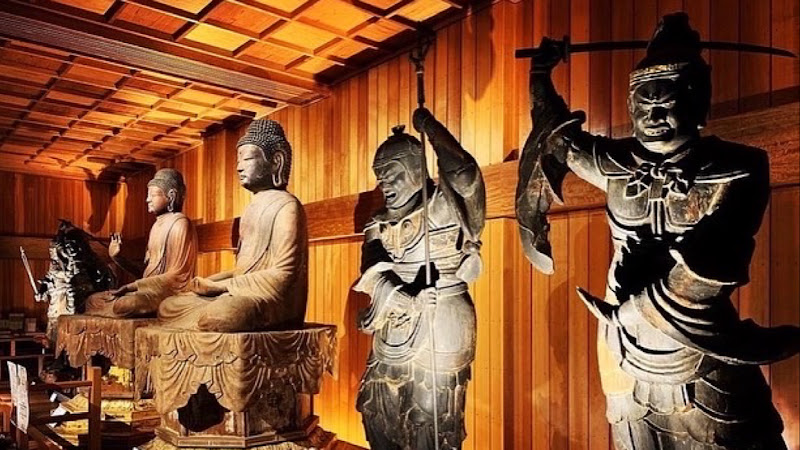
Fumonji Temple
About Fumonji Temple
Description
Fumonji Temple is one of those places that quietly works its way into a traveler’s memory. It doesn’t shout for attention, and honestly, that’s part of the charm. As a Buddhist temple that also functions as a cemetery and local attraction, it carries a layered identity that feels very real, very lived-in. People come here for different reasons—reflection, photography, family history, or just to stretch their legs somewhere peaceful—and somehow it accommodates all of that without losing its soul.
The grounds have a slightly weathered look, the kind that tells you the temple hasn’t been polished just for tourists. And that’s refreshing. Stone markers sit among trees, paths curve instead of running straight, and there’s a sense that time moves slower here. Especially in autumn. The fall colors are the real showstopper, when reds and golds spill across the cemetery and temple grounds in a way that feels almost cinematic. I once visited on a chilly October afternoon, hands shoved in my pockets, and ended up staying way longer than planned just watching leaves fall. No regrets.
Travelers should know that Fumonji Temple isn’t a theme-park version of spirituality. It’s active, meaningful, and sometimes quiet to the point where you hear your own footsteps. But it’s also welcoming. There’s an openness in the atmosphere that makes visitors feel accepted, regardless of background or identity. That inclusive spirit matters, especially for those who don’t always feel comfortable in traditional religious spaces.
The temple also functions as a cemetery, which might give some travelers pause. But in practice, it adds depth rather than heaviness. Locals come to pay respects, tourists wander respectfully, and both coexist just fine. It’s a reminder that travel isn’t only about seeing beautiful things, but also about understanding how communities honor life and memory.
Key Features
- Traditional Buddhist temple architecture with understated, authentic design
- Cemetery grounds that reflect local customs and ancestral traditions
- Excellent fall foliage viewing, especially in late autumn
- Peaceful walking paths ideal for slow, reflective exploration
- Restroom facilities available on-site, which is more useful than it sounds
- Free parking options including on-site, street, and lot parking
- Known as a welcoming, LGBTQ+ friendly and transgender-safe space
- A quieter alternative to more crowded temples and attractions
Best Time to Visit
If you’re timing your visit carefully—and you probably should—the best season to experience Fumonji Temple is fall. Late October into early November is prime time for fall colors, when the trees around the cemetery and temple grounds turn warm shades that photographers love. Even if you’re not carrying a fancy camera, your phone will get a workout. Morning light is especially kind here, soft and slightly misty on cooler days.
Spring is also pleasant, though it’s more subtle. You won’t get the dramatic color shifts of autumn, but there’s a gentle freshness to the air and a sense of renewal that fits the temple’s spiritual roots. Summer can be warm, and the shade from trees helps, but midday heat might make long walks less appealing. Winter, while quiet and almost meditative, can feel stark. Some people love that stripped-down look, others don’t. Depends on your mood, really.
Weekdays tend to be calmer than weekends. If you value solitude or want to take your time reading inscriptions and observing details, aim for a weekday morning. And yes, there are times when you might feel like you’re the only visitor around. That’s not a bug, it’s a feature.
How to Get There
Getting to Fumonji Temple is generally straightforward, especially if you’re already traveling through the region. Most visitors arrive by car, which is honestly the easiest option. Free parking is available, and that alone makes the trip feel less stressful. No circling blocks, no wondering if you’ll get a ticket. Just park and go.
If you’re using public transportation, expect a bit of walking. The nearest stops usually connect via local routes rather than direct lines, so plan for a short stroll through the neighborhood. Personally, I don’t mind that at all. That walk is part of the experience. You see everyday life unfolding—kids biking, neighbors chatting—and then suddenly you’re stepping into this calm, contemplative space. It’s a nice transition.
Ride-shares can work too, though availability may vary depending on the time of day. If you’re not in a rush, combining public transport with a short walk gives you a better sense of place. And for travelers who like to wander, this approach fits the temple’s unhurried vibe.
Tips for Visiting
First and foremost, remember that Fumonji Temple is an active religious and memorial site. Be respectful. That sounds obvious, but it’s worth saying. Keep voices low, avoid stepping on grave markers, and be mindful when taking photos. If you see locals paying respects, give them space. Observing quietly can teach you more than any guidebook.
Wear comfortable shoes. The paths aren’t difficult, but you’ll want to wander, and wandering here is half the point. I once made the mistake of visiting in stiff shoes and regretted it about ten minutes in. Lesson learned.
Accessibility is limited. There are restrooms on-site, which is great, but wheelchair access is not fully supported. If mobility is a concern, it’s a good idea to plan ahead and assess what areas feel manageable.
Bring a light jacket in fall, even if the day starts warm. Temperatures can drop quickly, especially in shaded areas. And if you’re visiting specifically for fall colors, aim for a slightly overcast day. The colors pop more, oddly enough.
Finally, don’t rush. This isn’t a checkbox destination. It’s a place where lingering pays off. Sit on a bench. Watch the leaves move. Let your thoughts wander a bit. Travelers often underestimate how restorative that can be. Fumonji Temple doesn’t demand your attention—but if you give it, it gives something back.
Key Features
- Traditional Buddhist temple architecture with understated, authentic design
- Cemetery grounds that reflect local customs and ancestral traditions
- Excellent fall foliage viewing, especially in late autumn
- Peaceful walking paths ideal for slow, reflective exploration
- Restroom facilities available on-site, which is more useful than it sounds
- Free parking options including on-site, street, and lot parking
- Known as a welcoming, LGBTQ+ friendly and transgender-safe space
- A quieter alternative to more crowded temples and attractions
More Details
Updated December 31, 2025
Table of Contents
Description
Fumonji Temple is one of those places that quietly works its way into a traveler’s memory. It doesn’t shout for attention, and honestly, that’s part of the charm. As a Buddhist temple that also functions as a cemetery and local attraction, it carries a layered identity that feels very real, very lived-in. People come here for different reasons—reflection, photography, family history, or just to stretch their legs somewhere peaceful—and somehow it accommodates all of that without losing its soul.
The grounds have a slightly weathered look, the kind that tells you the temple hasn’t been polished just for tourists. And that’s refreshing. Stone markers sit among trees, paths curve instead of running straight, and there’s a sense that time moves slower here. Especially in autumn. The fall colors are the real showstopper, when reds and golds spill across the cemetery and temple grounds in a way that feels almost cinematic. I once visited on a chilly October afternoon, hands shoved in my pockets, and ended up staying way longer than planned just watching leaves fall. No regrets.
Travelers should know that Fumonji Temple isn’t a theme-park version of spirituality. It’s active, meaningful, and sometimes quiet to the point where you hear your own footsteps. But it’s also welcoming. There’s an openness in the atmosphere that makes visitors feel accepted, regardless of background or identity. That inclusive spirit matters, especially for those who don’t always feel comfortable in traditional religious spaces.
The temple also functions as a cemetery, which might give some travelers pause. But in practice, it adds depth rather than heaviness. Locals come to pay respects, tourists wander respectfully, and both coexist just fine. It’s a reminder that travel isn’t only about seeing beautiful things, but also about understanding how communities honor life and memory.
Key Features
- Traditional Buddhist temple architecture with understated, authentic design
- Cemetery grounds that reflect local customs and ancestral traditions
- Excellent fall foliage viewing, especially in late autumn
- Peaceful walking paths ideal for slow, reflective exploration
- Restroom facilities available on-site, which is more useful than it sounds
- Free parking options including on-site, street, and lot parking
- Known as a welcoming, LGBTQ+ friendly and transgender-safe space
- A quieter alternative to more crowded temples and attractions
Best Time to Visit
If you’re timing your visit carefully—and you probably should—the best season to experience Fumonji Temple is fall. Late October into early November is prime time for fall colors, when the trees around the cemetery and temple grounds turn warm shades that photographers love. Even if you’re not carrying a fancy camera, your phone will get a workout. Morning light is especially kind here, soft and slightly misty on cooler days.
Spring is also pleasant, though it’s more subtle. You won’t get the dramatic color shifts of autumn, but there’s a gentle freshness to the air and a sense of renewal that fits the temple’s spiritual roots. Summer can be warm, and the shade from trees helps, but midday heat might make long walks less appealing. Winter, while quiet and almost meditative, can feel stark. Some people love that stripped-down look, others don’t. Depends on your mood, really.
Weekdays tend to be calmer than weekends. If you value solitude or want to take your time reading inscriptions and observing details, aim for a weekday morning. And yes, there are times when you might feel like you’re the only visitor around. That’s not a bug, it’s a feature.
How to Get There
Getting to Fumonji Temple is generally straightforward, especially if you’re already traveling through the region. Most visitors arrive by car, which is honestly the easiest option. Free parking is available, and that alone makes the trip feel less stressful. No circling blocks, no wondering if you’ll get a ticket. Just park and go.
If you’re using public transportation, expect a bit of walking. The nearest stops usually connect via local routes rather than direct lines, so plan for a short stroll through the neighborhood. Personally, I don’t mind that at all. That walk is part of the experience. You see everyday life unfolding—kids biking, neighbors chatting—and then suddenly you’re stepping into this calm, contemplative space. It’s a nice transition.
Ride-shares can work too, though availability may vary depending on the time of day. If you’re not in a rush, combining public transport with a short walk gives you a better sense of place. And for travelers who like to wander, this approach fits the temple’s unhurried vibe.
Tips for Visiting
First and foremost, remember that Fumonji Temple is an active religious and memorial site. Be respectful. That sounds obvious, but it’s worth saying. Keep voices low, avoid stepping on grave markers, and be mindful when taking photos. If you see locals paying respects, give them space. Observing quietly can teach you more than any guidebook.
Wear comfortable shoes. The paths aren’t difficult, but you’ll want to wander, and wandering here is half the point. I once made the mistake of visiting in stiff shoes and regretted it about ten minutes in. Lesson learned.
Accessibility is limited. There are restrooms on-site, which is great, but wheelchair access is not fully supported. If mobility is a concern, it’s a good idea to plan ahead and assess what areas feel manageable.
Bring a light jacket in fall, even if the day starts warm. Temperatures can drop quickly, especially in shaded areas. And if you’re visiting specifically for fall colors, aim for a slightly overcast day. The colors pop more, oddly enough.
Finally, don’t rush. This isn’t a checkbox destination. It’s a place where lingering pays off. Sit on a bench. Watch the leaves move. Let your thoughts wander a bit. Travelers often underestimate how restorative that can be. Fumonji Temple doesn’t demand your attention—but if you give it, it gives something back.
Key Highlights
- Traditional Buddhist temple architecture with understated, authentic design
- Cemetery grounds that reflect local customs and ancestral traditions
- Excellent fall foliage viewing, especially in late autumn
- Peaceful walking paths ideal for slow, reflective exploration
- Restroom facilities available on-site, which is more useful than it sounds
- Free parking options including on-site, street, and lot parking
- Known as a welcoming, LGBTQ+ friendly and transgender-safe space
- A quieter alternative to more crowded temples and attractions
Location
Places to Stay Near Fumonji Temple
Find and Book a Tour
Explore More Travel Guides
No reviews found! Be the first to review!
Traveler Reviews for Fumonji Temple
There are no reviews yet. Be the first one to write one.
Have you visited Fumonji Temple? Help other travelers by sharing your review.
You Might Also Like

Boss Kaloy
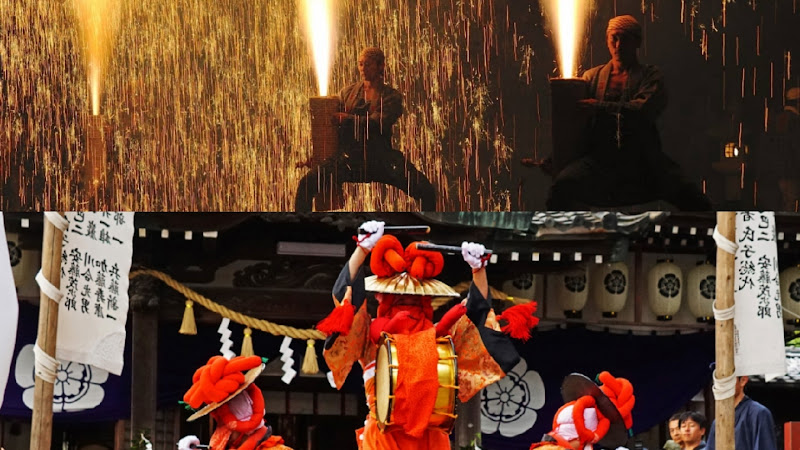
Yoshida Shrine
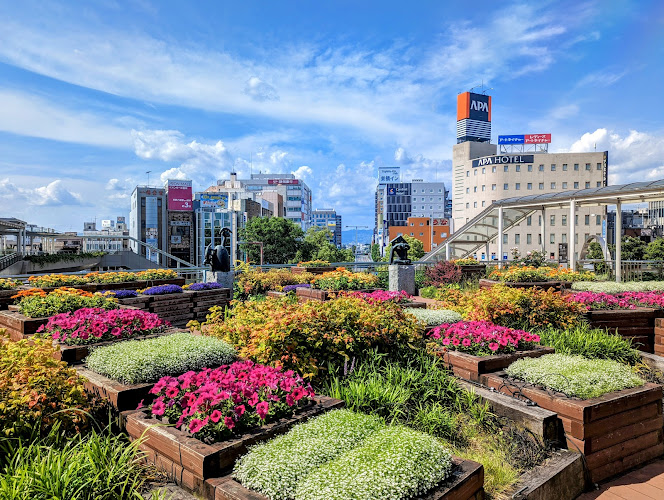
Toyohashi
Find Accommodations Nearby
Recommended Tours & Activities
Visitor Reviews
There are no reviews yet. Be the first one to write one.
Share Your Experience
Have you visited Fumonji Temple? Help other travelers by leaving a review.