About Toyohashi

Description

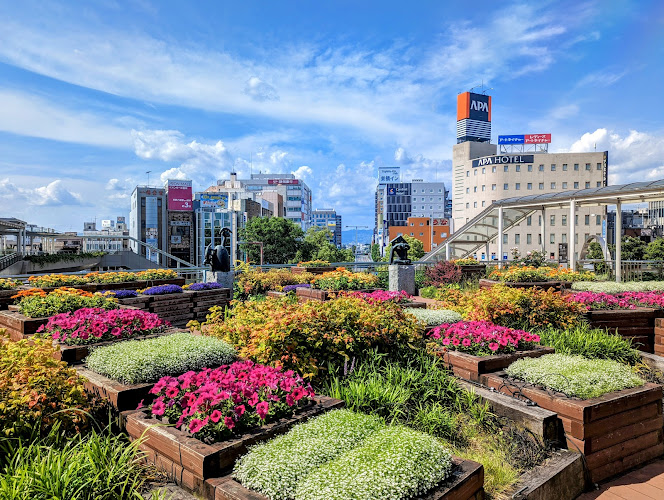
Toyohashi is one of those Japanese cities that doesn’t shout for attention, and honestly, that’s part of its charm. Sitting in central Japan, it works as a kind of quiet connector between bigger names like Nagoya and the rest of Aichi Prefecture. Travelers who slow down here tend to realize pretty fast that Toyohashi rewards curiosity. It’s not polished for mass tourism, and that’s refreshing. You walk a few blocks and suddenly you’re shifting from modern city streets to traces of ancient Japan that feel oddly close, almost touchable.

The city spreads out comfortably rather than vertically, which makes exploring on foot or by local transport feel doable, not exhausting. Toyohashi has a strong relationship with nature, history, and daily life all mixed together. One minute you’re hearing birds in a wetland, the next you’re standing where samurai once walked. And then you’re eating a bowl of noodles that costs less than a coffee back home. That balance is what sticks with people.

Non Hoi Park is often the first surprise. It’s vast, like someone decided to combine a botanical garden, a zoo, and a natural history museum into one green sprawl and just… let it breathe. Families come here, sure, but solo travelers and couples linger longer than expected. North of the city center, Yoshida Castle grounds quietly mark Toyohashi’s historical backbone. The castle itself is reconstructed, but the setting—especially during cherry blossom season—feels authentic and unforced.

What really sets Toyohashi apart is how casually it treats its own history. The Urigo Ruins, with reconstructed dwellings dating back to around 200 CE, aren’t fenced off in a dramatic way. They’re just there, existing. Same goes for the Futagawa Syuku Honjin Museum, once an inn along the Edo-period Tokaido Road. It doesn’t try to entertain you. It just tells its story and lets you decide how much it matters. Funny thing is, it usually ends up mattering a lot.

And then there’s Imo Bog. Boardwalks stretch across wetlands filled with rare native plants. It’s quiet in a way that feels intentional, not staged. On my own visit, I remember thinking I’d spend maybe 20 minutes there. I stayed nearly two hours. Time does that here—it loosens its grip a bit.

Key Features

  • Non Hoi Park combining a botanical garden, zoo, and natural history museum across a massive green space
  • Yoshida Castle grounds offering seasonal cherry blossoms and a glimpse into feudal-era Toyohashi
  • Urigo Ruins with reconstructed dwellings dating back to around 200 CE
  • Futagawa Syuku Honjin Museum, a preserved Edo-period inn on the historic Tokaido Road
  • Imo Bog wetlands featuring boardwalks and rare native plant species
  • Manageable city layout that makes exploring without a car realistic
  • Local food culture that feels everyday and honest, not performative

Best Time to Visit

Spring is the obvious favorite, and yes, cherry blossom season around Yoshida Castle really is special. Late March into early April brings soft pink views without the shoulder-to-shoulder crowds you get in more famous cities. It feels calmer. More local. Summer can be humid, no point pretending otherwise, but festivals and long daylight hours make up for it if you don’t mind sweating a bit.

Autumn is a personal favorite, and I’ll admit bias here. The air cools, the wetlands at Imo Bog shift in color, and walking becomes a pleasure instead of a chore. It’s also harvest season, which subtly improves food quality across the city. Winter is quiet. Not dead, just subdued. If you like empty museums, peaceful streets, and the feeling that a place is letting you see its unfiltered self, winter works.

Statistically speaking, Toyohashi sees its most visitors in spring and autumn, but the gap isn’t massive. That tells you something: it’s not overrun, even at peak times. For travelers trying to avoid crowds while still experiencing Japan in full color, that’s gold.

How to Get There

Getting to Toyohashi is straightforward, which might surprise people who haven’t heard much about it. Major train lines connect it efficiently to nearby cities. From Nagoya, the ride is quick enough that it feels almost like a commute rather than a journey. Once you arrive, the station area is functional, not flashy. And that’s fine. You’re not here for spectacle.

Local trains and buses cover most major spots, including Non Hoi Park and the historic areas. Renting a bike is also an underrated option. The city’s relatively flat layout makes cycling easy, and you notice details you’d miss otherwise. I once stumbled onto a tiny shrine that wasn’t on any map, just because I took a wrong turn. Best mistake of that day.

If you’re coming from further afield, Toyohashi works well as a stopover rather than a rushed day trip. Staying overnight changes the rhythm. The evenings are quieter, the mornings slower, and that’s when the city really opens up.

Tips for Visiting

First tip: don’t overplan. Toyohashi isn’t about ticking boxes. Leave space to wander, especially around historical districts and green spaces. Comfortable shoes matter more here than a packed itinerary. And yes, bring cash. Smaller eateries and local spots still prefer it.

Non Hoi Park deserves more time than you think. Pick one or two sections and enjoy them properly instead of trying to see everything. Same goes for Imo Bog—walk slowly, read the signs, listen. It’s not Instagram bait, and that’s kind of the point.

When visiting museums like Futagawa Syuku Honjin, take a moment to imagine the travelers who passed through centuries ago. It adds weight to what you’re seeing. Sounds cheesy, I know, but it works. Also, signage in English exists but isn’t everywhere. A translation app helps, but so does patience and a smile. Locals are generally kind, even if they’re a bit reserved at first.

Food-wise, eat where locals eat. If a place looks busy with regulars and has a short menu, that’s your spot. Toyohashi doesn’t chase food trends, and that’s a good thing. You’ll get honest flavors without the markup.

Finally, give Toyohashi permission to be what it is. Not a headline destination. Not a checklist city. Just a place that reveals itself gradually. Travelers who approach it that way usually leave with better stories than they expected. And maybe that’s the best souvenir of all.

Key Features

  • Non Hoi Park combining a botanical garden, zoo, and natural history museum across a massive green space
  • Yoshida Castle grounds offering seasonal cherry blossoms and a glimpse into feudal-era Toyohashi
  • Urigo Ruins with reconstructed dwellings dating back to around 200 CE
  • Futagawa Syuku Honjin Museum, a preserved Edo-period inn on the historic Tokaido Road
  • Imo Bog wetlands featuring boardwalks and rare native plant species
  • Manageable city layout that makes exploring without a car realistic
  • Local food culture that feels everyday and honest, not performative

More Details

Updated December 31, 2025

Description

Toyohashi is one of those Japanese cities that doesn’t shout for attention, and honestly, that’s part of its charm. Sitting in central Japan, it works as a kind of quiet connector between bigger names like Nagoya and the rest of Aichi Prefecture. Travelers who slow down here tend to realize pretty fast that Toyohashi rewards curiosity. It’s not polished for mass tourism, and that’s refreshing. You walk a few blocks and suddenly you’re shifting from modern city streets to traces of ancient Japan that feel oddly close, almost touchable.

The city spreads out comfortably rather than vertically, which makes exploring on foot or by local transport feel doable, not exhausting. Toyohashi has a strong relationship with nature, history, and daily life all mixed together. One minute you’re hearing birds in a wetland, the next you’re standing where samurai once walked. And then you’re eating a bowl of noodles that costs less than a coffee back home. That balance is what sticks with people.

Non Hoi Park is often the first surprise. It’s vast, like someone decided to combine a botanical garden, a zoo, and a natural history museum into one green sprawl and just… let it breathe. Families come here, sure, but solo travelers and couples linger longer than expected. North of the city center, Yoshida Castle grounds quietly mark Toyohashi’s historical backbone. The castle itself is reconstructed, but the setting—especially during cherry blossom season—feels authentic and unforced.

What really sets Toyohashi apart is how casually it treats its own history. The Urigo Ruins, with reconstructed dwellings dating back to around 200 CE, aren’t fenced off in a dramatic way. They’re just there, existing. Same goes for the Futagawa Syuku Honjin Museum, once an inn along the Edo-period Tokaido Road. It doesn’t try to entertain you. It just tells its story and lets you decide how much it matters. Funny thing is, it usually ends up mattering a lot.

And then there’s Imo Bog. Boardwalks stretch across wetlands filled with rare native plants. It’s quiet in a way that feels intentional, not staged. On my own visit, I remember thinking I’d spend maybe 20 minutes there. I stayed nearly two hours. Time does that here—it loosens its grip a bit.

Key Features

  • Non Hoi Park combining a botanical garden, zoo, and natural history museum across a massive green space
  • Yoshida Castle grounds offering seasonal cherry blossoms and a glimpse into feudal-era Toyohashi
  • Urigo Ruins with reconstructed dwellings dating back to around 200 CE
  • Futagawa Syuku Honjin Museum, a preserved Edo-period inn on the historic Tokaido Road
  • Imo Bog wetlands featuring boardwalks and rare native plant species
  • Manageable city layout that makes exploring without a car realistic
  • Local food culture that feels everyday and honest, not performative

Best Time to Visit

Spring is the obvious favorite, and yes, cherry blossom season around Yoshida Castle really is special. Late March into early April brings soft pink views without the shoulder-to-shoulder crowds you get in more famous cities. It feels calmer. More local. Summer can be humid, no point pretending otherwise, but festivals and long daylight hours make up for it if you don’t mind sweating a bit.

Autumn is a personal favorite, and I’ll admit bias here. The air cools, the wetlands at Imo Bog shift in color, and walking becomes a pleasure instead of a chore. It’s also harvest season, which subtly improves food quality across the city. Winter is quiet. Not dead, just subdued. If you like empty museums, peaceful streets, and the feeling that a place is letting you see its unfiltered self, winter works.

Statistically speaking, Toyohashi sees its most visitors in spring and autumn, but the gap isn’t massive. That tells you something: it’s not overrun, even at peak times. For travelers trying to avoid crowds while still experiencing Japan in full color, that’s gold.

How to Get There

Getting to Toyohashi is straightforward, which might surprise people who haven’t heard much about it. Major train lines connect it efficiently to nearby cities. From Nagoya, the ride is quick enough that it feels almost like a commute rather than a journey. Once you arrive, the station area is functional, not flashy. And that’s fine. You’re not here for spectacle.

Local trains and buses cover most major spots, including Non Hoi Park and the historic areas. Renting a bike is also an underrated option. The city’s relatively flat layout makes cycling easy, and you notice details you’d miss otherwise. I once stumbled onto a tiny shrine that wasn’t on any map, just because I took a wrong turn. Best mistake of that day.

If you’re coming from further afield, Toyohashi works well as a stopover rather than a rushed day trip. Staying overnight changes the rhythm. The evenings are quieter, the mornings slower, and that’s when the city really opens up.

Tips for Visiting

First tip: don’t overplan. Toyohashi isn’t about ticking boxes. Leave space to wander, especially around historical districts and green spaces. Comfortable shoes matter more here than a packed itinerary. And yes, bring cash. Smaller eateries and local spots still prefer it.

Non Hoi Park deserves more time than you think. Pick one or two sections and enjoy them properly instead of trying to see everything. Same goes for Imo Bog—walk slowly, read the signs, listen. It’s not Instagram bait, and that’s kind of the point.

When visiting museums like Futagawa Syuku Honjin, take a moment to imagine the travelers who passed through centuries ago. It adds weight to what you’re seeing. Sounds cheesy, I know, but it works. Also, signage in English exists but isn’t everywhere. A translation app helps, but so does patience and a smile. Locals are generally kind, even if they’re a bit reserved at first.

Food-wise, eat where locals eat. If a place looks busy with regulars and has a short menu, that’s your spot. Toyohashi doesn’t chase food trends, and that’s a good thing. You’ll get honest flavors without the markup.

Finally, give Toyohashi permission to be what it is. Not a headline destination. Not a checklist city. Just a place that reveals itself gradually. Travelers who approach it that way usually leave with better stories than they expected. And maybe that’s the best souvenir of all.

Key Highlights

  • Non Hoi Park combining a botanical garden, zoo, and natural history museum across a massive green space
  • Yoshida Castle grounds offering seasonal cherry blossoms and a glimpse into feudal-era Toyohashi
  • Urigo Ruins with reconstructed dwellings dating back to around 200 CE
  • Futagawa Syuku Honjin Museum, a preserved Edo-period inn on the historic Tokaido Road
  • Imo Bog wetlands featuring boardwalks and rare native plant species
  • Manageable city layout that makes exploring without a car realistic
  • Local food culture that feels everyday and honest, not performative

Location

Places to Stay Near Toyohashi

Find and Book a Tour

Explore More Travel Guides

No reviews found! Be the first to review!

Traveler Reviews for Toyohashi

There are no reviews yet. Be the first one to write one.

Share Your Experience

Have you visited Toyohashi? Help other travelers by sharing your review.

Find Accommodations Nearby

Recommended Tours & Activities

Visitor Reviews

There are no reviews yet. Be the first one to write one.

Share Your Experience

Have you visited Toyohashi? Help other travelers by leaving a review.