About Nishigōnai-160 Ōiwachō

Description

Nishigōnai-160 Ōiwachō is one of those places that does not shout for attention, and honestly, that is its whole charm. It is a building, yes, but also a quiet marker of everyday life in this part of Japan. Travelers who make it here usually do so out of curiosity or because they enjoy walking without a checklist. And that is exactly how this place should be experienced. It sits calmly in its surroundings, doing what it has always done, while visitors come and go trying to read meaning in the small details.

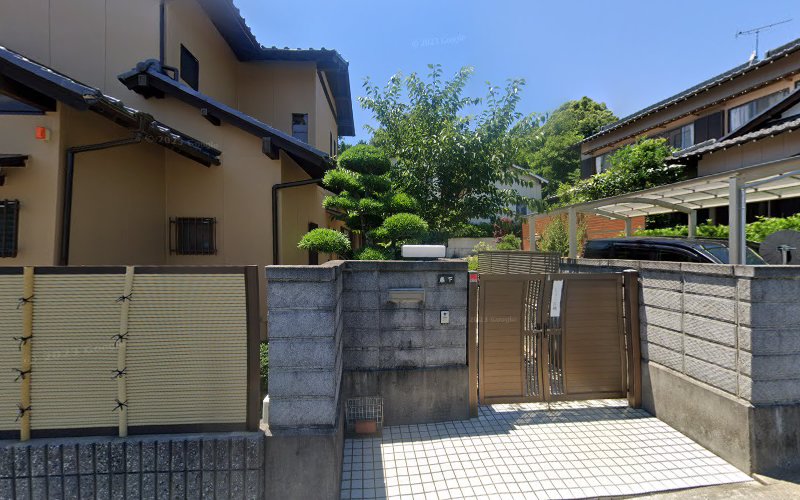
The building reflects a practical approach to space and function. There is nothing flashy about it, but if you slow down, you start noticing thoughtful choices in materials and layout. I remember the first time I wandered through this area, I was jet-lagged, slightly lost, and hungry. I ducked down a side street and ended up lingering near Nishigōnai-160 Ōiwachō longer than planned, mostly because it felt real. Not curated. Not polished for photos. Just real life unfolding.

For travelers interested in local architecture, this building tells a subtle story. It mirrors the way many Japanese neighborhoods balance old habits with newer needs. You might see signs of updates or repairs that were done over time, not all at once. That layering is part of its personality. And if you are the kind of traveler who likes imagining who lives or works inside a place, you will find your mind wandering here. I sure did.

There is also a sense of rhythm around the building. Mornings feel different from late afternoon, and evenings bring a quieter, almost reflective mood. It is not a landmark you rush through. It rewards patience, and I think that is why some travelers walk away impressed while others feel neutral about it. It depends on what you are looking for.

Key Features

What makes Nishigōnai-160 Ōiwachō worth a stop is not one big wow factor, but a collection of small, meaningful details.

  • Everyday Japanese architectural style that reflects local living rather than tourist design
  • A sense of continuity, with visible signs of how the building has evolved over time
  • Quiet surroundings that let you observe neighborhood life without feeling intrusive
  • Good example of how space is used efficiently in urban and semi-urban Japan
  • A location that encourages slow travel and wandering instead of rushing

One thing I really appreciate is how the building fits into the street rather than dominating it. That may sound like a small thing, but after visiting enough over-designed spots, this feels refreshing. And yes, some travelers might find it plain. But if you value authenticity, plain can be powerful.

Best Time to Visit

The best time to visit Nishigōnai-160 Ōiwachō depends on what kind of mood you enjoy. Spring and autumn are obvious favorites, mostly because walking around the area is comfortable and the light is softer. I visited once in early autumn, and the air had that clean, crisp feel that makes even ordinary buildings look a little poetic.

Summer can be hot and humid, and I will be honest, it tests your patience. But there is something oddly compelling about seeing daily life continue despite the heat. Locals move with purpose, and the building seems to absorb the season quietly. Winter, on the other hand, strips things back. Fewer people linger, and the structure feels more exposed, more honest somehow.

Time of day matters too. Early morning offers a sense of routine starting up. Midday is practical and busy. Late afternoon and early evening are my personal favorites. The light hits differently, and you can stand there and think, yeah, this is what travel is about. Not ticking boxes, but noticing.

How to Get There

Getting to Nishigōnai-160 Ōiwachō is fairly straightforward if you are already exploring the broader area. Public transportation will get you close, and from there it usually involves a short walk. And that walk is important. Do not rush it. The surrounding streets provide context, and without them, the building would not make as much sense.

If you are driving, parking can be limited, depending on the time of day. I have always preferred approaching on foot. It allows you to feel the scale of the neighborhood and notice how the building relates to nearby structures. Sometimes I take the long way on purpose, just to see what else is tucked away nearby.

Navigation apps work fine, but I suggest putting your phone away once you are close. Let yourself get slightly lost. Some of my favorite travel memories come from missing a turn and discovering something unexpected.

Tips for Visiting

Visiting Nishigōnai-160 Ōiwachō is less about what you do and more about how you do it. Here are a few things I wish someone had told me earlier.

First, manage expectations. This is not a major attraction, and that is the point. Go in with curiosity, not demands. Second, be respectful. This is part of a living area, not a museum. Keep noise down and be mindful of people who use the building daily.

Bring comfortable shoes. You will want to walk, stop, observe, and maybe circle back once or twice. I did that without realizing it, and only later noticed how much time had passed. And if you enjoy photography, keep it subtle. Sometimes the best shots are the ones you take quickly, without setting up a whole scene.

Lastly, give yourself permission to feel unsure. Not every place needs to impress you immediately. Some places grow on you hours later, maybe even days later, when you are back at your hotel thinking about what stuck. Nishigōnai-160 Ōiwachō is that kind of place. Quiet. Unassuming. And oddly memorable.

Key Features

  • Everyday Japanese architectural style that reflects local living rather than tourist design
  • A sense of continuity, with visible signs of how the building has evolved over time
  • Quiet surroundings that let you observe neighborhood life without feeling intrusive
  • Good example of how space is used efficiently in urban and semi-urban Japan
  • A location that encourages slow travel and wandering instead of rushing

More Details

Updated December 31, 2025

Description

Nishigōnai-160 Ōiwachō is one of those places that does not shout for attention, and honestly, that is its whole charm. It is a building, yes, but also a quiet marker of everyday life in this part of Japan. Travelers who make it here usually do so out of curiosity or because they enjoy walking without a checklist. And that is exactly how this place should be experienced. It sits calmly in its surroundings, doing what it has always done, while visitors come and go trying to read meaning in the small details.

The building reflects a practical approach to space and function. There is nothing flashy about it, but if you slow down, you start noticing thoughtful choices in materials and layout. I remember the first time I wandered through this area, I was jet-lagged, slightly lost, and hungry. I ducked down a side street and ended up lingering near Nishigōnai-160 Ōiwachō longer than planned, mostly because it felt real. Not curated. Not polished for photos. Just real life unfolding.

For travelers interested in local architecture, this building tells a subtle story. It mirrors the way many Japanese neighborhoods balance old habits with newer needs. You might see signs of updates or repairs that were done over time, not all at once. That layering is part of its personality. And if you are the kind of traveler who likes imagining who lives or works inside a place, you will find your mind wandering here. I sure did.

There is also a sense of rhythm around the building. Mornings feel different from late afternoon, and evenings bring a quieter, almost reflective mood. It is not a landmark you rush through. It rewards patience, and I think that is why some travelers walk away impressed while others feel neutral about it. It depends on what you are looking for.

Key Features

What makes Nishigōnai-160 Ōiwachō worth a stop is not one big wow factor, but a collection of small, meaningful details.

  • Everyday Japanese architectural style that reflects local living rather than tourist design
  • A sense of continuity, with visible signs of how the building has evolved over time
  • Quiet surroundings that let you observe neighborhood life without feeling intrusive
  • Good example of how space is used efficiently in urban and semi-urban Japan
  • A location that encourages slow travel and wandering instead of rushing

One thing I really appreciate is how the building fits into the street rather than dominating it. That may sound like a small thing, but after visiting enough over-designed spots, this feels refreshing. And yes, some travelers might find it plain. But if you value authenticity, plain can be powerful.

Best Time to Visit

The best time to visit Nishigōnai-160 Ōiwachō depends on what kind of mood you enjoy. Spring and autumn are obvious favorites, mostly because walking around the area is comfortable and the light is softer. I visited once in early autumn, and the air had that clean, crisp feel that makes even ordinary buildings look a little poetic.

Summer can be hot and humid, and I will be honest, it tests your patience. But there is something oddly compelling about seeing daily life continue despite the heat. Locals move with purpose, and the building seems to absorb the season quietly. Winter, on the other hand, strips things back. Fewer people linger, and the structure feels more exposed, more honest somehow.

Time of day matters too. Early morning offers a sense of routine starting up. Midday is practical and busy. Late afternoon and early evening are my personal favorites. The light hits differently, and you can stand there and think, yeah, this is what travel is about. Not ticking boxes, but noticing.

How to Get There

Getting to Nishigōnai-160 Ōiwachō is fairly straightforward if you are already exploring the broader area. Public transportation will get you close, and from there it usually involves a short walk. And that walk is important. Do not rush it. The surrounding streets provide context, and without them, the building would not make as much sense.

If you are driving, parking can be limited, depending on the time of day. I have always preferred approaching on foot. It allows you to feel the scale of the neighborhood and notice how the building relates to nearby structures. Sometimes I take the long way on purpose, just to see what else is tucked away nearby.

Navigation apps work fine, but I suggest putting your phone away once you are close. Let yourself get slightly lost. Some of my favorite travel memories come from missing a turn and discovering something unexpected.

Tips for Visiting

Visiting Nishigōnai-160 Ōiwachō is less about what you do and more about how you do it. Here are a few things I wish someone had told me earlier.

First, manage expectations. This is not a major attraction, and that is the point. Go in with curiosity, not demands. Second, be respectful. This is part of a living area, not a museum. Keep noise down and be mindful of people who use the building daily.

Bring comfortable shoes. You will want to walk, stop, observe, and maybe circle back once or twice. I did that without realizing it, and only later noticed how much time had passed. And if you enjoy photography, keep it subtle. Sometimes the best shots are the ones you take quickly, without setting up a whole scene.

Lastly, give yourself permission to feel unsure. Not every place needs to impress you immediately. Some places grow on you hours later, maybe even days later, when you are back at your hotel thinking about what stuck. Nishigōnai-160 Ōiwachō is that kind of place. Quiet. Unassuming. And oddly memorable.

Key Highlights

  • Everyday Japanese architectural style that reflects local living rather than tourist design
  • A sense of continuity, with visible signs of how the building has evolved over time
  • Quiet surroundings that let you observe neighborhood life without feeling intrusive
  • Good example of how space is used efficiently in urban and semi-urban Japan
  • A location that encourages slow travel and wandering instead of rushing

Location

Places to Stay Near Nishigōnai-160 Ōiwachō

Find and Book a Tour

Explore More Travel Guides

No reviews found! Be the first to review!

Traveler Reviews for Nishigōnai-160 Ōiwachō

There are no reviews yet. Be the first one to write one.

Share Your Experience

Have you visited Nishigōnai-160 Ōiwachō? Help other travelers by sharing your review.

Find Accommodations Nearby

Recommended Tours & Activities

Visitor Reviews

There are no reviews yet. Be the first one to write one.

Share Your Experience

Have you visited Nishigōnai-160 Ōiwachō? Help other travelers by leaving a review.