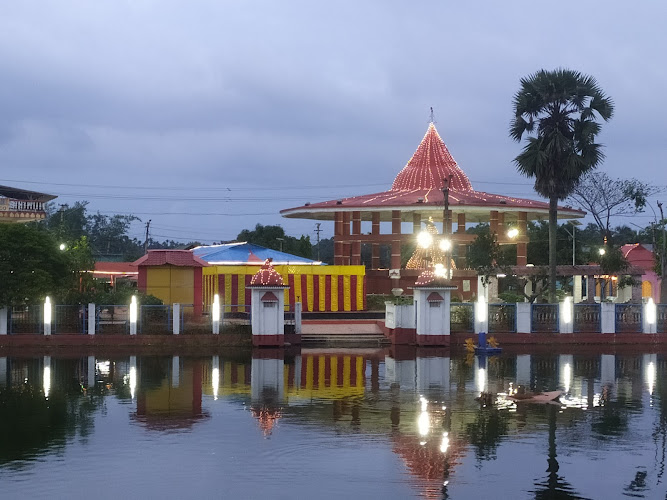
Hindu temple 4.5 Mekhlipara, Agartala, IndiaCommunity Guide

Fourteen Gods’ and Goddesses’ Temple

R8RW+H3P, Khayerpur, Old Agartala, Mekhlipara, Tripura 799008 インド

Fourteen Gods’ and Goddesses’ Temple
2,339 Photos

About & Overview

The Fourteen Gods’ and Goddesses’ Temple stands as a remarkable Hindu place of worship that draws both devout pilgrims and curious travelers from around the world.

Highlights & Key Features

  • Fourteen separate shrine areas dedicated to different Hindu deities, providing a comprehensive spiritual journey through the Hindu pantheon
  • Wheelchair accessible entrance and designated parking spaces, making the temple welcoming to visitors of all mobility levels
  • On-site restroom facilities that maintain cleanliness standards appropriate for a sacred space
  • Active worship services where visitors can observe or participate in traditional Hindu rituals and ceremonies
  • Architectural details that showcase traditional Hindu temple design elements including carved stonework and religious iconography
  • Opportunities for meditation and quiet reflection in designated areas away from the main thoroughfares
  • Cultural education through the physical layout itself, which tells stories through its artistic representations
  • Photography opportunities that capture both architectural beauty and spiritual atmosphere (though always be respectful of worshippers and posted restrictions)

Visitor Guide & Information

I’ve visited many Hindu temples during my travels through Asia, but there’s something genuinely special about this particular site that keeps pulling people back time and again.

What makes this temple truly distinctive is right there in its name – the presence of fourteen distinct deities all honored within one sacred complex. While most Hindu temples typically dedicate themselves to one or two primary gods, this place takes a more inclusive approach that reflects the diverse nature of Hindu spirituality itself. You’ll find representations of major deities alongside lesser-known gods and goddesses, each with their own shrine areas where devotees can offer prayers and make offerings.

The temple serves multiple purposes beyond just religious worship. It’s become quite the tourist attraction over the years, though it hasn’t lost its authentic spiritual atmosphere despite the increasing visitor numbers. When I first heard about it, I was a bit skeptical – would it feel more like a theme park than a genuine place of worship? But after experiencing it firsthand, I can say those concerns were completely unfounded.

The architectural elements blend traditional Hindu design principles with practical considerations for modern visitors. The complex manages to maintain an atmosphere of reverence while accommodating the needs of contemporary travelers who might not be familiar with Hindu customs and practices. And that’s no small feat, really.

Key Features

The temple offers several noteworthy features that enhance the visitor experience:

Best Time to Visit

Timing your visit to the Fourteen Gods’ and Goddesses’ Temple can make a significant difference in your overall experience. Based on patterns I’ve observed and heard from fellow travelers, early morning hours between 6 AM and 9 AM tend to offer the most peaceful atmosphere. You’ll catch devotees performing their morning prayers, which provides an authentic glimpse into daily worship practices without overwhelming crowds.

Weekday visits generally prove less hectic than weekends when local families and larger tour groups tend to arrive. If you’re specifically interested in witnessing ceremonies and rituals, though, weekend mornings often feature more elaborate services that can be quite moving to observe.

Hindu festival periods transform the temple into something extraordinary. During major celebrations like Diwali, Navaratri, or Maha Shivaratri, the entire complex comes alive with decorations, special ceremonies, and an electric energy that’s hard to describe. But be prepared – these times also bring the largest crowds you’ll encounter. I remember visiting during one festival period and being absolutely swept up in the atmosphere, though I could barely move through certain sections.

Weather considerations matter too, depending on your location. Mid-morning visits often provide comfortable temperatures before the day heats up, especially if the temple is situated in a warmer climate region. Late afternoon visits around 4 PM to 6 PM offer another sweet spot when the harsh midday sun has passed but there’s still plenty of daylight for exploration and photography.

Some visitors prefer evening hours when lamps are lit and the temple takes on a different character entirely. The play of light and shadow across the deity statues creates an almost mystical ambiance that daytime visits simply can’t replicate.

How to Get There

Getting to the Fourteen Gods’ and Goddesses’ Temple requires some planning, but it’s definitely manageable for travelers of varying experience levels. The accessibility features including wheelchair-accessible parking indicate that the site is designed with visitor convenience in mind.

Most visitors arrive by personal vehicle or taxi service. The designated parking area accommodates various vehicle types and includes accessible parking spaces near the entrance – a thoughtful touch that not all religious sites remember to implement. If you’re relying on ride-sharing apps, the temple’s growing popularity means drivers are generally familiar with the location.

Public transportation options vary depending on your starting point. Local bus services often include stops within walking distance of the temple, though you’ll want to research current routes and schedules since they can change seasonally. I’ve found that asking locals for directions typically yields better results than relying solely on GPS in some areas, especially in regions where digital maps haven’t fully caught up with ground reality.

For international travelers staying in nearby cities, organized tours frequently include the temple as part of broader cultural itineraries. While these tours limit your flexibility regarding timing and duration, they handle all logistics and often provide knowledgeable guides who can explain the significance of what you’re seeing.

If you’re the adventurous type, hiring a local guide or driver for a half-day excursion gives you more control over your schedule while still benefiting from local expertise. This middle-ground approach has worked well for me in the past when visiting religious sites where cultural context really enriches the experience.

Tips for Visiting

Dress modestly out of respect for the sacred nature of the space. That means covering shoulders and knees at minimum – loose, breathable clothing works best since you might be doing considerable walking. I learned this lesson the hard way at another temple when I had to purchase an overpriced scarf at the entrance to cover up.

Remove your shoes before entering the main temple areas. Most Hindu temples follow this practice, and the Fourteen Gods’ and Goddesses’ Temple is no exception. Bring or wear socks if you’re uncomfortable walking barefoot on stone floors. There should be designated areas for shoe storage, but keeping an eye on your footwear is smart.

Plan for at least two to three hours if you want to properly explore all fourteen shrine areas. Rushing through defeats the purpose and you’ll miss details that make each deity’s space unique. And honestly, some of the most meaningful moments come when you’re not hurrying from one spot to the next.

Take advantage of the restroom facilities before beginning your tour of the temple grounds. Knowing they’re available provides peace of mind, especially if you’re traveling with children or elderly family members.

Photography etiquette matters tremendously. While many areas permit photos, always watch for signs indicating restrictions. Never photograph people in prayer without explicit permission – it’s intrusive and disrespectful. Some of the most beautiful shots come from capturing architectural details and quiet corners rather than the obvious main attractions anyway.

Bring small bills if you plan to make offerings or donations. Having exact change shows respect for temple customs and makes transactions smoother. Some visitors like to purchase flower offerings or incense from vendors near the entrance.

Stay hydrated but be mindful that eating and drinking are typically prohibited within the main shrine areas. Plan accordingly and finish any snacks before entering.

Engage respectfully if priests or devotees offer to explain rituals or answer questions. These interactions often become the most memorable parts of a temple visit. But don’t interrupt active prayers or ceremonies – there’s a time and place for curiosity.

Consider visiting during off-peak hours first if you’re new to Hindu temples. This allows you to observe customs and get your bearings before navigating larger crowds. You can always return during busier times once you feel more comfortable.

The wheelchair accessibility features demonstrate the temple’s commitment to inclusivity, but navigating a historical religious site still presents challenges. Scout the terrain ahead if you or your companions have specific mobility needs.

Community & Insider Notes

Last modified August 17, 2026

Description

The Fourteen Gods’ and Goddesses’ Temple stands as a remarkable Hindu place of worship that draws both devout pilgrims and curious travelers from around the world. I’ve visited many Hindu temples during my travels through Asia, but there’s something genuinely special about this particular site that keeps pulling people back time and again.

What makes this temple truly distinctive is right there in its name – the presence of fourteen distinct deities all honored within one sacred complex. While most Hindu temples typically dedicate themselves to one or two primary gods, this place takes a more inclusive approach that reflects the diverse nature of Hindu spirituality itself. You’ll find representations of major deities alongside lesser-known gods and goddesses, each with their own shrine areas where devotees can offer prayers and make offerings.

The temple serves multiple purposes beyond just religious worship. It’s become quite the tourist attraction over the years, though it hasn’t lost its authentic spiritual atmosphere despite the increasing visitor numbers. When I first heard about it, I was a bit skeptical – would it feel more like a theme park than a genuine place of worship? But after experiencing it firsthand, I can say those concerns were completely unfounded.

The architectural elements blend traditional Hindu design principles with practical considerations for modern visitors. The complex manages to maintain an atmosphere of reverence while accommodating the needs of contemporary travelers who might not be familiar with Hindu customs and practices. And that’s no small feat, really.

Key Features

The temple offers several noteworthy features that enhance the visitor experience:

  • Fourteen separate shrine areas dedicated to different Hindu deities, providing a comprehensive spiritual journey through the Hindu pantheon
  • Wheelchair accessible entrance and designated parking spaces, making the temple welcoming to visitors of all mobility levels
  • On-site restroom facilities that maintain cleanliness standards appropriate for a sacred space
  • Active worship services where visitors can observe or participate in traditional Hindu rituals and ceremonies
  • Architectural details that showcase traditional Hindu temple design elements including carved stonework and religious iconography
  • Opportunities for meditation and quiet reflection in designated areas away from the main thoroughfares
  • Cultural education through the physical layout itself, which tells stories through its artistic representations
  • Photography opportunities that capture both architectural beauty and spiritual atmosphere (though always be respectful of worshippers and posted restrictions)

Best Time to Visit

Timing your visit to the Fourteen Gods’ and Goddesses’ Temple can make a significant difference in your overall experience. Based on patterns I’ve observed and heard from fellow travelers, early morning hours between 6 AM and 9 AM tend to offer the most peaceful atmosphere. You’ll catch devotees performing their morning prayers, which provides an authentic glimpse into daily worship practices without overwhelming crowds.

Weekday visits generally prove less hectic than weekends when local families and larger tour groups tend to arrive. If you’re specifically interested in witnessing ceremonies and rituals, though, weekend mornings often feature more elaborate services that can be quite moving to observe.

Hindu festival periods transform the temple into something extraordinary. During major celebrations like Diwali, Navaratri, or Maha Shivaratri, the entire complex comes alive with decorations, special ceremonies, and an electric energy that’s hard to describe. But be prepared – these times also bring the largest crowds you’ll encounter. I remember visiting during one festival period and being absolutely swept up in the atmosphere, though I could barely move through certain sections.

Weather considerations matter too, depending on your location. Mid-morning visits often provide comfortable temperatures before the day heats up, especially if the temple is situated in a warmer climate region. Late afternoon visits around 4 PM to 6 PM offer another sweet spot when the harsh midday sun has passed but there’s still plenty of daylight for exploration and photography.

Some visitors prefer evening hours when lamps are lit and the temple takes on a different character entirely. The play of light and shadow across the deity statues creates an almost mystical ambiance that daytime visits simply can’t replicate.

How to Get There

Getting to the Fourteen Gods’ and Goddesses’ Temple requires some planning, but it’s definitely manageable for travelers of varying experience levels. The accessibility features including wheelchair-accessible parking indicate that the site is designed with visitor convenience in mind.

Most visitors arrive by personal vehicle or taxi service. The designated parking area accommodates various vehicle types and includes accessible parking spaces near the entrance – a thoughtful touch that not all religious sites remember to implement. If you’re relying on ride-sharing apps, the temple’s growing popularity means drivers are generally familiar with the location.

Public transportation options vary depending on your starting point. Local bus services often include stops within walking distance of the temple, though you’ll want to research current routes and schedules since they can change seasonally. I’ve found that asking locals for directions typically yields better results than relying solely on GPS in some areas, especially in regions where digital maps haven’t fully caught up with ground reality.

For international travelers staying in nearby cities, organized tours frequently include the temple as part of broader cultural itineraries. While these tours limit your flexibility regarding timing and duration, they handle all logistics and often provide knowledgeable guides who can explain the significance of what you’re seeing.

If you’re the adventurous type, hiring a local guide or driver for a half-day excursion gives you more control over your schedule while still benefiting from local expertise. This middle-ground approach has worked well for me in the past when visiting religious sites where cultural context really enriches the experience.

Tips for Visiting

Dress modestly out of respect for the sacred nature of the space. That means covering shoulders and knees at minimum – loose, breathable clothing works best since you might be doing considerable walking. I learned this lesson the hard way at another temple when I had to purchase an overpriced scarf at the entrance to cover up.

Remove your shoes before entering the main temple areas. Most Hindu temples follow this practice, and the Fourteen Gods’ and Goddesses’ Temple is no exception. Bring or wear socks if you’re uncomfortable walking barefoot on stone floors. There should be designated areas for shoe storage, but keeping an eye on your footwear is smart.

Plan for at least two to three hours if you want to properly explore all fourteen shrine areas. Rushing through defeats the purpose and you’ll miss details that make each deity’s space unique. And honestly, some of the most meaningful moments come when you’re not hurrying from one spot to the next.

Take advantage of the restroom facilities before beginning your tour of the temple grounds. Knowing they’re available provides peace of mind, especially if you’re traveling with children or elderly family members.

Photography etiquette matters tremendously. While many areas permit photos, always watch for signs indicating restrictions. Never photograph people in prayer without explicit permission – it’s intrusive and disrespectful. Some of the most beautiful shots come from capturing architectural details and quiet corners rather than the obvious main attractions anyway.

Bring small bills if you plan to make offerings or donations. Having exact change shows respect for temple customs and makes transactions smoother. Some visitors like to purchase flower offerings or incense from vendors near the entrance.

Stay hydrated but be mindful that eating and drinking are typically prohibited within the main shrine areas. Plan accordingly and finish any snacks before entering.

Engage respectfully if priests or devotees offer to explain rituals or answer questions. These interactions often become the most memorable parts of a temple visit. But don’t interrupt active prayers or ceremonies – there’s a time and place for curiosity.

Consider visiting during off-peak hours first if you’re new to Hindu temples. This allows you to observe customs and get your bearings before navigating larger crowds. You can always return during busier times once you feel more comfortable.

The wheelchair accessibility features demonstrate the temple’s commitment to inclusivity, but navigating a historical religious site still presents challenges. Scout the terrain ahead if you or your companions have specific mobility needs.

Key Highlights

  • Fourteen separate shrine areas dedicated to different Hindu deities, providing a comprehensive spiritual journey through the Hindu pantheon
  • Wheelchair accessible entrance and designated parking spaces, making the temple welcoming to visitors of all mobility levels
  • On-site restroom facilities that maintain cleanliness standards appropriate for a sacred space
  • Active worship services where visitors can observe or participate in traditional Hindu rituals and ceremonies
  • Architectural details that showcase traditional Hindu temple design elements including carved stonework and religious iconography
  • Opportunities for meditation and quiet reflection in designated areas away from the main thoroughfares
  • Cultural education through the physical layout itself, which tells stories through its artistic representations
  • Photography opportunities that capture both architectural beauty and spiritual atmosphere (though always be respectful of worshippers and posted restrictions)

Location

Places to Stay Near Fourteen Gods’ and Goddesses’ Temple

Find and Book a Tour

Explore More Travel Guides

No reviews found! Be the first to review!

Select a Rating5 Stars4 Stars3 Stars2 Stars1 Star

Fourteen Gods’ and Goddesses’ Temple is a prominent attractions located in Mekhlipara, Agartala.

Visit us at: R8RW+H3P, Khayerpur, Old Agartala, Mekhlipara, Tripura 799008 インド.

Find Places to Stay Nearby

Stay22 provides this accommodation search. We may earn a commission if you book through it; verify current prices and terms with the provider.

Recommended Experiences & Activities

GetYourGuide provides this tour inventory. We may earn a commission if you book through it; verify current availability, prices, and terms with the provider.

Top Viator Experiences & Guided Tours in Mekhlipara, Agartala

We may earn a commission if you book through links on this page at no extra cost to you. All tours feature verified customer reviews and flexible cancellation options.

Traveler Reviews & Community Q&A

No traveler reviews yet. Share your experience below!

No traveler questions yet. Be the first to ask a local!

Real Journey Travels Community