
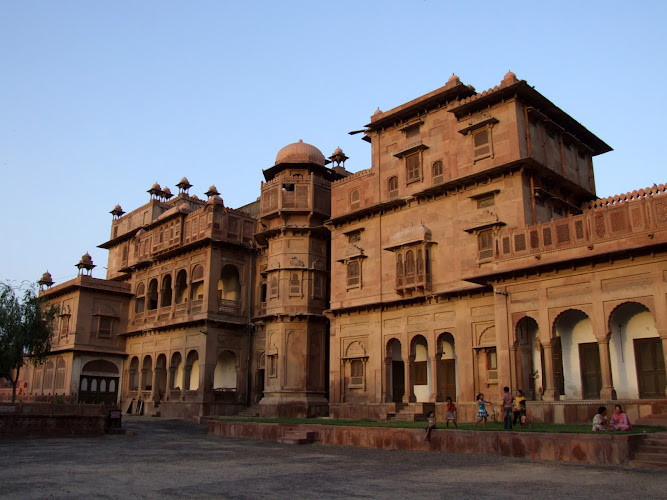
Junagarh Palace And Museum Bikaner
About Junagarh Palace And Museum Bikaner
Description
Standing proud in the desert city of Bikaner, Junagarh Palace And Museum represents one of those rare forts in Rajasthan that was never conquered throughout its entire history. Built in 1593 by Raja Rai Singh, a trusted general in Emperor Akbar's army, this architectural marvel tells stories that span over four centuries of royal life, warfare, and cultural evolution. Unlike many other Rajasthani forts perched on hilltops, Junagarh sits on the plains, which honestly makes it more accessible and easier to explore without feeling like you've climbed Mount Everest by the time you reach the main sections. The palace complex sprawls across several acres and houses an impressive collection of palaces, temples, and pavilions within its walls. What strikes most visitors is how well-preserved everything remains—you can almost imagine the maharajas walking through these same corridors just yesterday. The museum component showcases an extraordinary array of manuscripts, miniature paintings, jewels, royal costumes, and weaponry that provide genuine insight into how Rajasthani royalty actually lived, fought, and governed. Walking through Junagarh feels different from other heritage sites because the restoration work has been done thoughtfully, maintaining authenticity without making everything look suspiciously new. You'll notice the intricate lattice work, mirror-studded chambers, and painted ceilings that demonstrate the artistic sensibilities of various rulers who added their own architectural touches over the generations. Each successive maharaja seemed determined to leave his mark, resulting in a fascinating blend of Rajput, Mughal, and even Gujarati architectural styles all coexisting within the same complex.Key Features
- The Anup Mahal serves as the main coronation hall, featuring stunning gold leaf work and lacquer paintings that have somehow retained their brilliance after centuries of desert heat and dust
- Chandra Mahal showcases exquisite mirror work and paintings that depict scenes from Hindu mythology alongside portraits of various rulers—the ceiling alone could keep you staring upward for half an hour
- Phool Mahal or Flower Palace contains ornate decorations commissioned by Maharaja Gaj Singh in the 18th century, with glass and mirror work that creates an almost kaleidoscopic effect when sunlight filters through
- The Ganga Niwas features elaborate Belgian glass panels and Dutch tiles that reveal the international trade connections Bikaner's rulers maintained even in earlier centuries
- Hawa Mahal section includes intricately carved wooden balconies and jharokhas where royal women could observe court proceedings and festivals without being seen
- An impressive armory collection displays swords, shields, and firearms including some unusual weapons you won't find in typical museums—like that sword with a pistol built into the handle
- The museum's manuscript section contains ancient texts written on palm leaves and parchment, some dating back to the medieval period when Bikaner was a major center of learning
- Temple areas within the fort dedicated to various Hindu deities remain active worship sites, adding a spiritual dimension to the historical experience
- Accessibility features throughout the palace make it genuinely visitable for people using wheelchairs or those with mobility concerns, which unfortunately isn't common at many heritage sites in India
- On-site restaurant and restroom facilities mean you won't have to cut your visit short due to basic necessities—something I've learned to appreciate after too many uncomfortable heritage site visits
Best Time to Visit
Bikaner sits in the Thar Desert, which means summers are brutally hot—we're talking temperatures that regularly cross 45°C (113°F) during peak summer months. Unless you enjoy feeling like you're walking through an oven, avoid visiting between April and September. I made that mistake once visiting Rajasthan in June, and let me tell you, no amount of historical fascination makes up for heat exhaustion. The ideal window for exploring Junagarh Palace runs from October through March when temperatures become much more manageable. November through February represents the absolute sweet spot, with daytime temperatures hovering around 20-28°C (68-82°F) and cool evenings that feel refreshing after a day of exploration. January can get surprisingly chilly at night, so pack a light jacket if you're visiting then. Winter mornings offer particularly magical lighting for photography enthusiasts. The low angle of sunlight creates dramatic shadows across the palace courtyards and makes those gold leaf decorations literally glow. Plus, the air quality tends to be clearer during winter months, giving you better visibility of architectural details. Weekdays generally see fewer crowds than weekends, giving you more space to appreciate the exhibits without constantly navigating around tour groups. Early morning visits right when the palace opens allow for the most peaceful experience. And arriving early also means you beat the afternoon heat, which can still be significant even during winter months. The Camel Festival typically held in January brings extra vibrancy to Bikaner, though it also means more tourists and higher accommodation prices. If you're planning around festival time, book your lodging well in advance because decent hotels fill up quickly.How to Get There
Reaching Bikaner requires some planning since it's not as directly connected as major tourist hubs like Jaipur or Jodhpur, but the journey is absolutely manageable. The city has its own railway station with regular train connections to Delhi, Jaipur, Jodhpur, and other major cities across Rajasthan and northern India. The overnight train from Delhi takes roughly 10-11 hours, which works nicely if you're comfortable with Indian railways and want to save a night's accommodation cost. By road, Bikaner sits about 330 kilometers from Jaipur, roughly a 5-6 hour drive depending on traffic and road conditions. State-run buses operate regularly between major Rajasthan cities, though private buses often offer more comfortable seating and better schedules. If you're driving yourself or hiring a car, the roads are generally decent, though you'll encounter the occasional pothole and definitely some wandering livestock. The nearest airport is actually in Jodhpur, about 250 kilometers away, with limited flight connections from major Indian cities. Some travelers fly into Jaipur instead (about 330 kilometers) since it offers more frequent flights and better connections. From either airport, you'll need to arrange ground transportation to Bikaner through taxi, bus, or rental car. Once you're in Bikaner, Junagarh Palace sits right in the old city area, easily accessible by auto-rickshaw, cycle-rickshaw, or taxi from any part of town. Most hotels and guesthouses are within a few kilometers of the palace, making it convenient to visit multiple times if you want to explore different sections at your own pace. Local transportation is inexpensive—an auto-rickshaw ride from the railway station to the palace shouldn't cost more than 100-150 rupees, though agreeing on the fare before starting your journey saves potential arguments later.Tips for Visiting
Plan at least two to three hours for a thorough exploration of Junagarh Palace, though history buffs could easily spend half a day here. Rushing through in an hour means you'll miss many of the smaller details that make this place special. The audio guide available at the entrance provides valuable context about various sections, and honestly, it's worth the extra cost because the information placards throughout the palace are somewhat limited. Wear comfortable walking shoes because you'll cover considerable distance across uneven surfaces, courtyards, and staircases. Those beautiful marble floors can get surprisingly slippery, especially in the early morning or if they've been recently cleaned. And speaking of floors, you'll need to remove shoes before entering certain temple areas within the complex, so slip-on footwear makes this process less annoying. Photography is allowed in most areas, but some specific sections prohibit cameras—respect these restrictions even if nobody seems to be watching. The natural lighting inside many chambers is quite dim, so if you're serious about photography, bring a camera that handles low light well. Flash photography is generally prohibited as it damages historic paintings and textiles. Hire a guide if you want deeper historical context and stories that bring the palace alive. Official guides are available at the entrance, and their knowledge adds immense value to the experience. But don't feel pressured to hire the first guide who approaches you—you can take a moment to find someone whose communication style matches your preferences. The on-site restaurant offers basic snacks and drinks, though the menu is fairly limited and somewhat overpriced as captive-audience venues tend to be. I'd recommend eating a proper meal before or after your visit at one of Bikaner's excellent local restaurants where you can try regional specialties like Bikaneri bhujia and kachori. Bring water, especially if visiting during warmer months, though you can purchase bottles inside if needed. The desert climate dehydrates you faster than you'd expect, even during winter. Sun protection including hat, sunglasses, and sunscreen is essential year-round because that Rajasthan sun doesn't joke around. Visit the armory section carefully if you're traveling with children—some of the weaponry displays can be quite graphic in depicting medieval warfare. Though the palace markets itself as good for kids, and it generally is, very young children might find the extensive walking and historical focus less engaging than you'd hoped. Check the palace timings before visiting as they occasionally close for special events or maintenance. The complex typically opens around 10 AM and closes by 4:30 PM, with last entry about half an hour before closing time. These hours sometimes shift during summer months or festival periods. Accessibility features genuinely exist here, which deserves mention because many Indian heritage sites give lip service to accessibility without actual implementation. The wheelchair-accessible entrance, parking, and restrooms actually work as advertised, making Junagarh one of the more inclusive heritage experiences in Rajasthan. Consider combining your Junagarh Palace visit with other Bikaner attractions like the Karni Mata Temple or the bustling old city markets to make the most of your time in this often-overlooked desert city. Bikaner rewards travelers who give it more than just a rushed day trip.Key Features
- Late 16th–19th century palace complex with multiple interconnected palaces and courtyards
- Lavish murals, mirror work (shish mahal) and carved sandstone and marble details
- Museum galleries displaying royal costumes, paintings, weapons and ceremonial objects
- Intact private chambers and durbar halls reflecting Rathore court life
- Well-preserved defensive architecture despite never being conquered
More Details
Updated March 30, 2026
Table of Contents
- Description
- Key Features
- Best Time to Visit
- How to Get There
- Tips for Visiting
- Key Highlights
- Location
- Places to Stay Near Junagarh Palace And Museum Bikaner
- Find and Book a Tour
- Explore More Travel Guides
- Nearby Places You Might Like
- Traveler Reviews for Junagarh Palace And Museum Bikaner
- Share Your Experience
Description
Standing proud in the desert city of Bikaner, Junagarh Palace And Museum represents one of those rare forts in Rajasthan that was never conquered throughout its entire history. Built in 1593 by Raja Rai Singh, a trusted general in Emperor Akbar’s army, this architectural marvel tells stories that span over four centuries of royal life, warfare, and cultural evolution. Unlike many other Rajasthani forts perched on hilltops, Junagarh sits on the plains, which honestly makes it more accessible and easier to explore without feeling like you’ve climbed Mount Everest by the time you reach the main sections.
The palace complex sprawls across several acres and houses an impressive collection of palaces, temples, and pavilions within its walls. What strikes most visitors is how well-preserved everything remains—you can almost imagine the maharajas walking through these same corridors just yesterday. The museum component showcases an extraordinary array of manuscripts, miniature paintings, jewels, royal costumes, and weaponry that provide genuine insight into how Rajasthani royalty actually lived, fought, and governed.
Walking through Junagarh feels different from other heritage sites because the restoration work has been done thoughtfully, maintaining authenticity without making everything look suspiciously new. You’ll notice the intricate lattice work, mirror-studded chambers, and painted ceilings that demonstrate the artistic sensibilities of various rulers who added their own architectural touches over the generations. Each successive maharaja seemed determined to leave his mark, resulting in a fascinating blend of Rajput, Mughal, and even Gujarati architectural styles all coexisting within the same complex.
Key Features
- The Anup Mahal serves as the main coronation hall, featuring stunning gold leaf work and lacquer paintings that have somehow retained their brilliance after centuries of desert heat and dust
- Chandra Mahal showcases exquisite mirror work and paintings that depict scenes from Hindu mythology alongside portraits of various rulers—the ceiling alone could keep you staring upward for half an hour
- Phool Mahal or Flower Palace contains ornate decorations commissioned by Maharaja Gaj Singh in the 18th century, with glass and mirror work that creates an almost kaleidoscopic effect when sunlight filters through
- The Ganga Niwas features elaborate Belgian glass panels and Dutch tiles that reveal the international trade connections Bikaner’s rulers maintained even in earlier centuries
- Hawa Mahal section includes intricately carved wooden balconies and jharokhas where royal women could observe court proceedings and festivals without being seen
- An impressive armory collection displays swords, shields, and firearms including some unusual weapons you won’t find in typical museums—like that sword with a pistol built into the handle
- The museum’s manuscript section contains ancient texts written on palm leaves and parchment, some dating back to the medieval period when Bikaner was a major center of learning
- Temple areas within the fort dedicated to various Hindu deities remain active worship sites, adding a spiritual dimension to the historical experience
- Accessibility features throughout the palace make it genuinely visitable for people using wheelchairs or those with mobility concerns, which unfortunately isn’t common at many heritage sites in India
- On-site restaurant and restroom facilities mean you won’t have to cut your visit short due to basic necessities—something I’ve learned to appreciate after too many uncomfortable heritage site visits
Best Time to Visit
Bikaner sits in the Thar Desert, which means summers are brutally hot—we’re talking temperatures that regularly cross 45°C (113°F) during peak summer months. Unless you enjoy feeling like you’re walking through an oven, avoid visiting between April and September. I made that mistake once visiting Rajasthan in June, and let me tell you, no amount of historical fascination makes up for heat exhaustion.
The ideal window for exploring Junagarh Palace runs from October through March when temperatures become much more manageable. November through February represents the absolute sweet spot, with daytime temperatures hovering around 20-28°C (68-82°F) and cool evenings that feel refreshing after a day of exploration. January can get surprisingly chilly at night, so pack a light jacket if you’re visiting then.
Winter mornings offer particularly magical lighting for photography enthusiasts. The low angle of sunlight creates dramatic shadows across the palace courtyards and makes those gold leaf decorations literally glow. Plus, the air quality tends to be clearer during winter months, giving you better visibility of architectural details.
Weekdays generally see fewer crowds than weekends, giving you more space to appreciate the exhibits without constantly navigating around tour groups. Early morning visits right when the palace opens allow for the most peaceful experience. And arriving early also means you beat the afternoon heat, which can still be significant even during winter months.
The Camel Festival typically held in January brings extra vibrancy to Bikaner, though it also means more tourists and higher accommodation prices. If you’re planning around festival time, book your lodging well in advance because decent hotels fill up quickly.
How to Get There
Reaching Bikaner requires some planning since it’s not as directly connected as major tourist hubs like Jaipur or Jodhpur, but the journey is absolutely manageable. The city has its own railway station with regular train connections to Delhi, Jaipur, Jodhpur, and other major cities across Rajasthan and northern India. The overnight train from Delhi takes roughly 10-11 hours, which works nicely if you’re comfortable with Indian railways and want to save a night’s accommodation cost.
By road, Bikaner sits about 330 kilometers from Jaipur, roughly a 5-6 hour drive depending on traffic and road conditions. State-run buses operate regularly between major Rajasthan cities, though private buses often offer more comfortable seating and better schedules. If you’re driving yourself or hiring a car, the roads are generally decent, though you’ll encounter the occasional pothole and definitely some wandering livestock.
The nearest airport is actually in Jodhpur, about 250 kilometers away, with limited flight connections from major Indian cities. Some travelers fly into Jaipur instead (about 330 kilometers) since it offers more frequent flights and better connections. From either airport, you’ll need to arrange ground transportation to Bikaner through taxi, bus, or rental car.
Once you’re in Bikaner, Junagarh Palace sits right in the old city area, easily accessible by auto-rickshaw, cycle-rickshaw, or taxi from any part of town. Most hotels and guesthouses are within a few kilometers of the palace, making it convenient to visit multiple times if you want to explore different sections at your own pace.
Local transportation is inexpensive—an auto-rickshaw ride from the railway station to the palace shouldn’t cost more than 100-150 rupees, though agreeing on the fare before starting your journey saves potential arguments later.
Tips for Visiting
Plan at least two to three hours for a thorough exploration of Junagarh Palace, though history buffs could easily spend half a day here. Rushing through in an hour means you’ll miss many of the smaller details that make this place special. The audio guide available at the entrance provides valuable context about various sections, and honestly, it’s worth the extra cost because the information placards throughout the palace are somewhat limited.
Wear comfortable walking shoes because you’ll cover considerable distance across uneven surfaces, courtyards, and staircases. Those beautiful marble floors can get surprisingly slippery, especially in the early morning or if they’ve been recently cleaned. And speaking of floors, you’ll need to remove shoes before entering certain temple areas within the complex, so slip-on footwear makes this process less annoying.
Photography is allowed in most areas, but some specific sections prohibit cameras—respect these restrictions even if nobody seems to be watching. The natural lighting inside many chambers is quite dim, so if you’re serious about photography, bring a camera that handles low light well. Flash photography is generally prohibited as it damages historic paintings and textiles.
Hire a guide if you want deeper historical context and stories that bring the palace alive. Official guides are available at the entrance, and their knowledge adds immense value to the experience. But don’t feel pressured to hire the first guide who approaches you—you can take a moment to find someone whose communication style matches your preferences.
The on-site restaurant offers basic snacks and drinks, though the menu is fairly limited and somewhat overpriced as captive-audience venues tend to be. I’d recommend eating a proper meal before or after your visit at one of Bikaner’s excellent local restaurants where you can try regional specialties like Bikaneri bhujia and kachori.
Bring water, especially if visiting during warmer months, though you can purchase bottles inside if needed. The desert climate dehydrates you faster than you’d expect, even during winter. Sun protection including hat, sunglasses, and sunscreen is essential year-round because that Rajasthan sun doesn’t joke around.
Visit the armory section carefully if you’re traveling with children—some of the weaponry displays can be quite graphic in depicting medieval warfare. Though the palace markets itself as good for kids, and it generally is, very young children might find the extensive walking and historical focus less engaging than you’d hoped.
Check the palace timings before visiting as they occasionally close for special events or maintenance. The complex typically opens around 10 AM and closes by 4:30 PM, with last entry about half an hour before closing time. These hours sometimes shift during summer months or festival periods.
Accessibility features genuinely exist here, which deserves mention because many Indian heritage sites give lip service to accessibility without actual implementation. The wheelchair-accessible entrance, parking, and restrooms actually work as advertised, making Junagarh one of the more inclusive heritage experiences in Rajasthan.
Consider combining your Junagarh Palace visit with other Bikaner attractions like the Karni Mata Temple or the bustling old city markets to make the most of your time in this often-overlooked desert city. Bikaner rewards travelers who give it more than just a rushed day trip.
Key Highlights
- Late 16th–19th century palace complex with multiple interconnected palaces and courtyards
- Lavish murals, mirror work (shish mahal) and carved sandstone and marble details
- Museum galleries displaying royal costumes, paintings, weapons and ceremonial objects
- Intact private chambers and durbar halls reflecting Rathore court life
- Well-preserved defensive architecture despite never being conquered
Location
Places to Stay Near Junagarh Palace And Museum Bikaner
Find and Book a Tour
Explore More Travel Guides
No reviews found! Be the first to review!
Junagarh Palace And Museum Bikaner is a prominent museums located in Bikaner.
Visit us at: 28C9+PGV, Bikaner Fort, Bikaner, Rajasthan 334001, Indien.
Traveler Reviews for Junagarh Palace And Museum Bikaner
There are no reviews yet. Be the first one to write one.
Have you visited Junagarh Palace And Museum Bikaner? Help other travelers by sharing your review.
Nearby Attractions
You Might Also Like
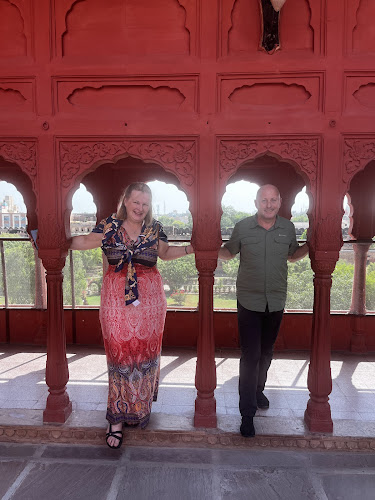
Kingdom of RaniSa

Bhraman Path
RAO BIKAJI PARK
Find Accommodations Nearby
Recommended Tours & Activities
Visitor Reviews
There are no reviews yet. Be the first one to write one.
Share Your Experience
Have you visited Junagarh Palace And Museum Bikaner? Help other travelers by leaving a review.