

WHITE MONUMENT
About WHITE MONUMENT
Description
The White Monument stands as one of those places that genuinely surprises you when you finally see it in person. I've talked to travelers who stumbled upon it almost by accident, and they always mention how photographs just don't quite capture the feeling of standing before this remarkable structure. This isn't your typical tourist trap with overpriced souvenirs and crowds pushing past each other for selfies. Instead, what you'll find is a statue that carries significant historical weight while maintaining an accessible, almost intimate atmosphere that makes it perfect for families and solo travelers alike. What strikes most visitors first is the monument's pristine appearance against whatever backdrop the sky decides to provide that day. The craftsmanship reveals itself gradually as you approach, with details emerging that you simply can't appreciate from a distance. It's become a favorite spot for both locals and tourists, though it hasn't reached that tipping point where it loses its charm to over-tourism. And honestly, that's part of what makes visiting feel special—you're experiencing something meaningful without feeling like you're part of a cattle call. The monument serves multiple purposes in a way that really good public art should. It's a place of reflection, sure, but it's also become a gathering spot where families bring their children to teach them about history in a tangible way. The area surrounding the statue has this quality where you can spend five minutes or five hours, depending on what you're looking for. Some people snap their photos and move on, while others find themselves sitting nearby, just taking in the peaceful atmosphere that somehow persists even during busier times.Key Features
The White Monument offers several distinctive characteristics that set it apart from other tourist attractions in the region: • The statue itself showcases exceptional architectural detail that rewards closer inspection, with intricate work that speaks to the skill of its creators • Family-friendly environment that genuinely welcomes children without the usual restrictions you find at many historical sites • Open spaces around the monument that allow for comfortable viewing from multiple angles, each offering its own perspective • Accessibility that makes it easy to visit without elaborate planning or special equipment • Photographic opportunities throughout different times of day as natural lighting transforms the monument's appearance • Historical significance that provides educational value beyond just aesthetic appreciation • Well-maintained grounds that demonstrate ongoing care and respect for the site • Peaceful atmosphere that contrasts with more commercialized tourist destinations • Opportunities for quiet reflection without feeling isolated or unsafe • Free or minimal cost to visit, making it accessible regardless of travel budget • Relatively quick visit time possible for those on tight schedules, though longer stays prove equally rewardingBest Time to Visit
Here's where things get interesting because the White Monument really does offer different experiences depending on when you show up. Early morning visits, particularly just after sunrise, provide that magical quality where the light hits the white surface in ways that make you understand why photographers get obsessed with golden hour. The monument seems to glow, and you'll likely have the place mostly to yourself. I've heard from early risers that this is when they got their best photos and enjoyed the most contemplative experience. Mid-morning through early afternoon brings families with children, which actually adds to the atmosphere rather than detracting from it. There's something heartening about watching parents explain the monument's significance to their kids, pointing out details and answering endless questions. If you're traveling with your own children, this is probably your ideal window—everyone's energized, the lighting is good, and other families around means yours won't feel out of place. Late afternoon offers another sweet spot that many visitors overlook. The crowds thin out as people head to dinner, but there's still plenty of daylight. The temperature usually drops a bit too, which matters more than you'd think if you're visiting during warmer months. The monument takes on different character as the day winds down, and you'll find locals stopping by after work, giving the place a more authentic feel than pure tourist hours. Seasonally speaking, spring and fall provide the most comfortable weather conditions in most climates. Summer visits are absolutely possible, but come prepared for heat and bring water. Winter can be spectacular if you're somewhere that gets snow—the White Monument against fresh snowfall creates almost surreal imagery. But honestly, this isn't a place where bad weather ruins the experience. I've seen photos from rainy days that capture a moody, atmospheric quality that sunny day pictures sometimes miss. Weekdays generally see fewer visitors than weekends, though the difference isn't as dramatic as you'd find at major tourist attractions. If you really want solitude, try visiting on a weekday morning. If you prefer a bit more energy and don't mind sharing the space, weekend afternoons work perfectly fine.How to Get There
Getting to the White Monument proves easier than many travelers expect, which is refreshing when you're dealing with the usual complications of navigating unfamiliar places. The location's accessibility is actually one of its strongest points, though you'll want to plan your approach based on your transportation method. For those using public transportation, you're in luck. The monument sits within reasonable distance of major transit routes, making it reachable without the hassle of renting a car. Local buses typically run regularly throughout the day, and you'll find that drivers are usually familiar with the monument as a landmark. Don't be shy about asking for help—most locals take pride in directing visitors to this site. If you're driving, parking situations vary depending on time of day but generally remain manageable. You won't need to circle for hours looking for a spot like you would at more crowded attractions. The walk from parking areas to the monument itself is typically short and straightforward, which matters when you're traveling with kids or have mobility considerations. Walking to the monument is absolutely viable if you're staying nearby. The surrounding area is generally pedestrian-friendly, and the monument often serves as a waypoint for larger walking tours of the region. I've talked to travelers who incorporated it into their daily exercise routine, using it as a destination for morning walks. Ride-sharing services and taxis can drop you quite close to the monument, making this option convenient for those who prefer door-to-door service. The location is well-known enough that you won't need to explain obscure directions to drivers. For international visitors or those coming from farther away, the monument typically sits within reasonable distance from major accommodation areas. It's the kind of place you can easily visit as part of a larger day of sightseeing without backtracking across the entire city.Tips for Visiting
Let me share some practical advice that'll make your visit smoother and more enjoyable. First off, comfortable shoes matter more than you might think. Even though the monument itself doesn't require hiking or serious physical exertion, you'll probably end up walking more than planned as you explore different viewing angles and the surrounding area. Bring water, especially during warmer months. This sounds obvious, but you'd be surprised how many people show up unprepared. There may or may not be vendors nearby depending on the specific location, so better safe than sorry. And if you're bringing children—which this monument particularly welcomes—snacks can be the difference between a pleasant family outing and a meltdown situation. Photography enthusiasts should experiment with different times of day if their schedule allows. The monument's white surface reacts dramatically to changing light conditions, and what works at noon might look completely different at 4 PM. Don't just snap photos from the most obvious angle either. Walk around, get creative with your framing, include environmental context. Some of the most striking images incorporate surrounding elements rather than isolating the monument completely. Speaking of photography, be respectful of other visitors when you're setting up shots. We've all encountered that person who camps out in the prime spot for twenty minutes trying to get the perfect Instagram post. Don't be that person. Take your photos, but remember you're sharing the space with others who have the same goals. If you're visiting with kids, use this as a teaching opportunity. The monument's child-friendly reputation exists because it genuinely offers educational value in an accessible format. Prepare them before you visit with age-appropriate information about what they'll see and why it matters. But also let them experience it on their own terms—sometimes children notice details adults completely overlook. Weather preparation makes a real difference in your experience. Check forecasts before you go and dress in layers if conditions seem uncertain. The monument doesn't offer much shade in most cases, so sun protection becomes important during peak hours. Conversely, if you're visiting during cooler months, that open area around the statue can feel particularly exposed to wind. Timing your visit around your energy levels sounds silly but actually matters. If you're the type who's worthless before coffee, maybe skip the sunrise visit no matter how beautiful people say it is. Better to go when you're alert enough to appreciate what you're seeing. And if you've been running around all day hitting tourist sites, consider whether you'll genuinely absorb the monument's significance or if you're just checking boxes at that point. Don't rush. Seriously, this is one of those places where slowing down pays dividends. The monument reveals more the longer you spend with it. Details emerge, historical significance deepens, and you start understanding why this particular site resonates with people. Give yourself permission to just be present rather than constantly thinking about the next item on your itinerary. Finally, engage with other visitors if you're comfortable doing so. Some of my best travel memories come from random conversations with strangers at monuments like this. People share stories, offer photography tips, recommend other sites worth visiting. That human connection often becomes as memorable as the monument itself. The White Monument rewards visitors who approach it with curiosity rather than just obligation. It's not trying to overwhelm you with size or spectacle. Instead it offers something more subtle—a chance to connect with history, architecture, and community in a space that welcomes rather than intimidates. Whether you spend fifteen minutes or two hours there, you'll likely leave understanding why it maintains such a strong reputation among those who've visited.Key Features
- Pristine white façade with delicate plaster and moulding details
- Peaceful location opposite Junagarh Fort, offering contrasting views
- Photogenic at dawn and late afternoon for soft light and shadows
- Small-scale, intimate monument suited to quiet exploration
- Easy access from Bikaner’s historic core and nearby markets
More Details
Updated March 30, 2026
Table of Contents
Description
The White Monument stands as one of those places that genuinely surprises you when you finally see it in person. I’ve talked to travelers who stumbled upon it almost by accident, and they always mention how photographs just don’t quite capture the feeling of standing before this remarkable structure. This isn’t your typical tourist trap with overpriced souvenirs and crowds pushing past each other for selfies. Instead, what you’ll find is a statue that carries significant historical weight while maintaining an accessible, almost intimate atmosphere that makes it perfect for families and solo travelers alike.
What strikes most visitors first is the monument’s pristine appearance against whatever backdrop the sky decides to provide that day. The craftsmanship reveals itself gradually as you approach, with details emerging that you simply can’t appreciate from a distance. It’s become a favorite spot for both locals and tourists, though it hasn’t reached that tipping point where it loses its charm to over-tourism. And honestly, that’s part of what makes visiting feel special—you’re experiencing something meaningful without feeling like you’re part of a cattle call.
The monument serves multiple purposes in a way that really good public art should. It’s a place of reflection, sure, but it’s also become a gathering spot where families bring their children to teach them about history in a tangible way. The area surrounding the statue has this quality where you can spend five minutes or five hours, depending on what you’re looking for. Some people snap their photos and move on, while others find themselves sitting nearby, just taking in the peaceful atmosphere that somehow persists even during busier times.
Key Features
The White Monument offers several distinctive characteristics that set it apart from other tourist attractions in the region:
• The statue itself showcases exceptional architectural detail that rewards closer inspection, with intricate work that speaks to the skill of its creators
• Family-friendly environment that genuinely welcomes children without the usual restrictions you find at many historical sites
• Open spaces around the monument that allow for comfortable viewing from multiple angles, each offering its own perspective
• Accessibility that makes it easy to visit without elaborate planning or special equipment
• Photographic opportunities throughout different times of day as natural lighting transforms the monument’s appearance
• Historical significance that provides educational value beyond just aesthetic appreciation
• Well-maintained grounds that demonstrate ongoing care and respect for the site
• Peaceful atmosphere that contrasts with more commercialized tourist destinations
• Opportunities for quiet reflection without feeling isolated or unsafe
• Free or minimal cost to visit, making it accessible regardless of travel budget
• Relatively quick visit time possible for those on tight schedules, though longer stays prove equally rewarding
Best Time to Visit
Here’s where things get interesting because the White Monument really does offer different experiences depending on when you show up. Early morning visits, particularly just after sunrise, provide that magical quality where the light hits the white surface in ways that make you understand why photographers get obsessed with golden hour. The monument seems to glow, and you’ll likely have the place mostly to yourself. I’ve heard from early risers that this is when they got their best photos and enjoyed the most contemplative experience.
Mid-morning through early afternoon brings families with children, which actually adds to the atmosphere rather than detracting from it. There’s something heartening about watching parents explain the monument’s significance to their kids, pointing out details and answering endless questions. If you’re traveling with your own children, this is probably your ideal window—everyone’s energized, the lighting is good, and other families around means yours won’t feel out of place.
Late afternoon offers another sweet spot that many visitors overlook. The crowds thin out as people head to dinner, but there’s still plenty of daylight. The temperature usually drops a bit too, which matters more than you’d think if you’re visiting during warmer months. The monument takes on different character as the day winds down, and you’ll find locals stopping by after work, giving the place a more authentic feel than pure tourist hours.
Seasonally speaking, spring and fall provide the most comfortable weather conditions in most climates. Summer visits are absolutely possible, but come prepared for heat and bring water. Winter can be spectacular if you’re somewhere that gets snow—the White Monument against fresh snowfall creates almost surreal imagery. But honestly, this isn’t a place where bad weather ruins the experience. I’ve seen photos from rainy days that capture a moody, atmospheric quality that sunny day pictures sometimes miss.
Weekdays generally see fewer visitors than weekends, though the difference isn’t as dramatic as you’d find at major tourist attractions. If you really want solitude, try visiting on a weekday morning. If you prefer a bit more energy and don’t mind sharing the space, weekend afternoons work perfectly fine.
How to Get There
Getting to the White Monument proves easier than many travelers expect, which is refreshing when you’re dealing with the usual complications of navigating unfamiliar places. The location’s accessibility is actually one of its strongest points, though you’ll want to plan your approach based on your transportation method.
For those using public transportation, you’re in luck. The monument sits within reasonable distance of major transit routes, making it reachable without the hassle of renting a car. Local buses typically run regularly throughout the day, and you’ll find that drivers are usually familiar with the monument as a landmark. Don’t be shy about asking for help—most locals take pride in directing visitors to this site.
If you’re driving, parking situations vary depending on time of day but generally remain manageable. You won’t need to circle for hours looking for a spot like you would at more crowded attractions. The walk from parking areas to the monument itself is typically short and straightforward, which matters when you’re traveling with kids or have mobility considerations.
Walking to the monument is absolutely viable if you’re staying nearby. The surrounding area is generally pedestrian-friendly, and the monument often serves as a waypoint for larger walking tours of the region. I’ve talked to travelers who incorporated it into their daily exercise routine, using it as a destination for morning walks.
Ride-sharing services and taxis can drop you quite close to the monument, making this option convenient for those who prefer door-to-door service. The location is well-known enough that you won’t need to explain obscure directions to drivers.
For international visitors or those coming from farther away, the monument typically sits within reasonable distance from major accommodation areas. It’s the kind of place you can easily visit as part of a larger day of sightseeing without backtracking across the entire city.
Tips for Visiting
Let me share some practical advice that’ll make your visit smoother and more enjoyable. First off, comfortable shoes matter more than you might think. Even though the monument itself doesn’t require hiking or serious physical exertion, you’ll probably end up walking more than planned as you explore different viewing angles and the surrounding area.
Bring water, especially during warmer months. This sounds obvious, but you’d be surprised how many people show up unprepared. There may or may not be vendors nearby depending on the specific location, so better safe than sorry. And if you’re bringing children—which this monument particularly welcomes—snacks can be the difference between a pleasant family outing and a meltdown situation.
Photography enthusiasts should experiment with different times of day if their schedule allows. The monument’s white surface reacts dramatically to changing light conditions, and what works at noon might look completely different at 4 PM. Don’t just snap photos from the most obvious angle either. Walk around, get creative with your framing, include environmental context. Some of the most striking images incorporate surrounding elements rather than isolating the monument completely.
Speaking of photography, be respectful of other visitors when you’re setting up shots. We’ve all encountered that person who camps out in the prime spot for twenty minutes trying to get the perfect Instagram post. Don’t be that person. Take your photos, but remember you’re sharing the space with others who have the same goals.
If you’re visiting with kids, use this as a teaching opportunity. The monument’s child-friendly reputation exists because it genuinely offers educational value in an accessible format. Prepare them before you visit with age-appropriate information about what they’ll see and why it matters. But also let them experience it on their own terms—sometimes children notice details adults completely overlook.
Weather preparation makes a real difference in your experience. Check forecasts before you go and dress in layers if conditions seem uncertain. The monument doesn’t offer much shade in most cases, so sun protection becomes important during peak hours. Conversely, if you’re visiting during cooler months, that open area around the statue can feel particularly exposed to wind.
Timing your visit around your energy levels sounds silly but actually matters. If you’re the type who’s worthless before coffee, maybe skip the sunrise visit no matter how beautiful people say it is. Better to go when you’re alert enough to appreciate what you’re seeing. And if you’ve been running around all day hitting tourist sites, consider whether you’ll genuinely absorb the monument’s significance or if you’re just checking boxes at that point.
Don’t rush. Seriously, this is one of those places where slowing down pays dividends. The monument reveals more the longer you spend with it. Details emerge, historical significance deepens, and you start understanding why this particular site resonates with people. Give yourself permission to just be present rather than constantly thinking about the next item on your itinerary.
Finally, engage with other visitors if you’re comfortable doing so. Some of my best travel memories come from random conversations with strangers at monuments like this. People share stories, offer photography tips, recommend other sites worth visiting. That human connection often becomes as memorable as the monument itself.
The White Monument rewards visitors who approach it with curiosity rather than just obligation. It’s not trying to overwhelm you with size or spectacle. Instead it offers something more subtle—a chance to connect with history, architecture, and community in a space that welcomes rather than intimidates. Whether you spend fifteen minutes or two hours there, you’ll likely leave understanding why it maintains such a strong reputation among those who’ve visited.
Key Highlights
- Pristine white façade with delicate plaster and moulding details
- Peaceful location opposite Junagarh Fort, offering contrasting views
- Photogenic at dawn and late afternoon for soft light and shadows
- Small-scale, intimate monument suited to quiet exploration
- Easy access from Bikaner’s historic core and nearby markets
Location
Places to Stay Near WHITE MONUMENT
Find and Book a Tour
Explore More Travel Guides
No reviews found! Be the first to review!
WHITE MONUMENT is a prominent attractions located in Bikaner.
Visit us at: 28FC+377, Rath Khana Colony, Bikaner, Rajasthan 334001, India.
Traveler Reviews for WHITE MONUMENT
There are no reviews yet. Be the first one to write one.
Have you visited WHITE MONUMENT? Help other travelers by sharing your review.
Nearby Attractions
You Might Also Like

Sursagar Lake

Ratanbihari Park
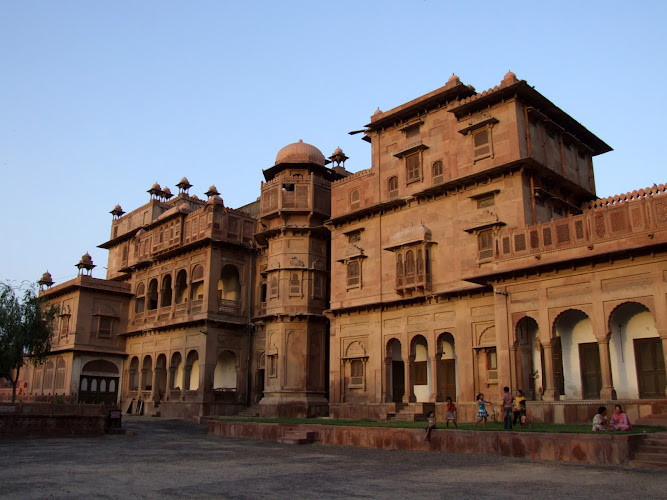
Junagarh Palace And Museum Bikaner
Find Accommodations Nearby
Recommended Tours & Activities
Visitor Reviews
There are no reviews yet. Be the first one to write one.
Share Your Experience
Have you visited WHITE MONUMENT? Help other travelers by leaving a review.