
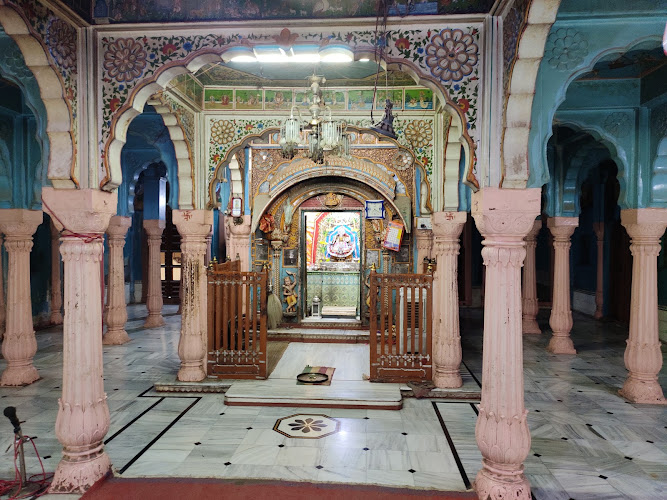
Marunayak Ji Ka Temple
About Marunayak Ji Ka Temple
Description
Marunayak Ji Ka Temple stands as one of those spiritual destinations that manages to surprise travelers who stumble upon it. This Hindu temple has been drawing devotees and curious visitors for years, and honestly, it's the kind of place that sticks with you long after you've left. The temple represents a beautiful blend of religious significance and architectural charm that captures the essence of traditional Hindu worship spaces. What strikes most visitors first is the sense of peace that seems to hang in the air here. And I'm not just talking about the typical temple quietness – there's something deeper about the atmosphere that makes people naturally lower their voices and slow their pace. The temple complex has managed to maintain its authentic character despite increasing visitor numbers, which is no small feat in today's world where commercialization often overtakes spiritual significance. The temple serves as an active place of worship, meaning travelers get to witness genuine religious practices rather than just touring a historical monument. You'll often find local devotees performing their daily rituals, offering prayers, and conducting ceremonies that have been passed down through generations. This living, breathing quality gives the temple an energy that pre-packaged tourist sites simply can't match. From an architectural standpoint, the temple showcases traditional design elements that reflect the region's cultural heritage. The craftsmanship visible in various parts of the structure tells stories of the artisans who dedicated their skills to creating a worthy space for worship. While it might not be the most elaborate temple you'll ever see, there's an understated elegance to its design that grows on you the more time you spend there. Most visitors find their experience here genuinely rewarding, with the majority reporting positive impressions of both the spiritual atmosphere and the overall condition of the premises. But like any real place worth visiting, it's not without its occasional challenges – some travelers have noted that timing your visit matters quite a bit in terms of crowds and accessibility.Key Features
- Active worship site where visitors can observe authentic Hindu religious practices and ceremonies throughout the day
- Traditional temple architecture that showcases regional design elements and skilled craftsmanship from earlier periods
- Peaceful atmosphere that provides a genuine respite from the usual tourist circuit hustle and bustle
- Accessible location that makes it possible for travelers to include the temple in broader regional itineraries
- Opportunities to interact with local devotees and gain insights into everyday religious practices and beliefs
- Well-maintained premises that demonstrate ongoing care and respect for the sacred space
- Relatively uncrowded compared to major tourist temples, allowing for more contemplative visits during certain times
- Photography opportunities that capture both architectural details and the human element of active worship
- Cultural authenticity that gives travelers a window into local spiritual life rather than staged tourist experiences
- Welcoming atmosphere toward visitors from different backgrounds, though respect for temple customs is expected
Best Time to Visit
Timing can make or break your temple visit, and Marunayak Ji Ka Temple is no exception to this rule. Based on what I've learned from travelers who've been there multiple times, the early morning hours between 6 AM and 9 AM offer something special. The temple comes alive with morning prayers and rituals, and the light at that hour does wonderful things to the architecture. Plus, you'll beat the heat if you're visiting during warmer months, which is always a win in my book. The evening time slot between 5 PM and 7 PM also has its champions. There's something about the evening aarti (prayer ceremony) that creates a memorable experience – the combination of chanting, lamp lighting, and the gathering of devotees creates an atmosphere that's pretty difficult to replicate. And the temperature tends to be more forgiving during these hours as well. Regarding seasons, the cooler months from October through March generally provide the most comfortable visiting conditions. The weather during this period allows you to explore the temple grounds without feeling like you're melting into the pavement. December and January can be particularly pleasant, though these months also tend to draw more visitors. That said, don't completely write off the monsoon season if you happen to be traveling during those months. While rain can certainly complicate temple visits, there's something atmospheric about experiencing the temple during light rainfall – just make sure to check weather conditions before heading out and bring appropriate footwear. Avoid major festival days unless you specifically want to experience the temple at its busiest. While festivals showcase the temple at its most ceremonially active, they also bring massive crowds that can make it difficult to appreciate the space or have any kind of contemplative experience. If you do visit during a festival, go with the flow and embrace the chaos rather than fighting against it. Weekdays typically offer a calmer experience than weekends when local families often visit. If your schedule allows flexibility, aim for a Tuesday, Wednesday, or Thursday visit for a more relaxed atmosphere.How to Get There
Getting to Marunayak Ji Ka Temple requires a bit of planning, but it's certainly manageable for independent travelers. The temple's location makes it accessible through various transportation options, though having some local knowledge or a decent navigation app definitely helps. If you're coming from a major city in the region, hiring a taxi or booking a ride through one of the popular ride-sharing apps represents the most straightforward option. The drivers generally know the temple, though it never hurts to have the exact location pulled up on your phone just in case. This option gives you flexibility with timing and allows you to potentially combine your temple visit with other nearby attractions. Auto-rickshaws offer a more budget-friendly alternative, particularly for shorter distances. Negotiating the fare before you set off saves potential headaches later – I've learned this lesson the hard way more times than I'd like to admit. Auto drivers in the area usually know the temple location, but again, having a map ready prevents any confusion. Local buses serve the area, making temple access possible for budget-conscious travelers willing to navigate the public transportation system. Bus routes change and timing can be unpredictable, so building extra time into your schedule is wise if you choose this option. Ask locals at your accommodation for current bus information since routes and schedules don't always match what you find online. For travelers who prefer maximum independence, renting a scooter or motorcycle might appeal to you. This gives you complete control over your schedule and makes it easier to explore surrounding areas at your own pace. Just make sure you're comfortable with local traffic patterns and road conditions before committing to this option. Parking facilities exist near the temple, though spaces can fill up during peak visiting hours and festival times. Arriving early solves most parking headaches and comes with the bonus of a less crowded temple experience. Walking to the temple is possible if you're staying in the immediate vicinity, and some travelers actually prefer approaching on foot to gradually transition into the temple's peaceful atmosphere. The walk also gives you glimpses of local life that you'd miss zipping past in a vehicle.Tips for Visiting
Dress modestly – this isn't the place for shorts, short skirts, or revealing tops. Both men and women should cover shoulders and knees at minimum. I've seen visitors turned away or asked to cover up before entering, which creates awkward situations that are easily avoided with proper planning. Carrying a light scarf or shawl in your bag provides an easy solution if you're touring multiple sites in a day. Remove your shoes before entering the temple premises. Most temples have designated shoe storage areas, though bringing your own bag for shoes isn't a bad idea if you're particular about where your footwear gets placed. Socks are acceptable and sometimes preferable if the ground is particularly hot. Photography policies vary depending on where you are in the temple. Always ask permission before photographing people engaged in worship – this is basic respect that goes a long way. Some inner sanctum areas prohibit photography entirely, so watch for signs and follow staff guidance. Bring small denominations of cash for offerings or donations if you wish to participate in that aspect of temple culture. Credit cards won't help you here, and breaking large bills can prove difficult. Having appropriate change shows respect for local customs and makes interactions smoother. Stay hydrated but remember that eating and drinking typically aren't allowed in temple areas. Plan accordingly by having water before you enter and saving snacks for after your visit. Some temples have designated areas for consuming food and drinks, but don't assume this applies everywhere. Be mindful of temple timings and daily schedules. Some areas might close during specific hours for cleaning or particular ceremonies. Arriving during darshan (viewing) hours ensures you'll have full access to the temple. Observe other worshippers and follow their lead if you're unsure about proper protocol. Most devotees are happy to help visitors understand customs and practices if you approach with genuine curiosity and respect. And don't stress too much about making small mistakes – sincere effort counts more than perfect execution. Consider hiring a local guide if you want deeper understanding of the temple's history and religious significance. Good guides enhance your experience considerably by explaining symbolism and stories you'd otherwise miss. Just agree on pricing beforehand to avoid misunderstandings. Keep your belongings secure and don't bring more than necessary. While temple premises are generally safe, crowded areas always present opportunities for pickpockets. A small crossbody bag works better than a large backpack. Finally, manage your expectations realistically. This temple offers authentic spiritual experience rather than Instagram-perfect moments at every turn. The real value lies in observing genuine faith in action and absorbing the peaceful atmosphere that draws people here year after year.Key Features
- Historic small-town Krishna shrine with local legends
- Intricately carved pillars and a colorful sanctum with traditional Rajasthani motifs
- Active worship with daily aarti and festival celebrations (notably Janmashtami)
- Situated in Old Bikaner close to bazaars — easy to combine with market exploration
- Photogenic narrow lanes and opportunities for candid cultural photography
More Details
Updated March 30, 2026
Table of Contents
Description
Marunayak Ji Ka Temple stands as one of those spiritual destinations that manages to surprise travelers who stumble upon it. This Hindu temple has been drawing devotees and curious visitors for years, and honestly, it’s the kind of place that sticks with you long after you’ve left. The temple represents a beautiful blend of religious significance and architectural charm that captures the essence of traditional Hindu worship spaces.
What strikes most visitors first is the sense of peace that seems to hang in the air here. And I’m not just talking about the typical temple quietness – there’s something deeper about the atmosphere that makes people naturally lower their voices and slow their pace. The temple complex has managed to maintain its authentic character despite increasing visitor numbers, which is no small feat in today’s world where commercialization often overtakes spiritual significance.
The temple serves as an active place of worship, meaning travelers get to witness genuine religious practices rather than just touring a historical monument. You’ll often find local devotees performing their daily rituals, offering prayers, and conducting ceremonies that have been passed down through generations. This living, breathing quality gives the temple an energy that pre-packaged tourist sites simply can’t match.
From an architectural standpoint, the temple showcases traditional design elements that reflect the region’s cultural heritage. The craftsmanship visible in various parts of the structure tells stories of the artisans who dedicated their skills to creating a worthy space for worship. While it might not be the most elaborate temple you’ll ever see, there’s an understated elegance to its design that grows on you the more time you spend there.
Most visitors find their experience here genuinely rewarding, with the majority reporting positive impressions of both the spiritual atmosphere and the overall condition of the premises. But like any real place worth visiting, it’s not without its occasional challenges – some travelers have noted that timing your visit matters quite a bit in terms of crowds and accessibility.
Key Features
- Active worship site where visitors can observe authentic Hindu religious practices and ceremonies throughout the day
- Traditional temple architecture that showcases regional design elements and skilled craftsmanship from earlier periods
- Peaceful atmosphere that provides a genuine respite from the usual tourist circuit hustle and bustle
- Accessible location that makes it possible for travelers to include the temple in broader regional itineraries
- Opportunities to interact with local devotees and gain insights into everyday religious practices and beliefs
- Well-maintained premises that demonstrate ongoing care and respect for the sacred space
- Relatively uncrowded compared to major tourist temples, allowing for more contemplative visits during certain times
- Photography opportunities that capture both architectural details and the human element of active worship
- Cultural authenticity that gives travelers a window into local spiritual life rather than staged tourist experiences
- Welcoming atmosphere toward visitors from different backgrounds, though respect for temple customs is expected
Best Time to Visit
Timing can make or break your temple visit, and Marunayak Ji Ka Temple is no exception to this rule. Based on what I’ve learned from travelers who’ve been there multiple times, the early morning hours between 6 AM and 9 AM offer something special. The temple comes alive with morning prayers and rituals, and the light at that hour does wonderful things to the architecture. Plus, you’ll beat the heat if you’re visiting during warmer months, which is always a win in my book.
The evening time slot between 5 PM and 7 PM also has its champions. There’s something about the evening aarti (prayer ceremony) that creates a memorable experience – the combination of chanting, lamp lighting, and the gathering of devotees creates an atmosphere that’s pretty difficult to replicate. And the temperature tends to be more forgiving during these hours as well.
Regarding seasons, the cooler months from October through March generally provide the most comfortable visiting conditions. The weather during this period allows you to explore the temple grounds without feeling like you’re melting into the pavement. December and January can be particularly pleasant, though these months also tend to draw more visitors.
That said, don’t completely write off the monsoon season if you happen to be traveling during those months. While rain can certainly complicate temple visits, there’s something atmospheric about experiencing the temple during light rainfall – just make sure to check weather conditions before heading out and bring appropriate footwear.
Avoid major festival days unless you specifically want to experience the temple at its busiest. While festivals showcase the temple at its most ceremonially active, they also bring massive crowds that can make it difficult to appreciate the space or have any kind of contemplative experience. If you do visit during a festival, go with the flow and embrace the chaos rather than fighting against it.
Weekdays typically offer a calmer experience than weekends when local families often visit. If your schedule allows flexibility, aim for a Tuesday, Wednesday, or Thursday visit for a more relaxed atmosphere.
How to Get There
Getting to Marunayak Ji Ka Temple requires a bit of planning, but it’s certainly manageable for independent travelers. The temple’s location makes it accessible through various transportation options, though having some local knowledge or a decent navigation app definitely helps.
If you’re coming from a major city in the region, hiring a taxi or booking a ride through one of the popular ride-sharing apps represents the most straightforward option. The drivers generally know the temple, though it never hurts to have the exact location pulled up on your phone just in case. This option gives you flexibility with timing and allows you to potentially combine your temple visit with other nearby attractions.
Auto-rickshaws offer a more budget-friendly alternative, particularly for shorter distances. Negotiating the fare before you set off saves potential headaches later – I’ve learned this lesson the hard way more times than I’d like to admit. Auto drivers in the area usually know the temple location, but again, having a map ready prevents any confusion.
Local buses serve the area, making temple access possible for budget-conscious travelers willing to navigate the public transportation system. Bus routes change and timing can be unpredictable, so building extra time into your schedule is wise if you choose this option. Ask locals at your accommodation for current bus information since routes and schedules don’t always match what you find online.
For travelers who prefer maximum independence, renting a scooter or motorcycle might appeal to you. This gives you complete control over your schedule and makes it easier to explore surrounding areas at your own pace. Just make sure you’re comfortable with local traffic patterns and road conditions before committing to this option.
Parking facilities exist near the temple, though spaces can fill up during peak visiting hours and festival times. Arriving early solves most parking headaches and comes with the bonus of a less crowded temple experience.
Walking to the temple is possible if you’re staying in the immediate vicinity, and some travelers actually prefer approaching on foot to gradually transition into the temple’s peaceful atmosphere. The walk also gives you glimpses of local life that you’d miss zipping past in a vehicle.
Tips for Visiting
Dress modestly – this isn’t the place for shorts, short skirts, or revealing tops. Both men and women should cover shoulders and knees at minimum. I’ve seen visitors turned away or asked to cover up before entering, which creates awkward situations that are easily avoided with proper planning. Carrying a light scarf or shawl in your bag provides an easy solution if you’re touring multiple sites in a day.
Remove your shoes before entering the temple premises. Most temples have designated shoe storage areas, though bringing your own bag for shoes isn’t a bad idea if you’re particular about where your footwear gets placed. Socks are acceptable and sometimes preferable if the ground is particularly hot.
Photography policies vary depending on where you are in the temple. Always ask permission before photographing people engaged in worship – this is basic respect that goes a long way. Some inner sanctum areas prohibit photography entirely, so watch for signs and follow staff guidance.
Bring small denominations of cash for offerings or donations if you wish to participate in that aspect of temple culture. Credit cards won’t help you here, and breaking large bills can prove difficult. Having appropriate change shows respect for local customs and makes interactions smoother.
Stay hydrated but remember that eating and drinking typically aren’t allowed in temple areas. Plan accordingly by having water before you enter and saving snacks for after your visit. Some temples have designated areas for consuming food and drinks, but don’t assume this applies everywhere.
Be mindful of temple timings and daily schedules. Some areas might close during specific hours for cleaning or particular ceremonies. Arriving during darshan (viewing) hours ensures you’ll have full access to the temple.
Observe other worshippers and follow their lead if you’re unsure about proper protocol. Most devotees are happy to help visitors understand customs and practices if you approach with genuine curiosity and respect. And don’t stress too much about making small mistakes – sincere effort counts more than perfect execution.
Consider hiring a local guide if you want deeper understanding of the temple’s history and religious significance. Good guides enhance your experience considerably by explaining symbolism and stories you’d otherwise miss. Just agree on pricing beforehand to avoid misunderstandings.
Keep your belongings secure and don’t bring more than necessary. While temple premises are generally safe, crowded areas always present opportunities for pickpockets. A small crossbody bag works better than a large backpack.
Finally, manage your expectations realistically. This temple offers authentic spiritual experience rather than Instagram-perfect moments at every turn. The real value lies in observing genuine faith in action and absorbing the peaceful atmosphere that draws people here year after year.
Key Highlights
- Historic small-town Krishna shrine with local legends
- Intricately carved pillars and a colorful sanctum with traditional Rajasthani motifs
- Active worship with daily aarti and festival celebrations (notably Janmashtami)
- Situated in Old Bikaner close to bazaars — easy to combine with market exploration
- Photogenic narrow lanes and opportunities for candid cultural photography
Location
Places to Stay Near Marunayak Ji Ka Temple
Find and Book a Tour
Explore More Travel Guides
No reviews found! Be the first to review!
Marunayak Ji Ka Temple is a prominent attractions located in Bikaner.
Visit us at: 2862+36W, MARUNAYAK JI KA CHOWK, BIKANER, RAJASTHAN, Bikaner, India.
Traveler Reviews for Marunayak Ji Ka Temple
There are no reviews yet. Be the first one to write one.
Have you visited Marunayak Ji Ka Temple? Help other travelers by sharing your review.
Nearby Attractions
You Might Also Like
Kingdom of RaniSa

Bhraman Path

Jawahar Park
Find Accommodations Nearby
Recommended Tours & Activities
Visitor Reviews
There are no reviews yet. Be the first one to write one.
Share Your Experience
Have you visited Marunayak Ji Ka Temple? Help other travelers by leaving a review.