About Federal University of Amapá

Description

The Federal University of Amapá stands as one of northern Brazil's most intriguing educational institutions, and honestly, it's not your typical tourist destination—which is exactly what makes it worth exploring. Located in the state capital of Macapá, this public university offers travelers a genuine glimpse into Brazilian academic life and the unique culture of Amapá, one of the country's least-visited states. I've always believed that some of the best travel experiences happen when you step off the beaten path, and visiting a university campus might sound odd at first, but hear me out. The Federal University of Amapá provides an authentic window into everyday Brazilian life that you simply won't find at conventional tourist spots. The campus itself reflects the regional architecture and planning sensibilities of this Amazonian state, creating an interesting blend of functionality and tropical adaptation. What really strikes visitors about this institution is how it serves as a community hub beyond just education. The university grounds buzz with student activities, cultural events, and public programs that welcome outsiders. And because Amapá receives relatively few international tourists compared to Rio or Salvador, you'll find people here genuinely curious and welcoming toward foreign visitors. The campus represents a microcosm of Amapá's diverse population, with students from indigenous communities, riverside settlements, and urban centers all converging in one space. The university's commitment to accessibility deserves mention too—wheelchair-accessible entrances and parking facilities demonstrate a forward-thinking approach that isn't always common in this region of Brazil. For travelers with mobility concerns, this makes the campus more navigable than many other public spaces you'll encounter in the Amazon region.

Key Features

The Federal University of Amapá offers several distinctive characteristics that make it an worthwhile stop for curious travelers: • Architectural Interest: The campus buildings showcase adaptations to tropical Amazon climate with clever ventilation systems and rain protection features that architecture enthusiasts will appreciate • Cultural Programming: Regular public lectures, art exhibitions, and musical performances that often incorporate indigenous Amazonian themes and regional traditions • Free Parking: Both dedicated parking lots and street parking available at no cost, which is pretty rare for Brazilian institutions and makes visiting hassle-free • Accessibility Features: Wheelchair-accessible infrastructure throughout the campus including entrances and designated parking spaces • Student Interactions: Opportunities to engage with Brazilian students who are typically eager to practice English and share insights about life in Amapá • Library and Research Centers: Public-access facilities focusing on Amazonian studies, biodiversity, and indigenous cultures that provide educational depth to your Amapá visit • Green Spaces: Campus gardens and outdoor areas that showcase native plant species from the Amazon region • Affordable Dining: University cafeterias serving authentic regional cuisine at local prices rather than tourist markups • Academic Events: Symposiums and conferences on topics ranging from rainforest conservation to Afro-Brazilian history that visitors can sometimes attend

Best Time to Visit

Planning when to visit the Federal University of Amapá requires understanding both the academic calendar and Amapá's climate patterns, and trust me, timing makes a huge difference in your experience. The academic year in Brazil typically runs from March through December, with a major break in July and a longer summer vacation from late December through February. If you're hoping to experience campus life at its fullest—with students milling about, events happening, and that energetic university atmosphere—you'll want to visit during active semester periods, particularly from March through June or August through November. That said, the climate plays an equally important role in planning. Amapá sits practically on the equator, which means it's warm year-round, but the rainfall patterns vary significantly. The dry season runs roughly from August through December, making these months generally more pleasant for walking around campus and exploring outdoor areas. The rainy season peaks between January and June, with March and April seeing particularly heavy downpours. But here's the thing—rain in the Amazon doesn't usually mean all-day drizzle. It typically comes in intense afternoon bursts, so you can still plan morning visits even during wetter months. I'd personally recommend visiting between August and October if you can manage it. During these months, you get the combination of active campus life, drier weather conditions, and slightly cooler temperatures (well, cooler for the Amazon anyway—we're still talking around 27-30°C or 80-86°F). Plus, many cultural events and academic conferences tend to cluster in these months. Early mornings offer the best visiting conditions regardless of season. Arriving between 8 and 10 AM means you'll experience cooler temperatures, avoid afternoon rain, and see the campus at its most active as classes begin. Fridays typically see more social activities and informal gatherings, while mid-week days showcase the university's more serious academic side.

How to Get There

Getting to the Federal University of Amapá requires first reaching Macapá, which is admittedly less straightforward than getting to Brazil's more tourist-friendly cities. But honestly, the journey is part of what makes visiting Amapá special—you're truly going somewhere that most travelers never think to explore. Macapá is served by Alberto Alcolumbre International Airport, which receives flights primarily from Brasília, Belém, and occasionally São Paulo. The airport sits roughly 3 kilometers from the city center, making it one of Brazil's most conveniently located airports. From there, you've got several options for reaching the university campus. Taxis and ride-sharing services like Uber operate in Macapá, though availability can be spottier than in larger Brazilian cities. The ride from the airport to the university typically takes 15-20 minutes depending on traffic and will cost between 20-40 Brazilian reais. Always confirm the fare beforehand with taxi drivers or use the app-based services to avoid any misunderstandings. Local buses serve the university, and this is honestly the most authentic way to travel if you're comfortable navigating public transportation. Several bus lines connect different parts of Macapá to the campus, though schedules can be irregular and route information isn't always available in English. Ask at your accommodation for specific route numbers—locals are usually incredibly helpful with directions. If you're staying in Macapá's historic center near the fortress, the university sits accessible via a relatively straightforward route. Some travelers enjoy walking part of the distance to get a feel for the city, though the tropical heat makes this challenging during midday hours. Consider walking in early morning or late afternoon if you're determined to go on foot. For those arriving overland from French Guiana—yes, Amapá borders France technically—you'll enter through Oiapoque and face a long bus journey to Macapá. This route appeals to adventurous travelers but requires patience and flexibility. From Belém, riverboats offer a scenic if time-consuming alternative to flying, taking several days but providing an unforgettable Amazon river experience.

Tips for Visiting

Now let me share some practical wisdom that'll make your Federal University of Amapá visit smoother and more rewarding, based on what actually works in this particular corner of Brazil. First off, dress appropriately for the climate but also respect the campus setting. Light, breathable clothing in natural fabrics works best—think cotton shirts and comfortable pants or skirts. Bring an umbrella regardless of season because tropical rain can surprise you. The campus involves walking, so comfortable shoes are essential. Flip-flops might be tempting in the heat, but you'll appreciate proper walking shoes. Language represents probably your biggest challenge. English isn't widely spoken in Amapá, and the university is no exception. Download Google Translate or a similar app before arriving, and don't be shy about using it. That said, I've found that Brazilians in general—and students especially—appreciate any attempt to speak Portuguese, no matter how mangled. Learn basic phrases like "com licença" (excuse me), "onde fica" (where is), and "posso tirar uma foto?" (can I take a photo?). Timing your visit around campus events multiplies the experience value. Check the university's public calendar—often universities post schedules online even if primarily in Portuguese. Cultural performances, public lectures, and student exhibitions frequently welcome outside visitors. The university library sometimes hosts book launches and poetry readings that provide fascinating cultural immersion. Don't be afraid to interact with students and faculty. Brazilians are notably friendly, and university communities doubly so. If you approach someone respectfully and express genuine interest in learning about the institution or the region, you'll likely find enthusiastic ambassadors. Many students study tourism or languages and welcome opportunities to practice English. Bring cash in Brazilian reais. While larger Brazilian cities increasingly accept cards everywhere, Amapá's economy still runs substantially on cash. The university cafeterias and small vendors around campus typically operate cash-only. ATMs exist on and near campus, but having money beforehand prevents headaches. Photography is generally permitted in public campus areas, but always ask permission before photographing people. This is basic courtesy everywhere but particularly important in academic settings. Some research facilities or administrative buildings might restrict photography, so look for signs or ask first. Plan for the heat and sun. Even if you're from a warm climate, equatorial sun hits different. Sunscreen, a hat, and constant hydration aren't optional—they're survival tools. The campus has water fountains, but carrying a refillable water bottle ensures you're never caught unprepared. And schedule indoor breaks. The library or cafeteria offers air-conditioned respite when the afternoon heat peaks. Consider combining your university visit with other Macapá attractions. The Marco Zero monument, where the equator line crosses the city, sits relatively nearby. The fortress of São José de Macapá and the riverfront area make for a fuller day of exploration. The university visit might take 2-3 hours depending on your interest level, so building a broader itinerary makes sense. Finally, manage your expectations appropriately. This isn't a polished tourist attraction with information boards and guided tours. It's a working university where education happens. The reward comes from authentic cultural immersion rather than Instagram-perfect moments. Some areas might look worn or under-maintained—this reflects the realities of public education funding in Brazil's less wealthy regions, not a lack of pride or care. Honestly, visiting the Federal University of Amapá probably won't top your Brazil highlight reel alongside Iguazu Falls or Carnival. But for travelers who value authentic experiences over curated tourist moments, it offers something increasingly rare—a chance to see how real Brazilians live, learn, and build their futures in one of the Amazon's most overlooked corners.

Key Features

  • Key Features
  • Best Time to Visit
  • How to Get There
  • Tips for Visiting

More Details

Updated January 18, 2026

Description

The Federal University of Amapá stands as one of northern Brazil’s most intriguing educational institutions, and honestly, it’s not your typical tourist destination—which is exactly what makes it worth exploring. Located in the state capital of Macapá, this public university offers travelers a genuine glimpse into Brazilian academic life and the unique culture of Amapá, one of the country’s least-visited states.

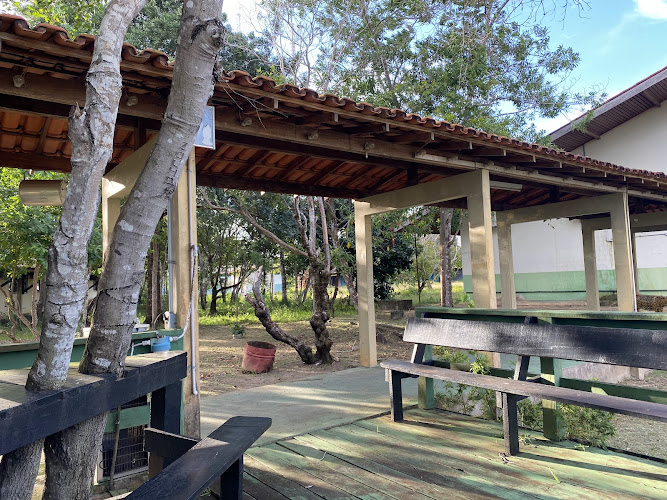
I’ve always believed that some of the best travel experiences happen when you step off the beaten path, and visiting a university campus might sound odd at first, but hear me out. The Federal University of Amapá provides an authentic window into everyday Brazilian life that you simply won’t find at conventional tourist spots. The campus itself reflects the regional architecture and planning sensibilities of this Amazonian state, creating an interesting blend of functionality and tropical adaptation.

What really strikes visitors about this institution is how it serves as a community hub beyond just education. The university grounds buzz with student activities, cultural events, and public programs that welcome outsiders. And because Amapá receives relatively few international tourists compared to Rio or Salvador, you’ll find people here genuinely curious and welcoming toward foreign visitors. The campus represents a microcosm of Amapá’s diverse population, with students from indigenous communities, riverside settlements, and urban centers all converging in one space.

The university’s commitment to accessibility deserves mention too—wheelchair-accessible entrances and parking facilities demonstrate a forward-thinking approach that isn’t always common in this region of Brazil. For travelers with mobility concerns, this makes the campus more navigable than many other public spaces you’ll encounter in the Amazon region.

Key Features

The Federal University of Amapá offers several distinctive characteristics that make it an worthwhile stop for curious travelers:

Architectural Interest: The campus buildings showcase adaptations to tropical Amazon climate with clever ventilation systems and rain protection features that architecture enthusiasts will appreciate

Cultural Programming: Regular public lectures, art exhibitions, and musical performances that often incorporate indigenous Amazonian themes and regional traditions

Free Parking: Both dedicated parking lots and street parking available at no cost, which is pretty rare for Brazilian institutions and makes visiting hassle-free

Accessibility Features: Wheelchair-accessible infrastructure throughout the campus including entrances and designated parking spaces

Student Interactions: Opportunities to engage with Brazilian students who are typically eager to practice English and share insights about life in Amapá

Library and Research Centers: Public-access facilities focusing on Amazonian studies, biodiversity, and indigenous cultures that provide educational depth to your Amapá visit

Green Spaces: Campus gardens and outdoor areas that showcase native plant species from the Amazon region

Affordable Dining: University cafeterias serving authentic regional cuisine at local prices rather than tourist markups

Academic Events: Symposiums and conferences on topics ranging from rainforest conservation to Afro-Brazilian history that visitors can sometimes attend

Best Time to Visit

Planning when to visit the Federal University of Amapá requires understanding both the academic calendar and Amapá’s climate patterns, and trust me, timing makes a huge difference in your experience.

The academic year in Brazil typically runs from March through December, with a major break in July and a longer summer vacation from late December through February. If you’re hoping to experience campus life at its fullest—with students milling about, events happening, and that energetic university atmosphere—you’ll want to visit during active semester periods, particularly from March through June or August through November.

That said, the climate plays an equally important role in planning. Amapá sits practically on the equator, which means it’s warm year-round, but the rainfall patterns vary significantly. The dry season runs roughly from August through December, making these months generally more pleasant for walking around campus and exploring outdoor areas. The rainy season peaks between January and June, with March and April seeing particularly heavy downpours. But here’s the thing—rain in the Amazon doesn’t usually mean all-day drizzle. It typically comes in intense afternoon bursts, so you can still plan morning visits even during wetter months.

I’d personally recommend visiting between August and October if you can manage it. During these months, you get the combination of active campus life, drier weather conditions, and slightly cooler temperatures (well, cooler for the Amazon anyway—we’re still talking around 27-30°C or 80-86°F). Plus, many cultural events and academic conferences tend to cluster in these months.

Early mornings offer the best visiting conditions regardless of season. Arriving between 8 and 10 AM means you’ll experience cooler temperatures, avoid afternoon rain, and see the campus at its most active as classes begin. Fridays typically see more social activities and informal gatherings, while mid-week days showcase the university’s more serious academic side.

How to Get There

Getting to the Federal University of Amapá requires first reaching Macapá, which is admittedly less straightforward than getting to Brazil’s more tourist-friendly cities. But honestly, the journey is part of what makes visiting Amapá special—you’re truly going somewhere that most travelers never think to explore.

Macapá is served by Alberto Alcolumbre International Airport, which receives flights primarily from Brasília, Belém, and occasionally São Paulo. The airport sits roughly 3 kilometers from the city center, making it one of Brazil’s most conveniently located airports. From there, you’ve got several options for reaching the university campus.

Taxis and ride-sharing services like Uber operate in Macapá, though availability can be spottier than in larger Brazilian cities. The ride from the airport to the university typically takes 15-20 minutes depending on traffic and will cost between 20-40 Brazilian reais. Always confirm the fare beforehand with taxi drivers or use the app-based services to avoid any misunderstandings.

Local buses serve the university, and this is honestly the most authentic way to travel if you’re comfortable navigating public transportation. Several bus lines connect different parts of Macapá to the campus, though schedules can be irregular and route information isn’t always available in English. Ask at your accommodation for specific route numbers—locals are usually incredibly helpful with directions.

If you’re staying in Macapá’s historic center near the fortress, the university sits accessible via a relatively straightforward route. Some travelers enjoy walking part of the distance to get a feel for the city, though the tropical heat makes this challenging during midday hours. Consider walking in early morning or late afternoon if you’re determined to go on foot.

For those arriving overland from French Guiana—yes, Amapá borders France technically—you’ll enter through Oiapoque and face a long bus journey to Macapá. This route appeals to adventurous travelers but requires patience and flexibility. From Belém, riverboats offer a scenic if time-consuming alternative to flying, taking several days but providing an unforgettable Amazon river experience.

Tips for Visiting

Now let me share some practical wisdom that’ll make your Federal University of Amapá visit smoother and more rewarding, based on what actually works in this particular corner of Brazil.

First off, dress appropriately for the climate but also respect the campus setting. Light, breathable clothing in natural fabrics works best—think cotton shirts and comfortable pants or skirts. Bring an umbrella regardless of season because tropical rain can surprise you. The campus involves walking, so comfortable shoes are essential. Flip-flops might be tempting in the heat, but you’ll appreciate proper walking shoes.

Language represents probably your biggest challenge. English isn’t widely spoken in Amapá, and the university is no exception. Download Google Translate or a similar app before arriving, and don’t be shy about using it. That said, I’ve found that Brazilians in general—and students especially—appreciate any attempt to speak Portuguese, no matter how mangled. Learn basic phrases like “com licença” (excuse me), “onde fica” (where is), and “posso tirar uma foto?” (can I take a photo?).

Timing your visit around campus events multiplies the experience value. Check the university’s public calendar—often universities post schedules online even if primarily in Portuguese. Cultural performances, public lectures, and student exhibitions frequently welcome outside visitors. The university library sometimes hosts book launches and poetry readings that provide fascinating cultural immersion.

Don’t be afraid to interact with students and faculty. Brazilians are notably friendly, and university communities doubly so. If you approach someone respectfully and express genuine interest in learning about the institution or the region, you’ll likely find enthusiastic ambassadors. Many students study tourism or languages and welcome opportunities to practice English.

Bring cash in Brazilian reais. While larger Brazilian cities increasingly accept cards everywhere, Amapá’s economy still runs substantially on cash. The university cafeterias and small vendors around campus typically operate cash-only. ATMs exist on and near campus, but having money beforehand prevents headaches.

Photography is generally permitted in public campus areas, but always ask permission before photographing people. This is basic courtesy everywhere but particularly important in academic settings. Some research facilities or administrative buildings might restrict photography, so look for signs or ask first.

Plan for the heat and sun. Even if you’re from a warm climate, equatorial sun hits different. Sunscreen, a hat, and constant hydration aren’t optional—they’re survival tools. The campus has water fountains, but carrying a refillable water bottle ensures you’re never caught unprepared. And schedule indoor breaks. The library or cafeteria offers air-conditioned respite when the afternoon heat peaks.

Consider combining your university visit with other Macapá attractions. The Marco Zero monument, where the equator line crosses the city, sits relatively nearby. The fortress of São José de Macapá and the riverfront area make for a fuller day of exploration. The university visit might take 2-3 hours depending on your interest level, so building a broader itinerary makes sense.

Finally, manage your expectations appropriately. This isn’t a polished tourist attraction with information boards and guided tours. It’s a working university where education happens. The reward comes from authentic cultural immersion rather than Instagram-perfect moments. Some areas might look worn or under-maintained—this reflects the realities of public education funding in Brazil’s less wealthy regions, not a lack of pride or care.

Honestly, visiting the Federal University of Amapá probably won’t top your Brazil highlight reel alongside Iguazu Falls or Carnival. But for travelers who value authentic experiences over curated tourist moments, it offers something increasingly rare—a chance to see how real Brazilians live, learn, and build their futures in one of the Amazon’s most overlooked corners.

Key Highlights

  • Key Features
  • Best Time to Visit
  • How to Get There
  • Tips for Visiting

Location

Places to Stay Near Federal University of Amapá

Find and Book a Tour

Explore More Travel Guides

No reviews found! Be the first to review!

Traveler Reviews for Federal University of Amapá

There are no reviews yet. Be the first one to write one.

Share Your Experience

Have you visited Federal University of Amapá? Help other travelers by sharing your review.

Find Accommodations Nearby

Recommended Tours & Activities

Visitor Reviews

There are no reviews yet. Be the first one to write one.

Share Your Experience

Have you visited Federal University of Amapá? Help other travelers by leaving a review.