Description
Marabaixo itself represents one of Brazil’s most significant yet underappreciated cultural expressions. Born from the experiences of enslaved Africans and their descendants, this tradition blends religious devotion, rhythmic percussion, and communal celebration in ways that continue to evolve today. The Associação Cultural Marabaixo do Pavão serves as a guardian of these practices, ensuring that younger generations understand where they come from while visitors from around the world can witness something genuinely authentic.
I’ve always believed that the best cultural experiences happen in places that weren’t built primarily for tourists, and this center fits that description perfectly. Sure, visitors are welcome and encouraged, but the real purpose here goes deeper—it’s about preservation, education, and community. The people who run this space aren’t performing culture for your entertainment; they’re living it, sharing it, and inviting you to understand it on their terms.
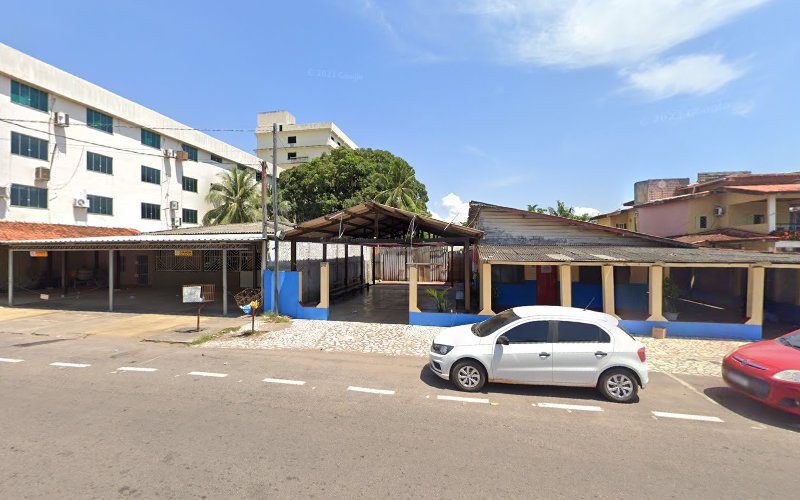
The physical space itself offers a welcoming environment where you can learn about Marabaixo’s history, witness traditional performances when scheduled, and interact with community members who grew up immersed in these customs. Unlike sterile museums where everything sits behind glass, this cultural center pulses with actual life. You might catch rehearsals, see artisans creating traditional crafts, or simply have conversations that change how you think about cultural preservation in the modern world.
What makes the Associação Cultural Marabaixo do Pavão particularly special is its grassroots nature. This isn’t government-funded cultural tourism with all the polish and sanitization that often comes with official recognition. Instead, it’s a community-driven effort where passion and dedication matter more than marketing budgets. And honestly? That’s exactly why travelers who want genuine experiences should prioritize it over more commercialized attractions.
Key Features
The Associação Cultural Marabaixo do Pavão offers visitors several distinctive elements that make it worth the journey:
• Authentic Marabaixo performances featuring traditional drumming patterns and dance movements passed down through generations, with community members as performers rather than hired entertainers
• Educational programs that explain the historical context of Marabaixo, including its African roots and evolution in Brazilian territory over centuries
• Community interaction opportunities where travelers can speak directly with tradition-bearers and learn firsthand accounts rather than reading plaques on walls
• Traditional instrument demonstrations showcasing the drums and other percussion instruments essential to Marabaixo’s distinctive sound
• Seasonal celebrations tied to the Catholic calendar, particularly around Easter and Holy Spirit festivities, when Marabaixo traditions reach their peak intensity
• Workshop participation for those who want hands-on experience learning basic rhythms, dance steps, or understanding the songs’ meanings
• Restroom facilities on-site, which honestly matters more than people admit when planning cultural visits
• Cultural artifacts and displays that provide visual context for understanding how Marabaixo fits into broader Afro-Brazilian identity
• Informal atmosphere that encourages questions, photography (when appropriate), and genuine curiosity rather than passive observation
Best Time to Visit
Timing your visit to the Associação Cultural Marabaixo do Pavão can significantly impact your experience, though the center welcomes visitors year-round. The absolute peak season for experiencing Marabaixo in its full glory falls during the Easter period and extends through the Feast of the Divine Holy Spirit, typically happening around May or June depending on the liturgical calendar. During these months, you’ll encounter the tradition at its most intense and communal, with larger gatherings, extended performances, and an energy that simply doesn’t exist during quieter periods.
But here’s something tour guides don’t always tell you—visiting during off-peak times has its own advantages. When you show up outside major festival periods, you often get more intimate access to the people maintaining these traditions. There’s less crowd chaos, more opportunity for conversation, and a better chance to understand the everyday work that goes into cultural preservation. I’ve found that some of my most meaningful cultural experiences happened when I wasn’t competing with dozens of other visitors for attention.
Weather-wise, Amapá’s climate doesn’t vary dramatically throughout the year, though the region does experience a rainy season roughly from December through June. The drier months from July through November offer more predictable weather conditions, which can make travel logistics easier. However, don’t let rain scare you off during wet season months—the Marabaixo tradition itself has deep connections to fertility, renewal, and natural cycles, making rain feel thematically appropriate rather than inconvenient.
If you’re planning your broader Brazil itinerary, consider that northern regions like Amapá receive far fewer international visitors than Rio, Salvador, or the Amazon gateway cities. This means you’ll find more authentic pricing, less tourist infrastructure (which is both advantage and challenge), and locals who genuinely appreciate your interest rather than seeing you as just another revenue source.
Weekends generally see more activity at cultural centers like this one compared to weekdays, though schedule variations happen. Contact ahead if possible to learn when performances or workshops might be scheduled—though honestly, even “quiet” visits offer value if you approach them with curiosity and respect.
How to Get There
Getting to the Associação Cultural Marabaixo do Pavão requires some planning since Amapá remains off most international travelers’ radar. Your journey will likely begin in Macapá, the state capital and primary entry point for the region. Macapá’s airport receives flights from major Brazilian cities including Brasília, Belém, and São Paulo, though connections aren’t as frequent as you’d find to more tourist-heavy destinations.
Once you’re in Macapá, reaching the cultural center depends on exactly where it’s located within the greater metropolitan area. Local transportation options include taxis, ride-sharing apps (which have grown in availability even in northern Brazil), and public buses if you’re comfortable navigating local transit systems. Honestly, for first-time visitors to the region, arranging transportation through your accommodation often reduces stress and ensures you don’t spend half your day lost.
The road infrastructure in Amapá has improved considerably over recent years, though it still doesn’t match southern Brazilian states. If you’re renting a car—which gives you flexibility to explore surrounding communities where Marabaixo traditions also thrive—make sure you’re comfortable with occasionally rough road conditions and navigation without always-reliable GPS coverage.
One practical tip that saved me frustration during travels in less-touristed Brazilian regions: screenshot maps and directions while you have solid internet connection. Cell service can get spotty, and you don’t want to be searching for a cultural center with no connectivity and locals who may not speak English.
Many visitors to Amapá combine their cultural exploration with ecological tourism since the state contains remarkable biodiversity and the unique phenomenon of being crossed by the equator. If you’re already making the journey to this remote region, consider extending your stay to justify the travel effort.
Language barriers present real challenges here—Portuguese proficiency helps enormously, and English speakers are far less common than in Rio or São Paulo. Basic Portuguese phrases and a translation app will serve you well. And in my experience, making the effort to communicate in Portuguese, however imperfectly, opens doors that staying monolingual keeps closed.
Tips for Visiting
Approaching the Associação Cultural Marabaixo do Pavão with the right mindset and preparation makes the difference between a superficial tourist stop and a meaningful cultural exchange. First and foremost, understand that you’re entering a community space, not a theme park. The traditions preserved here carry deep spiritual and historical significance for people whose ancestors fought to maintain their identity under oppression. Respect isn’t just polite—it’s essential.
Dress appropriately, which means modest, comfortable clothing that allows movement if you’re invited to participate in any activities. Leave the revealing resort wear back at your hotel. This isn’t about rigid dress codes but about showing that you take the experience seriously.
Timing matters more than rigid schedules in community-run spaces like this. If someone tells you an event starts at 3pm, there’s a decent chance it actually begins closer to 4pm. That’s not disorganization—it’s a different cultural approach to time, one that prioritizes people and relationships over clock-watching. Build flexibility into your schedule rather than getting frustrated when things don’t run like a German train station.
Bring cash for any entrance fees, donations, or purchases of local crafts. ATMs exist in Macapá, but you won’t necessarily find them at the cultural center itself, and credit card acceptance in community organizations remains hit-or-miss even as Brazil broadly modernizes its payment systems.
Photography etiquette requires sensitivity. Ask before photographing people, performances, or sacred items. Some moments might be off-limits, and that boundary deserves respect. When permission is granted, take your photos but also put the camera down and actually experience things with your full attention. I’ve watched too many travelers experience entire cultural events through their phone screens, essentially missing the point while thinking they’re documenting it.
If workshops or participation opportunities arise, say yes even if you feel awkward. You won’t master Marabaixo drumming in an afternoon, and your dance moves might be terrible, but the attempt matters. Shared activity builds connection faster than observation ever could.
Come with questions but also with humility. “Can you tell me about…” works better than “I read online that…” when engaging with tradition-bearers. Your research provides context, but lived experience trumps Wikipedia every time.
Consider the economic reality—cultural preservation work is often underfunded and undervalued. If you have the means, contribute generously when opportunities arise to support the organization through donations or purchasing crafts and products. Tourism dollars that stay in communities make a difference.
Finally, bring genuine curiosity rather than a checklist mentality. The Associação Cultural Marabaixo do Pavão offers something increasingly rare in our homogenized world—authentic cultural continuity maintained by communities for their own reasons, not primarily for external consumption. That’s worth far more than another selfie in front of a famous landmark, but only if you approach it on its own terms rather than trying to make it fit your preconceptions about what a tourist experience should look like.