Description
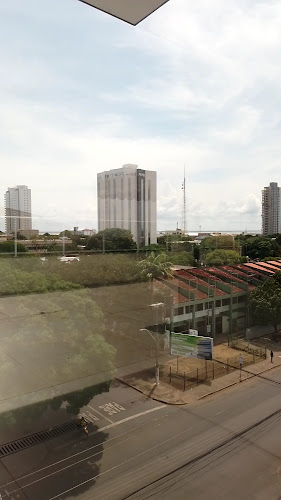
Macapá stands as one of Brazil’s most geographically unique capitals, and honestly, most travelers have never even heard of it. This city of over half a million people sits right on the equator – and I mean literally ON it – where the Amazon Delta meets the Atlantic Ocean. It’s the kind of place that makes you realize just how vast and unexplored Brazil really is beyond Rio and São Paulo.
The city serves as the capital of Amapá state in Brazil’s North Region, perched on a small plateau along the northern channel of the Amazon. What strikes visitors first is the peculiar light here. Because of its equatorial position, Macapá experiences nearly equal day and night throughout the year, which creates this consistent, almost surreal quality to the sunlight that photographers absolutely adore.
Walking through Macapá feels different than other Brazilian cities. The architecture reflects its colonial Portuguese past mixed with modern Brazilian urban development, but there’s also this frontier town energy that persists. You’ll notice it in the markets, in the river traffic, in the way locals talk about the forest and the water like they’re living entities. And they kind of are, when you think about it – the Amazon Delta influences everything here from the weather to the economy to the daily rhythms of life.
The city’s position at the mouth of the Amazon Delta means it’s surrounded by waterways, islands, and that distinctive ecosystem where freshwater meets saltwater. This creates incredible biodiversity that you won’t find in many other places on Earth. I remember talking to a local fisherman who explained how the fish populations change with the tides and seasons in ways that seem almost magical until you understand the science behind the mixing waters.
Key Features
Macapá offers travelers some truly distinctive experiences and landmarks that you simply can’t find elsewhere:
- Marco Zero Monument – This is THE spot where the equator crosses through the city. Standing with one foot in each hemisphere is touristy, sure, but also genuinely cool. The monument includes a stadium that hosts equinox events when the sun creates zero shadow at noon.
- Fortaleza de São José de Macapá – One of Brazil’s largest colonial fortresses, built in the 18th century with stones brought as ballast from Portugal. The massive walls took 18 years to construct and the fort has never actually been attacked, which seems both fortunate and slightly anticlimactic.
- Trapiche Eliezer Levy – This historic pier extends into the Amazon and serves as a gathering place for locals and visitors. Sunset here is spectacular, with the river turning golden and vendors selling açaí and tacacá.
- Mercado dos Produtores – A bustling market where you’ll find Amazonian fruits you’ve never heard of, local fish species, traditional crafts, and that authentic market chaos that makes you feel truly immersed in local life.
- Pororoca Phenomenon – During certain tidal conditions, the Atlantic tide pushes back against the Amazon current, creating massive waves that surge upriver. Surfers actually ride these waves, which can reach up to 4 meters high.
- Fazendinha District – A riverside neighborhood offering a glimpse into traditional Amazonian riverine culture, with houses on stilts and a completely different pace of life than downtown Macapá.
- Museu Sacaca – An open-air museum showcasing indigenous culture, traditional housing, and local ecosystems. It’s honestly more interesting than most indoor museums because you’re experiencing everything in context.
Best Time to Visit
Here’s the thing about Macapá – being on the equator means the temperature stays pretty consistent year-round, hovering around 26-28°C (79-82°F). So you’re not really choosing based on temperature like you would with most destinations. But that doesn’t mean all times are equal.
The dry season runs from August through December, and this is generally when I’d recommend planning your visit. The reduced rainfall means easier access to surrounding natural areas, better conditions for boat trips, and more reliable weather for outdoor activities. September and October are particularly good because you’ve got dry conditions but haven’t hit the peak tourist season yet – not that Macapá gets overwhelmed with tourists, but there’s definitely a noticeable uptick around December and January.
The rainy season spans January through July, with March and April typically seeing the heaviest precipitation. Now, rain in the Amazon isn’t like rain elsewhere. It often comes in intense afternoon downpours rather than all-day drizzle, so you can still plan activities for mornings. And honestly, if you want to see the Amazon ecosystem at its most lush and full, the wet season has its appeal. The rivers are fuller, the vegetation is greener, and there are fewer visitors.
If you specifically want to witness the pororoca phenomenon – those incredible tidal waves – you’ll need to visit during the equinox periods in March or September when tidal forces are strongest. But check specific dates because the timing varies based on lunar cycles.
One unique aspect of Macapá is the equinox celebrations in March and September. During these periods, the Marco Zero monument becomes a focal point for cultural events, and the symbolism of the sun being directly overhead creates this festival atmosphere that’s worth experiencing if your timing works out.
How to Get There
Getting to Macapá requires some planning because it’s definitely off the beaten path for most international travelers. The city is only accessible by air or water – there are literally no roads connecting Macapá to the rest of Brazil, which tells you something about the region’s isolation and the Amazon’s vastness.
Alberto Alcolumbre International Airport serves the city with regular flights from major Brazilian hubs. You’ll most likely connect through Brasília, São Paulo, or Belém. LATAM and Gol are the main carriers operating these routes. Flight times from Brasília run around 2.5 hours, from São Paulo about 4 hours including layover time. Yes, it takes some effort to get here, and that’s part of what keeps it authentic and less touristy.
If you’re already in the Amazon region, particularly in Belém, you could theoretically arrive by boat. Ferries make the journey, but we’re talking about 24+ hours on the water. Some travelers love this authentic river journey experience, while others find it tedious. The boats aren’t luxury cruises – they’re working vessels with basic accommodations. But if you’ve got time and want to truly experience Amazonian river travel, it’s an option worth considering.
Once you arrive at the airport, it’s about 3 kilometers from the city center. Taxis are readily available, or you can arrange pickup through your accommodation. Uber operates in Macapá too, though coverage isn’t as extensive as in major Brazilian cities.
Within the city, local buses run throughout Macapá, but routes can be confusing if you don’t speak Portuguese. Many visitors find that a combination of walking (for the central areas), taxis, and occasional boat trips (for reaching river islands and communities) works best. The city itself isn’t huge, and major attractions in the central area are often within walking distance of each other.
Tips for Visiting
Portuguese is essential here – way more than in tourist-heavy Brazilian destinations. English speakers are rare outside of hotels and tour agencies, so download a translation app or learn basic Portuguese phrases. The locals really appreciate the effort, and it’ll enhance your experience dramatically.
Yellow fever vaccination is strongly recommended for visiting Amapá state. Check requirements at least 6-8 weeks before travel because the vaccine needs time to take effect. You’ll want to take standard Amazon precautions too – insect repellent with DEET, long sleeves during dawn and dusk, and malaria prophylaxis if you’re venturing into remote areas beyond the city.
The currency situation can be tricky. While Macapá has ATMs and banks, they’re not on every corner like in São Paulo. Get cash when you see opportunities, and don’t count on credit cards working everywhere. Many markets, small restaurants, and transport options operate on cash only.
Food in Macapá deserves your adventurous spirit. Try tacacá, a regional soup that’s spicy and sour and completely unique. Buffalo meat is common here (there’s a large buffalo population in Amapá), and the variety of Amazonian fish exceeds anything you’ve probably encountered before. Açaí here is nothing like the sweetened bowl you might know – it’s served more savory, often with fish or shrimp.
The sun is intense at the equator in ways that surprise even experienced tropical travelers. Sunscreen isn’t optional, and the consistency of the UV exposure year-round means you can’t assume “it’s cloudy so I’m fine.” Locals know this and you’ll notice they’re strategic about shade and timing outdoor activities.
Stay hydrated constantly. The humidity combined with the heat means you’re losing water faster than you realize. Always carry water with you, and be aware that tap water isn’t generally recommended for drinking. Stick to bottled water or use a filtering system.
For photography enthusiasts, that equatorial light I mentioned earlier creates unique challenges and opportunities. The sun moves nearly straight overhead, which eliminates long shadows but can create harsh midday light. Early morning and late afternoon still offer the best natural lighting, but the difference is less dramatic than in places further from the equator.
Consider hiring local guides for excursions beyond the city. The Amazon environment requires expertise to navigate safely, and you’ll learn exponentially more with someone who knows the ecosystems, can identify species, and understands the river systems. Plus it supports the local economy directly.
The pace in Macapá runs slower than major Brazilian cities. Embrace it rather than fighting it. Services might take longer, schedules might be flexible, and that’s just how things work in this part of the Amazon. If you come expecting Rio’s energy, you’ll be frustrated. If you come ready to adapt to Amazonian time, you’ll have a much richer experience.