Description
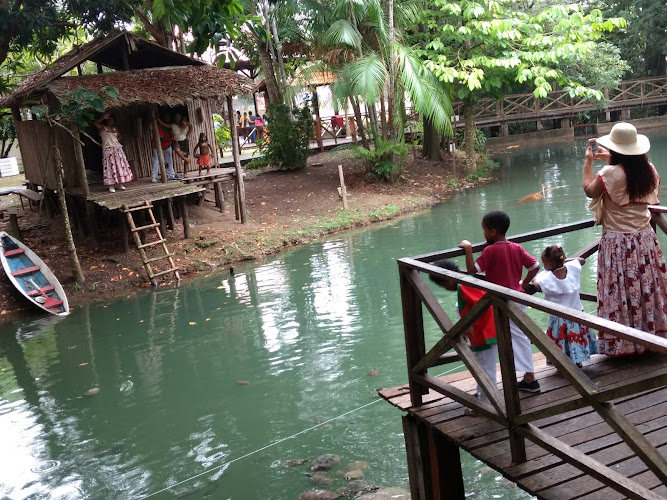
The Museu Sacaca stands as one of the Amazon’s most authentic cultural experiences, offering travelers a genuine glimpse into the lives and traditions of Amazonian peoples. Located along the riverside, this outdoor museum recreates traditional indigenous dwellings and showcases exhibits that bring centuries of regional heritage to life in ways that indoor museums simply can’t match.
What makes this place particularly special is its open-air design. You’re not walking through sterile corridors with glass cases – you’re actually stepping into reconstructed villages and experiencing how indigenous communities lived (and in many cases, still live) in harmony with the rainforest environment. The museum sits right on the water’s edge, which isn’t just a pretty backdrop but an essential element of understanding Amazonian culture, where rivers serve as highways, food sources, and spiritual landmarks all rolled into one.
I’ve visited quite a few museums focused on indigenous cultures across South America, and there’s something different about Sacaca. Maybe it’s the way sunlight filters through the palm-thatched roofs, or how you can hear actual river sounds while exploring the traditional homes. It feels less like a museum and more like you’ve been transported to a living community, frozen in a moment of cultural preservation. The exhibits don’t just tell you about Amazonian life – they immerse you in it.
The facility does a remarkable job balancing education with accessibility. Families with young children find plenty to engage curious minds, while researchers and culture enthusiasts discover layers of anthropological detail worth examining. And yes, the museum has thought about practical needs too – you’ll find restrooms, a restaurant serving regional dishes, and proper accessibility features that many outdoor attractions overlook.
Key Features
- Traditional indigenous dwellings reconstructed with authentic materials and techniques, allowing visitors to walk through and experience the architectural wisdom adapted to rainforest living
- Riverside location that provides context for understanding how Amazonian communities relied on waterways for transportation, fishing, and daily life
- Interactive displays showcasing traditional tools, fishing equipment, hunting implements, and household items still used in remote communities
- Botanical gardens featuring medicinal plants and food crops native to the Amazon, with information about their traditional uses in indigenous communities
- Cultural artifacts including pottery, woven baskets, ceremonial objects, and textiles that demonstrate the artistic sophistication of Amazonian peoples
- Educational signage in multiple languages explaining the cultural significance and historical context of exhibits
- On-site restaurant serving authentic Amazonian cuisine, giving visitors a taste of regional flavors and traditional cooking methods
- Wheelchair accessible facilities throughout, including entrance, parking, and restrooms – a thoughtful touch for an outdoor museum
- Free street parking available, making it budget-friendly for travelers watching their expenses
- Boat exhibits and displays showing traditional watercraft construction and navigation techniques
- Shaded walking paths that protect visitors from intense sun while exploring the outdoor exhibits
- Photography opportunities that capture both cultural artifacts and natural Amazonian scenery in the same frame
Best Time to Visit
Timing your visit to Museu Sacaca requires thinking about both weather patterns and crowd levels, and honestly, there’s no perfect answer that works for everyone.
The dry season, which typically runs from July through December, offers the most comfortable conditions for exploring this outdoor museum. You’ll encounter less rainfall, lower humidity levels, and pathways that aren’t muddy or slippery. But here’s the thing – the Amazon doesn’t really do “dry” the way other places do. You might still see rain, just less of it. I’d recommend bringing a light rain jacket regardless of when you visit.
Morning visits, especially between 8am and 10am, provide the best experience. Temperatures haven’t reached their peak yet, you’ll beat the tour groups that typically arrive mid-morning, and the riverside setting feels particularly peaceful during these early hours. The light is gorgeous for photography too, if that matters to you.
Weekdays see fewer visitors than weekends, which makes a difference when you’re trying to appreciate the details of traditional dwellings or read informational displays without crowds. If you can only visit on weekends, aim for opening time to get ahead of family groups and tour buses.
The wet season (January through June) shouldn’t necessarily be written off completely. Sure, you’ll deal with more rain and higher river levels, but the vegetation is lusher, the whole area feels more alive, and you’ll encounter fewer tourists. Just check if any pathways or exhibits have been temporarily closed due to flooding before making the trip.
Avoid visiting during the hottest part of the day (noon to 3pm) unless you really love feeling like you’re in a sauna. The combination of heat, humidity, and limited shade in some areas can turn what should be an enjoyable cultural experience into an endurance test.
How to Get There
Getting to Museu Sacaca is straightforward enough, though you’ll want to plan your transportation in advance rather than winging it.
Taxis and ride-sharing services offer the most convenient option for travelers staying in the city center. The drivers generally know the museum well – it’s a popular destination – but having the address written down or saved on your phone doesn’t hurt. The ride typically takes 15-25 minutes depending on traffic and your starting point.
Public transportation is available and significantly cheaper if you’re traveling on a budget. Local buses run routes that pass near the museum, though you’ll need to ask locals or your hotel staff which specific bus number to take, as routes can change. Be prepared for a short walk from the bus stop to the museum entrance.
If you’ve rented a car, you’ll appreciate the free street parking situation. But driving in unfamiliar territory always comes with challenges – traffic patterns might confuse you, and parking spots fill up quickly on busy days. Arrive early if you’re driving yourself.
Many hotels and tour operators offer organized trips to Museu Sacaca, sometimes combined with other regional attractions. These packages handle all transportation logistics and often include a guide, which adds context you might miss exploring independently. The downside? Less flexibility in how long you spend at the museum and potentially higher costs.
The museum’s riverside location means some visitors arrive by boat, which isn’t really practical for most tourists but worth mentioning. If you’re already planning water-based activities or tours, you might ask your tour operator if incorporating a boat arrival at Sacaca makes sense.
Tips for Visiting
Wear comfortable, closed-toe shoes with good traction. This isn’t the place for flip-flops or fancy sandals. You’ll be walking on various surfaces including dirt paths, wooden platforms, and potentially muddy areas if it’s rained recently. Your feet will thank you.
Bring insect repellent – and I mean actually use it before you start exploring. Mosquitoes near the riverside don’t mess around, and spending your visit swatting bugs instead of appreciating the exhibits isn’t fun. Reapply as needed, especially if you’re sweating (which you will be).
Sun protection matters even on cloudy days. The tropical sun is no joke, and while some areas have shade, you’ll spend plenty of time exposed. Sunscreen, a hat, and sunglasses should be non-negotiable items in your bag.
Plan to spend at least 2-3 hours at the museum if you want to see everything properly. Rushing through in an hour means you’ll miss the details that make this place special. The traditional dwellings deserve time to explore, the botanical areas need attention to appreciate, and the artifact displays contain information worth reading.
Bring water, though there’s a restaurant on-site if you run out. Staying hydrated in Amazonian heat isn’t optional, and you’ll drink more than you expect. The restaurant serves regional dishes worth trying if you’re hungry – this is your chance to taste authentic Amazonian cuisine prepared traditionally.
Take your time in the traditional dwellings. These reconstructions teach you so much about climate-adapted architecture and resourceful living. Notice how the structures use natural ventilation, how materials are chosen and combined, how spaces are organized for different activities. It’s fascinating stuff that modern architecture could learn from.
If you’re traveling with kids, the museum works well for families. Children often find the outdoor setting and tangible exhibits more engaging than traditional museums. Just keep an eye on little ones near the water and explain why they shouldn’t touch certain artifacts.
Photography is generally allowed, but be respectful. Some areas or objects might have restrictions, so watch for signage. And please, resist the urge to touch artifacts or climb on structures for that perfect Instagram shot. Preservation depends on visitor respect.
Consider hiring a local guide if you want deeper context. While the museum provides informational displays, a knowledgeable guide can share stories, answer questions, and point out details you’d otherwise miss. Some guides are from indigenous communities themselves, adding authenticity and personal perspectives to the experience.
Check the weather forecast before your visit, but don’t let predictions of rain necessarily cancel your plans. Brief Amazonian showers pass quickly, and the museum has covered areas where you can wait out downpours. Just bring that rain jacket I mentioned earlier.
The on-site restaurant deserves a visit even if you’re not particularly hungry. Regional dishes like fish prepared in traditional styles, unusual fruits, and indigenous-influenced recipes give you cultural insight that extends beyond the exhibits. It’s all part of understanding Amazonian life.
Budget conscious travelers should note the free parking and reasonable admission prices make this an affordable cultural experience. Bring some cash for any souvenirs or food purchases, as card payment options might be limited.
Respect the cultural significance of what you’re seeing. These aren’t just quaint displays – they represent living cultures and traditions that continue in Amazonian communities today. Approach everything with curiosity and respect rather than as exotic entertainment.
Finally, visit the museum with an open mind and genuine interest in learning. Museu Sacaca offers something increasingly rare – an authentic connection to indigenous Amazonian heritage presented thoughtfully and accessibly. Take advantage of this opportunity to understand cultures that have thrived in one of Earth’s most challenging and important ecosystems for thousands of years.