Ex Convento de San Francisco De Asis
About Ex Convento de San Francisco De Asis
Description
There’s something quietly powerful about walking into the Ex Convento de San Francisco de Asis. The moment one steps inside, the air feels thicker with history—centuries of prayers, footsteps, and whispered stories still echo softly through its stone corridors. Built in the 16th century, this former Franciscan convent stands as one of the oldest and most meaningful landmarks in Pachuca, Mexico. It’s not just a church; it’s a living memory of faith, resilience, and community.
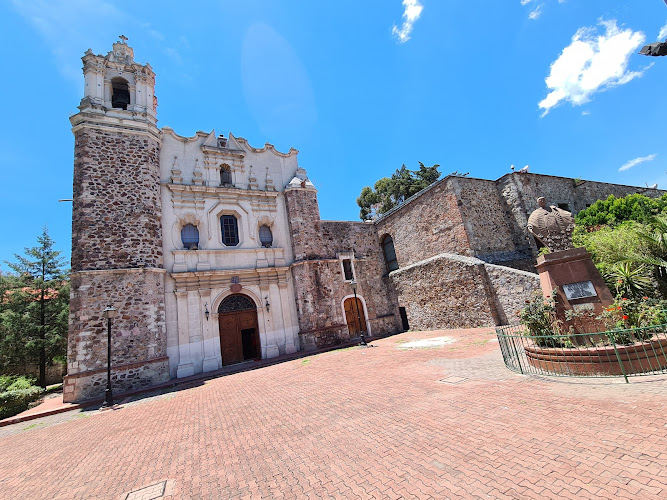
The architecture alone tells half the story. Its façade, weathered by time and sunlight, bears the hallmarks of colonial craftsmanship—ornate yet humble, grand yet grounded. The convent once served as a spiritual and cultural hub for the Franciscan order, playing an essential role in spreading Christianity throughout the region. Over the years, it has survived earthquakes, political changes, and modernization—yet somehow, it’s managed to keep its soul intact. And that’s what really strikes you when you visit: it feels deeply human, imperfect in the most beautiful way.
Inside, the atmosphere is calm and contemplative. Light filters through small windows, casting soft shadows across the worn stone floors. You might catch the faint scent of incense or hear the low murmur of a local guide explaining the convent’s past. It’s easy to imagine monks pacing the halls centuries ago, or townspeople gathering for mass under the high ceilings. Even if you’re not particularly religious, there’s something grounding about being here. It’s a reminder of how time connects us all, quietly and persistently.
Key Features
- Historic Architecture: The convent showcases early colonial design, blending Spanish and indigenous influences with carved stone details and a simple yet elegant layout.
- Art and Artifacts: Several chapels and halls display religious art, old manuscripts, and sacred relics that reflect centuries of devotion and artistry.
- Peaceful Courtyard: The central courtyard, surrounded by arches, offers a serene spot to rest and reflect—especially beautiful in the late afternoon light.
- Bell Tower Views: From the bell tower, visitors can enjoy sweeping views of the surrounding city and hills, a perfect spot for photos or quiet contemplation.
- Cultural Significance: The convent has long been a cornerstone of local identity, hosting community gatherings, festivals, and even small concerts in recent years.
What’s particularly striking is how the Ex Convento de San Francisco de Asis manages to balance its historical weight with a sense of openness. It’s not a place frozen in time—it’s alive, evolving, and still deeply loved by locals. You’ll likely see families stopping by after Sunday mass, artists sketching the façade, or travelers like you pausing to take in the silence. It’s one of those places that doesn’t need to shout to be heard.
Best Time to Visit
If you ask me, mornings are the best time to visit. The light hits the stone walls just right, and the air feels crisp and still. Early hours also mean fewer people, which gives you space to wander and absorb the atmosphere at your own pace. Afternoons can be warmer and busier, especially on weekends when locals attend services or events. But if you enjoy a bit of lively energy, that might be your moment.
The months between November and February are generally more pleasant weather-wise, with cooler temperatures that make exploring the area comfortable. During religious holidays, especially around Easter and Christmas, the convent becomes a focal point of local celebrations. It’s a bit more crowded then, sure, but watching the community come together in such a historic setting is genuinely special. Just be prepared for a bit of noise and activity—it’s all part of the charm.
How to Get There
Reaching the Ex Convento de San Francisco de Asis is fairly straightforward. Pachuca is well-connected by road, and the convent sits close to the city center, making it easy to reach by car, taxi, or even on foot if you’re staying nearby. Public transportation options like local buses and ride-hailing services operate frequently in the area, so you won’t have trouble finding a ride.
If you’re driving, parking is available in nearby streets, though it can get tight during weekends or special events. I personally prefer walking—it gives you the chance to take in the surrounding architecture and street life. The neighborhood itself has an old-world feel, with colorful buildings, small shops, and friendly locals who are usually happy to point you in the right direction if you get turned around (which, honestly, happens to me more often than I’d like to admit).
Tips for Visiting
Here’s where a few insider tips can make your visit even better. First off, bring a camera—but remember to be respectful. Some areas inside the convent may restrict photography, especially during services. Ask before snapping pictures, and you’ll be fine. Comfortable shoes are a must, as the stone floors can be uneven in spots. And if you’re the kind of traveler who loves details, take your time. There are small carvings, inscriptions, and textures that you’ll miss if you rush.
It’s also worth chatting with the caretakers or guides if you get the chance. They often share stories not found in any brochure—like how certain relics were discovered or how restoration efforts have preserved the original frescoes. I once spent nearly half an hour talking to an elderly guide who’d been volunteering there for decades. He spoke about the convent as if it were a living friend, describing how each season changes the way the light moves across the altar. That conversation stuck with me—it made the whole experience feel more personal.
If you’re visiting during a festival or religious event, arrive early. The crowds can grow quickly, and seating inside the church fills up fast. Bring a bottle of water and maybe a light snack, especially if you plan to explore the surrounding area afterward. And don’t forget to step outside and just look back at the building before you leave. From that angle, with the sky behind it, the convent looks almost timeless—a quiet sentinel watching over the city.
Lastly, take a moment to simply sit in silence. Whether you’re spiritual or not, there’s something profoundly calming about being in a place that has stood for hundreds of years, weathering storms both literal and metaphorical. The Ex Convento de San Francisco de Asis isn’t just a tourist stop—it’s a piece of living history, and if you let it, it’ll leave a small mark on you too. You’ll walk away with a sense of peace, maybe even a bit of awe, and definitely a deeper appreciation for how the past continues to shape the present.
So, if you find yourself in Pachuca and want to connect with something real—something that’s seen centuries come and go—this is the place. It doesn’t need flashy lights or modern gimmicks to impress. It just stands there, quietly beautiful, waiting for you to step inside and listen to its story.
Key Features
- Key Features
- Best Time to Visit
- How to Get There
- Tips for Visiting
More Details
Updated November 9, 2025
Table of Contents
- Description
- Key Features
- Best Time to Visit
- How to Get There
- Tips for Visiting
- Key Highlights
- Location
- Places to Stay Near Ex Convento de San Francisco De Asis
- Find and Book a Tour
- Explore More Travel Guides
- Nearby Places You Might Like
- Traveler Reviews for Ex Convento de San Francisco De Asis
- Share Your Experience
Description
There’s something quietly powerful about walking into the Ex Convento de San Francisco de Asis. The moment one steps inside, the air feels thicker with history—centuries of prayers, footsteps, and whispered stories still echo softly through its stone corridors. Built in the 16th century, this former Franciscan convent stands as one of the oldest and most meaningful landmarks in Pachuca, Mexico. It’s not just a church; it’s a living memory of faith, resilience, and community.
The architecture alone tells half the story. Its façade, weathered by time and sunlight, bears the hallmarks of colonial craftsmanship—ornate yet humble, grand yet grounded. The convent once served as a spiritual and cultural hub for the Franciscan order, playing an essential role in spreading Christianity throughout the region. Over the years, it has survived earthquakes, political changes, and modernization—yet somehow, it’s managed to keep its soul intact. And that’s what really strikes you when you visit: it feels deeply human, imperfect in the most beautiful way.
Inside, the atmosphere is calm and contemplative. Light filters through small windows, casting soft shadows across the worn stone floors. You might catch the faint scent of incense or hear the low murmur of a local guide explaining the convent’s past. It’s easy to imagine monks pacing the halls centuries ago, or townspeople gathering for mass under the high ceilings. Even if you’re not particularly religious, there’s something grounding about being here. It’s a reminder of how time connects us all, quietly and persistently.
Key Features
- Historic Architecture: The convent showcases early colonial design, blending Spanish and indigenous influences with carved stone details and a simple yet elegant layout.
- Art and Artifacts: Several chapels and halls display religious art, old manuscripts, and sacred relics that reflect centuries of devotion and artistry.
- Peaceful Courtyard: The central courtyard, surrounded by arches, offers a serene spot to rest and reflect—especially beautiful in the late afternoon light.
- Bell Tower Views: From the bell tower, visitors can enjoy sweeping views of the surrounding city and hills, a perfect spot for photos or quiet contemplation.
- Cultural Significance: The convent has long been a cornerstone of local identity, hosting community gatherings, festivals, and even small concerts in recent years.
What’s particularly striking is how the Ex Convento de San Francisco de Asis manages to balance its historical weight with a sense of openness. It’s not a place frozen in time—it’s alive, evolving, and still deeply loved by locals. You’ll likely see families stopping by after Sunday mass, artists sketching the façade, or travelers like you pausing to take in the silence. It’s one of those places that doesn’t need to shout to be heard.
Best Time to Visit
If you ask me, mornings are the best time to visit. The light hits the stone walls just right, and the air feels crisp and still. Early hours also mean fewer people, which gives you space to wander and absorb the atmosphere at your own pace. Afternoons can be warmer and busier, especially on weekends when locals attend services or events. But if you enjoy a bit of lively energy, that might be your moment.
The months between November and February are generally more pleasant weather-wise, with cooler temperatures that make exploring the area comfortable. During religious holidays, especially around Easter and Christmas, the convent becomes a focal point of local celebrations. It’s a bit more crowded then, sure, but watching the community come together in such a historic setting is genuinely special. Just be prepared for a bit of noise and activity—it’s all part of the charm.
How to Get There
Reaching the Ex Convento de San Francisco de Asis is fairly straightforward. Pachuca is well-connected by road, and the convent sits close to the city center, making it easy to reach by car, taxi, or even on foot if you’re staying nearby. Public transportation options like local buses and ride-hailing services operate frequently in the area, so you won’t have trouble finding a ride.
If you’re driving, parking is available in nearby streets, though it can get tight during weekends or special events. I personally prefer walking—it gives you the chance to take in the surrounding architecture and street life. The neighborhood itself has an old-world feel, with colorful buildings, small shops, and friendly locals who are usually happy to point you in the right direction if you get turned around (which, honestly, happens to me more often than I’d like to admit).
Tips for Visiting
Here’s where a few insider tips can make your visit even better. First off, bring a camera—but remember to be respectful. Some areas inside the convent may restrict photography, especially during services. Ask before snapping pictures, and you’ll be fine. Comfortable shoes are a must, as the stone floors can be uneven in spots. And if you’re the kind of traveler who loves details, take your time. There are small carvings, inscriptions, and textures that you’ll miss if you rush.
It’s also worth chatting with the caretakers or guides if you get the chance. They often share stories not found in any brochure—like how certain relics were discovered or how restoration efforts have preserved the original frescoes. I once spent nearly half an hour talking to an elderly guide who’d been volunteering there for decades. He spoke about the convent as if it were a living friend, describing how each season changes the way the light moves across the altar. That conversation stuck with me—it made the whole experience feel more personal.
If you’re visiting during a festival or religious event, arrive early. The crowds can grow quickly, and seating inside the church fills up fast. Bring a bottle of water and maybe a light snack, especially if you plan to explore the surrounding area afterward. And don’t forget to step outside and just look back at the building before you leave. From that angle, with the sky behind it, the convent looks almost timeless—a quiet sentinel watching over the city.
Lastly, take a moment to simply sit in silence. Whether you’re spiritual or not, there’s something profoundly calming about being in a place that has stood for hundreds of years, weathering storms both literal and metaphorical. The Ex Convento de San Francisco de Asis isn’t just a tourist stop—it’s a piece of living history, and if you let it, it’ll leave a small mark on you too. You’ll walk away with a sense of peace, maybe even a bit of awe, and definitely a deeper appreciation for how the past continues to shape the present.
So, if you find yourself in Pachuca and want to connect with something real—something that’s seen centuries come and go—this is the place. It doesn’t need flashy lights or modern gimmicks to impress. It just stands there, quietly beautiful, waiting for you to step inside and listen to its story.

Key Highlights
- Key Features
- Best Time to Visit
- How to Get There
- Tips for Visiting
Location
Places to Stay Near Ex Convento de San Francisco De Asis
Find and Book a Tour
Explore More Travel Guides
No reviews found! Be the first to review!
Traveler Reviews for Ex Convento de San Francisco De Asis
There are no reviews yet. Be the first one to write one.
Have you visited Ex Convento de San Francisco De Asis? Help other travelers by sharing your review.
Find Accommodations Nearby
Recommended Tours & Activities
Visitor Reviews
There are no reviews yet. Be the first one to write one.
Share Your Experience
Have you visited Ex Convento de San Francisco De Asis? Help other travelers by leaving a review.