Description
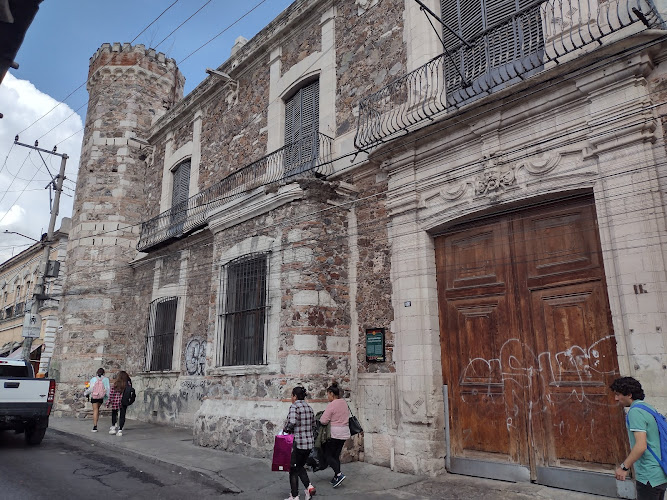
I remember the first time I wandered through its courtyard. The air felt cooler there, heavy with the scent of old stone and dust. You can almost imagine the clinking of coins, the murmur of officials tallying the wealth of a colonial empire. The building itself is a beautiful mix of cantera stone and red brick, a style typical of the late 18th century, but what’s fascinating is how well it’s been preserved. Despite its age, it still stands proud, a symbol of Pachuca’s mining legacy and its role in the broader story of New Spain.
Nowadays, the Cajas Reales serves as a cultural space and museum. It often hosts art exhibitions, historical displays, and community events that breathe new life into its old halls. It’s not a flashy place—don’t expect interactive screens or trendy cafés—but that’s part of its charm. It’s quiet, reflective, and deeply authentic. You walk in and get the sense that you’re standing in a chapter of history that hasn’t been rewritten or polished for tourists. And honestly, that’s rare.
Visitors often talk about how the building transports them back in time. The thick walls, the arched corridors, the central patio with its echoing footsteps—it all feels cinematic. You can almost see the colonial officials in their uniforms, ledger books in hand, overseeing shipments of silver. It’s a place that rewards curiosity. If you take your time, you’ll notice the craftsmanship in the stonework, the symmetry of the design, and even the subtle details that hint at the building’s dual purpose as both an administrative and storage center.
While some travelers might find it modest compared to bigger museums, others will tell you that’s exactly what makes it special. It doesn’t try to impress with grandeur; instead, it invites you to slow down and listen. And if you’re lucky, you might catch a local guide who knows the lesser-known tales—the whispered stories of miners, the secret tunnels rumored to run beneath the city, or the way the building survived political upheavals and modernization. It’s these human touches that make a visit here feel personal.
Best Time to Visit
Honestly, there’s no bad time to visit the Cajas Reales, but if you want to make the most of it, aim for the cooler months—between November and March. The mild weather makes walking around the historic center much more pleasant. During local festivals, like the Feria de San Francisco or the mining celebrations, the area around the building buzzes with energy, and you might even catch special exhibits or guided tours.
I once visited in late February, and the light that filtered through the courtyard arches at sunset was just stunning. The stone walls seemed to glow with a warm, almost golden hue. Early mornings are great too, especially if you enjoy photographing architecture without crowds. The quiet streets and soft morning light make it feel like you’ve stepped back in time.
If you’re sensitive to heat, avoid midday in the summer—it can get pretty warm, and there’s not much shade outside. But even then, the thick colonial walls inside keep things cool. And if you’re into cultural events, check out local listings before your trip; the museum sometimes hosts art shows, lectures, or small concerts that add an extra layer to your visit.
How to Get There
Getting to the Edificio de las Cajas Reales is quite straightforward. It’s right in the heart of Pachuca’s historic center, so if you’re staying nearby, you can easily walk there. The surrounding streets are filled with charming old buildings, small shops, and local food spots, so the walk itself becomes part of the experience.
If you’re coming from Mexico City, the drive takes about an hour and a half, depending on traffic. Buses from the capital to Pachuca run frequently, and once you arrive at the bus terminal, it’s a short taxi or rideshare trip to the city center. Public transportation within Pachuca is also an option, though walking really is the best way to explore this part of town.
Parking can be tricky in the historic center, especially during weekends, so I’d recommend leaving your car at your hotel or a nearby lot and exploring on foot. The streets are narrow and often one-way, but that’s part of the charm—just be prepared for a bit of a maze if you’re driving.
Tips for Visiting
Before you go, here are a few things I’ve learned from my own visits and from chatting with locals:
- Take your time. Don’t rush through. The building isn’t huge, but the details are what make it special—look up at the ceilings, run your hand along the stone, and imagine what it must’ve been like centuries ago.
- Bring a camera. The play of light and shadow in the courtyard is perfect for photography, especially in the afternoon.
- Ask questions. If there’s a guide or staff member around, strike up a conversation. They often share fascinating tidbits not found on any plaque.
- Combine your visit. The Cajas Reales pairs nicely with nearby attractions like the Reloj Monumental and the mining museum. You can easily make a half-day itinerary out of it.
- Stay hydrated. There’s no on-site café or restaurant, so bring a bottle of water, especially if you’re visiting during warmer months.
- Respect the space. Remember, this isn’t just a tourist site—it’s a historic landmark that’s been standing for nearly 250 years. Treat it gently.
And here’s a little personal note: when you’re there, find a quiet spot in the courtyard and just sit for a moment. Listen to the echoes bouncing off the walls, the distant hum of the city outside. There’s something grounding about it, a reminder that history isn’t just in books—it’s right there under your feet, in the stones, in the air. The Edificio de las Cajas Reales isn’t flashy or loud, but it has soul. And that’s something you’ll feel long after you’ve left.
So, if you’re planning a trip to Pachuca and want to see something that truly connects you to the city’s past, make time for the Cajas Reales. It’s not just a building—it’s a story, one that’s been quietly waiting for centuries for travelers like you to hear it.