
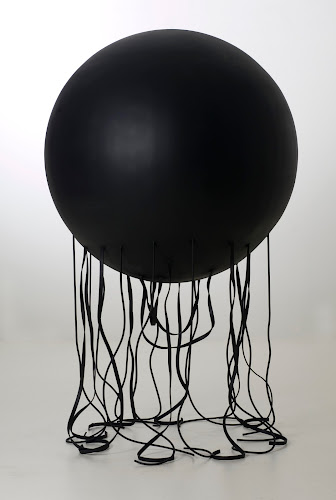
Esbjerg Art Museum
About Esbjerg Art Museum
Description
The Esbjerg Art Museum in Denmark stands out from the more traditional art museums by embracing a playful and innovative approach to modern and contemporary art. Right from the moment you walk in, you’ll sense that the museum wants to challenge and surprise you—me, I’m usually suspicious of anything labeled as “experimental,” but in Esbjerg, the museum really puts its money where its mouth is. Whether you’re a seasoned art lover or you get lost in the difference between abstract and impressionist, you’ll find something here to spark your curiosity.
One of the museum’s most distinctive attributes is its willingness to offer artists near-total freedom to push boundaries. This isn’t one of those dusty rooms with labels nobody reads—here, exhibitions frequently cross paths with other fields, like music or natural sciences, which means you’re not just staring at a painting; you’re invited to feel, smell, and interact. For example, there’s Wittgenstein’s Garden, a scent installation that lets visitors create mental images with their sense of smell. It’s a wild ride if you think about how most museums practically beg you not to touch anything.
The so-called aesthetic laboratory is another spot that lives up to its promise—you literally get to experiment with color, light, and a handful of brain-bending optical tricks. I once spent half an hour playing with light filters like a kid at a science fair. And if you’re traveling as a family or with a pack of teenagers rolling their eyes about another museum stop, Esbjerg Art Museum’s interactive learning posts pull even the most reluctant visitors in.
The open collections give the place an extra punch, offering pull-out walls filled with artworks you can discover at your own pace. The space feels inclusive and open rather than secretive and intimidating. Esbjerg Art Museum isn’t just for the elite crowd that throws around words like “juxtaposition” either—school groups, families with children, and even locals looking for a new weekend adventure can find plenty to do. Accessibility is a priority here, so if you or someone in your group uses a wheelchair or has mobility challenges, you’ll feel welcome.
Unlike some art museums that stick entirely to Danish traditions or international mega-names, Esbjerg mixes local Danish talents with international artists. The result: a dynamic atmosphere where you can discover something rare, surprising, and a little outside-the-box. In my opinion, if your idea of a perfect museum visit involves active engagement and learning rather than quiet contemplation for hours, you’ll have a blast in Esbjerg.
Key Features
- Interactive exhibitions: Artworks often integrate music, science, or sensory elements, making each visit genuinely unique.
- Aesthetic laboratory: Hands-on space where visitors of all ages can experiment with colors, light, and optical illusions—ideal if you like learning by doing.
- Scent installation “Wittgenstein’s Garden”: An exhibit engaging your sense of smell to stir up personal visual associations. Honestly, it’s weird and wonderful—I wish more museums did this kind of thing.
- Open collections with pull-out walls: Explore art at your own pace while discovering hidden gems not always on official display.
- Blend of Danish and international artists: The collection isn’t limited to homegrown talents, so you get a broader sense of what’s shaking in the art world.
- Family- and kid-friendly: Interactive stations and workshops mean children aren’t just tolerated—they’re very much welcomed.
- Accessible for all: Step-free entry, wheelchair-accessible toilets and parking, and clear signage throughout. The museum goes above and beyond when it comes to inclusivity.
- Amenities on site: A solid onsite restaurant (never underestimate the value of a good lunch after pondering modern art), gift shop, and clean restrooms.
- Rotating exhibitions and events: With regularly changing shows and special events, repeat visits offer a fresh experience every time.
- Central city location: Easy to fit into a larger day of exploring the town, the port, or even the wild North Sea coast.
Best Time to Visit
If you like a bit of buzz but not too much crowding, late spring (think May and June) is magic. The city of Esbjerg comes alive after the long Danish winter, and yet the summer tourists haven’t fully descended—plus, the daylight hours seem endless. The museum itself is pretty consistent year-round, thanks to Denmark’s fairly mild climate and the indoor focus of its exhibitions.
Personally, my favorite time is during special exhibition launches or when the museum runs family-heavy programming, which usually lines up with Danish school holidays. These periods are great for people-watching—both the art-loving locals and the curious travelers make for interesting company. On rainy North Sea days (of which there are many), the museum offers a fantastic escape. Some folks might say “any time is a good time,” but I’ll just tell it straight: winter weekdays are a good bet if you want the galleries almost to yourself. Avoid the busiest Saturdays if you’re not fond of crowds.
How to Get There
The Esbjerg Art Museum is smack in the heart of Esbjerg, which is Denmark’s fifth-largest city and a big deal in West Jutland if you ask locals. If you’re arriving by train, it’s an easy stroll from Esbjerg Station. Trains run regularly from bigger cities like Copenhagen and Aarhus, so you don’t need to fuss with long car rentals unless you want to.
For those driving, there’s wheelchair-accessible parking at the museum. Navigating the city center is a breeze, even for non-Danish speakers (Google Maps works like a charm here). If you’re coming from the ferry or the bustling port area along the North Sea, you’re only a short walk away. Not a fan of walking? City buses also stop nearby, and honestly, Danish public transportation is pretty reliable in my personal experience.
Cycling is also a real option—Denmark’s cycle-friendly culture isn’t a myth—so if you want to roll up European-style, go for it. And if you get lost? It happens. Just ask anyone—they’re used to visitors hunting for “that modern art building.”
Tips for Visiting
- Plan at least two hours. I know some folks skim through museums in under an hour, but here, with so many interactive features, you’ll want extra time to play, experiment, and maybe debate some modern art choices.
- Check upcoming exhibitions before arrival. The museum rotates collections and installations frequently—sometimes even with minimal notice—so something you see online today might be swapped out tomorrow. Keeps you on your toes.
- Bring the kids—seriously. Most art museums claim they’re “good for children,” but this place really lives it. The hands-on station and color lab are a blast.
- Accessibility awareness. Everything from the parking lot to restrooms is step-free. But if you have specific needs, it never hurts to call ahead to double-check for the day of your visit.
- Try the scent installation. It’s mind-boggling how a smell can trigger a memory or mood—sometimes more than a painted canvas ever could.
- Eat onsite. The restaurant does better-than-average museum food with fresh local ingredients; order lunch around 1 pm or risk missing the Danish midday rush.
- Photography policy. Most but not all galleries allow photos; be respectful and ask before snapping, especially during special exhibitions. Last time I was there, a guard was quick to gently remind folks about flashes.
- Combine with other Esbjerg attractions. Since you’re in the city center, consider pairing your museum visit with a walk to the famous Men at Sea sculpture on the coast or a stroll through the port—makes for a well-rounded day.
- Beat the crowds. Mornings are usually quieter, especially outside school holiday weeks or major exhibition openings. If you want to linger in the galleries, aim early in the day.
- Curiosity wins. This isn’t the place to be passive. Get hands-on, ask questions, and let your own interests guide you—you’re allowed to have fun here, which isn’t always true for museums, is it?
Key Features
- Key Features
- Best Time to Visit
- How to Get There
- Tips for Visiting
More Details
Updated July 12, 2025
Table of Contents
Description
The Esbjerg Art Museum in Denmark stands out from the more traditional art museums by embracing a playful and innovative approach to modern and contemporary art. Right from the moment you walk in, you’ll sense that the museum wants to challenge and surprise you—me, I’m usually suspicious of anything labeled as “experimental,” but in Esbjerg, the museum really puts its money where its mouth is. Whether you’re a seasoned art lover or you get lost in the difference between abstract and impressionist, you’ll find something here to spark your curiosity.
One of the museum’s most distinctive attributes is its willingness to offer artists near-total freedom to push boundaries. This isn’t one of those dusty rooms with labels nobody reads—here, exhibitions frequently cross paths with other fields, like music or natural sciences, which means you’re not just staring at a painting; you’re invited to feel, smell, and interact. For example, there’s Wittgenstein’s Garden, a scent installation that lets visitors create mental images with their sense of smell. It’s a wild ride if you think about how most museums practically beg you not to touch anything.
The so-called aesthetic laboratory is another spot that lives up to its promise—you literally get to experiment with color, light, and a handful of brain-bending optical tricks. I once spent half an hour playing with light filters like a kid at a science fair. And if you’re traveling as a family or with a pack of teenagers rolling their eyes about another museum stop, Esbjerg Art Museum’s interactive learning posts pull even the most reluctant visitors in.
The open collections give the place an extra punch, offering pull-out walls filled with artworks you can discover at your own pace. The space feels inclusive and open rather than secretive and intimidating. Esbjerg Art Museum isn’t just for the elite crowd that throws around words like “juxtaposition” either—school groups, families with children, and even locals looking for a new weekend adventure can find plenty to do. Accessibility is a priority here, so if you or someone in your group uses a wheelchair or has mobility challenges, you’ll feel welcome.
Unlike some art museums that stick entirely to Danish traditions or international mega-names, Esbjerg mixes local Danish talents with international artists. The result: a dynamic atmosphere where you can discover something rare, surprising, and a little outside-the-box. In my opinion, if your idea of a perfect museum visit involves active engagement and learning rather than quiet contemplation for hours, you’ll have a blast in Esbjerg.
Key Features
- Interactive exhibitions: Artworks often integrate music, science, or sensory elements, making each visit genuinely unique.
- Aesthetic laboratory: Hands-on space where visitors of all ages can experiment with colors, light, and optical illusions—ideal if you like learning by doing.
- Scent installation “Wittgenstein’s Garden”: An exhibit engaging your sense of smell to stir up personal visual associations. Honestly, it’s weird and wonderful—I wish more museums did this kind of thing.
- Open collections with pull-out walls: Explore art at your own pace while discovering hidden gems not always on official display.
- Blend of Danish and international artists: The collection isn’t limited to homegrown talents, so you get a broader sense of what’s shaking in the art world.
- Family- and kid-friendly: Interactive stations and workshops mean children aren’t just tolerated—they’re very much welcomed.
- Accessible for all: Step-free entry, wheelchair-accessible toilets and parking, and clear signage throughout. The museum goes above and beyond when it comes to inclusivity.
- Amenities on site: A solid onsite restaurant (never underestimate the value of a good lunch after pondering modern art), gift shop, and clean restrooms.
- Rotating exhibitions and events: With regularly changing shows and special events, repeat visits offer a fresh experience every time.
- Central city location: Easy to fit into a larger day of exploring the town, the port, or even the wild North Sea coast.
Best Time to Visit
If you like a bit of buzz but not too much crowding, late spring (think May and June) is magic. The city of Esbjerg comes alive after the long Danish winter, and yet the summer tourists haven’t fully descended—plus, the daylight hours seem endless. The museum itself is pretty consistent year-round, thanks to Denmark’s fairly mild climate and the indoor focus of its exhibitions.
Personally, my favorite time is during special exhibition launches or when the museum runs family-heavy programming, which usually lines up with Danish school holidays. These periods are great for people-watching—both the art-loving locals and the curious travelers make for interesting company. On rainy North Sea days (of which there are many), the museum offers a fantastic escape. Some folks might say “any time is a good time,” but I’ll just tell it straight: winter weekdays are a good bet if you want the galleries almost to yourself. Avoid the busiest Saturdays if you’re not fond of crowds.
How to Get There
The Esbjerg Art Museum is smack in the heart of Esbjerg, which is Denmark’s fifth-largest city and a big deal in West Jutland if you ask locals. If you’re arriving by train, it’s an easy stroll from Esbjerg Station. Trains run regularly from bigger cities like Copenhagen and Aarhus, so you don’t need to fuss with long car rentals unless you want to.
For those driving, there’s wheelchair-accessible parking at the museum. Navigating the city center is a breeze, even for non-Danish speakers (Google Maps works like a charm here). If you’re coming from the ferry or the bustling port area along the North Sea, you’re only a short walk away. Not a fan of walking? City buses also stop nearby, and honestly, Danish public transportation is pretty reliable in my personal experience.
Cycling is also a real option—Denmark’s cycle-friendly culture isn’t a myth—so if you want to roll up European-style, go for it. And if you get lost? It happens. Just ask anyone—they’re used to visitors hunting for “that modern art building.”
Tips for Visiting
- Plan at least two hours. I know some folks skim through museums in under an hour, but here, with so many interactive features, you’ll want extra time to play, experiment, and maybe debate some modern art choices.
- Check upcoming exhibitions before arrival. The museum rotates collections and installations frequently—sometimes even with minimal notice—so something you see online today might be swapped out tomorrow. Keeps you on your toes.
- Bring the kids—seriously. Most art museums claim they’re “good for children,” but this place really lives it. The hands-on station and color lab are a blast.
- Accessibility awareness. Everything from the parking lot to restrooms is step-free. But if you have specific needs, it never hurts to call ahead to double-check for the day of your visit.
- Try the scent installation. It’s mind-boggling how a smell can trigger a memory or mood—sometimes more than a painted canvas ever could.
- Eat onsite. The restaurant does better-than-average museum food with fresh local ingredients; order lunch around 1 pm or risk missing the Danish midday rush.
- Photography policy. Most but not all galleries allow photos; be respectful and ask before snapping, especially during special exhibitions. Last time I was there, a guard was quick to gently remind folks about flashes.
- Combine with other Esbjerg attractions. Since you’re in the city center, consider pairing your museum visit with a walk to the famous Men at Sea sculpture on the coast or a stroll through the port—makes for a well-rounded day.
- Beat the crowds. Mornings are usually quieter, especially outside school holiday weeks or major exhibition openings. If you want to linger in the galleries, aim early in the day.
- Curiosity wins. This isn’t the place to be passive. Get hands-on, ask questions, and let your own interests guide you—you’re allowed to have fun here, which isn’t always true for museums, is it?
Key Highlights
- Key Features
- Best Time to Visit
- How to Get There
- Tips for Visiting
Location
Places to Stay Near Esbjerg Art Museum
Find and Book a Tour
Explore More Travel Guides
No reviews found! Be the first to review!
Traveler Reviews for Esbjerg Art Museum
There are no reviews yet. Be the first one to write one.
Have you visited Esbjerg Art Museum? Help other travelers by sharing your review.
You Might Also Like

Esbjerg Museum

Esbjerg Bypark
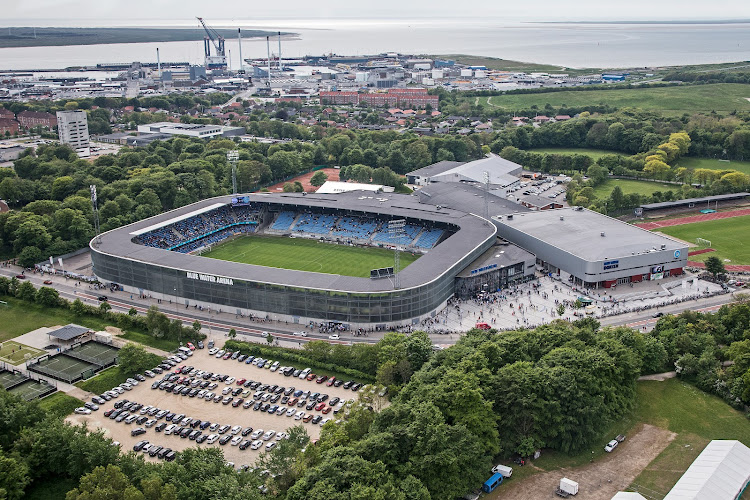
Blue Water Arena
Find Accommodations Nearby
Recommended Tours & Activities
Visitor Reviews
There are no reviews yet. Be the first one to write one.
Share Your Experience
Have you visited Esbjerg Art Museum? Help other travelers by leaving a review.