
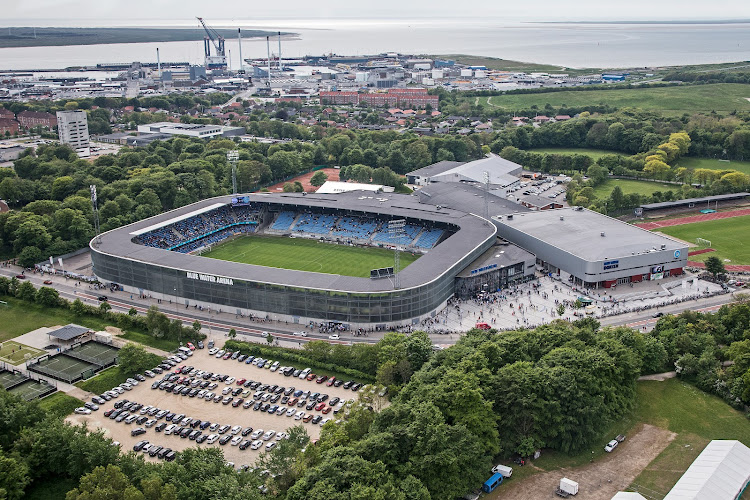
Blue Water Arena
About Blue Water Arena
Description
Blue Water Arena in Esbjerg is a name you hear a lot if you spend any time talking about Danish football or peek into the world of regional sports. This stadium stands as a strong symbol of community pride, diligently hosting the local football club’s home matches, major national events, and this fantastic mix of regional tournaments that you sometimes stumble upon if you’re lucky. Now, what sets the Blue Water Arena apart, in my opinion, is how it’s more than just a place for league matches or international competitions—it’s genuinely woven into the city’s daily life. Whether you’re a diehard supporter, a casual sports fan, or even someone who’s never cheered at a football stadium before, there’s something about the atmosphere here: it’s friendly but full of energy, and, forgive me, you sometimes get caught up in the rush even if you only came for the architecture or fresh air.
The arena itself can be rather impressive when you see it for the first time. It’s not the world’s biggest, but its capacity more than holds its own. You get this real sense that you’re close to the pitch, which in football stadiums is worth its weight in gold. The seating layout allows even the top rows to feel connected to the action, and let’s be honest, there’s nothing worse than being marooned eighty meters from the halfway line without a hope of seeing a quick turn or clever play. I’m not saying you’ll get Premier League glitz or a massive Olympic mega-stadium here, but for what it is—which is a regional hub for sport and community—it does its job, and most days, it does it well.
What surprises a lot of first-timers is how modern many of the facilities are. Over the years, there’s been investment and care poured into the stadium’s infrastructure, so you’ll find ample amenities: clean toilets (which I absolutely don’t take for granted in a stadium!), wheelchair accessible entrances and parking, and solid food kiosk options. There are even areas where you can pay with NFC mobile payments, and trust me, that’s a relief if you’re juggling snacks, scarves, and tickets all at once! For families, it’s actually a pleasant surprise—kids are generally happy, and you see multi-generational groups all enjoying a match together, whether it’s a local league or a bigger event.
Beyond football, Blue Water Arena hosts a handful of other events. There’s a solid list of additional sports and community happenings, and once in a while, you’ll even find a cultural or music event using the pitch or nearby facilities. If you’re after a taste of authentic Esbjerg city life, or just keen to say you’ve seen a Danish game in proper close-up, it’s well worth an afternoon.
Not every single visitor walks away singing its praises, and that’s fair—some wish for fancier meals, some for even better acoustics or bigger screens. But the majority have a good time and leave with a good impression. Blue Water Arena isn’t trying too hard to be flashy; it provides a high-quality football stadium experience with touches of genuine local character and, perhaps most importantly, a sense of belonging. For me, that ticks most of the right boxes.
Key Features
- Central Football Hub: The primary home of Esbjerg’s top football club, frequently buzzing with Superliga and first division action.
- Modern Seating and Capacity: Offers thousands of covered and open seats, thoughtfully structured for excellent views from nearly everywhere. You won’t be craning your neck—thank goodness!
- Accessibility: Fully wheelchair accessible from the entrance to designated parking, plus ramps and lifts. No need to stress if you or your companions have mobility needs.
- Payments and Convenience: Accepts credit cards, debit cards, and NFC mobile payments for tickets and in-stadium purchases—less fumbling for cash.
- Clean Facilities: Restrooms and refreshment areas are kept tidy and functional, which, speaking from experience, can make or break a day at a football stadium.
- Multipurpose Venue: Not just for football—occasional international matches, local cups, youth tournaments, and even some non-sporting community events.
- Family-Friendly: Secure seating zones and welcoming atmosphere. There's generally an area to squeeze in with kids, and the staff is usually accommodating.
- Active Fan Culture: Authentic chants and fan songs on match days, plus fan zones and plenty of team colors. Even if you don’t pick a side, you’ll end up clapping along out of sheer joy.
- Location: Set within Esbjerg Idrætspark, close to local transit routes and green areas, making pre-match strolls easy and enjoyable.
Best Time to Visit
Here’s the thing—the Blue Water Arena is lively and at its absolute best when there’s a game on. If you want the full experience, plan for a match day, especially if the home team is facing a major league rival or there’s a national cup fixture. Saturday and Sunday afternoons from August to late May are prime choices. The Danish football calendar is a bit quirky for outsiders, with a long winter break (good call when you consider how wild the West Jutland weather gets). The spring fixtures carry a special electricity—everyone’s thawing out, the league table gets spicy, and locals ramp up their match-day rituals.
Summer isn’t bad either, with the city in full swing and daylight lasting till way late in the evening. You might luck into a preseason friendly or community event. If you don’t love crowds, look for smaller cup matches or youth tournaments midweek—gives you a very local, down-to-earth taste of the place. I made the mistake once of popping by on a rainy November Tuesday on a non-match day—beautiful architecture, but a bit lonely without the noise and bustle, so, time your visit around a fixture if you want those big-game vibes.
How to Get There
Heading to Blue Water Arena from the city center is honestly a breeze. The stadium’s located just a short skip (well, more like a 20-minute walk, but I love a good pre-game amble) from central Esbjerg. There are bus lines that stop near Blue Water Arena, and during major matches, expect some extra shuttle or local transit options; Esbjerg’s public transport is smart and reliable by Danish standards—never had them let me down. If you’re driving, there’s on-site parking, including wheelchair-accessible spots. During busier games, the car park can fill up fast, however, so it never hurts to arrive a bit early or, as I sometimes do, leave the car at your accommodation and walk or bike over if the weather is playing along.
Taxis are available, rideshare is active (albeit sometimes pricey on match evenings), and Esbjerg is wonderfully bike-friendly. If you’re keen on local flavor or want to catch pre-match action, stroll through Esbjerg Idrætspark and enjoy seeing the local community in warm-up mode.
Tips for Visiting
- Book tickets in advance for bigger games—some derby matches sell out fast and digital tickets make getting in a breeze.
- Dress for the weather. Even on sunny days, the wind off the coast can mess with your hair and chill your bones, especially in early spring or late autumn. Layers are your friend.
- Arrive early for big matches and enjoy a walk around Esbjerg Idrætspark. There’s an infectious community buzz hours before kick-off.
- If you’ve never tried Danish stadium snacks, grab a hot dog and a soda. Not gourmet, but that’s kinda the point for a real football experience. And if you’re there with locals, let them introduce you to their favorites—I once had a type of licorice at halftime and still have no idea what it was, but it got me chatting to fans around me.
- Bring a scarf or buy one at the staduim store. Even if you’re neutral, it’s a great memento and handy when those cold winds whip up.
- Accessibility is solid, but if you need specific accommodations (wheelchair seating, special entrances), notify the staff when purchasing tickets—they’re generally super helpful.
- Photography is encouraged, but, out of politeness, be mindful if you’re snapping during fan rituals or in family zones—some folks are camera-shy!
- Explore beyond the arena post-match. The surrounding area has parks for a stroll, and Esbjerg city center isn’t far if you want to unwind at a café or get a feel for local nightlife.
- If you don’t speak Danish, don’t stress—staff and most fans manage English well, especially on match days. If you’re brave, learn one or two cheers; you’ll make fast friends.
- Check the official site or local maps for travel and event updates. Sometimes there are last-minute changes; it’s Denmark, after all, and things are run efficiently but not always predictably.
Key Features
- Key Features
- Best Time to Visit
- How to Get There
- Tips for Visiting
More Details
Updated July 12, 2025
Table of Contents
Description
Blue Water Arena in Esbjerg is a name you hear a lot if you spend any time talking about Danish football or peek into the world of regional sports. This stadium stands as a strong symbol of community pride, diligently hosting the local football club’s home matches, major national events, and this fantastic mix of regional tournaments that you sometimes stumble upon if you’re lucky. Now, what sets the Blue Water Arena apart, in my opinion, is how it’s more than just a place for league matches or international competitions—it’s genuinely woven into the city’s daily life. Whether you’re a diehard supporter, a casual sports fan, or even someone who’s never cheered at a football stadium before, there’s something about the atmosphere here: it’s friendly but full of energy, and, forgive me, you sometimes get caught up in the rush even if you only came for the architecture or fresh air.
The arena itself can be rather impressive when you see it for the first time. It’s not the world’s biggest, but its capacity more than holds its own. You get this real sense that you’re close to the pitch, which in football stadiums is worth its weight in gold. The seating layout allows even the top rows to feel connected to the action, and let’s be honest, there’s nothing worse than being marooned eighty meters from the halfway line without a hope of seeing a quick turn or clever play. I’m not saying you’ll get Premier League glitz or a massive Olympic mega-stadium here, but for what it is—which is a regional hub for sport and community—it does its job, and most days, it does it well.
What surprises a lot of first-timers is how modern many of the facilities are. Over the years, there’s been investment and care poured into the stadium’s infrastructure, so you’ll find ample amenities: clean toilets (which I absolutely don’t take for granted in a stadium!), wheelchair accessible entrances and parking, and solid food kiosk options. There are even areas where you can pay with NFC mobile payments, and trust me, that’s a relief if you’re juggling snacks, scarves, and tickets all at once! For families, it’s actually a pleasant surprise—kids are generally happy, and you see multi-generational groups all enjoying a match together, whether it’s a local league or a bigger event.
Beyond football, Blue Water Arena hosts a handful of other events. There’s a solid list of additional sports and community happenings, and once in a while, you’ll even find a cultural or music event using the pitch or nearby facilities. If you’re after a taste of authentic Esbjerg city life, or just keen to say you’ve seen a Danish game in proper close-up, it’s well worth an afternoon.
Not every single visitor walks away singing its praises, and that’s fair—some wish for fancier meals, some for even better acoustics or bigger screens. But the majority have a good time and leave with a good impression. Blue Water Arena isn’t trying too hard to be flashy; it provides a high-quality football stadium experience with touches of genuine local character and, perhaps most importantly, a sense of belonging. For me, that ticks most of the right boxes.
Key Features
- Central Football Hub: The primary home of Esbjerg’s top football club, frequently buzzing with Superliga and first division action.
- Modern Seating and Capacity: Offers thousands of covered and open seats, thoughtfully structured for excellent views from nearly everywhere. You won’t be craning your neck—thank goodness!
- Accessibility: Fully wheelchair accessible from the entrance to designated parking, plus ramps and lifts. No need to stress if you or your companions have mobility needs.
- Payments and Convenience: Accepts credit cards, debit cards, and NFC mobile payments for tickets and in-stadium purchases—less fumbling for cash.
- Clean Facilities: Restrooms and refreshment areas are kept tidy and functional, which, speaking from experience, can make or break a day at a football stadium.
- Multipurpose Venue: Not just for football—occasional international matches, local cups, youth tournaments, and even some non-sporting community events.
- Family-Friendly: Secure seating zones and welcoming atmosphere. There’s generally an area to squeeze in with kids, and the staff is usually accommodating.
- Active Fan Culture: Authentic chants and fan songs on match days, plus fan zones and plenty of team colors. Even if you don’t pick a side, you’ll end up clapping along out of sheer joy.
- Location: Set within Esbjerg Idrætspark, close to local transit routes and green areas, making pre-match strolls easy and enjoyable.
Best Time to Visit
Here’s the thing—the Blue Water Arena is lively and at its absolute best when there’s a game on. If you want the full experience, plan for a match day, especially if the home team is facing a major league rival or there’s a national cup fixture. Saturday and Sunday afternoons from August to late May are prime choices. The Danish football calendar is a bit quirky for outsiders, with a long winter break (good call when you consider how wild the West Jutland weather gets). The spring fixtures carry a special electricity—everyone’s thawing out, the league table gets spicy, and locals ramp up their match-day rituals.
Summer isn’t bad either, with the city in full swing and daylight lasting till way late in the evening. You might luck into a preseason friendly or community event. If you don’t love crowds, look for smaller cup matches or youth tournaments midweek—gives you a very local, down-to-earth taste of the place. I made the mistake once of popping by on a rainy November Tuesday on a non-match day—beautiful architecture, but a bit lonely without the noise and bustle, so, time your visit around a fixture if you want those big-game vibes.
How to Get There
Heading to Blue Water Arena from the city center is honestly a breeze. The stadium’s located just a short skip (well, more like a 20-minute walk, but I love a good pre-game amble) from central Esbjerg. There are bus lines that stop near Blue Water Arena, and during major matches, expect some extra shuttle or local transit options; Esbjerg’s public transport is smart and reliable by Danish standards—never had them let me down. If you’re driving, there’s on-site parking, including wheelchair-accessible spots. During busier games, the car park can fill up fast, however, so it never hurts to arrive a bit early or, as I sometimes do, leave the car at your accommodation and walk or bike over if the weather is playing along.
Taxis are available, rideshare is active (albeit sometimes pricey on match evenings), and Esbjerg is wonderfully bike-friendly. If you’re keen on local flavor or want to catch pre-match action, stroll through Esbjerg Idrætspark and enjoy seeing the local community in warm-up mode.
Tips for Visiting
- Book tickets in advance for bigger games—some derby matches sell out fast and digital tickets make getting in a breeze.
- Dress for the weather. Even on sunny days, the wind off the coast can mess with your hair and chill your bones, especially in early spring or late autumn. Layers are your friend.
- Arrive early for big matches and enjoy a walk around Esbjerg Idrætspark. There’s an infectious community buzz hours before kick-off.
- If you’ve never tried Danish stadium snacks, grab a hot dog and a soda. Not gourmet, but that’s kinda the point for a real football experience. And if you’re there with locals, let them introduce you to their favorites—I once had a type of licorice at halftime and still have no idea what it was, but it got me chatting to fans around me.
- Bring a scarf or buy one at the staduim store. Even if you’re neutral, it’s a great memento and handy when those cold winds whip up.
- Accessibility is solid, but if you need specific accommodations (wheelchair seating, special entrances), notify the staff when purchasing tickets—they’re generally super helpful.
- Photography is encouraged, but, out of politeness, be mindful if you’re snapping during fan rituals or in family zones—some folks are camera-shy!
- Explore beyond the arena post-match. The surrounding area has parks for a stroll, and Esbjerg city center isn’t far if you want to unwind at a café or get a feel for local nightlife.
- If you don’t speak Danish, don’t stress—staff and most fans manage English well, especially on match days. If you’re brave, learn one or two cheers; you’ll make fast friends.
- Check the official site or local maps for travel and event updates. Sometimes there are last-minute changes; it’s Denmark, after all, and things are run efficiently but not always predictably.
Key Highlights
- Key Features
- Best Time to Visit
- How to Get There
- Tips for Visiting
Location
Places to Stay Near Blue Water Arena
Find and Book a Tour
Explore More Travel Guides
No reviews found! Be the first to review!
Traveler Reviews for Blue Water Arena
There are no reviews yet. Be the first one to write one.
Have you visited Blue Water Arena? Help other travelers by sharing your review.
You Might Also Like

Esbjerg Bypark

Landgangen

Skulptur “Frihedskæmpere”
Find Accommodations Nearby
Recommended Tours & Activities
Visitor Reviews
There are no reviews yet. Be the first one to write one.
Share Your Experience
Have you visited Blue Water Arena? Help other travelers by leaving a review.