

Esbjerg Museum
About Esbjerg Museum
Description
Let’s be real for a sec: some European museums sort of blur together. Lots of dusty glass cases, long text panels, and you walk out thinking, “Well, I learned...something.” Esbjerg Museum isn’t like that. I think one of the big reasons it's an absolute stand-out for travelers is because it taps right into the story of the place—Denmark’s west coast—with just the right mix of old-school feel and hands-on activities. The building itself feels solid and inviting, like you’re entering an old friend’s home—one that happens to keep Viking relics and a few surprises in its drawers.
Open since 1941, the Esbjerg Museum does history in a way that feels approachable. You can wander through rooms that take you back to the early days of Esbjerg’s wild industrial boom (I still get a kick thinking about the reconstructed old pharmacy shop and how much stranger medicine used to be). And there's the underground bunker special exhibit—yeah, actual World War II vibe. I remember being genuinely caught off guard by how atmospheric it was; it made me pause for more than a few minutes.
Bring kids or grownups who act like kids (hey, no judgment here). There’s a kind of “try it yourself” philosophy at play—dressing up, code breaking, even a coin-stamping thing that genuinely makes my inner nerd grin. I don’t even have kids and I ended up elbowing a few out of the way to have my turn. If you like souvenirs that aren’t tacky plastic junk, check out the little shop on your way out; a few retro tins and Viking-y trinkets tempted me more than I care to admit.
Key Features
- Regional history, up close. You’ll discover exhibits about Esbjerg’s explosive growth from sleepy fishing village to major port city—lots of local color, personal stories, and photos.
- World War II underground bunker exhibit. I’m telling you, it’s not your standard history lesson. This genuine air raid shelter is atmospheric and a little chilling, especially when you imagine families huddled down during air raids.
- Kid-friendly activities. From period costumes to hands-on codebreaking and puzzles, this place knows how to keep younger visitors happy. Maybe don’t be surprised if adults start getting competitive too!
- Coin stamping & retro pharmacy. Sounds quirky, and it is. Test your curiosity and maybe walk away with a self-stamped coin or a story about 19th-century potions.
- Souvenir shop with local charm. Not the usual keychains-in-bulk—look for Viking-themed keepsakes and retro Danish design goodies.
- Accessibility for everyone. Wheelchair accessible entrances, restrooms, and parking make this museum unusually easy to navigate for all.
- Spotless, reliable restrooms. Sometimes that matters way more than you’d expect—especially if you’re wrangling kids or just drank too much coffee downtown.
Best Time to Visit
Let’s talk timing, because when you visit can seriously shape your experience. Honestly, late mornings on weekdays are my absolute favorite. The local school groups have either already come and gone, or their busy chatter actually adds a bit of character if you’re into people-watching. Summer is tempting because, hey, Danish weather finally smiles at you and Esbjerg’s city vibe gets more lively. But that also means more crowds.
If you’re not tethered to a typical work schedule, swing by during spring or fall. The city is gorgeous when there’s that crisp sea wind and the museum is pleasantly quiet—no waiting to try the hands-on activities, and more time to chat with staff (some of whom are absolute fonts of knowledge).
Weekends? They can get lively. If you enjoy the hum of families, bright-eyed kids, and tourists puzzling over Danish artifacts, it’s a nice, friendly energy. If you want to ponder the exhibits in relative peace, plan for a weekday visit.
How to Get There
Getting lost in Esbjerg isn’t exactly easy, and the museum is smack dab in the center, tucked beautifully into the city's rhythm. If you’re strolling from the main square, you’re almost there. I personally love to walk—it’s just a short amble from most city hotels, and you get to peek into cozy cafés and bakeries. And if you grab a cinnamon roll on the way, well, who could blame you?
Traveling by train or bus? The main Esbjerg station is less than a 10-minute walk, and most local buses stop somewhere nearby. Public transport in Denmark can be confusing the first time, but honestly, it’s super reliable once you’ve got the hang of it. I’ve done the “guess and go” routine plenty of times; so has every other tourist, so don’t sweat it if you’re a little turned around.
For drivers, there’s accessible parking available, which is a relief since city parking sometimes feels like an Olympic sport. Cyclists—Denmark loves you. Bike parking is easy, and the flat terrain makes cycling a breeze.
Tips for Visiting
Let’s start with the most practical tip: show up with a little curiosity and a readiness to try stuff out. This isn’t the Louvre; nobody’s going to give you the evil eye for laughing or talking. The exhibits that let you touch, play, or dress up are actually more fun with a friend or two. Go big or go home, right?
A few more handy hints:
- Give yourself time. You can see the highlights in about an hour, but I find two hours gives you space to poke around, read the quirkier stories, and still have time for the bunker. Trust me, you won’t want to rush it.
- Ask the staff questions. They’re approachable—at least, every time I’ve visited, someone’s been keen to share backstory or point out odd facts you’ll miss otherwise. Don’t be shy.
- Think ahead for lunch. No on-site restaurant, so maybe plan a stop at a nearby bakery or café after. There are plenty just a short walk away—I've made a whole day out of museum + pastry + people-watching.
- Photography is allowed (in most exhibits). But be polite. Turns out, a surprising number of people want their Viking helmet Instagram moment, so give them space.
- Wheelchair users and families with strollers: The museum is thoughtfully set up, so moving around is refreshingly stress-free. Accessible restrooms are actually accessible.
- Read up on Esbjerg’s backstory before your visit. It’ll make all the displays click into place, and you’ll catch clever little details—like how the town’s explosive growth shaped its whole identity.
And here’s my last and maybe most important tip: let yourself wander and linger. Don’t race through just to tick it off your list. Sometimes, you end up engrossed in the weirdest little displays (old soap advertisements, anyone?) and those are the stories you carry back home. Something about seeing old coins and imagining a fisherman’s daily life 120 years ago really stays with you, long after you've left the museum walls behind.
Key Features
- Key Features
- Best Time to Visit
- How to Get There
- Tips for Visiting
More Details
Updated June 25, 2025
Table of Contents
Description
Let’s be real for a sec: some European museums sort of blur together. Lots of dusty glass cases, long text panels, and you walk out thinking, “Well, I learned…something.” Esbjerg Museum isn’t like that. I think one of the big reasons it’s an absolute stand-out for travelers is because it taps right into the story of the place—Denmark’s west coast—with just the right mix of old-school feel and hands-on activities. The building itself feels solid and inviting, like you’re entering an old friend’s home—one that happens to keep Viking relics and a few surprises in its drawers.
Open since 1941, the Esbjerg Museum does history in a way that feels approachable. You can wander through rooms that take you back to the early days of Esbjerg’s wild industrial boom (I still get a kick thinking about the reconstructed old pharmacy shop and how much stranger medicine used to be). And there’s the underground bunker special exhibit—yeah, actual World War II vibe. I remember being genuinely caught off guard by how atmospheric it was; it made me pause for more than a few minutes.
Bring kids or grownups who act like kids (hey, no judgment here). There’s a kind of “try it yourself” philosophy at play—dressing up, code breaking, even a coin-stamping thing that genuinely makes my inner nerd grin. I don’t even have kids and I ended up elbowing a few out of the way to have my turn. If you like souvenirs that aren’t tacky plastic junk, check out the little shop on your way out; a few retro tins and Viking-y trinkets tempted me more than I care to admit.
Key Features
- Regional history, up close. You’ll discover exhibits about Esbjerg’s explosive growth from sleepy fishing village to major port city—lots of local color, personal stories, and photos.
- World War II underground bunker exhibit. I’m telling you, it’s not your standard history lesson. This genuine air raid shelter is atmospheric and a little chilling, especially when you imagine families huddled down during air raids.
- Kid-friendly activities. From period costumes to hands-on codebreaking and puzzles, this place knows how to keep younger visitors happy. Maybe don’t be surprised if adults start getting competitive too!
- Coin stamping & retro pharmacy. Sounds quirky, and it is. Test your curiosity and maybe walk away with a self-stamped coin or a story about 19th-century potions.
- Souvenir shop with local charm. Not the usual keychains-in-bulk—look for Viking-themed keepsakes and retro Danish design goodies.
- Accessibility for everyone. Wheelchair accessible entrances, restrooms, and parking make this museum unusually easy to navigate for all.
- Spotless, reliable restrooms. Sometimes that matters way more than you’d expect—especially if you’re wrangling kids or just drank too much coffee downtown.
Best Time to Visit
Let’s talk timing, because when you visit can seriously shape your experience. Honestly, late mornings on weekdays are my absolute favorite. The local school groups have either already come and gone, or their busy chatter actually adds a bit of character if you’re into people-watching. Summer is tempting because, hey, Danish weather finally smiles at you and Esbjerg’s city vibe gets more lively. But that also means more crowds.
If you’re not tethered to a typical work schedule, swing by during spring or fall. The city is gorgeous when there’s that crisp sea wind and the museum is pleasantly quiet—no waiting to try the hands-on activities, and more time to chat with staff (some of whom are absolute fonts of knowledge).
Weekends? They can get lively. If you enjoy the hum of families, bright-eyed kids, and tourists puzzling over Danish artifacts, it’s a nice, friendly energy. If you want to ponder the exhibits in relative peace, plan for a weekday visit.
How to Get There
Getting lost in Esbjerg isn’t exactly easy, and the museum is smack dab in the center, tucked beautifully into the city’s rhythm. If you’re strolling from the main square, you’re almost there. I personally love to walk—it’s just a short amble from most city hotels, and you get to peek into cozy cafés and bakeries. And if you grab a cinnamon roll on the way, well, who could blame you?
Traveling by train or bus? The main Esbjerg station is less than a 10-minute walk, and most local buses stop somewhere nearby. Public transport in Denmark can be confusing the first time, but honestly, it’s super reliable once you’ve got the hang of it. I’ve done the “guess and go” routine plenty of times; so has every other tourist, so don’t sweat it if you’re a little turned around.
For drivers, there’s accessible parking available, which is a relief since city parking sometimes feels like an Olympic sport. Cyclists—Denmark loves you. Bike parking is easy, and the flat terrain makes cycling a breeze.
Tips for Visiting
Let’s start with the most practical tip: show up with a little curiosity and a readiness to try stuff out. This isn’t the Louvre; nobody’s going to give you the evil eye for laughing or talking. The exhibits that let you touch, play, or dress up are actually more fun with a friend or two. Go big or go home, right?
A few more handy hints:
- Give yourself time. You can see the highlights in about an hour, but I find two hours gives you space to poke around, read the quirkier stories, and still have time for the bunker. Trust me, you won’t want to rush it.
- Ask the staff questions. They’re approachable—at least, every time I’ve visited, someone’s been keen to share backstory or point out odd facts you’ll miss otherwise. Don’t be shy.
- Think ahead for lunch. No on-site restaurant, so maybe plan a stop at a nearby bakery or café after. There are plenty just a short walk away—I’ve made a whole day out of museum + pastry + people-watching.
- Photography is allowed (in most exhibits). But be polite. Turns out, a surprising number of people want their Viking helmet Instagram moment, so give them space.
- Wheelchair users and families with strollers: The museum is thoughtfully set up, so moving around is refreshingly stress-free. Accessible restrooms are actually accessible.
- Read up on Esbjerg’s backstory before your visit. It’ll make all the displays click into place, and you’ll catch clever little details—like how the town’s explosive growth shaped its whole identity.
And here’s my last and maybe most important tip: let yourself wander and linger. Don’t race through just to tick it off your list. Sometimes, you end up engrossed in the weirdest little displays (old soap advertisements, anyone?) and those are the stories you carry back home. Something about seeing old coins and imagining a fisherman’s daily life 120 years ago really stays with you, long after you’ve left the museum walls behind.
Key Highlights
- Key Features
- Best Time to Visit
- How to Get There
- Tips for Visiting
Location
Places to Stay Near Esbjerg Museum
Find and Book a Tour
Explore More Travel Guides
No reviews found! Be the first to review!
Traveler Reviews for Esbjerg Museum
There are no reviews yet. Be the first one to write one.
Have you visited Esbjerg Museum? Help other travelers by sharing your review.
You Might Also Like

Fishermen memorial

Sanatorieskoven
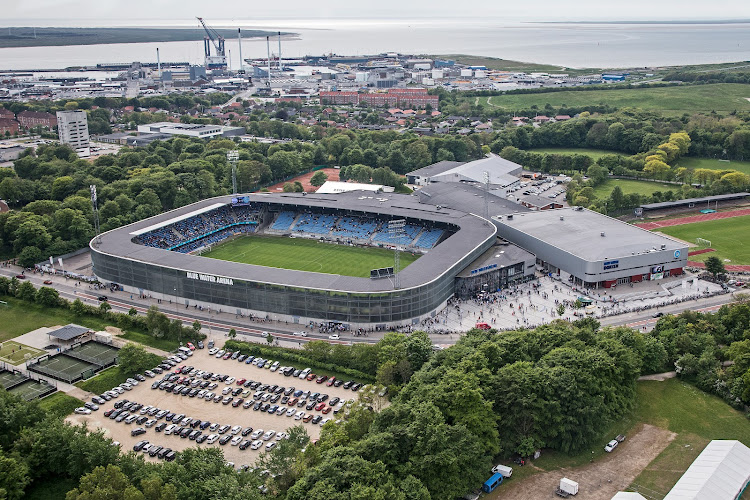
Blue Water Arena
Find Accommodations Nearby
Recommended Tours & Activities
Visitor Reviews
There are no reviews yet. Be the first one to write one.
Share Your Experience
Have you visited Esbjerg Museum? Help other travelers by leaving a review.