
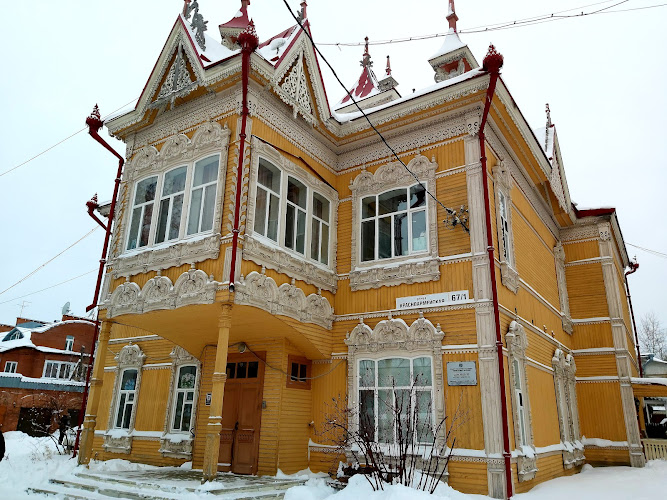
Dom S Zhar-Ptitsami
About Dom S Zhar-Ptitsami
Description
Dom S Zhar-Ptitsami stands as one of those remarkable places that doesn't scream for your attention but quietly commands it once you're there. I've come across many historical landmarks in my travels, and what strikes me most about this particular attraction is how it manages to feel both authentic and accessible at the same time. The name itself translates to "House with Firebirds," which already gives you a hint of the architectural beauty and folklore you're about to encounter. This historical landmark represents a significant piece of cultural heritage that most guidebooks barely scratch the surface on. And honestly, that's part of its charm. You won't find massive tour buses parked outside or vendors hawking souvenirs at every corner. What you will find is a genuinely preserved piece of history that tells stories through its architecture, design elements, and the atmosphere that permeates every room and corridor. The building showcases traditional craftsmanship that's increasingly rare in our modern world. When I think about places like this, I'm reminded of my grandmother's old house where every corner had a story and every detail was intentional. That's the feeling you get here. The decorative elements featuring firebird motifs aren't just pretty additions; they're deeply rooted in local mythology and cultural symbolism that spans generations. What makes Dom S Zhar-Ptitsami particularly special is its ability to transport visitors back in time without feeling like a sterile museum. The interior spaces maintain their original character while still being functional for visitors to explore. You'll notice the attention to detail in the woodwork, the ceiling designs, and the way natural light filters through the windows at different times of day.Key Features
The distinctive characteristics of Dom S Zhar-Ptitsami make it worth adding to your travel itinerary, especially if you're someone who appreciates authentic historical experiences rather than manufactured tourist attractions. Here's what sets this place apart:- Architectural elements featuring intricate firebird motifs that represent local folklore and mythology, with each bird design telling its own story through carved wood and painted details
- Original interior furnishings and decorative items that provide genuine insight into historical daily life, giving you a real sense of how people actually lived rather than a sanitized version of history
- Traditional building techniques on display throughout the structure, showcasing craftsmanship methods that are becoming lost arts in contemporary construction
- Photography opportunities that capture both the grand architectural features and intimate detailed work, perfect for those Instagram shots that actually mean something
- Smaller crowds compared to major tourist attractions, allowing for a more personal and contemplative visit without feeling rushed or crowded
- Educational value for families with children who are curious about history and architecture, though parents should note accessibility considerations
- Authentic preservation efforts that prioritize historical accuracy over modern convenience, which means you're seeing something real and uncompromised
- Cultural significance that extends beyond just the building itself, connecting to broader traditions and stories from the region
Best Time to Visit
Timing your visit to Dom S Zhar-Ptitsami can really make or break your experience. Based on practical considerations and what I've learned about visiting historical landmarks, the shoulder seasons tend to offer the best balance of good weather and manageable visitor numbers. Spring months from April through early June present an ideal window. The weather's usually pleasant without being oppressively hot, and you'll avoid the peak summer crowds. There's something about visiting historical buildings in spring that just feels right – maybe it's the renewal energy in the air or the way the light hits differently. Early autumn, particularly September and October, offers another excellent opportunity. The temperatures are comfortable for walking around and exploring, and there's often a certain nostalgic quality to the atmosphere that complements the historical nature of the site. I've always found that fall visits to old buildings carry this extra layer of contemplation. If you're planning a summer visit between July and August, try to arrive early in the morning or later in the afternoon. Midday heat can make exploring less comfortable, and these are typically when you'll encounter the most visitors. But honestly, even during peak season, Dom S Zhar-Ptitsami doesn't get overwhelmingly crowded compared to major tourist hotspots. Winter visits have their own appeal if you don't mind cooler temperatures. The building takes on a different character in the colder months, and you'll likely have more space to yourself for contemplation and photography. Just dress appropriately and check ahead for any seasonal schedule changes. Weekdays generally offer a quieter experience than weekends, particularly if you can visit during regular school hours when family groups are less likely to be touring. Tuesday through Thursday tends to be your best bet for a peaceful visit.How to Get There
Getting to Dom S Zhar-Ptitsami requires a bit of planning, but it's not as complicated as some off-the-beaten-path attractions can be. The journey itself becomes part of the experience, really. Public transportation serves as a viable option for reaching the area, though you'll want to research current routes and schedules before your visit. Local buses typically run regularly during daylight hours, and asking locals for directions can actually lead to some interesting conversations and recommendations. Don't be shy about this – I've found that asking for directions often leads to the best travel tips. If you're driving, parking situations can vary depending on the time of year and day of week. The immediate area around the landmark has limited parking spaces, so arriving earlier in the day increases your chances of finding a convenient spot. GPS coordinates work well for navigation, though I'd recommend also having a physical map or written directions as backup because technology has a funny way of failing at the most inconvenient moments. Taxis and ride-sharing services can drop you off near the entrance, which makes for a hassle-free arrival if you're not comfortable navigating public transit in an unfamiliar area. This option costs more but saves time and reduces travel stress. Walking from nearby accommodations is certainly possible if you've chosen lodging in the general vicinity. The surrounding neighborhood often has its own charm worth exploring, and arriving on foot gives you a better sense of the area's character and how the landmark fits into the broader community context.Tips for Visiting
Let me share some practical advice that'll help you make the most of your visit to Dom S Zhar-Ptitsami, based on real-world considerations that guidebooks sometimes gloss over. First and most importantly, understand that wheelchair accessibility is not available at this location. The building's historical nature means it retains original architectural features including stairs and narrow passages that don't accommodate modern accessibility standards. If you or someone in your group has mobility concerns, you'll need to plan accordingly or consider alternative attractions. Comfortable walking shoes are absolutely essential. I can't stress this enough. The floors may be uneven in places, and you'll be on your feet exploring different rooms and levels. Save the cute but impractical footwear for dinner afterwards. Photography is generally welcomed, which is great because you'll want to capture the incredible details. However, be mindful of flash usage as it can damage delicate historical materials and disturb other visitors. Natural light photography works beautifully in this setting anyway and produces better results. Bring cash for any admission fees or donation requests. Many historical landmarks operate on tight budgets and rely partly on visitor contributions for maintenance and preservation work. Even small amounts help ensure these places survive for future generations. Plan to spend at least an hour exploring thoroughly, though two hours allows for a more leisurely pace where you can really absorb the atmosphere and details. Rushing through defeats the purpose of visiting a place like this. The location works well for families with kids, but come prepared to keep younger children engaged. Bringing a few questions or a simple scavenger hunt you've created can turn the visit into an educational adventure rather than a boring obligation. My niece once complained about visiting "old buildings" until we made a game of finding specific architectural details. Consider visiting during less obvious times like late morning on a Tuesday rather than Saturday afternoon. You'll have more space to explore and can take photos without strangers in every shot. Check for any local events or special exhibitions that might coincide with your visit. Sometimes historical landmarks host cultural performances or temporary displays that add extra value to your experience. Respect the historical nature of what you're visiting. This might sound obvious, but it means not touching delicate surfaces, staying within designated visitor areas, and keeping voices at reasonable volumes. These preservation efforts ensure Dom S Zhar-Ptitsami remains available for future travelers to discover and appreciate just as you have.Key Features
- Architectural elements featuring intricate firebird motifs that represent local folklore and mythology, with each bird design telling its own story through carved wood and painted details
- Traditional building techniques on display throughout the structure, showcasing craftsmanship methods that are becoming lost arts in contemporary construction
- Photography opportunities that capture both the grand architectural features and intimate detailed work, perfect for those Instagram shots that actually mean something
- Smaller crowds compared to major tourist attractions, allowing for a more personal and contemplative visit without feeling rushed or crowded
- Educational value for families with children who are curious about history and architecture, though parents should note accessibility considerations
- Authentic preservation efforts that prioritize historical accuracy over modern convenience, which means you're seeing something real and uncompromised
- Cultural significance that extends beyond just the building itself, connecting to broader traditions and stories from the region
More Details
Updated March 30, 2026
Table of Contents
Description
Dom S Zhar-Ptitsami stands as one of those remarkable places that doesn’t scream for your attention but quietly commands it once you’re there. I’ve come across many historical landmarks in my travels, and what strikes me most about this particular attraction is how it manages to feel both authentic and accessible at the same time. The name itself translates to “House with Firebirds,” which already gives you a hint of the architectural beauty and folklore you’re about to encounter.
This historical landmark represents a significant piece of cultural heritage that most guidebooks barely scratch the surface on. And honestly, that’s part of its charm. You won’t find massive tour buses parked outside or vendors hawking souvenirs at every corner. What you will find is a genuinely preserved piece of history that tells stories through its architecture, design elements, and the atmosphere that permeates every room and corridor.
The building showcases traditional craftsmanship that’s increasingly rare in our modern world. When I think about places like this, I’m reminded of my grandmother’s old house where every corner had a story and every detail was intentional. That’s the feeling you get here. The decorative elements featuring firebird motifs aren’t just pretty additions; they’re deeply rooted in local mythology and cultural symbolism that spans generations.
What makes Dom S Zhar-Ptitsami particularly special is its ability to transport visitors back in time without feeling like a sterile museum. The interior spaces maintain their original character while still being functional for visitors to explore. You’ll notice the attention to detail in the woodwork, the ceiling designs, and the way natural light filters through the windows at different times of day.
Key Features
The distinctive characteristics of Dom S Zhar-Ptitsami make it worth adding to your travel itinerary, especially if you’re someone who appreciates authentic historical experiences rather than manufactured tourist attractions. Here’s what sets this place apart:
- Architectural elements featuring intricate firebird motifs that represent local folklore and mythology, with each bird design telling its own story through carved wood and painted details
- Original interior furnishings and decorative items that provide genuine insight into historical daily life, giving you a real sense of how people actually lived rather than a sanitized version of history
- Traditional building techniques on display throughout the structure, showcasing craftsmanship methods that are becoming lost arts in contemporary construction
- Photography opportunities that capture both the grand architectural features and intimate detailed work, perfect for those Instagram shots that actually mean something
- Smaller crowds compared to major tourist attractions, allowing for a more personal and contemplative visit without feeling rushed or crowded
- Educational value for families with children who are curious about history and architecture, though parents should note accessibility considerations
- Authentic preservation efforts that prioritize historical accuracy over modern convenience, which means you’re seeing something real and uncompromised
- Cultural significance that extends beyond just the building itself, connecting to broader traditions and stories from the region
Best Time to Visit
Timing your visit to Dom S Zhar-Ptitsami can really make or break your experience. Based on practical considerations and what I’ve learned about visiting historical landmarks, the shoulder seasons tend to offer the best balance of good weather and manageable visitor numbers.
Spring months from April through early June present an ideal window. The weather’s usually pleasant without being oppressively hot, and you’ll avoid the peak summer crowds. There’s something about visiting historical buildings in spring that just feels right – maybe it’s the renewal energy in the air or the way the light hits differently.
Early autumn, particularly September and October, offers another excellent opportunity. The temperatures are comfortable for walking around and exploring, and there’s often a certain nostalgic quality to the atmosphere that complements the historical nature of the site. I’ve always found that fall visits to old buildings carry this extra layer of contemplation.
If you’re planning a summer visit between July and August, try to arrive early in the morning or later in the afternoon. Midday heat can make exploring less comfortable, and these are typically when you’ll encounter the most visitors. But honestly, even during peak season, Dom S Zhar-Ptitsami doesn’t get overwhelmingly crowded compared to major tourist hotspots.
Winter visits have their own appeal if you don’t mind cooler temperatures. The building takes on a different character in the colder months, and you’ll likely have more space to yourself for contemplation and photography. Just dress appropriately and check ahead for any seasonal schedule changes.
Weekdays generally offer a quieter experience than weekends, particularly if you can visit during regular school hours when family groups are less likely to be touring. Tuesday through Thursday tends to be your best bet for a peaceful visit.
How to Get There
Getting to Dom S Zhar-Ptitsami requires a bit of planning, but it’s not as complicated as some off-the-beaten-path attractions can be. The journey itself becomes part of the experience, really.
Public transportation serves as a viable option for reaching the area, though you’ll want to research current routes and schedules before your visit. Local buses typically run regularly during daylight hours, and asking locals for directions can actually lead to some interesting conversations and recommendations. Don’t be shy about this – I’ve found that asking for directions often leads to the best travel tips.
If you’re driving, parking situations can vary depending on the time of year and day of week. The immediate area around the landmark has limited parking spaces, so arriving earlier in the day increases your chances of finding a convenient spot. GPS coordinates work well for navigation, though I’d recommend also having a physical map or written directions as backup because technology has a funny way of failing at the most inconvenient moments.
Taxis and ride-sharing services can drop you off near the entrance, which makes for a hassle-free arrival if you’re not comfortable navigating public transit in an unfamiliar area. This option costs more but saves time and reduces travel stress.
Walking from nearby accommodations is certainly possible if you’ve chosen lodging in the general vicinity. The surrounding neighborhood often has its own charm worth exploring, and arriving on foot gives you a better sense of the area’s character and how the landmark fits into the broader community context.
Tips for Visiting
Let me share some practical advice that’ll help you make the most of your visit to Dom S Zhar-Ptitsami, based on real-world considerations that guidebooks sometimes gloss over.
First and most importantly, understand that wheelchair accessibility is not available at this location. The building’s historical nature means it retains original architectural features including stairs and narrow passages that don’t accommodate modern accessibility standards. If you or someone in your group has mobility concerns, you’ll need to plan accordingly or consider alternative attractions.
Comfortable walking shoes are absolutely essential. I can’t stress this enough. The floors may be uneven in places, and you’ll be on your feet exploring different rooms and levels. Save the cute but impractical footwear for dinner afterwards.
Photography is generally welcomed, which is great because you’ll want to capture the incredible details. However, be mindful of flash usage as it can damage delicate historical materials and disturb other visitors. Natural light photography works beautifully in this setting anyway and produces better results.
Bring cash for any admission fees or donation requests. Many historical landmarks operate on tight budgets and rely partly on visitor contributions for maintenance and preservation work. Even small amounts help ensure these places survive for future generations.
Plan to spend at least an hour exploring thoroughly, though two hours allows for a more leisurely pace where you can really absorb the atmosphere and details. Rushing through defeats the purpose of visiting a place like this.
The location works well for families with kids, but come prepared to keep younger children engaged. Bringing a few questions or a simple scavenger hunt you’ve created can turn the visit into an educational adventure rather than a boring obligation. My niece once complained about visiting “old buildings” until we made a game of finding specific architectural details.
Consider visiting during less obvious times like late morning on a Tuesday rather than Saturday afternoon. You’ll have more space to explore and can take photos without strangers in every shot.
Check for any local events or special exhibitions that might coincide with your visit. Sometimes historical landmarks host cultural performances or temporary displays that add extra value to your experience.
Respect the historical nature of what you’re visiting. This might sound obvious, but it means not touching delicate surfaces, staying within designated visitor areas, and keeping voices at reasonable volumes. These preservation efforts ensure Dom S Zhar-Ptitsami remains available for future travelers to discover and appreciate just as you have.
Key Highlights
- Architectural elements featuring intricate firebird motifs that represent local folklore and mythology, with each bird design telling its own story through carved wood and painted details
- Traditional building techniques on display throughout the structure, showcasing craftsmanship methods that are becoming lost arts in contemporary construction
- Photography opportunities that capture both the grand architectural features and intimate detailed work, perfect for those Instagram shots that actually mean something
- Smaller crowds compared to major tourist attractions, allowing for a more personal and contemplative visit without feeling rushed or crowded
- Educational value for families with children who are curious about history and architecture, though parents should note accessibility considerations
- Authentic preservation efforts that prioritize historical accuracy over modern convenience, which means you're seeing something real and uncompromised
- Cultural significance that extends beyond just the building itself, connecting to broader traditions and stories from the region
Location
Places to Stay Near Dom S Zhar-Ptitsami
Find and Book a Tour
Explore More Travel Guides
No reviews found! Be the first to review!
Dom S Zhar-Ptitsami is a prominent attractions located in Tomsk.
Visit us at: Krasnoarmeyskaya Ulitsa, 67/1, Tomsk, Tomsk Oblast, Russia, 634041.
Traveler Reviews for Dom S Zhar-Ptitsami
There are no reviews yet. Be the first one to write one.
Have you visited Dom S Zhar-Ptitsami? Help other travelers by sharing your review.
You Might Also Like
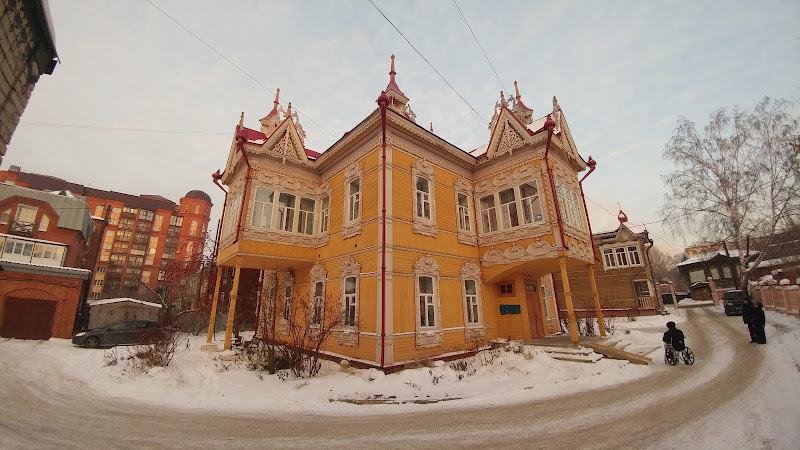
Skver Derevyannogo Zodchestva

Hotel Universitetskaya
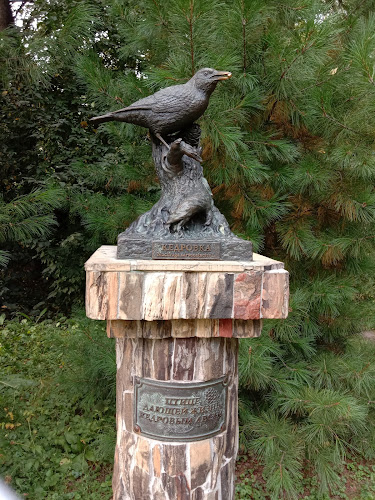
Igumen Park
Find Accommodations Nearby
Recommended Tours & Activities
Visitor Reviews
There are no reviews yet. Be the first one to write one.
Share Your Experience
Have you visited Dom S Zhar-Ptitsami? Help other travelers by leaving a review.