
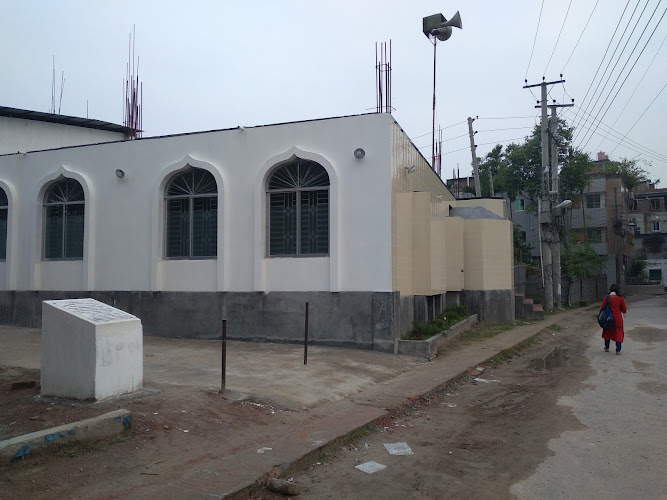
Dhap Sagor Para Masjid
About Dhap Sagor Para Masjid
Description
Dhap Sagor Para Masjid is one of those places that quietly captures your attention before you even realize it. Tucked away near the calm waters of Dhap Sagor in Rangpur, this mosque isn’t just a spot for prayer—it’s a piece of living history, a reflection of the local community’s devotion and architectural taste. The first time one approaches it, there’s a sense of peace that seems to hang in the air, like time slows down a bit. The mosque stands gracefully, with its clean lines, soft white tones, and a touch of traditional artistry that feels both humble and grand at the same time. It’s not overly ornate or flashy, but that’s exactly what gives it its charm. Travelers often find themselves drawn here not just for religious reasons but for the quiet beauty and the sense of belonging it radiates.
What’s particularly nice is how accessible it is. The mosque has a wheelchair-accessible entrance, which says a lot about the thoughtfulness of its design and the community’s effort to make sure everyone feels welcome. It’s one of those small but meaningful details that make a big difference. And even if you’re not there to pray, you can’t help but appreciate the serenity that surrounds the place. The breeze that drifts over from the nearby water, the call to prayer echoing softly through the neighborhood—it all feels very grounded, very real. You might even find a few locals sitting quietly under the shade after prayers, chatting about everyday life, offering you a smile if you pass by. It’s the kind of place that invites you to slow down and just be present.
Architecturally, the Dhap Sagor Para Masjid blends traditional Islamic motifs with modern simplicity. The domes, though not excessively large, are perfectly proportioned, and the minaret rises confidently without overwhelming the skyline. Inside, the prayer hall is open and airy, with natural light filtering through the windows in a way that makes the space feel warm and welcoming. There’s a sense of meticulous care in how it’s maintained—clean floors, well-kept ablution areas, and an overall atmosphere of respect. You can tell that this mosque isn’t just a building; it’s a living part of the community’s rhythm.
While most visitors leave with a sense of calm, it’s fair to say that not everyone’s experience will be identical. Some might find it a bit quiet or less tourist-oriented compared to the larger mosques in Dhaka or Chittagong. But that’s part of its appeal—it’s authentic, not commercialized. If you’re looking for a place to observe local life, to experience the spiritual side of Rangpur, or simply to rest your mind for a while, Dhap Sagor Para Masjid offers that space beautifully. It’s one of those places that stays with you long after you’ve left, not because of grandeur, but because of its sincerity.
Key Features
- Architectural Harmony: A balanced blend of traditional Islamic architecture and modern minimalism, offering a visually soothing experience.
- Peaceful Atmosphere: The surrounding area is calm, making it ideal for reflection, photography, or simply soaking in the tranquility.
- Accessibility: Wheelchair-accessible entrance ensures inclusivity for all visitors.
- Community Engagement: The mosque serves as a hub for local gatherings, educational sessions, and charitable activities.
- Clean and Well-Maintained: The upkeep of the mosque reflects the community’s respect and devotion.
- Proximity to Dhap Sagor: Its location near the scenic waterbody adds to the overall charm, especially during early mornings or sunset hours.
One thing worth noting is how the mosque’s simplicity works in its favor. Sometimes travelers expect grandeur, but here, it’s the details—the sound of footsteps on polished floors, the scent of the air after evening prayers—that make it memorable. I’ve personally found that smaller mosques like this often offer a more intimate glimpse into local life than the big, tourist-heavy ones. You can actually talk to people, share a smile, or even join in a conversation about life in Rangpur. That kind of connection is priceless.
Best Time to Visit
If you’re planning to visit Dhap Sagor Para Masjid, timing can make a real difference. The best time, in my opinion, is during the cooler months between November and February. The weather in Rangpur during this period is pleasant—neither too hot nor too humid—and it’s comfortable enough to explore nearby attractions without feeling drained. Early mornings are particularly magical. The air is crisp, the first call to prayer echoes across the still water, and the mosque glows softly under the rising sun. It’s one of those moments that etches itself into your memory.
Evenings are another wonderful time to visit. As the sun sets, the sky takes on shades of gold and rose, and the reflection of the mosque in the nearby water looks almost surreal. Fridays tend to be busier, as that’s the main congregational prayer day, but it’s also when you’ll get the most authentic experience of community life. If you enjoy observing cultural nuances, that’s your day to go. Just remember to dress modestly and be respectful during prayer times.
Monsoon season (June to September) can be a bit tricky. The area around Dhap Sagor tends to get muddy after heavy rains, and while the mosque itself remains accessible, moving around might be less comfortable. Still, if you don’t mind a bit of adventure and love the smell of rain-soaked earth, it’s not a bad time either. Just bring an umbrella and good shoes—you’ll thank yourself later.
How to Get There
Reaching Dhap Sagor Para Masjid is fairly straightforward once you’re in Rangpur. The city is well-connected by road from Dhaka, Bogura, and other major towns in northern Bangladesh. If you’re traveling from Dhaka, you can hop on an intercity bus or take a train to Rangpur. The journey takes around 6–8 hours depending on traffic and the route you choose. Personally, I find the train ride more relaxing—you get to watch the countryside roll by, fields stretching endlessly, and small towns flashing past like scenes from an old movie.
Once you’re in Rangpur city, local transport options are easy to find. Rickshaws and auto-rickshaws are the most common, and they’re quite affordable. You can simply tell the driver you’re heading toward Dhap Sagor Para Masjid, and they’ll take you there without much fuss. For those who prefer more comfort, rideshare services are becoming increasingly available in Rangpur, offering a smoother ride with air conditioning. If you’re driving yourself, parking near the mosque is generally manageable, though Fridays can get crowded, so plan accordingly.
For travelers coming from nearby towns or villages, it’s also a nice spot to include in a day trip itinerary. You can pair your visit with a walk around Dhap Sagor itself or stop by local tea stalls to enjoy a cup of steaming cha while chatting with friendly locals. That’s often where the best travel stories come from—those unplanned moments between destinations.
Tips for Visiting
Visiting Dhap Sagor Para Masjid is a rewarding experience, but a few practical tips can make it even better. First and foremost, remember that this is an active place of worship, so modest clothing is essential. Men should wear long pants, and women should cover their heads and shoulders. Shoes must be removed before entering the prayer hall—there’s usually a designated area for them outside.
Try to avoid visiting during prayer times if you’re not participating, as it’s respectful to give space to worshippers. However, if you do happen to be there during prayer, standing quietly at the back to observe can be quite moving—it’s a moment of unity and reflection that transcends language or background.
Photography is generally acceptable in the outer areas, but it’s always polite to ask permission before taking close-up shots, especially of people. Locals are usually friendly and curious about visitors, so a smile and a few words of greeting go a long way. If you’re lucky, someone might even invite you for tea afterward. That’s how I ended up spending an entire afternoon once, talking about cricket and life in Bangladesh with a group of locals—it turned out to be one of the highlights of my trip.
Bring a bottle of water, especially if you’re visiting during warmer months. The area around the mosque is open, so it can get sunny during midday. And if you’re into journaling or sketching, this is a perfect spot to sit quietly and capture your thoughts. There’s something about the stillness of the place that sparks introspection.
Lastly, take your time. Don’t rush through. Dhap Sagor Para Masjid isn’t a landmark you check off a list—it’s a space to experience, to feel. Whether you’re drawn by faith, architecture, or simple curiosity, you’ll likely leave with a deeper appreciation for the quiet beauty that defines Rangpur’s spiritual heart. And who knows, maybe you’ll find yourself thinking about it long after you’re back home—that’s the kind of impression this mosque tends to leave behind.
Key Features
- Key Features
- Best Time to Visit
- How to Get There
- Tips for Visiting
More Details
Updated November 9, 2025
Table of Contents
Description
Dhap Sagor Para Masjid is one of those places that quietly captures your attention before you even realize it. Tucked away near the calm waters of Dhap Sagor in Rangpur, this mosque isn’t just a spot for prayer—it’s a piece of living history, a reflection of the local community’s devotion and architectural taste. The first time one approaches it, there’s a sense of peace that seems to hang in the air, like time slows down a bit. The mosque stands gracefully, with its clean lines, soft white tones, and a touch of traditional artistry that feels both humble and grand at the same time. It’s not overly ornate or flashy, but that’s exactly what gives it its charm. Travelers often find themselves drawn here not just for religious reasons but for the quiet beauty and the sense of belonging it radiates.
What’s particularly nice is how accessible it is. The mosque has a wheelchair-accessible entrance, which says a lot about the thoughtfulness of its design and the community’s effort to make sure everyone feels welcome. It’s one of those small but meaningful details that make a big difference. And even if you’re not there to pray, you can’t help but appreciate the serenity that surrounds the place. The breeze that drifts over from the nearby water, the call to prayer echoing softly through the neighborhood—it all feels very grounded, very real. You might even find a few locals sitting quietly under the shade after prayers, chatting about everyday life, offering you a smile if you pass by. It’s the kind of place that invites you to slow down and just be present.
Architecturally, the Dhap Sagor Para Masjid blends traditional Islamic motifs with modern simplicity. The domes, though not excessively large, are perfectly proportioned, and the minaret rises confidently without overwhelming the skyline. Inside, the prayer hall is open and airy, with natural light filtering through the windows in a way that makes the space feel warm and welcoming. There’s a sense of meticulous care in how it’s maintained—clean floors, well-kept ablution areas, and an overall atmosphere of respect. You can tell that this mosque isn’t just a building; it’s a living part of the community’s rhythm.
While most visitors leave with a sense of calm, it’s fair to say that not everyone’s experience will be identical. Some might find it a bit quiet or less tourist-oriented compared to the larger mosques in Dhaka or Chittagong. But that’s part of its appeal—it’s authentic, not commercialized. If you’re looking for a place to observe local life, to experience the spiritual side of Rangpur, or simply to rest your mind for a while, Dhap Sagor Para Masjid offers that space beautifully. It’s one of those places that stays with you long after you’ve left, not because of grandeur, but because of its sincerity.
Key Features
- Architectural Harmony: A balanced blend of traditional Islamic architecture and modern minimalism, offering a visually soothing experience.
- Peaceful Atmosphere: The surrounding area is calm, making it ideal for reflection, photography, or simply soaking in the tranquility.
- Accessibility: Wheelchair-accessible entrance ensures inclusivity for all visitors.
- Community Engagement: The mosque serves as a hub for local gatherings, educational sessions, and charitable activities.
- Clean and Well-Maintained: The upkeep of the mosque reflects the community’s respect and devotion.
- Proximity to Dhap Sagor: Its location near the scenic waterbody adds to the overall charm, especially during early mornings or sunset hours.
One thing worth noting is how the mosque’s simplicity works in its favor. Sometimes travelers expect grandeur, but here, it’s the details—the sound of footsteps on polished floors, the scent of the air after evening prayers—that make it memorable. I’ve personally found that smaller mosques like this often offer a more intimate glimpse into local life than the big, tourist-heavy ones. You can actually talk to people, share a smile, or even join in a conversation about life in Rangpur. That kind of connection is priceless.
Best Time to Visit
If you’re planning to visit Dhap Sagor Para Masjid, timing can make a real difference. The best time, in my opinion, is during the cooler months between November and February. The weather in Rangpur during this period is pleasant—neither too hot nor too humid—and it’s comfortable enough to explore nearby attractions without feeling drained. Early mornings are particularly magical. The air is crisp, the first call to prayer echoes across the still water, and the mosque glows softly under the rising sun. It’s one of those moments that etches itself into your memory.
Evenings are another wonderful time to visit. As the sun sets, the sky takes on shades of gold and rose, and the reflection of the mosque in the nearby water looks almost surreal. Fridays tend to be busier, as that’s the main congregational prayer day, but it’s also when you’ll get the most authentic experience of community life. If you enjoy observing cultural nuances, that’s your day to go. Just remember to dress modestly and be respectful during prayer times.
Monsoon season (June to September) can be a bit tricky. The area around Dhap Sagor tends to get muddy after heavy rains, and while the mosque itself remains accessible, moving around might be less comfortable. Still, if you don’t mind a bit of adventure and love the smell of rain-soaked earth, it’s not a bad time either. Just bring an umbrella and good shoes—you’ll thank yourself later.
How to Get There
Reaching Dhap Sagor Para Masjid is fairly straightforward once you’re in Rangpur. The city is well-connected by road from Dhaka, Bogura, and other major towns in northern Bangladesh. If you’re traveling from Dhaka, you can hop on an intercity bus or take a train to Rangpur. The journey takes around 6–8 hours depending on traffic and the route you choose. Personally, I find the train ride more relaxing—you get to watch the countryside roll by, fields stretching endlessly, and small towns flashing past like scenes from an old movie.
Once you’re in Rangpur city, local transport options are easy to find. Rickshaws and auto-rickshaws are the most common, and they’re quite affordable. You can simply tell the driver you’re heading toward Dhap Sagor Para Masjid, and they’ll take you there without much fuss. For those who prefer more comfort, rideshare services are becoming increasingly available in Rangpur, offering a smoother ride with air conditioning. If you’re driving yourself, parking near the mosque is generally manageable, though Fridays can get crowded, so plan accordingly.
For travelers coming from nearby towns or villages, it’s also a nice spot to include in a day trip itinerary. You can pair your visit with a walk around Dhap Sagor itself or stop by local tea stalls to enjoy a cup of steaming cha while chatting with friendly locals. That’s often where the best travel stories come from—those unplanned moments between destinations.
Tips for Visiting
Visiting Dhap Sagor Para Masjid is a rewarding experience, but a few practical tips can make it even better. First and foremost, remember that this is an active place of worship, so modest clothing is essential. Men should wear long pants, and women should cover their heads and shoulders. Shoes must be removed before entering the prayer hall—there’s usually a designated area for them outside.
Try to avoid visiting during prayer times if you’re not participating, as it’s respectful to give space to worshippers. However, if you do happen to be there during prayer, standing quietly at the back to observe can be quite moving—it’s a moment of unity and reflection that transcends language or background.
Photography is generally acceptable in the outer areas, but it’s always polite to ask permission before taking close-up shots, especially of people. Locals are usually friendly and curious about visitors, so a smile and a few words of greeting go a long way. If you’re lucky, someone might even invite you for tea afterward. That’s how I ended up spending an entire afternoon once, talking about cricket and life in Bangladesh with a group of locals—it turned out to be one of the highlights of my trip.
Bring a bottle of water, especially if you’re visiting during warmer months. The area around the mosque is open, so it can get sunny during midday. And if you’re into journaling or sketching, this is a perfect spot to sit quietly and capture your thoughts. There’s something about the stillness of the place that sparks introspection.
Lastly, take your time. Don’t rush through. Dhap Sagor Para Masjid isn’t a landmark you check off a list—it’s a space to experience, to feel. Whether you’re drawn by faith, architecture, or simple curiosity, you’ll likely leave with a deeper appreciation for the quiet beauty that defines Rangpur’s spiritual heart. And who knows, maybe you’ll find yourself thinking about it long after you’re back home—that’s the kind of impression this mosque tends to leave behind.
Key Highlights
- Key Features
- Best Time to Visit
- How to Get There
- Tips for Visiting
Location
Places to Stay Near Dhap Sagor Para Masjid
Find and Book a Tour
Explore More Travel Guides
No reviews found! Be the first to review!
Traveler Reviews for Dhap Sagor Para Masjid
There are no reviews yet. Be the first one to write one.
Have you visited Dhap Sagor Para Masjid? Help other travelers by sharing your review.
You Might Also Like
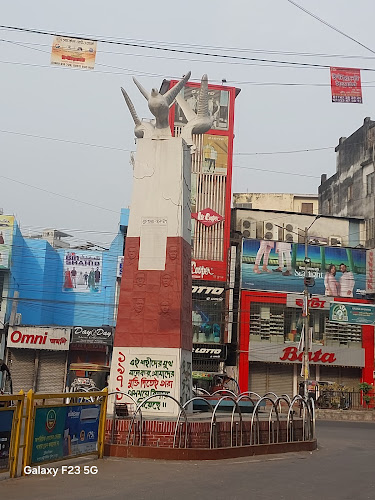
Payra Chattar
Fire Station Rd
Chairman er Mor
Find Accommodations Nearby
Recommended Tours & Activities
Visitor Reviews
There are no reviews yet. Be the first one to write one.
Share Your Experience
Have you visited Dhap Sagor Para Masjid? Help other travelers by leaving a review.