
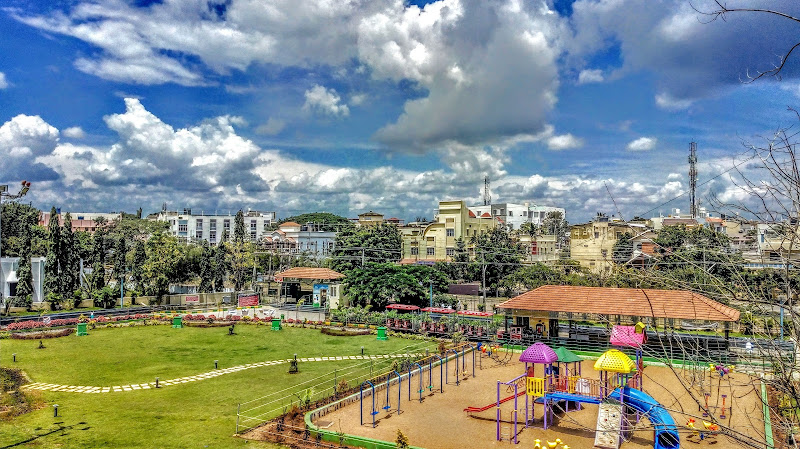
Davanagere
About Davanagere
Description
Davanagere sits right in the heart of Karnataka, and honestly, it's one of those cities that doesn't get half the attention it deserves from travelers passing through South India. As the seventh largest city in the state, it serves as the administrative headquarters of its district, but what really makes this place tick is its authentic local character that hasn't been polished smooth by mass tourism yet. I remember the first time someone told me about Davanagere - they said it was the cotton city of Karnataka, and I thought, well, that sounds pretty industrial and not exactly tourist-friendly. But boy was I wrong about that initial impression. The city has carved out this unique identity that blends its industrial backbone with traditional Karnataka culture, and the result is something genuinely interesting for travelers who want to experience real India beyond the usual tourist circuit. The landscape here is different from what you might expect if you're coming from the coastal regions or the hill stations. It's got this dry, open feel to it - kind of refreshing actually - with the Tungabhadra River flowing nearby and agriculture defining much of the surrounding countryside. Cotton production put Davanagere on the map economically, sure, but what keeps people coming back is the food culture, particularly the famous benne dosa that was born right here. What strikes most visitors is how the city manages to feel both bustling and manageable at the same time. It's not overwhelmingly huge like Bangalore, but it's got enough going on that you won't run out of things to do. The streets have this lived-in quality where you see actual daily life happening around you, not staged performances for tourists. And honestly, that's becoming harder to find these days.Key Features
- Benne Dosa Capital: This city literally invented the butter dosa, and you haven't really tasted the dish until you've had it here with obscene amounts of fresh butter melting into every crispy fold
- Cotton Trading Hub: The textile industry dominates the economy, and watching the cotton markets operate gives you a real sense of Karnataka's agricultural heritage
- Strategic Central Location: Positioned right in the middle of Karnataka, Davanagere works brilliantly as a base for exploring other parts of the state
- Temple Architecture: Ancient temples dot the city and surrounding areas, showcasing traditional Hoysala and Chalukyan architectural styles that history buffs will appreciate
- Educational Center: The presence of several universities and colleges gives the city a youthful energy that balances out its industrial character
- Local Markets: The bazaars here are the real deal - spices, textiles, handicrafts - all at prices that haven't been inflated for tourist wallets
- Authentic Cultural Experience: You'll hear Kannada spoken everywhere, see traditional dress commonly worn, and experience festivals celebrated with genuine community spirit rather than commercial exploitation
- Durgambika Temple: The spiritual heart of the city, attracting devotees year-round and serving as a gathering point during major festivals
- Kunduvada Kere: A peaceful lake within the city limits that provides a green escape and popular morning walking spot for locals
- Gateway to Historical Sites: Easy access to places like Chitradurga Fort and other historical landmarks in the region
Best Time to Visit
Okay, let's talk weather because timing matters a lot here. Davanagere gets hot - I mean really hot - during summer months from March through May. We're talking temperatures that can hit 40°C and make sightseeing feel like an endurance challenge. Unless you're specifically trying to test your heat tolerance, I'd suggest avoiding these months. The monsoon season runs from June to September, and it transforms the landscape considerably. The rains aren't as intense as coastal Karnataka, but they bring relief from the heat and make the surrounding countryside look beautiful. But here's the thing - if you're planning day trips to nearby historical sites, the rain can complicate travel plans. Roads get muddy, and outdoor exploration becomes less enjoyable. Winter months from October through February are absolutely your best bet for visiting Davanagere. The temperatures drop to a comfortable range between 15°C and 30°C, making it pleasant to wander around the city and explore without constantly seeking shade or air conditioning. I'd especially recommend November and January when the weather stays consistently nice. And if you can time your visit with one of the major festivals - like Diwali or the local Karaga festival - you'll see the city at its most animated. The streets come alive with decorations, the temples buzz with activity, and the food stalls multiply exponentially. Just book your accommodation in advance during these periods because rooms fill up quickly. December and January also work well because you can combine your Davanagere visit with trips to other Karnataka destinations without dealing with extreme weather anywhere in the state. The entire region becomes more accessible and enjoyable during these months.How to Get There
Getting to Davanagere is actually easier than you might think, considering it's not a major tourist destination. The city's central location in Karnataka means it's well-connected by multiple transport modes. By air, your closest option is Hubli Airport, roughly 140 kilometers away - though honestly, most travelers find it easier to fly into Bangalore's Kempegowda International Airport, which is about 260 kilometers from Davanagere. Yeah, it's further, but you get way more flight options and better connections. From Bangalore, you can either take a bus or train, and the journey gives you a nice cross-section of Karnataka's interior landscape. The railway station in Davanagere sits on the main line connecting Bangalore with Mumbai, so train connectivity is actually pretty solid. Several express trains stop here daily, and I've always found the train journey from Bangalore to be quite pleasant - takes around 5 to 6 hours depending on which service you catch. The Hampi Express is popular with travelers, and booking a sleeper or AC class ticket makes for a comfortable ride. Bus services are probably the most flexible option though. Karnataka State Road Transport Corporation (KSRTC) runs frequent services from Bangalore, Mysore, Mangalore, and other major cities. The roads are generally well-maintained, and Volvo AC buses make the journey comfortable enough. Private bus operators also run services, particularly on the Bangalore route, with both day and overnight options available. If you're driving yourself, the roads are decent, and having your own vehicle gives you freedom to explore the surrounding areas at your own pace. The drive from Bangalore takes about 5 hours via NH48, and the route is straightforward enough. Once you're in the city, auto-rickshaws are everywhere and remain the primary mode of local transport. Just make sure to negotiate the fare before starting your journey, or insist on using the meter if they have one. App-based cabs operate here too, but coverage isn't as comprehensive as in bigger cities.Tips for Visiting
First things first - come hungry. I'm serious about this. Davanagere's food scene, particularly its breakfast culture, is the main event here. Don't fill up on hotel breakfast when you could be eating benne dosa at a local establishment. Ask locals for their favorite spots because the best places aren't always the ones with fancy signs or tourist reviews. Some of my best meals in India have come from restaurants that looked questionable from the outside but served incredible food. Learn a few basic Kannada phrases if you can. English is spoken in hotels and tourist areas, but out in the markets and local eateries, knowing how to say basic greetings and thank yous goes a long way. People genuinely appreciate the effort, and you'll get better interactions because of it. The dress code here leans conservative, especially if you're visiting temples. Keep shoulders and knees covered, and remove shoes before entering religious sites. This applies to both men and women, though women might want to carry a scarf or shawl for additional coverage when needed. Don't expect international cuisine options everywhere. This is a city that celebrates its own food culture, and while you'll find some restaurants serving Chinese or North Indian dishes, you're here for the local stuff anyway. Embrace the regional cuisine - try the pudi (spice powder) variations, the avalakki (beaten rice dishes), and definitely sample the local sweets. Bargaining is expected in markets, but do it respectfully. The goal isn't to squeeze every last rupee out of vendors but to reach a fair price. Start at about 60% of the asking price and negotiate from there. And honestly, even after bargaining, you're probably paying very reasonable prices compared to tourist hotspots. ATMs are readily available, but smaller shops and restaurants might not accept cards. Keep cash handy, particularly in smaller denominations. Breaking a 500 or 2000 rupee note at a small tea stall can be awkward for everyone involved. The pace of life here is slower than metros, which is actually refreshing once you adjust to it. Services might take a bit longer, shops might close for afternoon breaks, and things generally operate on a more relaxed schedule. Fighting this rhythm will only frustrate you - better to adapt and enjoy the slower pace. If you're exploring nearby attractions, start early in the morning. The sun gets intense by midday, and you'll enjoy sightseeing much more in the cooler morning hours. Plus, you'll avoid crowds at popular spots. Photography is generally welcomed, but always ask permission before photographing people, especially women and children. Temple photography rules vary - some allow it, others don't - so check before pulling out your camera. Stay hydrated constantly, especially if you're visiting outside winter months. The climate here can be dry, and you might not realize how much water you're losing until you start feeling the effects. Bottled water is readily available, or invest in a good water purifier bottle if you're environmentally conscious. Finally, use Davanagere as your jumping off point for exploring the region. Chitradurga Fort, the historic town of Harihar, and various other attractions lie within easy day-trip distance. The city makes for an excellent base that's more affordable and authentic than staying in larger tourist centers.Key Features
- Famous Davanagere benne dosa and local eateries
- Textile and cotton trade heritage with active mills
- Central location with strong rail and road connections
- Access to nearby Hoysala temples and rocky hill walks
- Vibrant local markets and authentic regional culture
More Details
Updated March 30, 2026
Table of Contents
Description
Davanagere sits right in the heart of Karnataka, and honestly, it’s one of those cities that doesn’t get half the attention it deserves from travelers passing through South India. As the seventh largest city in the state, it serves as the administrative headquarters of its district, but what really makes this place tick is its authentic local character that hasn’t been polished smooth by mass tourism yet.
I remember the first time someone told me about Davanagere – they said it was the cotton city of Karnataka, and I thought, well, that sounds pretty industrial and not exactly tourist-friendly. But boy was I wrong about that initial impression. The city has carved out this unique identity that blends its industrial backbone with traditional Karnataka culture, and the result is something genuinely interesting for travelers who want to experience real India beyond the usual tourist circuit.
The landscape here is different from what you might expect if you’re coming from the coastal regions or the hill stations. It’s got this dry, open feel to it – kind of refreshing actually – with the Tungabhadra River flowing nearby and agriculture defining much of the surrounding countryside. Cotton production put Davanagere on the map economically, sure, but what keeps people coming back is the food culture, particularly the famous benne dosa that was born right here.
What strikes most visitors is how the city manages to feel both bustling and manageable at the same time. It’s not overwhelmingly huge like Bangalore, but it’s got enough going on that you won’t run out of things to do. The streets have this lived-in quality where you see actual daily life happening around you, not staged performances for tourists. And honestly, that’s becoming harder to find these days.
Key Features
- Benne Dosa Capital: This city literally invented the butter dosa, and you haven’t really tasted the dish until you’ve had it here with obscene amounts of fresh butter melting into every crispy fold
- Cotton Trading Hub: The textile industry dominates the economy, and watching the cotton markets operate gives you a real sense of Karnataka’s agricultural heritage
- Strategic Central Location: Positioned right in the middle of Karnataka, Davanagere works brilliantly as a base for exploring other parts of the state
- Temple Architecture: Ancient temples dot the city and surrounding areas, showcasing traditional Hoysala and Chalukyan architectural styles that history buffs will appreciate
- Educational Center: The presence of several universities and colleges gives the city a youthful energy that balances out its industrial character
- Local Markets: The bazaars here are the real deal – spices, textiles, handicrafts – all at prices that haven’t been inflated for tourist wallets
- Authentic Cultural Experience: You’ll hear Kannada spoken everywhere, see traditional dress commonly worn, and experience festivals celebrated with genuine community spirit rather than commercial exploitation
- Durgambika Temple: The spiritual heart of the city, attracting devotees year-round and serving as a gathering point during major festivals
- Kunduvada Kere: A peaceful lake within the city limits that provides a green escape and popular morning walking spot for locals
- Gateway to Historical Sites: Easy access to places like Chitradurga Fort and other historical landmarks in the region
Best Time to Visit
Okay, let’s talk weather because timing matters a lot here. Davanagere gets hot – I mean really hot – during summer months from March through May. We’re talking temperatures that can hit 40°C and make sightseeing feel like an endurance challenge. Unless you’re specifically trying to test your heat tolerance, I’d suggest avoiding these months.
The monsoon season runs from June to September, and it transforms the landscape considerably. The rains aren’t as intense as coastal Karnataka, but they bring relief from the heat and make the surrounding countryside look beautiful. But here’s the thing – if you’re planning day trips to nearby historical sites, the rain can complicate travel plans. Roads get muddy, and outdoor exploration becomes less enjoyable.
Winter months from October through February are absolutely your best bet for visiting Davanagere. The temperatures drop to a comfortable range between 15°C and 30°C, making it pleasant to wander around the city and explore without constantly seeking shade or air conditioning. I’d especially recommend November and January when the weather stays consistently nice.
And if you can time your visit with one of the major festivals – like Diwali or the local Karaga festival – you’ll see the city at its most animated. The streets come alive with decorations, the temples buzz with activity, and the food stalls multiply exponentially. Just book your accommodation in advance during these periods because rooms fill up quickly.
December and January also work well because you can combine your Davanagere visit with trips to other Karnataka destinations without dealing with extreme weather anywhere in the state. The entire region becomes more accessible and enjoyable during these months.
How to Get There
Getting to Davanagere is actually easier than you might think, considering it’s not a major tourist destination. The city’s central location in Karnataka means it’s well-connected by multiple transport modes.
By air, your closest option is Hubli Airport, roughly 140 kilometers away – though honestly, most travelers find it easier to fly into Bangalore’s Kempegowda International Airport, which is about 260 kilometers from Davanagere. Yeah, it’s further, but you get way more flight options and better connections. From Bangalore, you can either take a bus or train, and the journey gives you a nice cross-section of Karnataka’s interior landscape.
The railway station in Davanagere sits on the main line connecting Bangalore with Mumbai, so train connectivity is actually pretty solid. Several express trains stop here daily, and I’ve always found the train journey from Bangalore to be quite pleasant – takes around 5 to 6 hours depending on which service you catch. The Hampi Express is popular with travelers, and booking a sleeper or AC class ticket makes for a comfortable ride.
Bus services are probably the most flexible option though. Karnataka State Road Transport Corporation (KSRTC) runs frequent services from Bangalore, Mysore, Mangalore, and other major cities. The roads are generally well-maintained, and Volvo AC buses make the journey comfortable enough. Private bus operators also run services, particularly on the Bangalore route, with both day and overnight options available.
If you’re driving yourself, the roads are decent, and having your own vehicle gives you freedom to explore the surrounding areas at your own pace. The drive from Bangalore takes about 5 hours via NH48, and the route is straightforward enough.
Once you’re in the city, auto-rickshaws are everywhere and remain the primary mode of local transport. Just make sure to negotiate the fare before starting your journey, or insist on using the meter if they have one. App-based cabs operate here too, but coverage isn’t as comprehensive as in bigger cities.
Tips for Visiting
First things first – come hungry. I’m serious about this. Davanagere’s food scene, particularly its breakfast culture, is the main event here. Don’t fill up on hotel breakfast when you could be eating benne dosa at a local establishment. Ask locals for their favorite spots because the best places aren’t always the ones with fancy signs or tourist reviews. Some of my best meals in India have come from restaurants that looked questionable from the outside but served incredible food.
Learn a few basic Kannada phrases if you can. English is spoken in hotels and tourist areas, but out in the markets and local eateries, knowing how to say basic greetings and thank yous goes a long way. People genuinely appreciate the effort, and you’ll get better interactions because of it.
The dress code here leans conservative, especially if you’re visiting temples. Keep shoulders and knees covered, and remove shoes before entering religious sites. This applies to both men and women, though women might want to carry a scarf or shawl for additional coverage when needed.
Don’t expect international cuisine options everywhere. This is a city that celebrates its own food culture, and while you’ll find some restaurants serving Chinese or North Indian dishes, you’re here for the local stuff anyway. Embrace the regional cuisine – try the pudi (spice powder) variations, the avalakki (beaten rice dishes), and definitely sample the local sweets.
Bargaining is expected in markets, but do it respectfully. The goal isn’t to squeeze every last rupee out of vendors but to reach a fair price. Start at about 60% of the asking price and negotiate from there. And honestly, even after bargaining, you’re probably paying very reasonable prices compared to tourist hotspots.
ATMs are readily available, but smaller shops and restaurants might not accept cards. Keep cash handy, particularly in smaller denominations. Breaking a 500 or 2000 rupee note at a small tea stall can be awkward for everyone involved.
The pace of life here is slower than metros, which is actually refreshing once you adjust to it. Services might take a bit longer, shops might close for afternoon breaks, and things generally operate on a more relaxed schedule. Fighting this rhythm will only frustrate you – better to adapt and enjoy the slower pace.
If you’re exploring nearby attractions, start early in the morning. The sun gets intense by midday, and you’ll enjoy sightseeing much more in the cooler morning hours. Plus, you’ll avoid crowds at popular spots.
Photography is generally welcomed, but always ask permission before photographing people, especially women and children. Temple photography rules vary – some allow it, others don’t – so check before pulling out your camera.
Stay hydrated constantly, especially if you’re visiting outside winter months. The climate here can be dry, and you might not realize how much water you’re losing until you start feeling the effects. Bottled water is readily available, or invest in a good water purifier bottle if you’re environmentally conscious.
Finally, use Davanagere as your jumping off point for exploring the region. Chitradurga Fort, the historic town of Harihar, and various other attractions lie within easy day-trip distance. The city makes for an excellent base that’s more affordable and authentic than staying in larger tourist centers.
Key Highlights
- Famous Davanagere benne dosa and local eateries
- Textile and cotton trade heritage with active mills
- Central location with strong rail and road connections
- Access to nearby Hoysala temples and rocky hill walks
- Vibrant local markets and authentic regional culture
Location
Places to Stay Near Davanagere
Find and Book a Tour
Explore More Travel Guides
No reviews found! Be the first to review!
Davanagere is a prominent Attractions located in Davanagere.
Traveler Reviews for Davanagere
There are no reviews yet. Be the first one to write one.
Have you visited Davanagere? Help other travelers by sharing your review.
Nearby Attractions
You Might Also Like
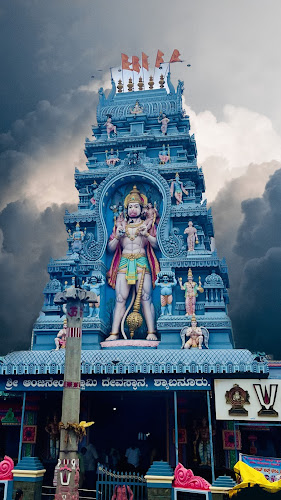
Shri Anjaneya Swamy Temple || Shamanur || Daavanagere
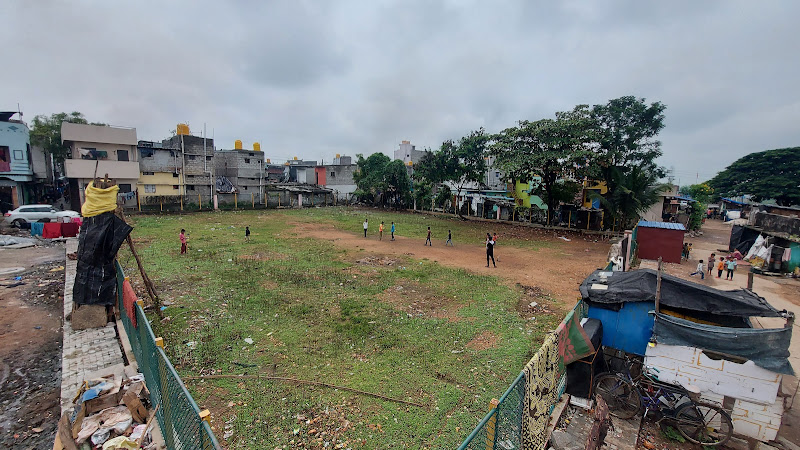
Adishakthi Park & Garden || Devaraj Nagar || Davangere
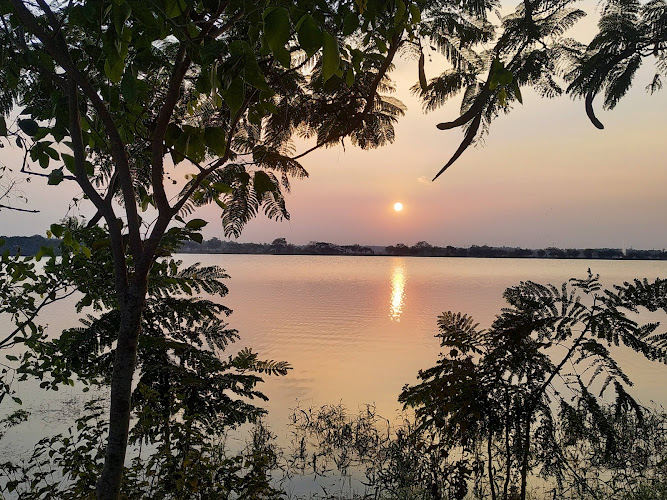
Kunduvada Lake
Find Accommodations Nearby
Recommended Tours & Activities
Visitor Reviews
There are no reviews yet. Be the first one to write one.
Share Your Experience
Have you visited Davanagere? Help other travelers by leaving a review.