Crane Stone
About Crane Stone
Description
The Crane Stone stands as one of those peculiar historical landmarks that doesn't always make it onto the typical tourist circuit, but honestly, that's part of its charm. This isn't your average monument with a grand entrance and visitor center—it's something much more intimate and genuine. The stone itself has witnessed centuries of history, and there's something almost magical about standing before it and wondering about all the people who've done the same thing over the years. What really strikes visitors first is the unexpected nature of the site. You're not dealing with a massive structure here, but rather a meaningful piece of history that's been preserved through dedication and community effort. The Crane Stone represents a tangible connection to the past, and for travelers who appreciate authentic historical experiences over heavily commercialized attractions, this place delivers in spades. I've always believed that the best historical sites are the ones where you can actually feel the weight of time, and the Crane Stone manages to do exactly that. It's kid-friendly too, which makes it a solid choice for families looking to introduce younger generations to history without the stuffiness that sometimes comes with museum visits. Children can actually engage with the space in a way that feels natural rather than forced. The stone's significance varies depending on who you ask—some visitors come for the historical context, others for the photographic opportunities, and many simply stumble upon it while exploring the area. But regardless of why people arrive, most leave with a sense that they've experienced something worth remembering.Key Features
- Historical significance that spans multiple centuries, offering insight into the cultural and social development of the region
- Excellent photography opportunities, particularly during golden hour when natural lighting enhances the stone's textures and surrounding landscape
- Family-friendly environment that welcomes children and provides educational value without requiring extensive walking or physical exertion
- Relatively uncrowded compared to major tourist attractions, allowing for peaceful contemplation and unrushed photography sessions
- Accessible viewing that doesn't require special equipment or guided tours, though additional context certainly enriches the experience
- Authentic historical atmosphere that hasn't been overly commercialized or modified for modern tourism expectations
- Local community connection, as the site remains important to area residents and often features in regional historical narratives
- Compact site footprint that makes it easy to visit even with limited time in your travel itinerary
- Free or minimal cost access, making it budget-friendly for travelers watching their expenses
- Interpretive opportunities for self-guided learning and personal reflection on historical themes
Best Time to Visit
Here's the thing about timing your visit to the Crane Stone—it really depends on what you're after. If photography ranks high on your priorities list, then you'll want to plan around lighting conditions. Early morning brings that soft, diffused light that photographers dream about, and you'll likely have the place mostly to yourself. There's something special about being one of the first visitors of the day, when morning dew might still cling to surfaces and the air feels fresh. Late afternoon, particularly that hour before sunset, creates dramatically different conditions. The stone takes on warmer tones, and shadows become more pronounced, adding depth to photographs. I've found that this time also attracts more contemplative visitors—people who've finished their day's activities and want a quiet moment before heading to dinner. Seasonally speaking, spring and fall offer the most comfortable weather conditions for most travelers. Summer can work perfectly fine, though you might encounter more families during school vacation periods. And honestly? That's not necessarily a bad thing. Sometimes the energy of excited kids discovering history adds to the experience rather than detracting from it. Winter visits have their own appeal, especially if you don't mind cooler temperatures. The bare trees and different light quality create an entirely different mood. Plus, you'll definitely have fewer crowds to contend with. Just check local weather conditions beforehand—nobody wants to trek out to a historical site in pouring rain or dangerous conditions. Weekdays generally see lighter foot traffic than weekends, which matters if you prefer solitude with your historical landmarks. But weekend visits often bring out local families and community members who can sometimes share insights and stories you won't find in any guidebook.How to Get There
Getting to the Crane Stone requires a bit of planning, but it's not the kind of journey that'll have you second-guessing your travel choices. The site sits in an area that's accessible by various means, though having your own transportation definitely makes things easier. For those driving, the route is generally straightforward once you know where you're heading. Standard GPS navigation should get you close, though it's worth noting that some mapping applications handle historical landmarks better than others. Download offline maps if you're concerned about signal strength in the area—nothing's more frustrating than losing directions when you're almost at your destination. Public transportation options exist, though they might require some walking once you're dropped off. This isn't necessarily a dealbreaker, especially if you enjoy a bit of exploration on foot. The walk itself can become part of the experience, giving you a sense of the surrounding landscape and community. Parking availability varies depending on when you visit, but the site generally doesn't see the massive crowds that plague major tourist attractions. You might need to walk a short distance from where you park, which is actually kind of perfect—it gives you a moment to transition from travel mode to observation mode. If you're staying in nearby accommodations, some travelers choose to walk or bike to the Crane Stone, weather permitting. This slower approach often reveals aspects of the area you'd miss from a car window. Local shops, architectural details, neighborhood characteristics—these things come into focus when you're moving at a more human pace. For international visitors or those unfamiliar with the region, consulting with your accommodation hosts about the best route can provide valuable local insight. They might know about easier parking spots or scenic approaches that don't show up in official directions.Tips for Visiting
Let me share some practical wisdom gained from both personal experience and watching countless other travelers navigate historical sites like this one. First off, manage your expectations appropriately. The Crane Stone isn't going to occupy your entire afternoon—this is more of a focused stop rather than an all-day destination. Plan accordingly, perhaps combining it with other nearby attractions or local dining experiences. Bring a camera or make sure your phone is charged, because the photographic opportunities here are genuinely worthwhile. And I'm not just talking about snapping a quick selfie and moving on. Take time to walk around the site, observe it from different angles, notice how changing perspectives alter what you see. Some of the best shots come from unexpected viewpoints. Wear practical footwear. Even though this isn't a strenuous hiking situation, comfortable shoes make any historical site visit more enjoyable. You'll want to move around a bit, and nobody makes good memories while their feet are killing them. Consider visiting at different times if you're in the area for multiple days. Seriously, the same physical landmark can feel completely different in morning versus evening light, on a busy Saturday versus a quiet Tuesday. Each visit reveals something new. Do some light research before you arrive. I know, I know—spontaneity has its place in travel. But understanding even basic historical context transforms your experience from "looking at an old stone" to genuinely connecting with the past. A quick internet search the night before your visit takes maybe fifteen minutes and pays dividends in appreciation. If you're bringing children, frame the visit as an adventure or mystery rather than an educational obligation. Kids respond better to engagement than lecture, and the Crane Stone offers plenty of opportunities for imaginative thinking. What stories might this stone tell? Who might have stood here hundreds of years ago? Pack water and maybe a snack, especially during warmer months. There might not be convenient facilities immediately nearby, and staying hydrated keeps everyone's mood pleasant. Plus, having provisions means you can linger without feeling rushed by hunger or thirst. Respect the site. This goes without saying, but historical landmarks persist because people treat them carefully. Don't touch surfaces unnecessarily, don't leave trash, and definitely don't try to carve your initials or anything ridiculous like that. Future travelers deserve the same experience you're having. Check recent visitor feedback before your trip, not for star ratings but for practical updates. Sometimes access changes, temporary conditions affect the site, or seasonal factors come into play. Five minutes of checking current information can save you from unfortunate surprises. And finally, give yourself permission to just sit quietly for a few minutes. We're so conditioned to document and move on that we forget the value of simply being present in a space. The Crane Stone has stood for a long time—it'll still be there after you've taken a moment to breathe and actually absorb where you are.Key Features
- Compact, approachable historic stone with visible weathering and patina
- Associated local legends and oral-history significance
- Located within an easily walkable neighborhood in Macapá
- Photogenic subject with tropical light and nearby urban backdrop
- Quiet, low-traffic setting ideal for reflective visits
More Details
Updated January 18, 2026
Table of Contents
Description
The Crane Stone stands as one of those peculiar historical landmarks that doesn’t always make it onto the typical tourist circuit, but honestly, that’s part of its charm. This isn’t your average monument with a grand entrance and visitor center—it’s something much more intimate and genuine. The stone itself has witnessed centuries of history, and there’s something almost magical about standing before it and wondering about all the people who’ve done the same thing over the years.
What really strikes visitors first is the unexpected nature of the site. You’re not dealing with a massive structure here, but rather a meaningful piece of history that’s been preserved through dedication and community effort. The Crane Stone represents a tangible connection to the past, and for travelers who appreciate authentic historical experiences over heavily commercialized attractions, this place delivers in spades.
I’ve always believed that the best historical sites are the ones where you can actually feel the weight of time, and the Crane Stone manages to do exactly that. It’s kid-friendly too, which makes it a solid choice for families looking to introduce younger generations to history without the stuffiness that sometimes comes with museum visits. Children can actually engage with the space in a way that feels natural rather than forced.
The stone’s significance varies depending on who you ask—some visitors come for the historical context, others for the photographic opportunities, and many simply stumble upon it while exploring the area. But regardless of why people arrive, most leave with a sense that they’ve experienced something worth remembering.
Key Features
- Historical significance that spans multiple centuries, offering insight into the cultural and social development of the region
- Excellent photography opportunities, particularly during golden hour when natural lighting enhances the stone’s textures and surrounding landscape
- Family-friendly environment that welcomes children and provides educational value without requiring extensive walking or physical exertion
- Relatively uncrowded compared to major tourist attractions, allowing for peaceful contemplation and unrushed photography sessions
- Accessible viewing that doesn’t require special equipment or guided tours, though additional context certainly enriches the experience
- Authentic historical atmosphere that hasn’t been overly commercialized or modified for modern tourism expectations
- Local community connection, as the site remains important to area residents and often features in regional historical narratives
- Compact site footprint that makes it easy to visit even with limited time in your travel itinerary
- Free or minimal cost access, making it budget-friendly for travelers watching their expenses
- Interpretive opportunities for self-guided learning and personal reflection on historical themes
Best Time to Visit
Here’s the thing about timing your visit to the Crane Stone—it really depends on what you’re after. If photography ranks high on your priorities list, then you’ll want to plan around lighting conditions. Early morning brings that soft, diffused light that photographers dream about, and you’ll likely have the place mostly to yourself. There’s something special about being one of the first visitors of the day, when morning dew might still cling to surfaces and the air feels fresh.
Late afternoon, particularly that hour before sunset, creates dramatically different conditions. The stone takes on warmer tones, and shadows become more pronounced, adding depth to photographs. I’ve found that this time also attracts more contemplative visitors—people who’ve finished their day’s activities and want a quiet moment before heading to dinner.
Seasonally speaking, spring and fall offer the most comfortable weather conditions for most travelers. Summer can work perfectly fine, though you might encounter more families during school vacation periods. And honestly? That’s not necessarily a bad thing. Sometimes the energy of excited kids discovering history adds to the experience rather than detracting from it.
Winter visits have their own appeal, especially if you don’t mind cooler temperatures. The bare trees and different light quality create an entirely different mood. Plus, you’ll definitely have fewer crowds to contend with. Just check local weather conditions beforehand—nobody wants to trek out to a historical site in pouring rain or dangerous conditions.
Weekdays generally see lighter foot traffic than weekends, which matters if you prefer solitude with your historical landmarks. But weekend visits often bring out local families and community members who can sometimes share insights and stories you won’t find in any guidebook.
How to Get There
Getting to the Crane Stone requires a bit of planning, but it’s not the kind of journey that’ll have you second-guessing your travel choices. The site sits in an area that’s accessible by various means, though having your own transportation definitely makes things easier.
For those driving, the route is generally straightforward once you know where you’re heading. Standard GPS navigation should get you close, though it’s worth noting that some mapping applications handle historical landmarks better than others. Download offline maps if you’re concerned about signal strength in the area—nothing’s more frustrating than losing directions when you’re almost at your destination.
Public transportation options exist, though they might require some walking once you’re dropped off. This isn’t necessarily a dealbreaker, especially if you enjoy a bit of exploration on foot. The walk itself can become part of the experience, giving you a sense of the surrounding landscape and community.
Parking availability varies depending on when you visit, but the site generally doesn’t see the massive crowds that plague major tourist attractions. You might need to walk a short distance from where you park, which is actually kind of perfect—it gives you a moment to transition from travel mode to observation mode.
If you’re staying in nearby accommodations, some travelers choose to walk or bike to the Crane Stone, weather permitting. This slower approach often reveals aspects of the area you’d miss from a car window. Local shops, architectural details, neighborhood characteristics—these things come into focus when you’re moving at a more human pace.
For international visitors or those unfamiliar with the region, consulting with your accommodation hosts about the best route can provide valuable local insight. They might know about easier parking spots or scenic approaches that don’t show up in official directions.
Tips for Visiting
Let me share some practical wisdom gained from both personal experience and watching countless other travelers navigate historical sites like this one. First off, manage your expectations appropriately. The Crane Stone isn’t going to occupy your entire afternoon—this is more of a focused stop rather than an all-day destination. Plan accordingly, perhaps combining it with other nearby attractions or local dining experiences.
Bring a camera or make sure your phone is charged, because the photographic opportunities here are genuinely worthwhile. And I’m not just talking about snapping a quick selfie and moving on. Take time to walk around the site, observe it from different angles, notice how changing perspectives alter what you see. Some of the best shots come from unexpected viewpoints.
Wear practical footwear. Even though this isn’t a strenuous hiking situation, comfortable shoes make any historical site visit more enjoyable. You’ll want to move around a bit, and nobody makes good memories while their feet are killing them.
Consider visiting at different times if you’re in the area for multiple days. Seriously, the same physical landmark can feel completely different in morning versus evening light, on a busy Saturday versus a quiet Tuesday. Each visit reveals something new.
Do some light research before you arrive. I know, I know—spontaneity has its place in travel. But understanding even basic historical context transforms your experience from “looking at an old stone” to genuinely connecting with the past. A quick internet search the night before your visit takes maybe fifteen minutes and pays dividends in appreciation.
If you’re bringing children, frame the visit as an adventure or mystery rather than an educational obligation. Kids respond better to engagement than lecture, and the Crane Stone offers plenty of opportunities for imaginative thinking. What stories might this stone tell? Who might have stood here hundreds of years ago?
Pack water and maybe a snack, especially during warmer months. There might not be convenient facilities immediately nearby, and staying hydrated keeps everyone’s mood pleasant. Plus, having provisions means you can linger without feeling rushed by hunger or thirst.
Respect the site. This goes without saying, but historical landmarks persist because people treat them carefully. Don’t touch surfaces unnecessarily, don’t leave trash, and definitely don’t try to carve your initials or anything ridiculous like that. Future travelers deserve the same experience you’re having.
Check recent visitor feedback before your trip, not for star ratings but for practical updates. Sometimes access changes, temporary conditions affect the site, or seasonal factors come into play. Five minutes of checking current information can save you from unfortunate surprises.
And finally, give yourself permission to just sit quietly for a few minutes. We’re so conditioned to document and move on that we forget the value of simply being present in a space. The Crane Stone has stood for a long time—it’ll still be there after you’ve taken a moment to breathe and actually absorb where you are.
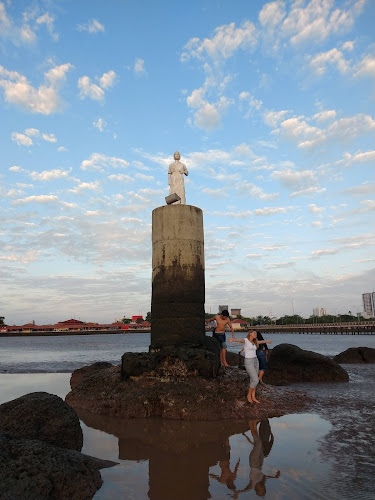
Key Highlights
- Compact, approachable historic stone with visible weathering and patina
- Associated local legends and oral-history significance
- Located within an easily walkable neighborhood in Macapá
- Photogenic subject with tropical light and nearby urban backdrop
- Quiet, low-traffic setting ideal for reflective visits
Location
Places to Stay Near Crane Stone
Find and Book a Tour
Explore More Travel Guides
No reviews found! Be the first to review!
Traveler Reviews for Crane Stone
There are no reviews yet. Be the first one to write one.
Have you visited Crane Stone? Help other travelers by sharing your review.
Nearby Attractions
Find Accommodations Nearby
Recommended Tours & Activities
Visitor Reviews
There are no reviews yet. Be the first one to write one.
Share Your Experience
Have you visited Crane Stone? Help other travelers by leaving a review.
