
Cosmodôme
About Cosmodôme
Description
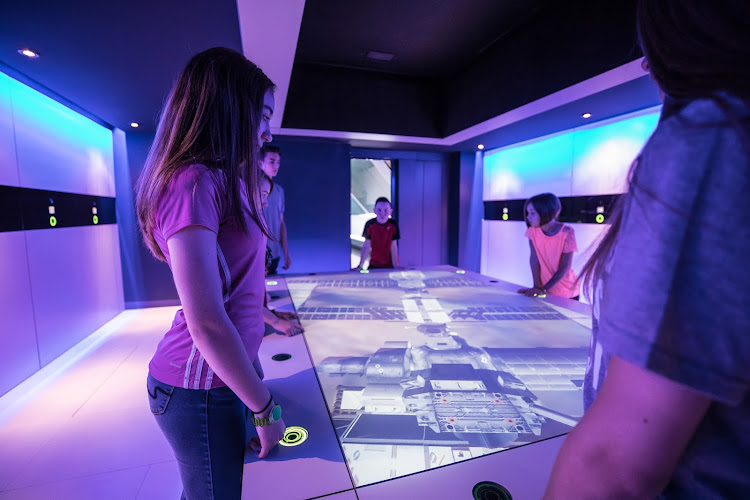
The Cosmodôme stands as one of Quebec's most ambitious attempts to bring space exploration down to Earth – literally. This educational space centre manages to do something that's honestly pretty rare: make learning about science feel less like homework and more like an adventure you'd actually want to tell your friends about. Located in Laval, the facility transforms complex aerospace concepts into hands-on experiences that'll have both kids and adults genuinely excited about physics and engineering. What makes this place different from your typical museum is its commitment to simulation and interactivity. You're not just reading plaques on walls here (though there are informative displays aplenty). The Cosmodôme puts you in situations where you experience what astronauts might encounter, from walking in simulated lunar gravity to participating in mission control scenarios that'll test your problem-solving skills under pressure. And honestly? That's exactly what modern museums should be doing. The centre has built its reputation around overnight space camps that attract young aspiring astronauts from across the province and beyond. But even if you're just dropping in for a day visit, there's enough here to keep you occupied and genuinely engaged for several hours. The facility doesn't pretend to be NASA, but it does an admirable job of conveying why space exploration matters and what it takes to get humans beyond our atmosphere.Key Features
The Cosmodôme offers experiences that go well beyond standard museum fare, and visitors consistently mention certain highlights: • Simulated Lunar Gravity Experiences – This is the crown jewel for many visitors. Walking in conditions that mimic the moon's gravitational pull gives you a tiny taste of what astronauts train for, and it's genuinely unforgettable. You'll finally understand why those Apollo mission videos show such bouncy movements. • Interactive Mission Simulations – These aren't passive video games. You're working with team members to solve actual problems that mirror real space mission challenges. Communication becomes crucial, and you start appreciating just how much coordination goes into every space operation. • Overnight Space Camps – Though primarily designed for younger visitors, these camps offer immersive experiences where participants live like astronauts for a night or longer. The programs include mission training, team challenges, and sleeping in quarters designed to evoke space station living. • Aerospace Artifacts and Exhibits – The permanent collection includes genuine space equipment, detailed models, and displays that trace humanity's journey from early rocketry to modern space stations. Some pieces here you won't find elsewhere in Eastern Canada. • Educational Programs Tailored to Different Ages – The centre has clearly put thought into making content accessible whether you're seven or seventy. Activities scale appropriately, which means nobody feels talked down to or overwhelmed. • Virtual Reality Components – More recent additions to the centre include VR experiences that transport you into space scenarios with impressive realism. These complement the physical simulations nicely. • Complete Accessibility Features – Wheelchair users will find the entire facility designed with accessibility in mind, from parking to restrooms to the exhibits themselves. This isn't an afterthought here.Best Time to Visit
Timing your visit to the Cosmodôme can make a real difference in your experience, and I've learned this matters more than you'd initially think. The centre operates year-round, which is great for planning flexibility, but certain periods definitely offer advantages. Weekdays during the school year tend to be quieter for general visitors, though you might encounter school groups on educational outings. If you're traveling with kids who get overwhelmed in crowds, this is worth considering. The groups usually follow specific schedules and won't necessarily be everywhere at once, but they do create periodic waves of activity. Summer months bring increased family traffic, which creates a more energetic atmosphere but also means longer waits for popular simulations. If you're visiting during July or August, arriving right when they open gives you a significant advantage. You'll hit the most popular experiences before lines build up, and honestly, that makes the entire day flow better. The shoulder seasons – late spring and early fall – hit a sweet spot. Weather is still pleasant for the drive there, but you avoid peak summer crowds. September particularly offers good conditions since school has resumed but weather remains comfortable. Winter visits have their own appeal. The centre provides an excellent indoor activity when Quebec's weather turns harsh, and the space theme somehow feels even more appropriate when you walk in from freezing temperatures to contemplate the even more extreme conditions of actual space. Plus, parking is consistently available, and the facility's heating system keeps everything comfortable. Special events and temporary exhibitions occasionally run throughout the year, so checking their calendar before planning your trip can help you catch something extra. But the permanent exhibits alone justify a visit regardless of what special programming might be happening. Weekends obviously attract more families, and Saturday afternoons represent peak busy periods. Sunday mornings, conversely, tend to be more manageable if weekend visits fit your schedule better.How to Get There
Getting to the Cosmodôme is refreshingly straightforward, though first-time visitors sometimes underestimate how spread out the Greater Montreal area actually is. The centre sits in Laval, which means it's technically not in Montreal proper – something that trips up tourists occasionally when they're gauging travel times. If you're driving, which most visitors do, the facility is easily accessible from Highway 15 (Autoroute des Laurentides). The parking situation here deserves specific mention because it's genuinely hassle-free – spaces are plentiful and completely free. For anyone used to paying premium parking rates at urban attractions, this feels almost too good to be true. And here's a practical bonus that eco-conscious travelers will appreciate: the parking lot includes multiple EV charging stations, both CHAdeMO and CCS connectors at various power levels. If you're road-tripping in an electric vehicle, you can top up while exploring the exhibits. From downtown Montreal, you're looking at roughly 30-40 minutes depending on traffic conditions. The drive itself is uncomplicated – basically straight north – but Montreal traffic has its own personality, so building in buffer time makes sense. Rush hours (roughly 7-9 AM and 4-6 PM on weekdays) can extend that considerably. Public transit is possible but less convenient. The Montreal metro system doesn't extend quite this far, so you'd be looking at a combination of metro and bus. The STM and STL transit systems connect, but expect your journey to take over an hour from central Montreal with at least one transfer. For budget travelers or those without access to vehicles, it's doable, just plan accordingly and check current schedules. Taxi or rideshare services from Montreal will run you a fair amount – probably $40-60 depending on exactly where you're starting from and traffic conditions. If you're splitting costs among several people, this becomes more reasonable. For visitors coming from outside the Montreal area, major highways provide access from Quebec City (roughly 2.5-3 hours), Ottawa (about 2 hours), or even Burlington, Vermont if you're crossing from the States (around 2.5 hours to the border, then another hour or so).Tips for Visiting
After talking with folks who've visited and thinking through what actually matters here, several practical considerations emerge that'll improve your experience significantly. First off, budget more time than you initially think you'll need. Many visitors underestimate how engaging the interactive elements become once you start participating. What looks like "just a couple hours" on paper often stretches to four or five once you're actually there, especially if you have curious kids who want to try everything multiple times. Rushing through defeats the entire purpose. Comfortable footwear matters more than you'd expect. You'll be standing and walking quite a bit, and some simulations involve physical activity. Nobody's running marathons here, but wearing shoes appropriate for being on your feet several hours makes the day considerably more pleasant. The centre includes restroom facilities and a rest area, but there's no onsite restaurant. This catches some visitors off guard. You've got options though: pack snacks and meals (they're fine with this), eat before arriving, or plan to leave for lunch at nearby restaurants. Several dining options exist within a short drive, and re-entry is generally accommodated if you mention you're stepping out for food. Bringing water bottles is smart, particularly if visiting with children. The activities can be surprisingly engaging physically, and staying hydrated matters. The WiFi availability throughout the facility means you can share your experiences in real-time if that's your thing, though honestly, putting phones away and just experiencing the place has its merits. Photography is generally welcomed for personal use, and you'll definitely want your camera or smartphone ready. The lunar gravity simulation in particular creates memorable photo opportunities that you'll want to capture. But do stay mindful during guided activities where staff asks for attention – they're usually explaining something worth hearing. If you're visiting with young children, the changing tables throughout the facility demonstrate thoughtful planning. The whole place genuinely accommodates families rather than merely tolerating them. That said, some simulations have age or height requirements for safety reasons, so checking these in advance prevents disappointment. For visitors with accessibility needs, the comprehensive wheelchair accessibility deserves emphasis. Entrances, parking, restrooms, and exhibits all accommodate mobility devices properly. This isn't token compliance – the design genuinely works. Language considerations matter here since you're in Quebec. Staff typically speaks both French and English, and most exhibits offer bilingual information. If your French is minimal, don't worry – they're accustomed to serving visitors from across Canada and internationally. Consider visiting the gift shop toward the end rather than the beginning, especially with kids. Otherwise you might spend half your visit negotiating purchases instead of experiencing what you actually came for. The shop offers reasonable space-themed merchandise if you want souvenirs, but nothing obligates you to buy. Lastly, arrive with genuine curiosity rather than expecting flashy entertainment. The Cosmodôme educates through experience, which means some elements require active participation and attention. Visitors who engage fully consistently report better experiences than those expecting passive spectacle. This isn't a theme park – it's something potentially more valuable if you let it be.Key Features
- Interactive virtual space missions/simulators
- Permanent exhibition with astronautics artifacts and replicas
- Educational programs and seasonal camps for children
- Temporary rotating exhibitions related to space science
- Hands-on, family-friendly STEM activities
More Details
Updated January 5, 2026
Table of Contents
Description
The Cosmodôme stands as one of Quebec’s most ambitious attempts to bring space exploration down to Earth – literally. This educational space centre manages to do something that’s honestly pretty rare: make learning about science feel less like homework and more like an adventure you’d actually want to tell your friends about. Located in Laval, the facility transforms complex aerospace concepts into hands-on experiences that’ll have both kids and adults genuinely excited about physics and engineering.
What makes this place different from your typical museum is its commitment to simulation and interactivity. You’re not just reading plaques on walls here (though there are informative displays aplenty). The Cosmodôme puts you in situations where you experience what astronauts might encounter, from walking in simulated lunar gravity to participating in mission control scenarios that’ll test your problem-solving skills under pressure. And honestly? That’s exactly what modern museums should be doing.
The centre has built its reputation around overnight space camps that attract young aspiring astronauts from across the province and beyond. But even if you’re just dropping in for a day visit, there’s enough here to keep you occupied and genuinely engaged for several hours. The facility doesn’t pretend to be NASA, but it does an admirable job of conveying why space exploration matters and what it takes to get humans beyond our atmosphere.
Key Features
The Cosmodôme offers experiences that go well beyond standard museum fare, and visitors consistently mention certain highlights:
• Simulated Lunar Gravity Experiences – This is the crown jewel for many visitors. Walking in conditions that mimic the moon’s gravitational pull gives you a tiny taste of what astronauts train for, and it’s genuinely unforgettable. You’ll finally understand why those Apollo mission videos show such bouncy movements.
• Interactive Mission Simulations – These aren’t passive video games. You’re working with team members to solve actual problems that mirror real space mission challenges. Communication becomes crucial, and you start appreciating just how much coordination goes into every space operation.
• Overnight Space Camps – Though primarily designed for younger visitors, these camps offer immersive experiences where participants live like astronauts for a night or longer. The programs include mission training, team challenges, and sleeping in quarters designed to evoke space station living.
• Aerospace Artifacts and Exhibits – The permanent collection includes genuine space equipment, detailed models, and displays that trace humanity’s journey from early rocketry to modern space stations. Some pieces here you won’t find elsewhere in Eastern Canada.
• Educational Programs Tailored to Different Ages – The centre has clearly put thought into making content accessible whether you’re seven or seventy. Activities scale appropriately, which means nobody feels talked down to or overwhelmed.
• Virtual Reality Components – More recent additions to the centre include VR experiences that transport you into space scenarios with impressive realism. These complement the physical simulations nicely.
• Complete Accessibility Features – Wheelchair users will find the entire facility designed with accessibility in mind, from parking to restrooms to the exhibits themselves. This isn’t an afterthought here.
Best Time to Visit
Timing your visit to the Cosmodôme can make a real difference in your experience, and I’ve learned this matters more than you’d initially think. The centre operates year-round, which is great for planning flexibility, but certain periods definitely offer advantages.
Weekdays during the school year tend to be quieter for general visitors, though you might encounter school groups on educational outings. If you’re traveling with kids who get overwhelmed in crowds, this is worth considering. The groups usually follow specific schedules and won’t necessarily be everywhere at once, but they do create periodic waves of activity.
Summer months bring increased family traffic, which creates a more energetic atmosphere but also means longer waits for popular simulations. If you’re visiting during July or August, arriving right when they open gives you a significant advantage. You’ll hit the most popular experiences before lines build up, and honestly, that makes the entire day flow better.
The shoulder seasons – late spring and early fall – hit a sweet spot. Weather is still pleasant for the drive there, but you avoid peak summer crowds. September particularly offers good conditions since school has resumed but weather remains comfortable.
Winter visits have their own appeal. The centre provides an excellent indoor activity when Quebec’s weather turns harsh, and the space theme somehow feels even more appropriate when you walk in from freezing temperatures to contemplate the even more extreme conditions of actual space. Plus, parking is consistently available, and the facility’s heating system keeps everything comfortable.
Special events and temporary exhibitions occasionally run throughout the year, so checking their calendar before planning your trip can help you catch something extra. But the permanent exhibits alone justify a visit regardless of what special programming might be happening.
Weekends obviously attract more families, and Saturday afternoons represent peak busy periods. Sunday mornings, conversely, tend to be more manageable if weekend visits fit your schedule better.
How to Get There
Getting to the Cosmodôme is refreshingly straightforward, though first-time visitors sometimes underestimate how spread out the Greater Montreal area actually is. The centre sits in Laval, which means it’s technically not in Montreal proper – something that trips up tourists occasionally when they’re gauging travel times.
If you’re driving, which most visitors do, the facility is easily accessible from Highway 15 (Autoroute des Laurentides). The parking situation here deserves specific mention because it’s genuinely hassle-free – spaces are plentiful and completely free. For anyone used to paying premium parking rates at urban attractions, this feels almost too good to be true. And here’s a practical bonus that eco-conscious travelers will appreciate: the parking lot includes multiple EV charging stations, both CHAdeMO and CCS connectors at various power levels. If you’re road-tripping in an electric vehicle, you can top up while exploring the exhibits.
From downtown Montreal, you’re looking at roughly 30-40 minutes depending on traffic conditions. The drive itself is uncomplicated – basically straight north – but Montreal traffic has its own personality, so building in buffer time makes sense. Rush hours (roughly 7-9 AM and 4-6 PM on weekdays) can extend that considerably.
Public transit is possible but less convenient. The Montreal metro system doesn’t extend quite this far, so you’d be looking at a combination of metro and bus. The STM and STL transit systems connect, but expect your journey to take over an hour from central Montreal with at least one transfer. For budget travelers or those without access to vehicles, it’s doable, just plan accordingly and check current schedules.
Taxi or rideshare services from Montreal will run you a fair amount – probably $40-60 depending on exactly where you’re starting from and traffic conditions. If you’re splitting costs among several people, this becomes more reasonable.
For visitors coming from outside the Montreal area, major highways provide access from Quebec City (roughly 2.5-3 hours), Ottawa (about 2 hours), or even Burlington, Vermont if you’re crossing from the States (around 2.5 hours to the border, then another hour or so).
Tips for Visiting
After talking with folks who’ve visited and thinking through what actually matters here, several practical considerations emerge that’ll improve your experience significantly.
First off, budget more time than you initially think you’ll need. Many visitors underestimate how engaging the interactive elements become once you start participating. What looks like “just a couple hours” on paper often stretches to four or five once you’re actually there, especially if you have curious kids who want to try everything multiple times. Rushing through defeats the entire purpose.
Comfortable footwear matters more than you’d expect. You’ll be standing and walking quite a bit, and some simulations involve physical activity. Nobody’s running marathons here, but wearing shoes appropriate for being on your feet several hours makes the day considerably more pleasant.
The centre includes restroom facilities and a rest area, but there’s no onsite restaurant. This catches some visitors off guard. You’ve got options though: pack snacks and meals (they’re fine with this), eat before arriving, or plan to leave for lunch at nearby restaurants. Several dining options exist within a short drive, and re-entry is generally accommodated if you mention you’re stepping out for food.
Bringing water bottles is smart, particularly if visiting with children. The activities can be surprisingly engaging physically, and staying hydrated matters. The WiFi availability throughout the facility means you can share your experiences in real-time if that’s your thing, though honestly, putting phones away and just experiencing the place has its merits.
Photography is generally welcomed for personal use, and you’ll definitely want your camera or smartphone ready. The lunar gravity simulation in particular creates memorable photo opportunities that you’ll want to capture. But do stay mindful during guided activities where staff asks for attention – they’re usually explaining something worth hearing.
If you’re visiting with young children, the changing tables throughout the facility demonstrate thoughtful planning. The whole place genuinely accommodates families rather than merely tolerating them. That said, some simulations have age or height requirements for safety reasons, so checking these in advance prevents disappointment.
For visitors with accessibility needs, the comprehensive wheelchair accessibility deserves emphasis. Entrances, parking, restrooms, and exhibits all accommodate mobility devices properly. This isn’t token compliance – the design genuinely works.
Language considerations matter here since you’re in Quebec. Staff typically speaks both French and English, and most exhibits offer bilingual information. If your French is minimal, don’t worry – they’re accustomed to serving visitors from across Canada and internationally.
Consider visiting the gift shop toward the end rather than the beginning, especially with kids. Otherwise you might spend half your visit negotiating purchases instead of experiencing what you actually came for. The shop offers reasonable space-themed merchandise if you want souvenirs, but nothing obligates you to buy.
Lastly, arrive with genuine curiosity rather than expecting flashy entertainment. The Cosmodôme educates through experience, which means some elements require active participation and attention. Visitors who engage fully consistently report better experiences than those expecting passive spectacle. This isn’t a theme park – it’s something potentially more valuable if you let it be.
Key Highlights
- Interactive virtual space missions/simulators
- Permanent exhibition with astronautics artifacts and replicas
- Educational programs and seasonal camps for children
- Temporary rotating exhibitions related to space science
- Hands-on, family-friendly STEM activities
Location
Places to Stay Near Cosmodôme
Find and Book a Tour
Explore More Travel Guides
No reviews found! Be the first to review!
Traveler Reviews for Cosmodôme
There are no reviews yet. Be the first one to write one.
Have you visited Cosmodôme? Help other travelers by sharing your review.
Nearby Attractions
You Might Also Like
Parc de la Rivière-des-Mille-Îles
Berge aux Quatre-Vents

Koryo BBQ
Find Accommodations Nearby
Recommended Tours & Activities
Visitor Reviews
There are no reviews yet. Be the first one to write one.
Share Your Experience
Have you visited Cosmodôme? Help other travelers by leaving a review.