
Parc de la Rivière-des-Mille-Îles
About Parc de la Rivière-des-Mille-Îles
Description
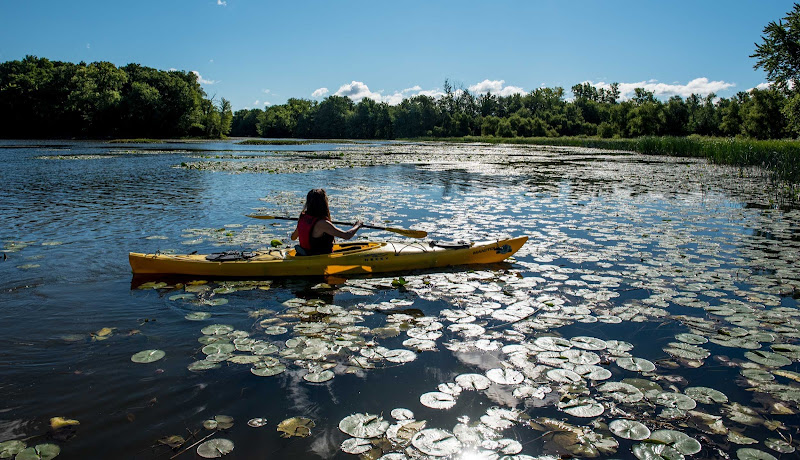
Parc de la Rivière-des-Mille-Îles offers travelers an unexpected escape into Quebec's natural waterways without venturing far from Montreal's urban sprawl. This protected wildlife sanctuary sprawls across a network of islands and channels where the Mille Îles River creates a maze of peaceful passages perfect for paddling exploration. The park gets its name from the countless small islands dotting the waterway, though honestly nobody's actually counted to verify if there are a thousand of them. What makes this place genuinely special is how it manages to feel remote and wild while remaining surprisingly accessible. You're paddling through channels where great blue herons hunt in the shallows, beavers work on their lodges, and painted turtles sun themselves on fallen logs—all while technically still being within the Greater Montreal area. It's that rare combination of genuine wilderness experience with the convenience of modern amenities that draws visitors back season after season. The park functions as both a conservation area and recreational destination, which means you get to enjoy nature while knowing your visit supports important ecological protection efforts. The organization running the park has done thoughtful work preserving the habitat while creating ways for people to experience it without causing harm. They've struck that delicate balance between access and preservation better than many similar sites I've encountered in my travels.Key Features
The standout elements that make Parc de la Rivière-des-Mille-Îles worth adding to your Quebec itinerary include:- Kayak and canoe rentals available right onsite, so you don't need to haul your own equipment or worry about transportation logistics
- Over 30 kilometers of navigable waterways winding through the archipelago, offering routes for everyone from complete beginners to experienced paddlers
- Island hiking trails accessible only by water, giving you that genuine sense of adventure and discovery when you beach your kayak and explore on foot
- Rich wildlife viewing opportunities with more than 230 bird species recorded in the area plus mammals like muskrats, foxes, and the occasional deer
- Educational programming and guided tours that help visitors understand the ecological significance of the wetland ecosystem
- Cycling paths connecting to the broader regional trail network for those who want to combine water and land exploration
- Picnic facilities scattered throughout the park with tables positioned for maximum enjoyment of the river views
- Kid-friendly activities including gentle paddling routes, playground areas, and nature interpretation programs designed specifically for younger visitors
- Wheelchair accessible infrastructure with adapted facilities ensuring the park welcomes visitors of all mobility levels
- Birthday party hosting options because apparently paddling with friends makes for memorable celebrations
- Museum exhibits providing context about the river's history, ecology, and cultural significance to the region
- Dog-friendly policies allowing you to bring your four-legged companions along for the adventure
Best Time to Visit
The paddling season at Parc de la Rivière-des-Mille-Îles typically runs from late May through mid-October, though exact dates shift slightly depending on weather conditions each year. But here's what you should know about timing your visit for the best experience. Summer months from June through August bring warm weather and full park operations with extended hours and all amenities running. The water's comfortable for paddling, and you won't need layers of technical gear. However, these months also attract the biggest crowds, particularly on weekends. If you're planning a summer visit, weekday mornings offer your best chance at relative solitude on the water. Early fall, specifically September and early October, might actually be the sweet spot for visiting. The temperatures remain pleasant for paddling—you might want a light jacket in the morning but you'll warm up once you're moving. The real payoff comes from the autumn colors reflecting off the water as the surrounding forests transform. And the summer crowds have mostly dispersed, giving you more peaceful passages through the channels. Spring can be magical for bird watching as migrants move through the area, but the water's cold and weather unpredictable. You'll need to dress appropriately and be flexible with your plans. Late May usually offers the best combination of spring bird activity with improving weather conditions. I'd personally avoid the absolute peak of summer on weekend afternoons if possible. The park does get busy, and part of the appeal here is that sense of being alone on the water surrounded by nature. That experience gets compromised when you're queuing up to pass through narrow channels behind a dozen other kayaks. Weather can change quickly on the water, so checking forecasts before your visit makes sense regardless of season. Wind becomes your main concern since you're paddling through relatively open waterways in places. Strong winds can make paddling exhausting and even unsafe for inexperienced paddlers.How to Get There
Parc de la Rivière-des-Mille-Îles sits in Laval, just north of Montreal Island, making it surprisingly easy to reach whether you're coming from Montreal itself or from further afield in Quebec. If you're driving from downtown Montreal, you're looking at roughly a 30-minute journey depending on traffic. Head north across one of the bridges to Laval, then follow signs toward the park. Parking is available onsite with designated accessible spaces near the entrance. The lot accommodates a decent number of vehicles, though it can fill up on beautiful summer weekends. Public transportation works reasonably well for reaching the park. From Montreal, you can take the metro to Montmorency station, then catch a local bus that stops near the park entrance. The journey takes longer than driving—budget about an hour total—but it's doable if you don't have a car. Just check the bus schedules in advance since service frequency varies. For visitors staying in Laval itself, the park becomes even more accessible. Several hotels in the area sit within a short drive or even cycling distance. The cycling paths connecting to the park make bike access genuinely practical for those staying nearby. One thing to note: GPS directions generally work fine, but occasionally try to route you in less-than-ideal ways. Looking at a map before you go helps avoid confusion. The park is well-signposted once you're in the general vicinity.Tips for Visiting
Making the most of your time at Parc de la Rivière-des-Mille-Îles requires some advance planning and a few insider insights that'll improve your experience considerably. Reservations for kayak and canoe rentals aren't always mandatory but they're strongly recommended, especially during peak season. The park has a limited number of watercraft, and they do rent out completely on busy days. Showing up without a reservation on a Saturday afternoon in July might mean disappointed waiting or having to come back another day. Dress in layers even when summer temperatures seem warm. On the water, you're exposed to sun, wind, and the occasional splash. Quick-dry clothing makes way more sense than cotton, which stays wet and uncomfortable. And don't forget sun protection—the reflection off the water intensifies UV exposure significantly. I've learned this lesson the hard way with some spectacular sunburns that could've been easily prevented. Bring water and snacks in waterproof containers. You'll be more active than you realize, and staying hydrated matters. The picnic areas scattered through the park make great spots to stop, stretch, and refuel. Some of the islands you can access have designated landing spots perfect for a mid-paddle break. If you're new to paddling, don't be shy about asking for guidance. The staff provides basic instruction and can recommend routes appropriate for your skill level. They'd much rather spend a few minutes teaching proper technique than having to rescue tired paddlers later. The waterways include both sheltered channels perfect for beginners and more open areas that challenge experienced paddlers. Wildlife watching requires patience and quiet. Paddling slowly and silently dramatically increases your chances of spotting interesting creatures. The louder groups tend to scare everything away before they get close enough for good viewing. Check what the playground situation looks like if you're bringing kids who might need a break from paddling. The park has made genuine efforts to accommodate families, and sometimes letting younger children burn off energy on land makes the water portion more enjoyable for everyone. The museum component of the park deserves more than a quick glance. The exhibits provide valuable context that enriches your understanding of what you're seeing on the water. Spending 20 minutes inside before heading out to paddle makes the experience considerably more meaningful. Public restrooms are available but their locations matter for trip planning. Knowing where facilities are situated helps you plan your route, particularly if you're paddling with children or planning an extended outing. Credit and debit cards work fine for payment, so you don't need to carry large amounts of cash. But having a small amount of cash as backup never hurts. Pet owners should verify current dog policies before arriving with their animals. While dogs are generally welcome, specific rules apply about where they can go and requirements for leashes or other control measures. Photography opportunities abound throughout the park, but waterproofing your electronics matters. Even if you don't plan on capsizing, splashes happen. A simple waterproof case or dry bag protects your phone or camera from expensive water damage. Finally, time your visit with realistic expectations about duration. A basic paddle around a short circuit might take two hours, while exploring further reaches of the waterway can easily consume four or five hours. Starting earlier in the day gives you flexibility and means you're not rushing to return equipment before closing time. The park truly delivers that rare combination of accessibility and genuine nature experience. It's not wilderness in the remote sense, but it offers authentic encounters with Quebec's wetland ecosystems in a format that works for travelers with varying time constraints and experience levels.Key Features
- Extensive protected wetlands and island channels
- Canoe, kayak, pedal boat and Rabaska rentals
- Guided eco‑tours and educational programs
- Short interpretive trails and wildlife observation opportunities
- Convenient location near Laval with picnic and family-friendly facilities
More Details
Updated January 5, 2026
Table of Contents
Description
Parc de la Rivière-des-Mille-Îles offers travelers an unexpected escape into Quebec’s natural waterways without venturing far from Montreal’s urban sprawl. This protected wildlife sanctuary sprawls across a network of islands and channels where the Mille Îles River creates a maze of peaceful passages perfect for paddling exploration. The park gets its name from the countless small islands dotting the waterway, though honestly nobody’s actually counted to verify if there are a thousand of them.
What makes this place genuinely special is how it manages to feel remote and wild while remaining surprisingly accessible. You’re paddling through channels where great blue herons hunt in the shallows, beavers work on their lodges, and painted turtles sun themselves on fallen logs—all while technically still being within the Greater Montreal area. It’s that rare combination of genuine wilderness experience with the convenience of modern amenities that draws visitors back season after season.
The park functions as both a conservation area and recreational destination, which means you get to enjoy nature while knowing your visit supports important ecological protection efforts. The organization running the park has done thoughtful work preserving the habitat while creating ways for people to experience it without causing harm. They’ve struck that delicate balance between access and preservation better than many similar sites I’ve encountered in my travels.
Key Features
The standout elements that make Parc de la Rivière-des-Mille-Îles worth adding to your Quebec itinerary include:
- Kayak and canoe rentals available right onsite, so you don’t need to haul your own equipment or worry about transportation logistics
- Over 30 kilometers of navigable waterways winding through the archipelago, offering routes for everyone from complete beginners to experienced paddlers
- Island hiking trails accessible only by water, giving you that genuine sense of adventure and discovery when you beach your kayak and explore on foot
- Rich wildlife viewing opportunities with more than 230 bird species recorded in the area plus mammals like muskrats, foxes, and the occasional deer
- Educational programming and guided tours that help visitors understand the ecological significance of the wetland ecosystem
- Cycling paths connecting to the broader regional trail network for those who want to combine water and land exploration
- Picnic facilities scattered throughout the park with tables positioned for maximum enjoyment of the river views
- Kid-friendly activities including gentle paddling routes, playground areas, and nature interpretation programs designed specifically for younger visitors
- Wheelchair accessible infrastructure with adapted facilities ensuring the park welcomes visitors of all mobility levels
- Birthday party hosting options because apparently paddling with friends makes for memorable celebrations
- Museum exhibits providing context about the river’s history, ecology, and cultural significance to the region
- Dog-friendly policies allowing you to bring your four-legged companions along for the adventure
Best Time to Visit
The paddling season at Parc de la Rivière-des-Mille-Îles typically runs from late May through mid-October, though exact dates shift slightly depending on weather conditions each year. But here’s what you should know about timing your visit for the best experience.
Summer months from June through August bring warm weather and full park operations with extended hours and all amenities running. The water’s comfortable for paddling, and you won’t need layers of technical gear. However, these months also attract the biggest crowds, particularly on weekends. If you’re planning a summer visit, weekday mornings offer your best chance at relative solitude on the water.
Early fall, specifically September and early October, might actually be the sweet spot for visiting. The temperatures remain pleasant for paddling—you might want a light jacket in the morning but you’ll warm up once you’re moving. The real payoff comes from the autumn colors reflecting off the water as the surrounding forests transform. And the summer crowds have mostly dispersed, giving you more peaceful passages through the channels.
Spring can be magical for bird watching as migrants move through the area, but the water’s cold and weather unpredictable. You’ll need to dress appropriately and be flexible with your plans. Late May usually offers the best combination of spring bird activity with improving weather conditions.
I’d personally avoid the absolute peak of summer on weekend afternoons if possible. The park does get busy, and part of the appeal here is that sense of being alone on the water surrounded by nature. That experience gets compromised when you’re queuing up to pass through narrow channels behind a dozen other kayaks.
Weather can change quickly on the water, so checking forecasts before your visit makes sense regardless of season. Wind becomes your main concern since you’re paddling through relatively open waterways in places. Strong winds can make paddling exhausting and even unsafe for inexperienced paddlers.
How to Get There
Parc de la Rivière-des-Mille-Îles sits in Laval, just north of Montreal Island, making it surprisingly easy to reach whether you’re coming from Montreal itself or from further afield in Quebec.
If you’re driving from downtown Montreal, you’re looking at roughly a 30-minute journey depending on traffic. Head north across one of the bridges to Laval, then follow signs toward the park. Parking is available onsite with designated accessible spaces near the entrance. The lot accommodates a decent number of vehicles, though it can fill up on beautiful summer weekends.
Public transportation works reasonably well for reaching the park. From Montreal, you can take the metro to Montmorency station, then catch a local bus that stops near the park entrance. The journey takes longer than driving—budget about an hour total—but it’s doable if you don’t have a car. Just check the bus schedules in advance since service frequency varies.
For visitors staying in Laval itself, the park becomes even more accessible. Several hotels in the area sit within a short drive or even cycling distance. The cycling paths connecting to the park make bike access genuinely practical for those staying nearby.
One thing to note: GPS directions generally work fine, but occasionally try to route you in less-than-ideal ways. Looking at a map before you go helps avoid confusion. The park is well-signposted once you’re in the general vicinity.
Tips for Visiting
Making the most of your time at Parc de la Rivière-des-Mille-Îles requires some advance planning and a few insider insights that’ll improve your experience considerably.
Reservations for kayak and canoe rentals aren’t always mandatory but they’re strongly recommended, especially during peak season. The park has a limited number of watercraft, and they do rent out completely on busy days. Showing up without a reservation on a Saturday afternoon in July might mean disappointed waiting or having to come back another day.
Dress in layers even when summer temperatures seem warm. On the water, you’re exposed to sun, wind, and the occasional splash. Quick-dry clothing makes way more sense than cotton, which stays wet and uncomfortable. And don’t forget sun protection—the reflection off the water intensifies UV exposure significantly. I’ve learned this lesson the hard way with some spectacular sunburns that could’ve been easily prevented.
Bring water and snacks in waterproof containers. You’ll be more active than you realize, and staying hydrated matters. The picnic areas scattered through the park make great spots to stop, stretch, and refuel. Some of the islands you can access have designated landing spots perfect for a mid-paddle break.
If you’re new to paddling, don’t be shy about asking for guidance. The staff provides basic instruction and can recommend routes appropriate for your skill level. They’d much rather spend a few minutes teaching proper technique than having to rescue tired paddlers later. The waterways include both sheltered channels perfect for beginners and more open areas that challenge experienced paddlers.
Wildlife watching requires patience and quiet. Paddling slowly and silently dramatically increases your chances of spotting interesting creatures. The louder groups tend to scare everything away before they get close enough for good viewing.
Check what the playground situation looks like if you’re bringing kids who might need a break from paddling. The park has made genuine efforts to accommodate families, and sometimes letting younger children burn off energy on land makes the water portion more enjoyable for everyone.
The museum component of the park deserves more than a quick glance. The exhibits provide valuable context that enriches your understanding of what you’re seeing on the water. Spending 20 minutes inside before heading out to paddle makes the experience considerably more meaningful.
Public restrooms are available but their locations matter for trip planning. Knowing where facilities are situated helps you plan your route, particularly if you’re paddling with children or planning an extended outing.
Credit and debit cards work fine for payment, so you don’t need to carry large amounts of cash. But having a small amount of cash as backup never hurts.
Pet owners should verify current dog policies before arriving with their animals. While dogs are generally welcome, specific rules apply about where they can go and requirements for leashes or other control measures.
Photography opportunities abound throughout the park, but waterproofing your electronics matters. Even if you don’t plan on capsizing, splashes happen. A simple waterproof case or dry bag protects your phone or camera from expensive water damage.
Finally, time your visit with realistic expectations about duration. A basic paddle around a short circuit might take two hours, while exploring further reaches of the waterway can easily consume four or five hours. Starting earlier in the day gives you flexibility and means you’re not rushing to return equipment before closing time.
The park truly delivers that rare combination of accessibility and genuine nature experience. It’s not wilderness in the remote sense, but it offers authentic encounters with Quebec’s wetland ecosystems in a format that works for travelers with varying time constraints and experience levels.
Key Highlights
- Extensive protected wetlands and island channels
- Canoe, kayak, pedal boat and Rabaska rentals
- Guided eco‑tours and educational programs
- Short interpretive trails and wildlife observation opportunities
- Convenient location near Laval with picnic and family-friendly facilities
Location
Places to Stay Near Parc de la Rivière-des-Mille-Îles
Find and Book a Tour
Explore More Travel Guides
No reviews found! Be the first to review!
Traveler Reviews for Parc de la Rivière-des-Mille-Îles
There are no reviews yet. Be the first one to write one.
Have you visited Parc de la Rivière-des-Mille-Îles? Help other travelers by sharing your review.
Nearby Attractions
You Might Also Like

2005 Bd Daniel-Johnson

Place Bell
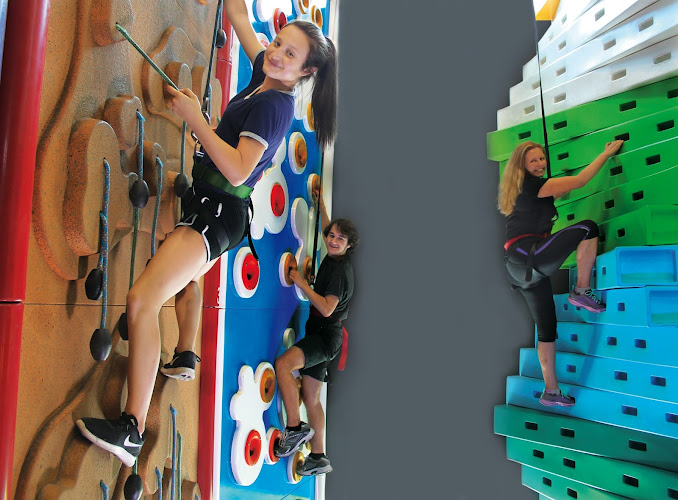
Escalade Clip 'n Climb Laval
Find Accommodations Nearby
Recommended Tours & Activities
Visitor Reviews
There are no reviews yet. Be the first one to write one.
Share Your Experience
Have you visited Parc de la Rivière-des-Mille-Îles? Help other travelers by leaving a review.