Tourist attraction 4.0 Ajmer, IndiaCommunity Guide

Colosseum Of Rome, Ajmer

FJP9+J5M, Vaishali Nagar, Ajmer, Rajasthan 305004, India

Colosseum Of Rome, Ajmer
83 Photos

About & Overview

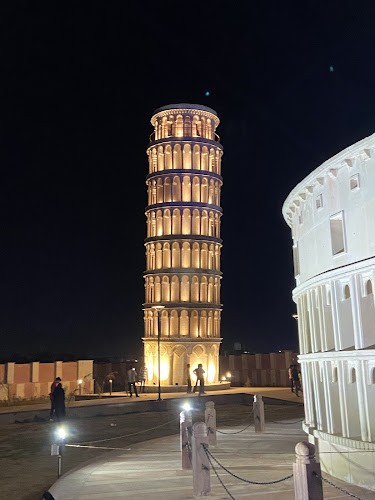
Tucked into Vaishali Nagar in Ajmer, the Colosseum Of Rome, Ajmer is an unexpected slice of European-inspired architecture in the heart of Rajasthan. Built as a themed venue that borrows design cues from the iconic Roman amphitheatre, it blends arched facades, columned walkways and layered stonework to create an atmospheric setting that contrasts with Ajmer’s traditional Mughal and Rajput monuments. Locally popular for photography, small events and casual sightseeing, the site has become a curious stop for travelers who want something different from the city’s spiritual and historic landmarks. Visiting offers a playful chance to stroll through a miniaturized, stylized take on classical architecture, capture dramatic photos, and enjoy nearby cafes and streets of Vaishali Nagar. It’s particularly appealing for visitors short on time who want to add variety to an Ajmer itinerary β€” pairing easily with a trip to Ajmer Sharif or Taragarh Fort β€” and for families, couples and influencers seeking photogenic backdrops. The Colosseum Of Rome, Ajmer is not an ancient ruin but a modern local attraction that celebrates architectural mimicry and lively urban culture.

Highlights & Key Features

  • European/Roman-inspired architecture with arches and columns
  • Photogenic facades and layered stonework ideal for photography
  • Convenient urban location in Vaishali Nagar, Ajmer
  • Popular spot for small events, gatherings and casual visits
  • Close to cafes, shops and other Ajmer attractions

Visitor Guide & Information

The Colosseum of Rome in Ajmer stands as one of those fascinating places that catches you off guard when you’re exploring Rajasthan. Most travelers head to Ajmer for the famous Dargah Sharif, but this architectural gem offers something entirely different – a slice of ancient Rome recreated in the heart of India. And honestly, it’s quite the sight to behold.

I remember the first time I heard about this place, I thought someone was pulling my leg. A Roman Colosseum replica in Ajmer? But sure enough, this tourist attraction exists and has become increasingly popular among families and history enthusiasts who want to experience a different kind of architectural wonder without boarding a flight to Italy.

The structure mimics the iconic amphitheater design of Rome’s legendary Colosseum, complete with arched entrances and tiered seating arrangements. It’s not an exact replica mind you, but the inspiration is unmistakable. What makes this place particularly interesting is how it blends Roman architectural elements with local construction techniques and materials, creating something that’s both familiar and uniquely Indian at the same time.

Visitors often find themselves pleasantly surprised by the attention to detail in the construction. The circular design, the strategic placement of arches, and the overall grandeur of the structure make it an excellent spot for photography enthusiasts. Families particularly enjoy bringing their children here because it offers an educational experience without feeling like a boring history lesson. Kids can run around, explore the different levels, and get a taste of ancient architecture in a safe, accessible environment.

The atmosphere around the Colosseum carries a certain charm that’s hard to describe. It’s not as crowded as some of Ajmer’s more famous religious sites, which means you can actually take your time exploring without feeling rushed or overwhelmed by masses of tourists. This relative tranquility makes it an ideal spot for those seeking a more relaxed sightseeing experience.

Key Features

The Colosseum of Rome in Ajmer offers several distinctive characteristics that make it worth adding to your travel itinerary:

β€’ Architectural replica design inspired by Rome’s ancient amphitheater, featuring multiple arched entrances and classical Roman styling elements
β€’ Family-friendly environment with open spaces perfect for children to explore and learn about historical architecture
β€’ Excellent photography opportunities with unique backdrops that blend Roman and Indian architectural influences
β€’ Multiple levels and tiers providing different vantage points for viewing the structure and surrounding areas
β€’ Less crowded compared to other major Ajmer attractions, allowing for peaceful exploration
β€’ Educational value for visitors of all ages interested in architecture and historical design
β€’ Safe environment for families with young children who can move around freely
β€’ Distinctive circular design with impressive stonework and construction details
β€’ Open-air layout that provides natural lighting for daytime visits
β€’ Local interpretation of classical Roman architecture creating a unique cultural fusion

Best Time to Visit

Timing your visit to the Colosseum of Rome in Ajmer can make a significant difference in your overall experience. The weather in Rajasthan can be pretty extreme, so choosing the right season matters more than you might think.

October through March represents the ideal window for visiting. During these months, temperatures remain comfortable, usually ranging between 10 to 25 degrees Celsius. You won’t be dealing with the scorching heat that characterizes Rajasthan’s summer months, and you can actually enjoy exploring the structure without feeling like you’re melting.

Winter mornings in Ajmer can be particularly lovely. The crisp air and soft morning light create perfect conditions for photography, and you’ll find the stone structure bathed in beautiful golden hues during sunrise hours. If you’re someone who enjoys early morning outings, aim for arrival around 7 or 8 AM when the temperature is cool and crowds are minimal.

But I’d suggest avoiding April through June unless you really don’t mind heat. Temperatures during these months can soar above 40 degrees Celsius, and since the Colosseum is largely an open-air structure without much shade, you’ll be directly exposed to the sun. Not exactly ideal for extended exploration, especially if you’re traveling with children.

The monsoon season from July to September brings its own considerations. While rainfall cools things down considerably, the structure can become slippery, and there’s always the chance your visit might get interrupted by sudden downpours. However, if you don’t mind a bit of unpredictability and enjoy the fresh, rain-washed atmosphere, this season has its own appeal.

Weekdays generally see fewer visitors than weekends, so if you prefer a quieter experience, plan your visit for a Tuesday or Wednesday. Local holidays and festival periods can bring larger crowds, so checking the calendar beforehand helps with planning.

How to Get There

Reaching the Colosseum of Rome in Ajmer is relatively straightforward once you understand the city’s layout and available transportation options.

If you’re coming from outside Ajmer, the city is well-connected by rail and road to major destinations across Rajasthan and India. Ajmer Junction railway station serves as a major hub, with trains arriving from Delhi, Jaipur, Mumbai, and other significant cities. From the railway station, the Colosseum is accessible via local transportation.

For air travelers, the nearest airport is Kishangarh Airport, located approximately 25 kilometers from Ajmer city center. This small but functional airport has regular flights connecting to major Indian cities. From the airport, you can hire a taxi or arrange for a pre-booked car to reach the attraction.

Within Ajmer itself, auto-rickshaws remain the most popular and convenient mode of local transport. These three-wheeled vehicles are everywhere, and drivers generally know the major tourist spots. Just make sure to negotiate the fare before starting your journey or insist on using the meter. A trip from central Ajmer shouldn’t cost too much, though prices fluctuate based on distance and time of day.

Taxi services and app-based ride options are also available in Ajmer, offering more comfort if you’re traveling with family or carrying luggage. These options cost more than auto-rickshaws but provide air-conditioned comfort and more space.

For the more adventurous travelers, renting a bicycle or motorcycle gives you complete freedom to explore at your own pace. Several rental shops operate near the city center and railway station. This option works particularly well during the cooler months when riding becomes enjoyable rather than exhausting.

If you’re already touring Ajmer’s other attractions, consider hiring a vehicle for the entire day. This approach often proves more economical and convenient than arranging separate transportation for each location.

Tips for Visiting

Getting the most out of your visit to the Colosseum of Rome in Ajmer requires some practical planning and local knowledge that guidebooks don’t always cover.

Wear comfortable walking shoes because you’ll be doing quite a bit of exploring on foot. The stone surfaces can be uneven in places, and you’ll want proper footwear to navigate the different levels safely. Sandals might seem tempting in warm weather, but closed shoes offer better protection and support.

Bring water bottles, especially during warmer months. There aren’t always vendors immediately nearby, and staying hydrated makes a huge difference in how much you enjoy your visit. And speaking from personal experience, dehydration can turn an exciting exploration into a miserable ordeal pretty quickly.

Sun protection is non-negotiable. Pack sunscreen, hats, and sunglasses because shade isn’t abundant throughout the structure. The open design means you’re exposed to direct sunlight for extended periods, and Rajasthan’s sun is no joke even during winter months.

Photography enthusiasts should arrive during golden hours – early morning or late afternoon – when natural lighting creates the most dramatic effects on the stone architecture. The warm, angled light during these times makes ordinary photos look professional.

If you’re visiting with children, bring some snacks and perhaps a small first-aid kit. Kids often need energy boosts during exploration, and having basic medical supplies for minor scrapes or insect bites provides peace of mind. The family-friendly environment makes it great for kids, but they’re still kids and accidents happen.

Check with locals or your hotel about any special events or maintenance schedules that might affect access. Sometimes portions of tourist attractions undergo restoration work, and knowing this beforehand prevents disappointment.

Dress modestly and comfortably. While the Colosseum itself doesn’t have strict dress codes like religious sites, you’re still in a conservative region of India. Comfortable, respectful clothing helps you blend in and shows consideration for local customs.

Consider combining your visit with other Ajmer attractions to make the most of your time in the city. The famous Dargah Sharif, Ana Sagar Lake, and Taragarh Fort are all worth exploring, and planning a full-day itinerary gives you a more complete Ajmer experience.

Don’t rush your visit. Unlike some tourist spots where you can snap a few photos and move on, the Colosseum rewards those who take time to explore different angles, levels, and perspectives. The structure reveals new details the longer you spend observing it.

Engage with any local guides who might be available, as they often share insights and historical context that enriches your understanding of the place. Their stories and explanations add depth to what might otherwise be just another photo opportunity.

Keep some cash handy for small purchases, tips, or unexpected expenses. While digital payments have become more common, cash remains king in many situations, particularly with auto-rickshaw drivers and small vendors.

Finally, manage your expectations appropriately. This isn’t the actual Roman Colosseum with thousands of years of history, but rather an architectural homage that offers its own unique charm and value. Approach it with curiosity and appreciation for what it is rather than comparing it unfavorably to the original.

Community & Insider Notes

Last modified March 30, 2026

Description

The Colosseum of Rome in Ajmer stands as one of those fascinating places that catches you off guard when you’re exploring Rajasthan. Most travelers head to Ajmer for the famous Dargah Sharif, but this architectural gem offers something entirely different – a slice of ancient Rome recreated in the heart of India. And honestly, it’s quite the sight to behold.

I remember the first time I heard about this place, I thought someone was pulling my leg. A Roman Colosseum replica in Ajmer? But sure enough, this tourist attraction exists and has become increasingly popular among families and history enthusiasts who want to experience a different kind of architectural wonder without boarding a flight to Italy.

The structure mimics the iconic amphitheater design of Rome’s legendary Colosseum, complete with arched entrances and tiered seating arrangements. It’s not an exact replica mind you, but the inspiration is unmistakable. What makes this place particularly interesting is how it blends Roman architectural elements with local construction techniques and materials, creating something that’s both familiar and uniquely Indian at the same time.

Visitors often find themselves pleasantly surprised by the attention to detail in the construction. The circular design, the strategic placement of arches, and the overall grandeur of the structure make it an excellent spot for photography enthusiasts. Families particularly enjoy bringing their children here because it offers an educational experience without feeling like a boring history lesson. Kids can run around, explore the different levels, and get a taste of ancient architecture in a safe, accessible environment.

The atmosphere around the Colosseum carries a certain charm that’s hard to describe. It’s not as crowded as some of Ajmer’s more famous religious sites, which means you can actually take your time exploring without feeling rushed or overwhelmed by masses of tourists. This relative tranquility makes it an ideal spot for those seeking a more relaxed sightseeing experience.

Key Features

The Colosseum of Rome in Ajmer offers several distinctive characteristics that make it worth adding to your travel itinerary:

β€’ Architectural replica design inspired by Rome’s ancient amphitheater, featuring multiple arched entrances and classical Roman styling elements
β€’ Family-friendly environment with open spaces perfect for children to explore and learn about historical architecture
β€’ Excellent photography opportunities with unique backdrops that blend Roman and Indian architectural influences
β€’ Multiple levels and tiers providing different vantage points for viewing the structure and surrounding areas
β€’ Less crowded compared to other major Ajmer attractions, allowing for peaceful exploration
β€’ Educational value for visitors of all ages interested in architecture and historical design
β€’ Safe environment for families with young children who can move around freely
β€’ Distinctive circular design with impressive stonework and construction details
β€’ Open-air layout that provides natural lighting for daytime visits
β€’ Local interpretation of classical Roman architecture creating a unique cultural fusion

Best Time to Visit

Timing your visit to the Colosseum of Rome in Ajmer can make a significant difference in your overall experience. The weather in Rajasthan can be pretty extreme, so choosing the right season matters more than you might think.

October through March represents the ideal window for visiting. During these months, temperatures remain comfortable, usually ranging between 10 to 25 degrees Celsius. You won’t be dealing with the scorching heat that characterizes Rajasthan’s summer months, and you can actually enjoy exploring the structure without feeling like you’re melting.

Winter mornings in Ajmer can be particularly lovely. The crisp air and soft morning light create perfect conditions for photography, and you’ll find the stone structure bathed in beautiful golden hues during sunrise hours. If you’re someone who enjoys early morning outings, aim for arrival around 7 or 8 AM when the temperature is cool and crowds are minimal.

But I’d suggest avoiding April through June unless you really don’t mind heat. Temperatures during these months can soar above 40 degrees Celsius, and since the Colosseum is largely an open-air structure without much shade, you’ll be directly exposed to the sun. Not exactly ideal for extended exploration, especially if you’re traveling with children.

The monsoon season from July to September brings its own considerations. While rainfall cools things down considerably, the structure can become slippery, and there’s always the chance your visit might get interrupted by sudden downpours. However, if you don’t mind a bit of unpredictability and enjoy the fresh, rain-washed atmosphere, this season has its own appeal.

Weekdays generally see fewer visitors than weekends, so if you prefer a quieter experience, plan your visit for a Tuesday or Wednesday. Local holidays and festival periods can bring larger crowds, so checking the calendar beforehand helps with planning.

How to Get There

Reaching the Colosseum of Rome in Ajmer is relatively straightforward once you understand the city’s layout and available transportation options.

If you’re coming from outside Ajmer, the city is well-connected by rail and road to major destinations across Rajasthan and India. Ajmer Junction railway station serves as a major hub, with trains arriving from Delhi, Jaipur, Mumbai, and other significant cities. From the railway station, the Colosseum is accessible via local transportation.

For air travelers, the nearest airport is Kishangarh Airport, located approximately 25 kilometers from Ajmer city center. This small but functional airport has regular flights connecting to major Indian cities. From the airport, you can hire a taxi or arrange for a pre-booked car to reach the attraction.

Within Ajmer itself, auto-rickshaws remain the most popular and convenient mode of local transport. These three-wheeled vehicles are everywhere, and drivers generally know the major tourist spots. Just make sure to negotiate the fare before starting your journey or insist on using the meter. A trip from central Ajmer shouldn’t cost too much, though prices fluctuate based on distance and time of day.

Taxi services and app-based ride options are also available in Ajmer, offering more comfort if you’re traveling with family or carrying luggage. These options cost more than auto-rickshaws but provide air-conditioned comfort and more space.

For the more adventurous travelers, renting a bicycle or motorcycle gives you complete freedom to explore at your own pace. Several rental shops operate near the city center and railway station. This option works particularly well during the cooler months when riding becomes enjoyable rather than exhausting.

If you’re already touring Ajmer’s other attractions, consider hiring a vehicle for the entire day. This approach often proves more economical and convenient than arranging separate transportation for each location.

Tips for Visiting

Getting the most out of your visit to the Colosseum of Rome in Ajmer requires some practical planning and local knowledge that guidebooks don’t always cover.

Wear comfortable walking shoes because you’ll be doing quite a bit of exploring on foot. The stone surfaces can be uneven in places, and you’ll want proper footwear to navigate the different levels safely. Sandals might seem tempting in warm weather, but closed shoes offer better protection and support.

Bring water bottles, especially during warmer months. There aren’t always vendors immediately nearby, and staying hydrated makes a huge difference in how much you enjoy your visit. And speaking from personal experience, dehydration can turn an exciting exploration into a miserable ordeal pretty quickly.

Sun protection is non-negotiable. Pack sunscreen, hats, and sunglasses because shade isn’t abundant throughout the structure. The open design means you’re exposed to direct sunlight for extended periods, and Rajasthan’s sun is no joke even during winter months.

Photography enthusiasts should arrive during golden hours – early morning or late afternoon – when natural lighting creates the most dramatic effects on the stone architecture. The warm, angled light during these times makes ordinary photos look professional.

If you’re visiting with children, bring some snacks and perhaps a small first-aid kit. Kids often need energy boosts during exploration, and having basic medical supplies for minor scrapes or insect bites provides peace of mind. The family-friendly environment makes it great for kids, but they’re still kids and accidents happen.

Check with locals or your hotel about any special events or maintenance schedules that might affect access. Sometimes portions of tourist attractions undergo restoration work, and knowing this beforehand prevents disappointment.

Dress modestly and comfortably. While the Colosseum itself doesn’t have strict dress codes like religious sites, you’re still in a conservative region of India. Comfortable, respectful clothing helps you blend in and shows consideration for local customs.

Consider combining your visit with other Ajmer attractions to make the most of your time in the city. The famous Dargah Sharif, Ana Sagar Lake, and Taragarh Fort are all worth exploring, and planning a full-day itinerary gives you a more complete Ajmer experience.

Don’t rush your visit. Unlike some tourist spots where you can snap a few photos and move on, the Colosseum rewards those who take time to explore different angles, levels, and perspectives. The structure reveals new details the longer you spend observing it.

Engage with any local guides who might be available, as they often share insights and historical context that enriches your understanding of the place. Their stories and explanations add depth to what might otherwise be just another photo opportunity.

Keep some cash handy for small purchases, tips, or unexpected expenses. While digital payments have become more common, cash remains king in many situations, particularly with auto-rickshaw drivers and small vendors.

Finally, manage your expectations appropriately. This isn’t the actual Roman Colosseum with thousands of years of history, but rather an architectural homage that offers its own unique charm and value. Approach it with curiosity and appreciation for what it is rather than comparing it unfavorably to the original.

Key Highlights

  • European/Roman-inspired architecture with arches and columns
  • Photogenic facades and layered stonework ideal for photography
  • Convenient urban location in Vaishali Nagar, Ajmer
  • Popular spot for small events, gatherings and casual visits
  • Close to cafes, shops and other Ajmer attractions

Location

Places to Stay Near Colosseum Of Rome, Ajmer

Find and Book a Tour

Explore More Travel Guides

No reviews found! Be the first to review!

Select a Rating5 Stars4 Stars3 Stars2 Stars1 Star

Colosseum Of Rome, Ajmer is a prominent attractions located in Ajmer.

Visit us at: FJP9+J5M, Vaishali Nagar, Ajmer, Rajasthan 305004, India.

Find Places to Stay Nearby

Stay22 provides this accommodation search. We may earn a commission if you book through it; verify current prices and terms with the provider.

Recommended Experiences & Activities

GetYourGuide provides this tour inventory. We may earn a commission if you book through it; verify current availability, prices, and terms with the provider.

Top Viator Experiences & Guided Tours in Ajmer

We may earn a commission if you book through links on this page at no extra cost to you. All tours feature verified customer reviews and flexible cancellation options.

Traveler Reviews & Community Q&A

No traveler reviews yet. Share your experience below!

No traveler questions yet. Be the first to ask a local!

Real Journey Travels Community