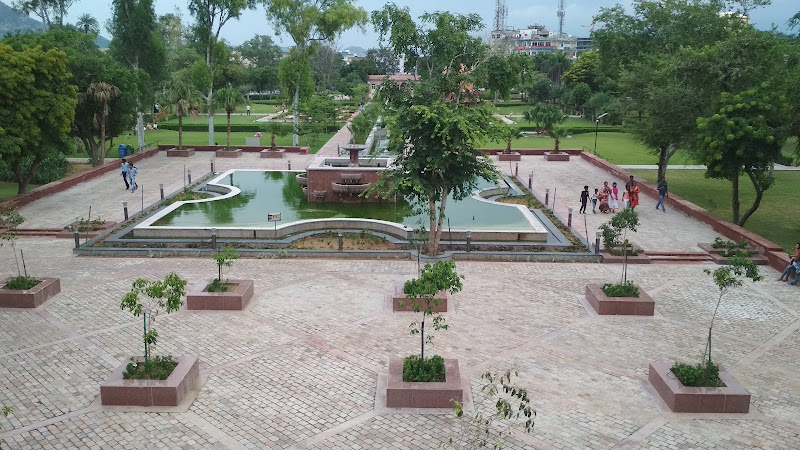
Subhash Udhyan stands as one of Ajmer’s most beloved green spaces, offering visitors a peaceful retreat from the city’s hustle while providing stunning views across Anasagar Lake. The park stretches along the lake’s edge, creating this beautiful combination of manicured gardens, walking paths, and waterfront scenery that honestly makes you forget you’re still within city limits. I’ve seen plenty of urban parks across India, and what strikes me about this place is how it manages to serve multiple purposes without feeling overcrowded or losing its charm.
The park features a prominent Shiva temple that draws both devotees and architecture enthusiasts throughout the day. And honestly, there’s something quite special about hearing temple bells while you’re walking along the lakeside promenade – it creates this uniquely Indian atmosphere that feels both spiritual and recreational at the same time. The fountains scattered throughout the grounds add visual interest and provide pleasant background sounds, especially during the evening hours when they’re illuminated.
What really sets Subhash Udhyan apart from other city parks is its accessibility and the sheer range of activities it accommodates. Families come here for birthday celebrations, fitness enthusiasts use the cycling lanes for their morning workouts, and elderly couples stroll along the promenade during sunset hours. The park doesn’t try to be exclusively one thing, and that’s actually its greatest strength. It’s genuinely designed with the community in mind, which you can see in everything from the wheelchair-accessible entrances to the dedicated dog park area.
The location right on Anasagar Lake’s edge gives the entire park this breezy, open feeling that’s hard to find in landlocked urban spaces. On clear days, the lake views are absolutely worth the visit alone. The park management has done a decent job maintaining the green spaces, though like many public parks in India, you’ll notice the upkeep varies depending on the season and time of your visit.
Key Features
- Expansive lakeside promenade offering panoramic views of Anasagar Lake with designated seating areas perfect for watching sunset reflections on the water
- Historic Shiva temple within the park grounds that combines spiritual significance with architectural interest for visitors seeking cultural experiences
- Multiple decorative fountains that create focal points throughout the landscape and provide excellent photo opportunities, particularly during evening illumination
- Dedicated cycling lanes that wind through the park, making it popular among local cyclists and visitors who want to explore on two wheels
- Well-equipped children’s playground featuring slides, swings, and other play equipment suitable for various age groups
- Skateboarding area that’s relatively uncommon in Indian parks, attracting younger visitors and creating an energetic atmosphere
- Dog park section where pet owners can let their furry companions exercise and socialize safely
- Barbecue grill facilities and picnic tables scattered throughout, making it ideal for family gatherings and birthday celebrations
- Comprehensive accessibility features including wheelchair-friendly entrances, parking lots, and pathways throughout the park
- Public restrooms and onsite service facilities that support extended visits without requiring guests to leave the premises
- Kid-friendly hiking trails that offer gentle exploration opportunities for families introducing young children to outdoor activities
- Payment flexibility with debit card acceptance for park services, which isn’t always guaranteed at public attractions
Best Time to Visit
The morning hours between 6 AM and 9 AM represent the absolute best time to experience Subhash Udhyan at its finest. Early risers will find the park at its most peaceful, with cooler temperatures and that soft morning light that photographers dream about. Local fitness enthusiasts dominate this time slot – you’ll see joggers, yoga practitioners, and cyclists making their rounds. There’s this wonderful energy in the air when everyone’s starting their day with exercise and fresh air.
But here’s the thing about visiting in the morning: the lake looks completely different compared to evening hours. The mist often hangs over Anasagar Lake during early hours, creating this almost mystical atmosphere that transforms the entire experience. And if you’re someone who likes capturing nature photography, this is your golden hour without question.
Evening visits between 4 PM and 7 PM offer a completely different vibe. Families arrive after school and work, the fountains get switched on, and the park takes on this more social character. The temperature drops to comfortable levels, especially during winter months, making it pleasant for extended stays. Sunset over the lake is genuinely spectacular – I won’t use overused words to describe it, but if you’re in Ajmer, you should absolutely experience it at least once.
Seasonal considerations matter significantly here. October through March provides the most comfortable weather for park visits, with pleasant temperatures and minimal rainfall. The winter months particularly shine because you can enjoy outdoor activities throughout the day without battling the intense Rajasthan heat. Summer months from April to June can be brutally hot, especially between 11 AM and 4 PM. If you’re visiting during summer, stick strictly to early morning or late evening hours.
Monsoon season brings its own charm from July to September, though the park can get muddy and some areas might be temporarily closed. The lake fills up beautifully during these months, and if you don’t mind occasional rain showers, the greenery becomes particularly lush and attractive.
Weekday visits typically offer more space and tranquility compared to weekends when local families flock to the park. However, weekend visits give you a better sense of how the community uses and enjoys this space, which has its own appeal for travelers wanting authentic local experiences.
How to Get There
Reaching Subhash Udhyan is relatively straightforward once you’re in Ajmer, though navigating the city’s streets requires some patience and local knowledge. The park sits on the eastern edge of the city, adjacent to Anasagar Lake, which serves as your primary landmark for navigation purposes.
For travelers arriving in Ajmer by train – which honestly is how most people reach the city – the park lies approximately 4 kilometers from Ajmer Junction railway station. Auto-rickshaws are your most convenient option from the station, and the ride typically takes 15-20 minutes depending on traffic conditions. Make sure you negotiate the fare before departure or insist on using the meter. Expect to pay somewhere between 80-150 rupees for this journey, though prices fluctuate based on time of day and your bargaining skills.
If you’re coming from the famous Ajmer Sharif Dargah, the distance is roughly 3 kilometers. Many visitors combine these two attractions in a single day, which makes perfect sense logistically. Auto-rickshaws remain your best bet for this route as well.
Local buses do service the area around Anasagar Lake, though routes can be confusing for first-time visitors. The Rajasthan State Road Transport Corporation operates these services, and asking locals for the specific bus number to Anasagar or Subhash Udhyan will generally get you helpful responses. Bus travel is certainly the most economical option, costing just a few rupees, but requires more time and navigation confidence.
For those driving personal vehicles or rental cars, parking facilities are available near the park entrance. The wheelchair-accessible parking lot makes things easier for visitors with mobility considerations. Just be prepared for limited parking space during peak weekend hours and holidays.
Cycling to the park is becoming increasingly popular among environmentally conscious visitors and those staying in nearby accommodations. The roads leading to the lake area aren’t specifically designed as cycling routes, so you’ll need to be comfortable navigating alongside regular traffic.
App-based taxi services like Ola and Uber operate in Ajmer, though availability can be spotty compared to larger metropolitan cities. When these services are available, they offer the most hassle-free transportation option with transparent pricing and GPS navigation.
Tips for Visiting
Bringing your own water bottles is absolutely essential, particularly during warmer months. While the park has facilities, staying hydrated throughout your visit makes the experience far more enjoyable. And trust me on this – Rajasthan’s dry climate dehydrates you faster than you’d expect.
The park’s barbecue facilities sound great on paper, but verify current regulations and availability before planning a cookout. Rules about open flames and food preparation can change, and you don’t want to haul grilling equipment only to discover restrictions you weren’t aware of. Calling ahead or checking with park authorities makes sense if you’re planning something elaborate.
Footwear matters more than you might think. The park covers substantial ground, and if you’re planning to walk the full promenade and explore different sections, comfortable walking shoes beat fashionable footwear every time. The terrain is generally well-maintained but not uniformly smooth everywhere.
Pet owners will appreciate the dog park, but bringing waste disposal bags and keeping your pets leashed outside designated areas shows respect for other visitors and park regulations. The dog-friendly aspect is genuinely a nice feature, though supervision remains important since not all visitors are comfortable around animals.
Photography enthusiasts should bring appropriate equipment based on their visit timing. Morning mist shots require different camera settings than golden hour lake reflections. The fountains, temple architecture, and lake views all offer excellent photo subjects, but being mindful of privacy when photographing people – particularly at the temple area – demonstrates cultural sensitivity.
Food and snacks are allowed, making picnics entirely feasible. However, disposing of waste properly is crucial. While public restrooms and waste bins exist, the cleanliness level depends partly on visitor behavior. Carrying a small trash bag for your own waste until you find proper disposal points helps maintain the park’s appeal.
The temple within the park deserves respectful behavior and appropriate dress. While the park itself is casual, covering shoulders and avoiding shorts when entering the temple area shows cultural awareness. Removing shoes before entering temple premises is mandatory.
Cash comes in handy despite the park accepting debit cards for some services. Small vendors outside the park or minor purchases often require cash, and ATMs aren’t necessarily within immediate walking distance.
Sunscreen and hats provide essential protection, especially during midday visits. The lakeside location means less natural shade in certain sections, and sunburn can develop quickly in Rajasthan’s strong sunlight.
If you’re visiting specifically for children’s activities, arriving slightly earlier than peak family hours gives kids better access to playground equipment and skateboarding areas without long waits. Birthday celebrations are popular here, so weekends can see multiple parties happening simultaneously.
The cycling lanes attract both serious cyclists and casual riders. If you’re not an experienced cyclist, staying aware of your surroundings and yielding to faster riders prevents collisions and frustration.
Monsoon visitors should check weather forecasts and be prepared to adjust plans if heavy rainfall is predicted. The park experience changes considerably during rain, and while some find it charming, others prefer dry conditions.
Local vendors often gather near park entrances selling snacks, drinks, and small toys. These can be convenient, though prices are typically higher than shops further from tourist areas. A bit of friendly bargaining is expected and accepted.
Taking time to simply sit by the lake and observe local life provides insights no guidebook can offer. You’ll see families celebrating, couples spending quiet moments together, and elderly residents taking their daily constitutional. These observations capture the park’s role in community life far better than rushed visits focused solely on checking off attractions.
 Real Journey Travels