About Chocolate Museum

Description

The Chocolate Museum offers visitors an immersive journey into the fascinating world of chocolate, from its ancient origins to modern-day production techniques. This isn't just your typical museum experience where you stare at displays behind glass—it's an interactive adventure that engages all your senses. I've always believed that the best museums are the ones where you can actually participate, and this place definitely delivers on that front. What makes this destination particularly special is its dual nature as both an educational institution and a working chocolate shop. You'll find yourself walking through exhibits that trace chocolate's history spanning thousands of years, while the aroma of freshly made confections fills the air around you. And let me tell you, that smell alone is worth the price of admission. The museum strikes a wonderful balance between teaching visitors about chocolate's cultural significance and letting them enjoy the delicious end product. The facility welcomes families with open arms, making it an ideal stop for travelers with children who might be getting tired of traditional historical sites. Kids get genuinely excited here because they're learning about something they actually care about—candy! But don't let that fool you into thinking this is just a children's attraction. Adults will find themselves equally captivated by the complex history of cacao cultivation, the intricate chemistry behind tempering chocolate, and the craftsmanship involved in creating artisanal confections. One thing that impressed me about this place is its commitment to accessibility. The entrance accommodates wheelchair users, ensuring that everyone can experience what the museum has to offer. They've also included gender-neutral restrooms, which shows they're thinking about all their visitors' needs. Though you won't find a full restaurant on site, the chocolate shop more than makes up for it with plenty of sweet treats to sample and purchase.

Key Features

The Chocolate Museum distinguishes itself through several remarkable offerings that set it apart from other tourist attractions: • Live demonstrations showing professional chocolatiers at work, where you can watch the transformation of raw ingredients into beautiful finished products right before your eyes • Hands-on workshops where visitors can try their hand at creating their own chocolate treats under expert guidance • Historical exhibits detailing chocolate's journey from ancient Mesoamerican civilizations to European courts and eventually to mass production • An extensive collection of antique chocolate-making equipment and vintage advertising materials that design enthusiasts will absolutely love • Tasting opportunities featuring various chocolate types from different regions around the world • A fully stocked chocolate shop where you can purchase handcrafted confections, many made right on the premises • Interactive displays that explain the science behind chocolate production in ways that are engaging for both kids and adults • Educational programs designed specifically for younger visitors, making learning about chocolate history genuinely fun rather than feeling like a school field trip • Seasonal exhibits and rotating displays that give repeat visitors something new to discover on subsequent visits • Artisan demonstrations showcasing traditional chocolate-making techniques that have been passed down through generations

Best Time to Visit

Timing your visit to the Chocolate Museum can really make a difference in your overall experience. Here's something most travel guides won't tell you—weekday mornings are absolutely golden. You'll avoid the weekend crowds and have more personal interaction with staff members who can answer your questions without rushing off to help fifty other people. If you're traveling during summer months, keep in mind that this becomes a popular refuge for families looking for indoor activities. The museum can get pretty packed between June and August, especially on rainy days when outdoor plans get cancelled. But that's not necessarily a bad thing—there's a certain energy that comes with a bustling museum full of excited chocolate lovers. For the best workshop availability, I'd recommend visiting during spring or fall. These shoulder seasons offer moderate temperatures and fewer tourists overall, which means you'll have better chances of securing spots in the hands-on chocolate-making sessions. These workshops are incredibly popular and booking in advance is definitely recommended—sometimes they fill up weeks ahead of time. Winter visits hold their own charm, particularly around the holidays. The museum often features special seasonal displays and limited-edition confections that you won't find during other times of the year. Plus, there's something particularly cozy about learning about hot chocolate's history while it's cold outside. Just be aware that the weeks leading up to Christmas can get absolutely mobbed with gift shoppers. Weather doesn't impact your visit much since everything happens indoors, which makes this an excellent backup plan when unexpected rain ruins your outdoor excursions. However, summer heat can affect your chocolate purchases—those handcrafted truffles won't survive long in a hot car, so plan accordingly.

How to Get There

Getting to the Chocolate Museum requires a bit of planning, but it's definitely manageable for most travelers. The museum's urban location makes it accessible through various transportation methods, though each comes with its own considerations. If you're driving, be prepared for paid street parking situations. This isn't the kind of place with a massive parking lot out front. You'll need to hunt for spots along nearby streets and feed the meter, so bring coins or have a parking app ready on your phone. My advice? Factor in an extra fifteen minutes before your planned arrival time just for parking hassles. Nothing's worse than rushing into a museum stressed out because you couldn't find a spot. Public transportation actually works pretty well for reaching this attraction. Most cities with chocolate museums have decent transit systems, and you'll typically find bus routes or metro stations within reasonable walking distance. The exercise will help you justify all the chocolate samples you're about to consume—trust me on this one. For travelers staying in downtown hotels, walking might be your best bet depending on distance. There's something nice about strolling through city streets with chocolate on your mind, building up anticipation for what you're about to experience. Plus, you won't have to worry about parking or navigating unfamiliar public transit routes. Ride-sharing services like Uber or Lyft offer convenient drop-off and pick-up options. This works particularly well if you're planning to buy lots of chocolate gifts—you won't have to carry heavy bags through crowded streets or on buses. Just remember that ride-share prices can surge during peak hours and popular events. Many tour companies include the Chocolate Museum as part of broader city tours. If you're the type who prefers organized experiences, this might be worth considering. You'll get transportation handled plus context about how the museum fits into the city's broader cultural landscape.

Tips for Visiting

Let me share some practical advice that'll make your Chocolate Museum visit smoother and more enjoyable. First things first—buy your tickets online ahead of time. Seriously, don't skip this step. The museum recommends advance booking for good reason, and you'll kick yourself if you show up only to find out that day's slots are completely sold out. Arrive with an empty stomach. I know that sounds obvious, but you'd be surprised how many people show up right after lunch and then regret it when faced with endless sampling opportunities. The museum experience is significantly enhanced when you can fully appreciate all those tastings without feeling stuffed. Dress comfortably and in layers. Museum temperatures can vary between different areas, especially near demonstration kitchens where it gets warmer. You'll be doing a fair bit of walking, so save the fancy uncomfortable shoes for dinner later. Budget extra money for the gift shop. Everyone says they won't buy anything, and everyone leaves with bags of chocolate. It's basically inevitable. The handcrafted items make genuinely great gifts, and you'll want souvenirs for yourself too. Set aside more than you think you'll need—this prevents that awkward moment of having to choose between truffles because your budget ran out. Photography policies vary, so check current rules before your visit. Some areas allow photos while demonstration areas might have restrictions. Nothing's more embarrassing than getting scolded by museum staff for Instagram shots in restricted zones. If you're visiting with kids, hit the interactive exhibits first while they're fresh and attentive. Save the more lecture-style historical sections for later, or honestly, you might skip some of them entirely if little ones are getting restless. There's no shame in tailoring your experience to your group's needs. The live demonstrations follow schedules, so grab a program when you enter and plan your route accordingly. Missing the chocolatier demonstration because you were still reading about cacao cultivation in another gallery is a real bummer. Wear dark clothing if you're participating in workshops. Chocolate has a way of ending up where it shouldn't, and stains show up terribly on light fabrics. This is wisdom earned through experience, unfortunately. Don't rush through the experience. Set aside at least two to three hours for a thorough visit, more if you're doing workshops. This isn't a quick stop—it's a full experience that deserves proper time and attention. Ask questions. The staff members are usually passionate chocolate enthusiasts who love sharing knowledge. They can offer insights and recommendations that you won't find on any placard or audio guide. Finally, consider visiting twice if you're staying in the area for several days. Your first visit might be overwhelming with so much to see and learn. A second trip lets you focus on aspects you found most interesting and maybe try workshops you missed the first time around. Plus, you know, more chocolate samples.

Key Features

  • Interactive guided tours explaining cocoa history and chocolate-making
  • Hands-on workshops where visitors make their own chocolate bars
  • Tasting sessions featuring a variety of chocolates
  • Displays of historical packaging, tools and chocolate memorabilia
  • Family-friendly activities including children’s chef hats and aprons

More Details

Updated March 30, 2026

Description

The Chocolate Museum offers visitors an immersive journey into the fascinating world of chocolate, from its ancient origins to modern-day production techniques. This isn’t just your typical museum experience where you stare at displays behind glass—it’s an interactive adventure that engages all your senses. I’ve always believed that the best museums are the ones where you can actually participate, and this place definitely delivers on that front.

What makes this destination particularly special is its dual nature as both an educational institution and a working chocolate shop. You’ll find yourself walking through exhibits that trace chocolate’s history spanning thousands of years, while the aroma of freshly made confections fills the air around you. And let me tell you, that smell alone is worth the price of admission. The museum strikes a wonderful balance between teaching visitors about chocolate’s cultural significance and letting them enjoy the delicious end product.

The facility welcomes families with open arms, making it an ideal stop for travelers with children who might be getting tired of traditional historical sites. Kids get genuinely excited here because they’re learning about something they actually care about—candy! But don’t let that fool you into thinking this is just a children’s attraction. Adults will find themselves equally captivated by the complex history of cacao cultivation, the intricate chemistry behind tempering chocolate, and the craftsmanship involved in creating artisanal confections.

One thing that impressed me about this place is its commitment to accessibility. The entrance accommodates wheelchair users, ensuring that everyone can experience what the museum has to offer. They’ve also included gender-neutral restrooms, which shows they’re thinking about all their visitors’ needs. Though you won’t find a full restaurant on site, the chocolate shop more than makes up for it with plenty of sweet treats to sample and purchase.

Key Features

The Chocolate Museum distinguishes itself through several remarkable offerings that set it apart from other tourist attractions:

• Live demonstrations showing professional chocolatiers at work, where you can watch the transformation of raw ingredients into beautiful finished products right before your eyes

• Hands-on workshops where visitors can try their hand at creating their own chocolate treats under expert guidance

• Historical exhibits detailing chocolate’s journey from ancient Mesoamerican civilizations to European courts and eventually to mass production

• An extensive collection of antique chocolate-making equipment and vintage advertising materials that design enthusiasts will absolutely love

• Tasting opportunities featuring various chocolate types from different regions around the world

• A fully stocked chocolate shop where you can purchase handcrafted confections, many made right on the premises

• Interactive displays that explain the science behind chocolate production in ways that are engaging for both kids and adults

• Educational programs designed specifically for younger visitors, making learning about chocolate history genuinely fun rather than feeling like a school field trip

• Seasonal exhibits and rotating displays that give repeat visitors something new to discover on subsequent visits

• Artisan demonstrations showcasing traditional chocolate-making techniques that have been passed down through generations

Best Time to Visit

Timing your visit to the Chocolate Museum can really make a difference in your overall experience. Here’s something most travel guides won’t tell you—weekday mornings are absolutely golden. You’ll avoid the weekend crowds and have more personal interaction with staff members who can answer your questions without rushing off to help fifty other people.

If you’re traveling during summer months, keep in mind that this becomes a popular refuge for families looking for indoor activities. The museum can get pretty packed between June and August, especially on rainy days when outdoor plans get cancelled. But that’s not necessarily a bad thing—there’s a certain energy that comes with a bustling museum full of excited chocolate lovers.

For the best workshop availability, I’d recommend visiting during spring or fall. These shoulder seasons offer moderate temperatures and fewer tourists overall, which means you’ll have better chances of securing spots in the hands-on chocolate-making sessions. These workshops are incredibly popular and booking in advance is definitely recommended—sometimes they fill up weeks ahead of time.

Winter visits hold their own charm, particularly around the holidays. The museum often features special seasonal displays and limited-edition confections that you won’t find during other times of the year. Plus, there’s something particularly cozy about learning about hot chocolate’s history while it’s cold outside. Just be aware that the weeks leading up to Christmas can get absolutely mobbed with gift shoppers.

Weather doesn’t impact your visit much since everything happens indoors, which makes this an excellent backup plan when unexpected rain ruins your outdoor excursions. However, summer heat can affect your chocolate purchases—those handcrafted truffles won’t survive long in a hot car, so plan accordingly.

How to Get There

Getting to the Chocolate Museum requires a bit of planning, but it’s definitely manageable for most travelers. The museum’s urban location makes it accessible through various transportation methods, though each comes with its own considerations.

If you’re driving, be prepared for paid street parking situations. This isn’t the kind of place with a massive parking lot out front. You’ll need to hunt for spots along nearby streets and feed the meter, so bring coins or have a parking app ready on your phone. My advice? Factor in an extra fifteen minutes before your planned arrival time just for parking hassles. Nothing’s worse than rushing into a museum stressed out because you couldn’t find a spot.

Public transportation actually works pretty well for reaching this attraction. Most cities with chocolate museums have decent transit systems, and you’ll typically find bus routes or metro stations within reasonable walking distance. The exercise will help you justify all the chocolate samples you’re about to consume—trust me on this one.

For travelers staying in downtown hotels, walking might be your best bet depending on distance. There’s something nice about strolling through city streets with chocolate on your mind, building up anticipation for what you’re about to experience. Plus, you won’t have to worry about parking or navigating unfamiliar public transit routes.

Ride-sharing services like Uber or Lyft offer convenient drop-off and pick-up options. This works particularly well if you’re planning to buy lots of chocolate gifts—you won’t have to carry heavy bags through crowded streets or on buses. Just remember that ride-share prices can surge during peak hours and popular events.

Many tour companies include the Chocolate Museum as part of broader city tours. If you’re the type who prefers organized experiences, this might be worth considering. You’ll get transportation handled plus context about how the museum fits into the city’s broader cultural landscape.

Tips for Visiting

Let me share some practical advice that’ll make your Chocolate Museum visit smoother and more enjoyable. First things first—buy your tickets online ahead of time. Seriously, don’t skip this step. The museum recommends advance booking for good reason, and you’ll kick yourself if you show up only to find out that day’s slots are completely sold out.

Arrive with an empty stomach. I know that sounds obvious, but you’d be surprised how many people show up right after lunch and then regret it when faced with endless sampling opportunities. The museum experience is significantly enhanced when you can fully appreciate all those tastings without feeling stuffed.

Dress comfortably and in layers. Museum temperatures can vary between different areas, especially near demonstration kitchens where it gets warmer. You’ll be doing a fair bit of walking, so save the fancy uncomfortable shoes for dinner later.

Budget extra money for the gift shop. Everyone says they won’t buy anything, and everyone leaves with bags of chocolate. It’s basically inevitable. The handcrafted items make genuinely great gifts, and you’ll want souvenirs for yourself too. Set aside more than you think you’ll need—this prevents that awkward moment of having to choose between truffles because your budget ran out.

Photography policies vary, so check current rules before your visit. Some areas allow photos while demonstration areas might have restrictions. Nothing’s more embarrassing than getting scolded by museum staff for Instagram shots in restricted zones.

If you’re visiting with kids, hit the interactive exhibits first while they’re fresh and attentive. Save the more lecture-style historical sections for later, or honestly, you might skip some of them entirely if little ones are getting restless. There’s no shame in tailoring your experience to your group’s needs.

The live demonstrations follow schedules, so grab a program when you enter and plan your route accordingly. Missing the chocolatier demonstration because you were still reading about cacao cultivation in another gallery is a real bummer.

Wear dark clothing if you’re participating in workshops. Chocolate has a way of ending up where it shouldn’t, and stains show up terribly on light fabrics. This is wisdom earned through experience, unfortunately.

Don’t rush through the experience. Set aside at least two to three hours for a thorough visit, more if you’re doing workshops. This isn’t a quick stop—it’s a full experience that deserves proper time and attention.

Ask questions. The staff members are usually passionate chocolate enthusiasts who love sharing knowledge. They can offer insights and recommendations that you won’t find on any placard or audio guide.

Finally, consider visiting twice if you’re staying in the area for several days. Your first visit might be overwhelming with so much to see and learn. A second trip lets you focus on aspects you found most interesting and maybe try workshops you missed the first time around. Plus, you know, more chocolate samples.

Key Highlights

  • Interactive guided tours explaining cocoa history and chocolate-making
  • Hands-on workshops where visitors make their own chocolate bars
  • Tasting sessions featuring a variety of chocolates
  • Displays of historical packaging, tools and chocolate memorabilia
  • Family-friendly activities including children’s chef hats and aprons

Location

Places to Stay Near Chocolate Museum

Find and Book a Tour

Explore More Travel Guides

No reviews found! Be the first to review!

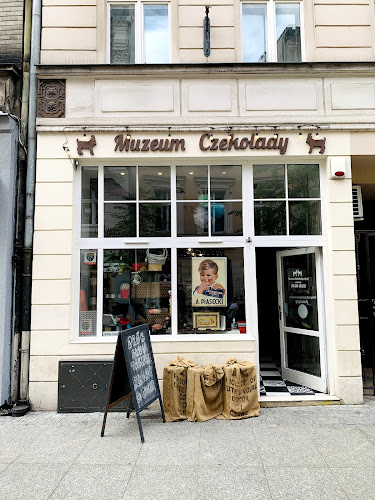
Chocolate Museum is a prominent museums located in Poznań.

Visit us at: Wrocławska 12, 61-838 Poznań, Poland.

Traveler Reviews for Chocolate Museum

There are no reviews yet. Be the first one to write one.

Share Your Experience

Have you visited Chocolate Museum? Help other travelers by sharing your review.

Nearby Attractions

Poznań Old Market Square (Stary Rynek) Imperial Castle (Zamek Cesarski) National Museum in Poznań

Find Accommodations Nearby

Recommended Tours & Activities

Visitor Reviews

There are no reviews yet. Be the first one to write one.

Share Your Experience

Have you visited Chocolate Museum? Help other travelers by leaving a review.