About Museum of Armored Weapons

Description

The Museum of Armored Weapons stands as a remarkable testament to military engineering and the evolution of mechanized warfare throughout the 20th century. For travelers with even a passing interest in military history, this facility offers something genuinely special—an up-close look at the machines that changed the face of modern conflict. And honestly, you don't have to be a military buff to appreciate the sheer scale and engineering marvel these vehicles represent. What sets this museum apart from your typical military collection is the breadth of its holdings. We're talking tanks, armored personnel carriers, self-propelled artillery, and various support vehicles that saw action in conflicts ranging from World War II through more recent engagements. The collection doesn't just show you pictures in a book—these are real machines, many painstakingly restored to their former glory, sitting right there where you can walk around them and truly grasp their massive presence. I remember the first time I stood next to a Sherman tank at a museum years back, and it completely changed my perspective on what soldiers actually experienced. Photos just don't do justice to the weight, the armor thickness, or the claustrophobic reality of operating these beasts. The Museum of Armored Weapons delivers that same eye-opening experience, but on a much grander scale. The museum attracts families, history enthusiasts, veterans, and curious travelers alike. Children particularly seem fascinated by the imposing size of these vehicles, though the historical context provides plenty of food for thought for adult visitors too. The facility has earned a strong reputation among those who've visited, with the overwhelming majority finding it worth their time and entrance fee.

Key Features

The Museum of Armored Weapons offers several distinctive elements that make it a worthwhile stop on any traveler's itinerary:
  • Extensive Vehicle Collection: The museum houses an impressive array of armored fighting vehicles from multiple nations and conflicts, providing a comprehensive look at how military technology evolved throughout the 20th century. You'll find everything from lighter reconnaissance vehicles to heavy main battle tanks.
  • Accessible Design: The facility takes accessibility seriously, featuring wheelchair-accessible entrances, dedicated parking spaces, and restrooms designed for visitors with mobility challenges. This thoughtful approach means virtually anyone can enjoy the collection regardless of physical limitations.
  • Live Demonstrations: Perhaps one of the most exciting aspects visitors mention is the live performances and demonstrations. There's something visceral about hearing these machines roar to life—the ground literally shakes beneath your feet when a 50-ton tank fires up its engine.
  • Family-Friendly Environment: The museum has clearly been designed with families in mind. Children respond enthusiastically to the displays, and the layout allows for easy navigation even when you're herding kids from one exhibit to another.
  • Free Parking: In an era where parking fees seem to pop up everywhere, the museum offers complimentary parking, which is a nice touch that helps keep the overall cost of a visit reasonable.
  • Onsite Services: Staff members are available throughout the facility to answer questions and provide additional context about the vehicles and their histories. Their knowledge adds considerable depth to the self-guided experience.
  • Restroom Facilities: Clean, accessible restrooms are available on-site, which matters more than you'd think when you're planning a several-hour visit with family.

Best Time to Visit

Timing your visit to the Museum of Armored Weapons can significantly impact your experience. While the museum welcomes visitors year-round, certain periods offer distinct advantages depending on what you're looking for. Spring and fall typically provide the most comfortable weather conditions, especially since much of the collection may be housed outdoors or in semi-open structures. Walking among massive military vehicles under a mild autumn sun beats doing so in the sweltering heat of mid-summer or the bitter cold of January. That said, summer remains the most popular time for family visits, particularly during school vacation periods. If you're hoping to avoid crowds, weekday mornings during the school year offer the quietest experience. You'll have more space to photograph the vehicles without random strangers in your shots, and you can take your time reading the informational plaques without feeling rushed. But there's a tradeoff—live demonstrations and special events typically happen on weekends when attendance is higher. Weekend visits, particularly Saturday afternoons, tend to draw the largest crowds. Families dominate these time slots, and the atmosphere becomes more festival-like. For some travelers, this energy adds to the experience; for others seeking a more contemplative visit, it might prove distracting. Special event days featuring vehicle demonstrations or historical reenactments represent peak visiting times. These occasions offer something you won't see during regular hours, but expect parking to fill quickly and exhibits to be more crowded. If you're traveling specifically to see these events, arriving right when the museum opens gives you the best positioning. Weather considerations matter more here than at many indoor museums. Rain can put a damper on outdoor exhibits—literally—and extreme temperatures make extended outdoor viewing uncomfortable. Checking the forecast before your visit isn't just practical; it's essential for planning an enjoyable experience.

How to Get There

Reaching the Museum of Armored Weapons requires some planning, as these specialized facilities aren't typically located in downtown tourist districts. The museum's location means you'll likely need personal transportation or a rental car to visit comfortably. For those driving, the museum provides ample free parking, which is genuinely convenient and removes one common travel headache. The parking area can accommodate everything from compact cars to larger RVs, important since many visitors incorporate the museum into broader road trip itineraries. GPS navigation works reliably for finding the facility, though I'd recommend downloading offline maps as a backup. Some museum locations sit in areas where cell coverage can be spotty, and there's nothing quite as frustrating as losing your navigation signal when you're already committed to country roads. If you're relying on public transportation, options become more limited. The museum's location typically doesn't align well with bus routes or train stations, making rideshare services potentially your best bet if you don't have a car. However, this can get expensive, especially for the return trip. Some travelers have found success coordinating with taxi services in advance to arrange pickup at a scheduled time. For international visitors or those flying in specifically to see the museum, renting a car usually proves most practical. The freedom to explore at your own pace and potentially visit other nearby attractions makes the rental worthwhile. Plus, you're not at the mercy of rideshare availability in what might be a less densely populated area. Plan for the drive to take longer than GPS estimates if you're coming from a major city. Rural roads, lower speed limits, and the occasional wrong turn can add time. Building in an extra 20-30 minutes buffer prevents the stress of arriving right at opening time or missing a scheduled demonstration.

Tips for Visiting

Making the most of your Museum of Armored Weapons experience requires a bit of preparation and some insider knowledge that guidebooks don't always cover. Wear comfortable walking shoes—and I cannot stress this enough. You'll be on your feet for hours, potentially walking on uneven surfaces between outdoor exhibits. Those cute sandals or brand-new sneakers you're breaking in? Leave them at the hotel. Your feet will thank you. Bring water and snacks. The museum doesn't have a restaurant on site, and depending on the location, nearby dining options might be limited. Staying hydrated matters, particularly during warmer months when you're walking around metal objects that radiate heat. Many visitors pack a small cooler to leave in their car for a midday break. Photography enthusiasts should come prepared. These vehicles photograph beautifully, but lighting conditions vary. A versatile lens helps capture both detail shots and full vehicle frames. The metal surfaces can create challenging reflections in bright sunlight, so early morning or late afternoon visits often yield better photo opportunities. Don't rush through the exhibits. I've seen families blow through in 90 minutes and miss half of what makes the collection special. Budget at least three to four hours for a thorough visit, more if demonstrations are scheduled. The stories behind these machines deserve attention, and the informational displays contain fascinating details you'll miss if you're hurrying. Engage with the staff and volunteers. Many museums like this are staffed partly by military veterans or serious enthusiasts who possess encyclopedic knowledge about specific vehicles. Asking questions opens up conversations that transform a good visit into a memorable one. I once spent 20 minutes talking with a volunteer who'd actually operated one of the tanks on display during his service—that kind of firsthand perspective is priceless. Check for special events before your visit. Tank demonstrations, where vehicles are actually driven and sometimes fired, create unforgettable experiences. These events typically require advance tickets and may have limited availability, so planning ahead pays off. Consider visiting during shoulder season if you're flexible with timing. Early spring or late fall means fewer crowds, more personal attention from staff, and generally lower prices for nearby accommodations if you're making it an overnight trip. The museum is kid-friendly, but manage expectations with younger children. While the vehicles fascinate most kids, the experience is ultimately educational rather than entertainment-focused. Bringing along a snack reward system or planning breaks can help maintain enthusiasm through a full visit. Accessibility features are excellent here, but if you have specific mobility concerns, calling ahead helps ensure your needs are met. Staff can provide information about which areas might present challenges and suggest optimal routes through the collection. Budget for the gift shop. Museum stores at military facilities typically stock unique items you won't find elsewhere—model kits, books, military surplus items, and memorabilia. It's worth setting aside some spending money if you're a collector or looking for distinctive souvenirs.

Key Features

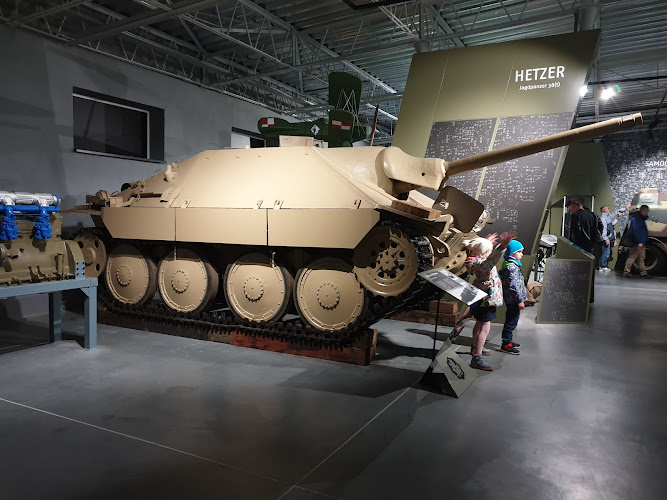
  • Large collection of tanks and armored vehicles spanning WWI–Cold War eras
  • Authentic setting within former military barracks and training grounds
  • Several unique and rare exhibits specific to Polish armored history
  • Pavilions with close-up viewing and tactile, mechanical atmosphere
  • Bilingual signage and curated narrative linking vehicles to historical events

More Details

Updated March 30, 2026

Description

The Museum of Armored Weapons stands as a remarkable testament to military engineering and the evolution of mechanized warfare throughout the 20th century. For travelers with even a passing interest in military history, this facility offers something genuinely special—an up-close look at the machines that changed the face of modern conflict. And honestly, you don’t have to be a military buff to appreciate the sheer scale and engineering marvel these vehicles represent.

What sets this museum apart from your typical military collection is the breadth of its holdings. We’re talking tanks, armored personnel carriers, self-propelled artillery, and various support vehicles that saw action in conflicts ranging from World War II through more recent engagements. The collection doesn’t just show you pictures in a book—these are real machines, many painstakingly restored to their former glory, sitting right there where you can walk around them and truly grasp their massive presence.

I remember the first time I stood next to a Sherman tank at a museum years back, and it completely changed my perspective on what soldiers actually experienced. Photos just don’t do justice to the weight, the armor thickness, or the claustrophobic reality of operating these beasts. The Museum of Armored Weapons delivers that same eye-opening experience, but on a much grander scale.

The museum attracts families, history enthusiasts, veterans, and curious travelers alike. Children particularly seem fascinated by the imposing size of these vehicles, though the historical context provides plenty of food for thought for adult visitors too. The facility has earned a strong reputation among those who’ve visited, with the overwhelming majority finding it worth their time and entrance fee.

Key Features

The Museum of Armored Weapons offers several distinctive elements that make it a worthwhile stop on any traveler’s itinerary:

  • Extensive Vehicle Collection: The museum houses an impressive array of armored fighting vehicles from multiple nations and conflicts, providing a comprehensive look at how military technology evolved throughout the 20th century. You’ll find everything from lighter reconnaissance vehicles to heavy main battle tanks.
  • Accessible Design: The facility takes accessibility seriously, featuring wheelchair-accessible entrances, dedicated parking spaces, and restrooms designed for visitors with mobility challenges. This thoughtful approach means virtually anyone can enjoy the collection regardless of physical limitations.
  • Live Demonstrations: Perhaps one of the most exciting aspects visitors mention is the live performances and demonstrations. There’s something visceral about hearing these machines roar to life—the ground literally shakes beneath your feet when a 50-ton tank fires up its engine.
  • Family-Friendly Environment: The museum has clearly been designed with families in mind. Children respond enthusiastically to the displays, and the layout allows for easy navigation even when you’re herding kids from one exhibit to another.
  • Free Parking: In an era where parking fees seem to pop up everywhere, the museum offers complimentary parking, which is a nice touch that helps keep the overall cost of a visit reasonable.
  • Onsite Services: Staff members are available throughout the facility to answer questions and provide additional context about the vehicles and their histories. Their knowledge adds considerable depth to the self-guided experience.
  • Restroom Facilities: Clean, accessible restrooms are available on-site, which matters more than you’d think when you’re planning a several-hour visit with family.

Best Time to Visit

Timing your visit to the Museum of Armored Weapons can significantly impact your experience. While the museum welcomes visitors year-round, certain periods offer distinct advantages depending on what you’re looking for.

Spring and fall typically provide the most comfortable weather conditions, especially since much of the collection may be housed outdoors or in semi-open structures. Walking among massive military vehicles under a mild autumn sun beats doing so in the sweltering heat of mid-summer or the bitter cold of January. That said, summer remains the most popular time for family visits, particularly during school vacation periods.

If you’re hoping to avoid crowds, weekday mornings during the school year offer the quietest experience. You’ll have more space to photograph the vehicles without random strangers in your shots, and you can take your time reading the informational plaques without feeling rushed. But there’s a tradeoff—live demonstrations and special events typically happen on weekends when attendance is higher.

Weekend visits, particularly Saturday afternoons, tend to draw the largest crowds. Families dominate these time slots, and the atmosphere becomes more festival-like. For some travelers, this energy adds to the experience; for others seeking a more contemplative visit, it might prove distracting.

Special event days featuring vehicle demonstrations or historical reenactments represent peak visiting times. These occasions offer something you won’t see during regular hours, but expect parking to fill quickly and exhibits to be more crowded. If you’re traveling specifically to see these events, arriving right when the museum opens gives you the best positioning.

Weather considerations matter more here than at many indoor museums. Rain can put a damper on outdoor exhibits—literally—and extreme temperatures make extended outdoor viewing uncomfortable. Checking the forecast before your visit isn’t just practical; it’s essential for planning an enjoyable experience.

How to Get There

Reaching the Museum of Armored Weapons requires some planning, as these specialized facilities aren’t typically located in downtown tourist districts. The museum’s location means you’ll likely need personal transportation or a rental car to visit comfortably.

For those driving, the museum provides ample free parking, which is genuinely convenient and removes one common travel headache. The parking area can accommodate everything from compact cars to larger RVs, important since many visitors incorporate the museum into broader road trip itineraries.

GPS navigation works reliably for finding the facility, though I’d recommend downloading offline maps as a backup. Some museum locations sit in areas where cell coverage can be spotty, and there’s nothing quite as frustrating as losing your navigation signal when you’re already committed to country roads.

If you’re relying on public transportation, options become more limited. The museum’s location typically doesn’t align well with bus routes or train stations, making rideshare services potentially your best bet if you don’t have a car. However, this can get expensive, especially for the return trip. Some travelers have found success coordinating with taxi services in advance to arrange pickup at a scheduled time.

For international visitors or those flying in specifically to see the museum, renting a car usually proves most practical. The freedom to explore at your own pace and potentially visit other nearby attractions makes the rental worthwhile. Plus, you’re not at the mercy of rideshare availability in what might be a less densely populated area.

Plan for the drive to take longer than GPS estimates if you’re coming from a major city. Rural roads, lower speed limits, and the occasional wrong turn can add time. Building in an extra 20-30 minutes buffer prevents the stress of arriving right at opening time or missing a scheduled demonstration.

Tips for Visiting

Making the most of your Museum of Armored Weapons experience requires a bit of preparation and some insider knowledge that guidebooks don’t always cover.

Wear comfortable walking shoes—and I cannot stress this enough. You’ll be on your feet for hours, potentially walking on uneven surfaces between outdoor exhibits. Those cute sandals or brand-new sneakers you’re breaking in? Leave them at the hotel. Your feet will thank you.

Bring water and snacks. The museum doesn’t have a restaurant on site, and depending on the location, nearby dining options might be limited. Staying hydrated matters, particularly during warmer months when you’re walking around metal objects that radiate heat. Many visitors pack a small cooler to leave in their car for a midday break.

Photography enthusiasts should come prepared. These vehicles photograph beautifully, but lighting conditions vary. A versatile lens helps capture both detail shots and full vehicle frames. The metal surfaces can create challenging reflections in bright sunlight, so early morning or late afternoon visits often yield better photo opportunities.

Don’t rush through the exhibits. I’ve seen families blow through in 90 minutes and miss half of what makes the collection special. Budget at least three to four hours for a thorough visit, more if demonstrations are scheduled. The stories behind these machines deserve attention, and the informational displays contain fascinating details you’ll miss if you’re hurrying.

Engage with the staff and volunteers. Many museums like this are staffed partly by military veterans or serious enthusiasts who possess encyclopedic knowledge about specific vehicles. Asking questions opens up conversations that transform a good visit into a memorable one. I once spent 20 minutes talking with a volunteer who’d actually operated one of the tanks on display during his service—that kind of firsthand perspective is priceless.

Check for special events before your visit. Tank demonstrations, where vehicles are actually driven and sometimes fired, create unforgettable experiences. These events typically require advance tickets and may have limited availability, so planning ahead pays off.

Consider visiting during shoulder season if you’re flexible with timing. Early spring or late fall means fewer crowds, more personal attention from staff, and generally lower prices for nearby accommodations if you’re making it an overnight trip.

The museum is kid-friendly, but manage expectations with younger children. While the vehicles fascinate most kids, the experience is ultimately educational rather than entertainment-focused. Bringing along a snack reward system or planning breaks can help maintain enthusiasm through a full visit.

Accessibility features are excellent here, but if you have specific mobility concerns, calling ahead helps ensure your needs are met. Staff can provide information about which areas might present challenges and suggest optimal routes through the collection.

Budget for the gift shop. Museum stores at military facilities typically stock unique items you won’t find elsewhere—model kits, books, military surplus items, and memorabilia. It’s worth setting aside some spending money if you’re a collector or looking for distinctive souvenirs.

Key Highlights

  • Large collection of tanks and armored vehicles spanning WWI–Cold War eras
  • Authentic setting within former military barracks and training grounds
  • Several unique and rare exhibits specific to Polish armored history
  • Pavilions with close-up viewing and tactile, mechanical atmosphere
  • Bilingual signage and curated narrative linking vehicles to historical events

Location

Places to Stay Near Museum of Armored Weapons

Find and Book a Tour

Explore More Travel Guides

No reviews found! Be the first to review!

Museum of Armored Weapons is a prominent museums located in Poznań.

Visit us at: ul, 3 Pułku Lotniczego 4, 60-421 Poznań, Polen.

Traveler Reviews for Museum of Armored Weapons

There are no reviews yet. Be the first one to write one.

Share Your Experience

Have you visited Museum of Armored Weapons? Help other travelers by sharing your review.

Nearby Attractions

Poznań Old Town and Market Square (Stary Rynek) Cytadela Park and Poznań Military Cemetery Imperial Castle (Zamek Cesarski)

Find Accommodations Nearby

Recommended Tours & Activities

Visitor Reviews

There are no reviews yet. Be the first one to write one.

Share Your Experience

Have you visited Museum of Armored Weapons? Help other travelers by leaving a review.