Proserpine Fountain
About Proserpine Fountain
Description
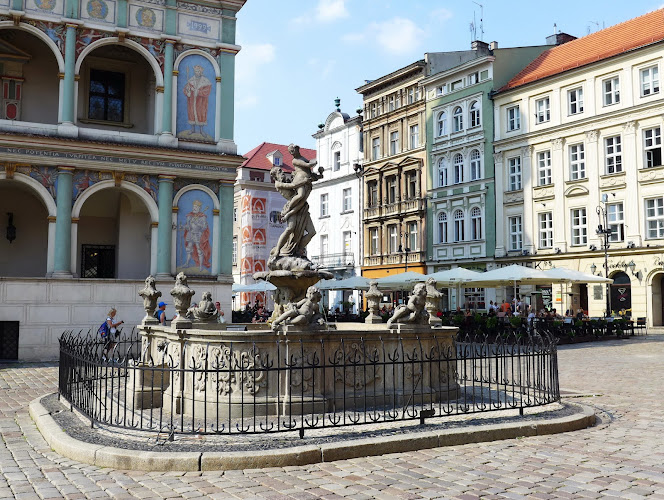
The Proserpine Fountain stands as one of those captivating pieces of public art that makes you stop mid-stride and just stare. I've seen my fair share of fountains around the world, and this one has a certain charm that's hard to put into words—it's classical without being stuffy, historical without feeling dated. The fountain depicts Proserpine, the Roman goddess of springtime and queen of the underworld, caught in that eternal moment of myth and beauty. What strikes most visitors immediately is the craftsmanship. The sculptural details are genuinely impressive, from the flowing robes to the expressive faces carved into the stonework. You can tell this wasn't just thrown together—there's real artistry here. The fountain serves as both a functional water feature and a legitimate work of art, which is becoming rarer these days when so many public installations lean too heavily in one direction or the other. The setting enhances the experience considerably. The fountain doesn't exist in isolation but rather creates a focal point that draws people in. You'll often find families gathered around it, couples taking photos, and solo travelers like myself just sitting on nearby benches watching the water cascade down. There's something meditative about fountains, isn't there? The sound of water has this way of blocking out city noise and creating a little bubble of calm. What makes this particular attraction special is its accessibility to everyone. The designers clearly thought about making sure people of all abilities could enjoy it, and that consideration shows. It's become a gathering spot for the community and travelers alike, which gives it an authentic feel rather than that overly-polished tourist trap vibe.Key Features
- Classical sculpture depicting the goddess Proserpine with exceptional detail and artistic merit that photography enthusiasts will absolutely love
- Fully wheelchair accessible entrance and surrounding area, making it genuinely inclusive for visitors with mobility considerations
- Perfect spot for families with children—the fountain is fascinating for kids without any significant safety concerns that parents need to worry about
- Excellent photography opportunities throughout the day as changing light creates different moods and shadows on the sculpture
- Peaceful water features that provide ambient sound and visual interest, creating a calm atmosphere despite any surrounding urban activity
- Free to visit and observe, making it an budget-friendly addition to any travel itinerary
- Architectural elements that tell a story rooted in classical mythology, adding educational value beyond just aesthetic appeal
- Seating areas nearby where visitors can relax and truly appreciate the fountain rather than just snapping a quick photo and moving on
- Well-maintained grounds and clean water, showing that local authorities take pride in preserving this attraction
- Convenient location that works well as part of a larger walking tour or as a standalone destination
Best Time to Visit
Timing really does matter when you're planning to visit the Proserpine Fountain, and I learned this the hard way on my first attempt. Early morning—we're talking between 7 and 9 AM—offers something special. The light hits the fountain at angles that bring out details you might miss later in the day, and you'll likely have the place mostly to yourself. There's nothing quite like having a beautiful piece of art practically to yourself, especially when you're trying to get those perfect shots without random strangers photobombing your pictures. Late afternoon, particularly the golden hour before sunset, provides another excellent window. The warm light does wonderful things to the stonework, and the fountain takes on this almost magical quality. But be prepared for more crowds during this time, especially during peak tourist seasons. Families tend to come out in the early evening, which isn't necessarily a bad thing—it just changes the atmosphere from contemplative to more lively. Weather-wise, spring and autumn offer the most comfortable conditions for extended visits. Summer can get quite hot, and standing in direct sunlight while admiring sculpture isn't everyone's idea of fun. Though the fountain itself provides some psychological cooling effect—something about being near water tricks your brain into feeling slightly cooler. Winter visits have their own appeal, particularly if you enjoy having places more to yourself, but dress appropriately. Weekdays generally see fewer visitors than weekends, which is pretty standard for most attractions. If you're someone who values peace and quiet over the energy of crowds, plan accordingly. And here's a tip not many people think about: visiting during overcast days can actually work in your favor. The diffused light eliminates harsh shadows and can make for some really interesting photographs. Avoid visiting during major local events or festivals unless you specifically want that busy atmosphere. The fountain becomes a natural gathering point during celebrations, which means you'll be sharing the space with significantly more people than usual.How to Get There
Getting to the Proserpine Fountain isn't complicated, but having a game plan helps. Most visitors find that walking is actually the most practical option if you're staying anywhere in the general vicinity. The area is pedestrian-friendly, and part of the charm is taking in the surrounding architecture and street life as you make your way there. For those using public transportation, several bus routes pass within reasonable walking distance. Check the local transit authority's route maps beforehand—bus systems in unfamiliar cities can be confusing even with GPS. I've definitely found myself on the wrong bus more than once when traveling. Download any relevant transit apps before you leave your accommodation since trying to figure out bus schedules while standing on a street corner with spotty wifi is frustrating. If you're driving, parking can be found in nearby areas, though spaces might be limited during peak hours. Paid parking lots are available within a short walk, and street parking might be an option depending on the day and time. Read the parking signs carefully—parking tickets in unfamiliar cities are an expensive souvenir nobody wants. Taxis and rideshare services can drop you very close to the fountain, which is convenient if you're coming from farther away or have mobility concerns. Just make sure your driver knows the specific location since not everyone is familiar with every landmark, even locals sometimes. For cyclists, bike racks are typically available in the area. Cycling can be a great way to explore while covering more ground than walking allows. Just remember to bring a good lock—bike theft is unfortunately common in many tourist areas. The fountain's accessible design means visitors using wheelchairs or mobility aids shouldn't encounter significant obstacles getting there or moving around the immediate area once you arrive.Tips for Visiting
Bring a good camera or make sure your phone is charged. Seriously, you'll want to capture this, and there's nothing worse than having your battery die right when you're getting those perfect shots. I've been there, and it's genuinely disappointing. Wear comfortable shoes. Even though you might not think you'll be standing that long, you probably will be. The fountain has this way of holding your attention longer than expected, and if you're exploring the surrounding area too, you'll be doing more walking than anticipated. Consider bringing a sketchbook if you're artistically inclined. The fountain makes an excellent subject for drawing or painting, and you'll notice details through sketching that you'd miss just looking. Plus, locals tend to respond positively to people creating art in public spaces. Pack water and maybe a snack, especially if you're visiting during warmer months. There might be vendors nearby, but having your own supplies means you can stay and enjoy the fountain as long as you like without needing to leave to find refreshments. The lighting changes throughout the day, so if you're really into photography, consider visiting multiple times at different hours. Morning light creates different shadows and moods compared to afternoon or evening light. If you're traveling with kids, bring some activity to keep them engaged. While children generally enjoy the fountain, their attention spans being what they are, having a small toy or book might extend your visit comfortably. Check the weather forecast before heading out. While the fountain is beautiful in various conditions, heavy rain doesn't make for the most pleasant viewing experience, and you certainly don't want to risk your electronics in a downpour. Respect the space and other visitors. This seems obvious, but it's worth mentioning. Don't climb on the fountain, don't throw things in the water, and be mindful of others trying to take photos. Common courtesy goes a long way toward everyone having a good experience. Take time to actually look at the details rather than just snapping photos and moving on. The sculptural work includes elements that tell the story of Proserpine, and understanding the mythology makes the viewing more rewarding. Consider visiting as part of a larger walking tour of the area. The fountain works well as either a destination or a stopping point, and you'll get more value from your time by exploring what else is nearby. Bring hand sanitizer and perhaps a small towel. Fountains involve water, and if you have kids, they'll probably want to touch it. Being prepared for wet hands makes the experience more comfortable. Don't feel rushed. This isn't the kind of place you need to "do" quickly. Find a bench, sit down, and just be present with the experience. That's when you'll really appreciate what makes the Proserpine Fountain special.Key Features
- 18th-century Baroque sandstone sculpture depicting Proserpine (Persephone)
- Relief panels on the cistern representing the four classical elements
- Located centrally in Stary Rynek (Old Market Square) near the Town Hall
- Strong photographic opportunities framed by colorful Renaissance and Baroque tenement houses
- Easy access to cafés, guided tours and other historic landmarks in Poznań
More Details
Updated March 30, 2026
Table of Contents
Description
The Proserpine Fountain stands as one of those captivating pieces of public art that makes you stop mid-stride and just stare. I’ve seen my fair share of fountains around the world, and this one has a certain charm that’s hard to put into words—it’s classical without being stuffy, historical without feeling dated. The fountain depicts Proserpine, the Roman goddess of springtime and queen of the underworld, caught in that eternal moment of myth and beauty.
What strikes most visitors immediately is the craftsmanship. The sculptural details are genuinely impressive, from the flowing robes to the expressive faces carved into the stonework. You can tell this wasn’t just thrown together—there’s real artistry here. The fountain serves as both a functional water feature and a legitimate work of art, which is becoming rarer these days when so many public installations lean too heavily in one direction or the other.
The setting enhances the experience considerably. The fountain doesn’t exist in isolation but rather creates a focal point that draws people in. You’ll often find families gathered around it, couples taking photos, and solo travelers like myself just sitting on nearby benches watching the water cascade down. There’s something meditative about fountains, isn’t there? The sound of water has this way of blocking out city noise and creating a little bubble of calm.
What makes this particular attraction special is its accessibility to everyone. The designers clearly thought about making sure people of all abilities could enjoy it, and that consideration shows. It’s become a gathering spot for the community and travelers alike, which gives it an authentic feel rather than that overly-polished tourist trap vibe.
Key Features
- Classical sculpture depicting the goddess Proserpine with exceptional detail and artistic merit that photography enthusiasts will absolutely love
- Fully wheelchair accessible entrance and surrounding area, making it genuinely inclusive for visitors with mobility considerations
- Perfect spot for families with children—the fountain is fascinating for kids without any significant safety concerns that parents need to worry about
- Excellent photography opportunities throughout the day as changing light creates different moods and shadows on the sculpture
- Peaceful water features that provide ambient sound and visual interest, creating a calm atmosphere despite any surrounding urban activity
- Free to visit and observe, making it an budget-friendly addition to any travel itinerary
- Architectural elements that tell a story rooted in classical mythology, adding educational value beyond just aesthetic appeal
- Seating areas nearby where visitors can relax and truly appreciate the fountain rather than just snapping a quick photo and moving on
- Well-maintained grounds and clean water, showing that local authorities take pride in preserving this attraction
- Convenient location that works well as part of a larger walking tour or as a standalone destination
Best Time to Visit
Timing really does matter when you’re planning to visit the Proserpine Fountain, and I learned this the hard way on my first attempt. Early morning—we’re talking between 7 and 9 AM—offers something special. The light hits the fountain at angles that bring out details you might miss later in the day, and you’ll likely have the place mostly to yourself. There’s nothing quite like having a beautiful piece of art practically to yourself, especially when you’re trying to get those perfect shots without random strangers photobombing your pictures.
Late afternoon, particularly the golden hour before sunset, provides another excellent window. The warm light does wonderful things to the stonework, and the fountain takes on this almost magical quality. But be prepared for more crowds during this time, especially during peak tourist seasons. Families tend to come out in the early evening, which isn’t necessarily a bad thing—it just changes the atmosphere from contemplative to more lively.
Weather-wise, spring and autumn offer the most comfortable conditions for extended visits. Summer can get quite hot, and standing in direct sunlight while admiring sculpture isn’t everyone’s idea of fun. Though the fountain itself provides some psychological cooling effect—something about being near water tricks your brain into feeling slightly cooler. Winter visits have their own appeal, particularly if you enjoy having places more to yourself, but dress appropriately.
Weekdays generally see fewer visitors than weekends, which is pretty standard for most attractions. If you’re someone who values peace and quiet over the energy of crowds, plan accordingly. And here’s a tip not many people think about: visiting during overcast days can actually work in your favor. The diffused light eliminates harsh shadows and can make for some really interesting photographs.
Avoid visiting during major local events or festivals unless you specifically want that busy atmosphere. The fountain becomes a natural gathering point during celebrations, which means you’ll be sharing the space with significantly more people than usual.
How to Get There
Getting to the Proserpine Fountain isn’t complicated, but having a game plan helps. Most visitors find that walking is actually the most practical option if you’re staying anywhere in the general vicinity. The area is pedestrian-friendly, and part of the charm is taking in the surrounding architecture and street life as you make your way there.
For those using public transportation, several bus routes pass within reasonable walking distance. Check the local transit authority’s route maps beforehand—bus systems in unfamiliar cities can be confusing even with GPS. I’ve definitely found myself on the wrong bus more than once when traveling. Download any relevant transit apps before you leave your accommodation since trying to figure out bus schedules while standing on a street corner with spotty wifi is frustrating.
If you’re driving, parking can be found in nearby areas, though spaces might be limited during peak hours. Paid parking lots are available within a short walk, and street parking might be an option depending on the day and time. Read the parking signs carefully—parking tickets in unfamiliar cities are an expensive souvenir nobody wants.
Taxis and rideshare services can drop you very close to the fountain, which is convenient if you’re coming from farther away or have mobility concerns. Just make sure your driver knows the specific location since not everyone is familiar with every landmark, even locals sometimes.
For cyclists, bike racks are typically available in the area. Cycling can be a great way to explore while covering more ground than walking allows. Just remember to bring a good lock—bike theft is unfortunately common in many tourist areas.
The fountain’s accessible design means visitors using wheelchairs or mobility aids shouldn’t encounter significant obstacles getting there or moving around the immediate area once you arrive.
Tips for Visiting
Bring a good camera or make sure your phone is charged. Seriously, you’ll want to capture this, and there’s nothing worse than having your battery die right when you’re getting those perfect shots. I’ve been there, and it’s genuinely disappointing.
Wear comfortable shoes. Even though you might not think you’ll be standing that long, you probably will be. The fountain has this way of holding your attention longer than expected, and if you’re exploring the surrounding area too, you’ll be doing more walking than anticipated.
Consider bringing a sketchbook if you’re artistically inclined. The fountain makes an excellent subject for drawing or painting, and you’ll notice details through sketching that you’d miss just looking. Plus, locals tend to respond positively to people creating art in public spaces.
Pack water and maybe a snack, especially if you’re visiting during warmer months. There might be vendors nearby, but having your own supplies means you can stay and enjoy the fountain as long as you like without needing to leave to find refreshments.
The lighting changes throughout the day, so if you’re really into photography, consider visiting multiple times at different hours. Morning light creates different shadows and moods compared to afternoon or evening light.
If you’re traveling with kids, bring some activity to keep them engaged. While children generally enjoy the fountain, their attention spans being what they are, having a small toy or book might extend your visit comfortably.
Check the weather forecast before heading out. While the fountain is beautiful in various conditions, heavy rain doesn’t make for the most pleasant viewing experience, and you certainly don’t want to risk your electronics in a downpour.
Respect the space and other visitors. This seems obvious, but it’s worth mentioning. Don’t climb on the fountain, don’t throw things in the water, and be mindful of others trying to take photos. Common courtesy goes a long way toward everyone having a good experience.
Take time to actually look at the details rather than just snapping photos and moving on. The sculptural work includes elements that tell the story of Proserpine, and understanding the mythology makes the viewing more rewarding.
Consider visiting as part of a larger walking tour of the area. The fountain works well as either a destination or a stopping point, and you’ll get more value from your time by exploring what else is nearby.
Bring hand sanitizer and perhaps a small towel. Fountains involve water, and if you have kids, they’ll probably want to touch it. Being prepared for wet hands makes the experience more comfortable.
Don’t feel rushed. This isn’t the kind of place you need to “do” quickly. Find a bench, sit down, and just be present with the experience. That’s when you’ll really appreciate what makes the Proserpine Fountain special.
Key Highlights
- 18th-century Baroque sandstone sculpture depicting Proserpine (Persephone)
- Relief panels on the cistern representing the four classical elements
- Located centrally in Stary Rynek (Old Market Square) near the Town Hall
- Strong photographic opportunities framed by colorful Renaissance and Baroque tenement houses
- Easy access to cafés, guided tours and other historic landmarks in Poznań
Location
Places to Stay Near Proserpine Fountain
Find and Book a Tour
Explore More Travel Guides
No reviews found! Be the first to review!
Proserpine Fountain is a prominent attractions located in Poznań.
Visit us at: Stary Rynek, 60-101 Poznań, Poland.
Traveler Reviews for Proserpine Fountain
There are no reviews yet. Be the first one to write one.
Have you visited Proserpine Fountain? Help other travelers by sharing your review.
Nearby Attractions
Find Accommodations Nearby
Recommended Tours & Activities
Visitor Reviews
There are no reviews yet. Be the first one to write one.
Share Your Experience
Have you visited Proserpine Fountain? Help other travelers by leaving a review.
