
Chiesa di San Pietro Martire
About Chiesa di San Pietro Martire
Key Features
More Details
Updated April 16, 2024
## Chiesa di San Pietro Martire in Monza: A Quiet Gothic Landmark in the Historic Center
Piazza San Pietro Martire looks modest on a map, but on the ground it’s one of Monza’s most characterful corners. Here you find the Chiesa di San Pietro Martire, a 14th-century Dominican church built in sober Cistercian Gothic style, right in the heart of the old town at Piazza S. Pietro Martire 4, Monza (MB). Beniculturali
The church is Roman Catholic (Latin rite) and historically linked to the Order of Preachers (Dominicans) within the Archdiocese of Milan. It remains an active place of worship, but it’s also a useful stop if you’re exploring Monza’s medieval and Gothic architecture on a day trip from Milan.
—
## A Short History: Dominicans, Inquisition, and a Martyr
### Origins in the 14th century
– The church was erected in the first half of the 1300s as a Dominican church, in a restrained Gothic style influenced by Cistercian architecture.
– It stood next to a convent founded in 1280, which later became the seat of the Inquisition court in Monza.
That link to the Dominicans and the Inquisition explains both the dedication and some of the iconography you still see in the surviving frescoes.
### Who was “San Pietro Martire”?
The church is dedicated to Saint Peter Martyr (Pietro da Verona), a Dominican friar and preacher born around 1205 in Verona and murdered in 1252 near Seveso while traveling between Como and Milan.
– He was canonised in 1253 by Pope Innocent IV, only a year after his death.
– In art, he’s usually shown in a Dominican habit with a sword or knife in his head, recalling the manner of his martyrdom.
You’ll see references to his life in the cycles of painted fragments inside the church.
### Later changes and restorations
Over the centuries the building was altered, but 20th-century restorations (in particular in the early 1900s and again in the 1960s) aimed to recover its original medieval structure and reveal hidden paintings:
– Successive layers of plaster were removed.
– Fragments of 14th-century frescoes by Lombard painters influenced by Giotto’s style re-emerged.
The result today is a church that feels simple at first glance, but rewards a slow, detail-oriented visit.
—
## Architecture: Cistercian-Gothic in Brick
### Exterior
From the square, the church reads as a classic example of Lombard brick Gothic:
– The façade is in exposed terracotta with a gabled (salient) profile, derived from “sober Cistercian Gothic”.
– A single large trifora (three-light window) is the main decorative element high on the façade.
– On the right flank, an entrance is sheltered by a simple protiro with a round arch and pitched roof.
The square around it is framed by 19th-century Palazzo Scanzi and other historic buildings, so you get a compact lesson in Monza’s architectural layers in one glance.
Right in front of the church stands the Monument to painter Mosè Bianchi, a bronze statue inaugurated in 1927 and dedicated to one of Monza’s most important 19th-century artists.
### Interior layout
Inside, the plan is basilical with three naves:
– The space is divided by cylindrical pillars that alternate stone and brick, a hallmark of the church and a key feature of Gothic in Monza.
– The three-aisle layout and much of the structural rhythm date back to the 14th century, though details were modified in later campaigns.
– A wooden choir from the 17th century still occupies the area behind the main altar.
The overall feel is deliberately austere: the Dominicans preferred clear preaching spaces over lavish baroque decoration, and the 20th-century restorations tried to respect that original intent.
—
## Art Highlights: Fresco Fragments and a Quiet Cloister
### Frescoes from the 1300s
Although only fragments survive, the church preserves noteworthy 14th-century frescoes:
– Numerous remains of wall paintings from the first half of the 1300s are attributed to Lombard painters influenced by Giotto’s language.
– Among the better-known fragments are:
– Scenes from the “Stories of St Peter Martyr”, stylistically close to the so-called Maestro di Lentate, who painted the Oratorio di Santo Stefano in Lentate sul Seveso.
– A “Virgin Annunciate with Saints Ambrose and Dominic”, linked to a painter in the circle of Giovanni da Milano.
These works are important for understanding how Giotto’s innovations spread through Lombardy: the figures are less rigid, with more volumetric bodies and attempts at emotional expression, even in the surviving fragments.
### The relics of San Prospero
Under the high altar, the church conserves the relics of Saint Prospero Martyr:
– A funerary urn beneath the altar holds the body of San Prospero, transferred to Monza from the Roman catacombs of Sant’Agnese.
For visitors with an interest in Christian history and relic traditions, this is a concrete example of how catacomb saints were relocated to northern Italian churches in the post-medieval period.
### The 15th-century cloister
From the left nave, a door leads into a quadrangular cloister belonging to the former convent:
– The cloister dates to the 15th century and remains well preserved in its basic structure.
– Even if access can be limited depending on the day or events, it’s worth asking if it’s open: the arcade and courtyard give you a feel for monastic life that once animated this corner of Monza.
—
## Practical Visiting Tips
### Location and how to get there
– Address: Piazza San Pietro Martire 4, 20900 Monza MB, Italy.
– The church sits inside the historic pedestrian area, near Via Italia and Via Carlo Alberto, two of Monza’s main shopping streets.
– It’s reachable on foot from multiple bus stops in the center (e.g., Piazza Carducci or Monza Appiani/Citterio), and within walking distance of Monza’s railway connections, according to local transit guides.
Because bus routes and train services change periodically, it’s safest to confirm current options using live transit apps or the official Monza tourism site before you travel.
### Access and opening
The Municipality of Monza’s official listing notes no specific limitations on access to the church (“non ci sono limitazioni all’accesso”). That typically means visitors are welcome, especially during daylight hours, but:
– Opening times and Mass schedules can change with parish needs and events.
– For the most accurate information, check locally via the posted notices at the entrance or by calling the contact number on the municipal page.
### Dress code and photography
As an active Roman Catholic church:
– Aim for shoulders and knees covered, regardless of gender, especially if you arrive during services.
– Flash photography may be restricted near the frescoes and altar area; obey posted signs and always defer to any staff or volunteers present.
These general etiquette norms are consistent with other churches in the Archdiocese of Milan, though specific rules can vary by parish.
—
## How to Combine It with Other Monza Sights
If you’re building a walking route through Monza’s historic center, Chiesa di San Pietro Martire fits naturally into a half-day circuit that might also include:
– Duomo di Monza (Basilica of San Giovanni Battista) – the city’s main symbol, famous for the Iron Crown of Lombardy and its elaborate Gothic façade.
– Cappella di Teodolinda inside the Duomo complex, known for its cycle of medieval frescoes.
– A stroll along Via Italia and Via Carlo Alberto, linking Piazza Roma, Piazza Trento e Trieste and Piazza San Pietro Martire, where you get a good mix of shops, cafés, and historic façades.
These spots sit close enough together that you can explore them in sequence without needing additional transport.
—
## What Might Be Out of Date When You Visit
To keep this guide fact-based and honest:
– Transport lines, event programming, and service times mentioned in sources (such as bus routes stopping near Piazza San Pietro Martire or concerts like “Notte di stelle, notte di pace” hosted at the church) are subject to change; they’re scheduled by transport agencies and local cultural offices on a year-by-year basis.
– Visitor reviews and ratings on platforms like TripAdvisor or Google inevitably shift over time as more people leave feedback, even though current listings rank the church among Monza’s main religious sites.
For anything time-sensitive—especially opening hours, special events, or public-transport details—treat this article as a structural overview and always double-check the latest information with:
– The official Monza tourism website.
– The Municipality’s church listing or parish contact details.
—
If you’re already planning a circuit of Gothic churches and monasteries across Lombardy, Chiesa di San Pietro Martire adds a compact, very readable chapter: clear architecture, serious medieval fresco fragments, and a square that still feels like a lived-in piece of the city rather than a museum set.
Table of Contents
Key Highlights
Chiesa di San Pietro Martire
Location
Places to Stay Near Chiesa di San Pietro Martire
Find and Book a Tour
Explore More Travel Guides
No reviews found! Be the first to review!
Traveler Reviews for Chiesa di San Pietro Martire
There are no reviews yet. Be the first one to write one.
Have you visited Chiesa di San Pietro Martire? Help other travelers by sharing your review.
You Might Also Like
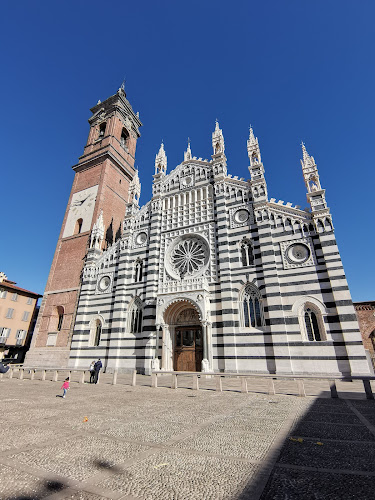
Parrocchia di S. Giovanni Battista Duomo di Monza
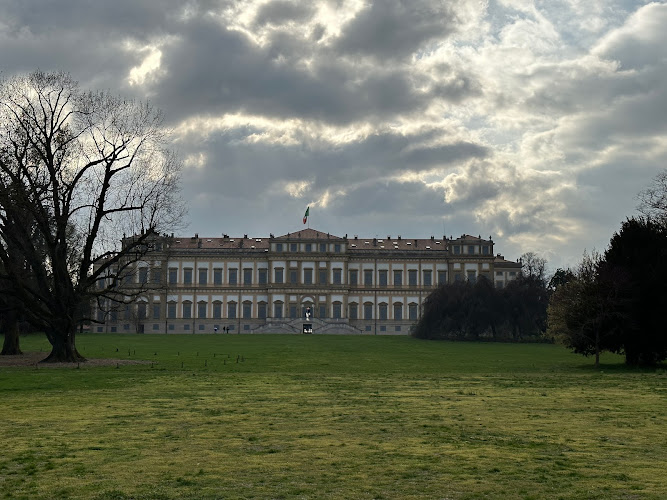
Giardini della Villa Reale
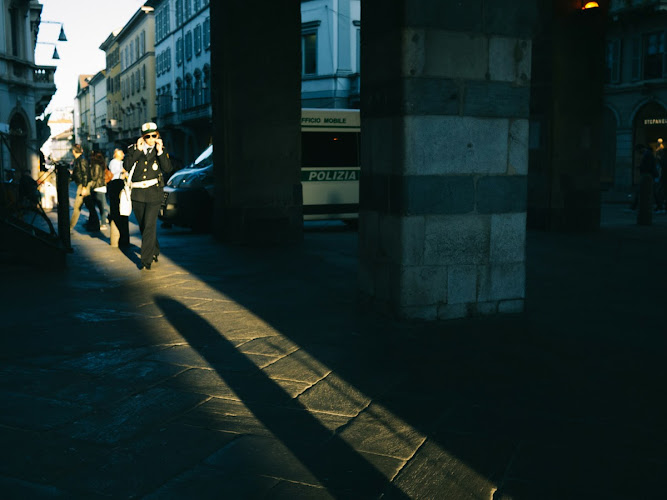
Piazza Roma
Find Accommodations Nearby
Recommended Tours & Activities
Visitor Reviews
There are no reviews yet. Be the first one to write one.
Share Your Experience
Have you visited Chiesa di San Pietro Martire? Help other travelers by leaving a review.