
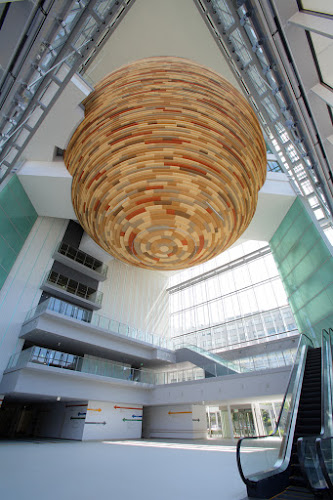
Chiba City Museum of Science
About Chiba City Museum of Science
Description
The Chiba City Museum of Science is one of those places that quietly surprises you. At first glance, it might look like just another local science museum, but once inside, it unfolds into a mix of hands-on exhibits, high-tech displays, and a planetarium that’s genuinely impressive. It’s not trying to be Tokyo’s Miraikan or some massive theme-park-style attraction—it feels more approachable, a museum that invites you to slow down, poke around, and actually learn something while still having fun. And honestly, that’s part of its charm.
The museum leans heavily into interactive learning, with robotics and technology exhibits that encourage you to press buttons, twist knobs, and experiment. It’s the kind of place where kids can run wild with curiosity and adults can quietly geek out over the science behind everyday things. I remember standing in front of one exhibit about electricity and realizing I was more fascinated than the group of schoolkids next to me. It’s that kind of space—it pulls you in even if you didn’t expect it.
The planetarium is often the star of the show, and for good reason. The dome is large, the visuals are crisp, and while the narration is in Japanese, the sheer beauty of the stars above you doesn’t really need translation. It’s the sort of experience that leaves you with a quiet sense of awe, the kind you carry with you long after you’ve left the building. Of course, like any museum, not every corner is perfect—some exhibits can feel a bit dated, and if you don’t speak Japanese, you might find yourself guessing here and there. But overall, the balance tips strongly toward the positive, with most visitors walking away feeling like they’ve had a worthwhile experience.
Key Features
- Interactive exhibits on robotics, technology, and everyday science
- Large-scale planetarium with immersive star shows
- Wheelchair accessible facilities, including parking, restrooms, and rental options
- Family-friendly environment where kids can explore freely
- Women-owned institution with a focus on inclusivity
- Educational displays designed to connect science with daily life
- Restrooms available on-site (though no restaurant inside)
Best Time to Visit
Timing can make a big difference here. Weekdays are usually calmer, especially in the mornings, when you’ll often find school groups but not the weekend crowds. If you prefer a quieter experience where you can linger at exhibits without feeling rushed, aim for a weekday visit. Weekends, on the other hand, can feel a bit hectic with families and children filling the space, but that also adds a lively energy if you don’t mind the buzz.
Seasonally, there isn’t really a bad time to go since it’s all indoors, but I’d say rainy days are perfect for this museum. Instead of wandering around outside in the drizzle, you can spend hours exploring the exhibits and then cap it off with a starry sky in the planetarium. Personally, I think late afternoon visits are underrated—you can catch a planetarium show, explore a few highlights, and then head out for dinner nearby. It makes for a really nice rhythm to the day.
How to Get There
Getting to the Chiba City Museum of Science is straightforward, especially if you’re already exploring Chiba or coming from Tokyo. The museum sits within the city center, making it accessible by public transport. The nearest train stations are within walking distance, and from there, it’s a short stroll through the central district. If you’re traveling with kids or carrying luggage, taxis are also a practical option since the ride from Chiba Station is quick and affordable.
For those driving, there are parking facilities nearby, and the accessibility features make it convenient for visitors using wheelchairs. Honestly, the location is one of its strong points—you don’t need to budget half a day just to get there, which makes it easy to fit into a broader itinerary of Chiba or even as a side trip from Tokyo.
Tips for Visiting
A few practical tips can really help you get the most out of your visit. First, check the planetarium schedule ahead of time. The shows are the highlight for many people, and they do fill up, especially on weekends. Even if you don’t understand Japanese fluently, don’t skip it—the visuals alone are worth it.
Second, give yourself at least two to three hours. It’s not a massive museum, but if you actually engage with the exhibits instead of just walking past them, time flies. And if you’re traveling with kids, trust me, they’ll want to push every button and try every activity.
Third, don’t expect a full-service dining experience inside. There are restrooms, but no restaurant, so plan your meals accordingly. Luckily, the surrounding area has plenty of food options within walking distance. I once grabbed a quick bowl of ramen nearby after a visit, and it felt like the perfect pairing—science and noodles, why not?
Finally, keep in mind that most of the signage and narration is in Japanese. If you’re not fluent, you might miss some details, but honestly, science is pretty universal. The hands-on nature of the exhibits makes it easy to understand the concepts without needing every word translated. Bring a curious mindset, and you’ll walk away with more than you expected.
Key Features
- Interactive exhibits on robotics, technology, and everyday science
- Large-scale planetarium with immersive star shows
- Wheelchair accessible facilities, including parking, restrooms, and rental options
- Family-friendly environment where kids can explore freely
- Women-owned institution with a focus on inclusivity
- Educational displays designed to connect science with daily life
- Restrooms available on-site (though no restaurant inside)
More Details
Updated October 1, 2025
Table of Contents
Description
The Chiba City Museum of Science is one of those places that quietly surprises you. At first glance, it might look like just another local science museum, but once inside, it unfolds into a mix of hands-on exhibits, high-tech displays, and a planetarium that’s genuinely impressive. It’s not trying to be Tokyo’s Miraikan or some massive theme-park-style attraction—it feels more approachable, a museum that invites you to slow down, poke around, and actually learn something while still having fun. And honestly, that’s part of its charm.
The museum leans heavily into interactive learning, with robotics and technology exhibits that encourage you to press buttons, twist knobs, and experiment. It’s the kind of place where kids can run wild with curiosity and adults can quietly geek out over the science behind everyday things. I remember standing in front of one exhibit about electricity and realizing I was more fascinated than the group of schoolkids next to me. It’s that kind of space—it pulls you in even if you didn’t expect it.
The planetarium is often the star of the show, and for good reason. The dome is large, the visuals are crisp, and while the narration is in Japanese, the sheer beauty of the stars above you doesn’t really need translation. It’s the sort of experience that leaves you with a quiet sense of awe, the kind you carry with you long after you’ve left the building. Of course, like any museum, not every corner is perfect—some exhibits can feel a bit dated, and if you don’t speak Japanese, you might find yourself guessing here and there. But overall, the balance tips strongly toward the positive, with most visitors walking away feeling like they’ve had a worthwhile experience.
Key Features
- Interactive exhibits on robotics, technology, and everyday science
- Large-scale planetarium with immersive star shows
- Wheelchair accessible facilities, including parking, restrooms, and rental options
- Family-friendly environment where kids can explore freely
- Women-owned institution with a focus on inclusivity
- Educational displays designed to connect science with daily life
- Restrooms available on-site (though no restaurant inside)
Best Time to Visit
Timing can make a big difference here. Weekdays are usually calmer, especially in the mornings, when you’ll often find school groups but not the weekend crowds. If you prefer a quieter experience where you can linger at exhibits without feeling rushed, aim for a weekday visit. Weekends, on the other hand, can feel a bit hectic with families and children filling the space, but that also adds a lively energy if you don’t mind the buzz.
Seasonally, there isn’t really a bad time to go since it’s all indoors, but I’d say rainy days are perfect for this museum. Instead of wandering around outside in the drizzle, you can spend hours exploring the exhibits and then cap it off with a starry sky in the planetarium. Personally, I think late afternoon visits are underrated—you can catch a planetarium show, explore a few highlights, and then head out for dinner nearby. It makes for a really nice rhythm to the day.
How to Get There
Getting to the Chiba City Museum of Science is straightforward, especially if you’re already exploring Chiba or coming from Tokyo. The museum sits within the city center, making it accessible by public transport. The nearest train stations are within walking distance, and from there, it’s a short stroll through the central district. If you’re traveling with kids or carrying luggage, taxis are also a practical option since the ride from Chiba Station is quick and affordable.
For those driving, there are parking facilities nearby, and the accessibility features make it convenient for visitors using wheelchairs. Honestly, the location is one of its strong points—you don’t need to budget half a day just to get there, which makes it easy to fit into a broader itinerary of Chiba or even as a side trip from Tokyo.
Tips for Visiting
A few practical tips can really help you get the most out of your visit. First, check the planetarium schedule ahead of time. The shows are the highlight for many people, and they do fill up, especially on weekends. Even if you don’t understand Japanese fluently, don’t skip it—the visuals alone are worth it.
Second, give yourself at least two to three hours. It’s not a massive museum, but if you actually engage with the exhibits instead of just walking past them, time flies. And if you’re traveling with kids, trust me, they’ll want to push every button and try every activity.
Third, don’t expect a full-service dining experience inside. There are restrooms, but no restaurant, so plan your meals accordingly. Luckily, the surrounding area has plenty of food options within walking distance. I once grabbed a quick bowl of ramen nearby after a visit, and it felt like the perfect pairing—science and noodles, why not?
Finally, keep in mind that most of the signage and narration is in Japanese. If you’re not fluent, you might miss some details, but honestly, science is pretty universal. The hands-on nature of the exhibits makes it easy to understand the concepts without needing every word translated. Bring a curious mindset, and you’ll walk away with more than you expected.
Key Highlights
- Interactive exhibits on robotics, technology, and everyday science
- Large-scale planetarium with immersive star shows
- Wheelchair accessible facilities, including parking, restrooms, and rental options
- Family-friendly environment where kids can explore freely
- Women-owned institution with a focus on inclusivity
- Educational displays designed to connect science with daily life
- Restrooms available on-site (though no restaurant inside)
Location
Places to Stay Near Chiba City Museum of Science
Find and Book a Tour
Explore More Travel Guides
No reviews found! Be the first to review!
Traveler Reviews for Chiba City Museum of Science
There are no reviews yet. Be the first one to write one.
Have you visited Chiba City Museum of Science? Help other travelers by sharing your review.
You Might Also Like

Hoki Museum

Chiba Zoological Park
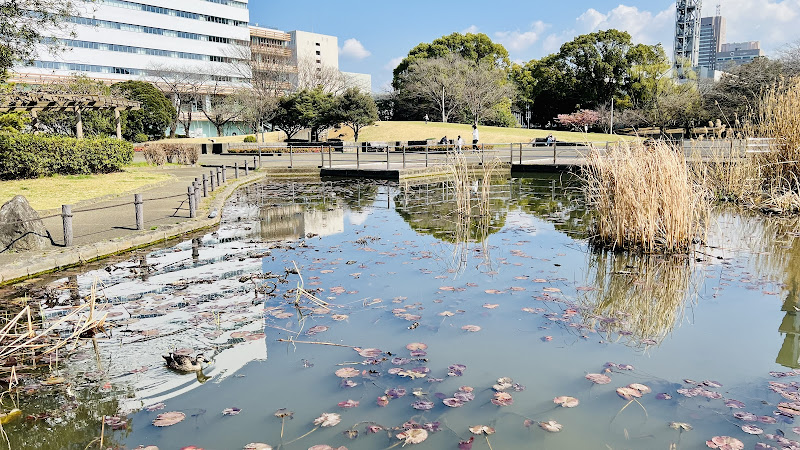
Minato Park
Find Accommodations Nearby
Recommended Tours & Activities
Visitor Reviews
There are no reviews yet. Be the first one to write one.
Share Your Experience
Have you visited Chiba City Museum of Science? Help other travelers by leaving a review.