
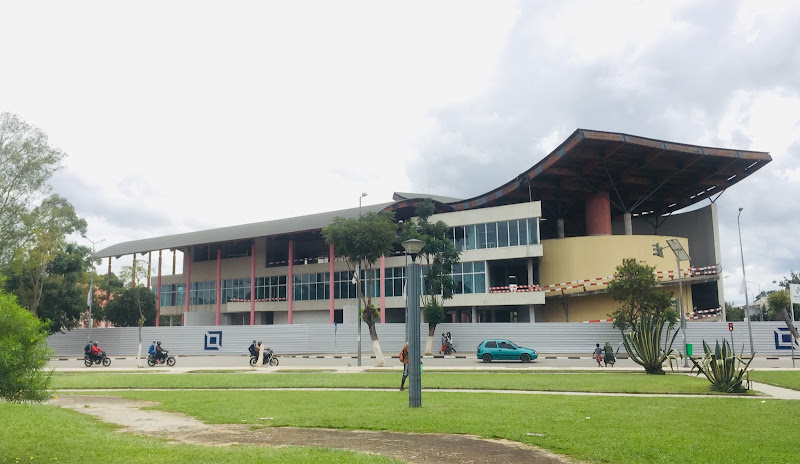
About Centro Cultural do Huambo

Description

The Centro Cultural do Huambo stands as one of Angola's most significant cultural institutions, serving as a beacon for the arts and heritage in the country's central highlands region. When I first heard about this place from a fellow traveler who'd spent time in Angola, I was intrigued by how it manages to bridge traditional Angolan culture with contemporary artistic expression—something that's increasingly rare in many African cultural centers that sometimes lean too heavily in one direction or another. This cultural center operates as more than just a museum or performance space. It's really become a community hub where locals and visitors can experience everything from traditional dance performances to modern art exhibitions. The building itself reflects Angola's post-independence architectural style, with practical design elements that make it accessible to everyone who wants to explore what Angolan culture has to offer beyond the usual tourist brochures. What makes the Centro Cultural do Huambo particularly interesting is its commitment to showcasing the Planalto region's unique cultural identity. Huambo has always been considered Angola's cultural heartland, and this center reinforces that reputation by hosting events that celebrate local traditions while also providing a platform for emerging artists. You'll find that the staff genuinely care about preserving Angola's heritage while remaining open to new artistic movements—a balance that's honestly pretty difficult to achieve. The facility has made considerable efforts to be welcoming to all visitors, which shouldn't be taken for granted in a region where infrastructure can sometimes be challenging. And while it might not have the international recognition of cultural centers in larger African cities, it compensates with authenticity and a real connection to the community it serves.

Key Features

The Centro Cultural do Huambo offers several distinctive features that make it worth adding to your Angolan itinerary: • Full accessibility features including wheelchair-accessible entrances, parking facilities, and restroom facilities—making it one of the more inclusive cultural venues in central Angola • Regular exhibitions featuring local artists who work in various mediums including painting, sculpture, and mixed media that reflect both traditional motifs and contemporary themes • Performance spaces that host traditional Angolan music concerts, dance performances, and theatrical productions showcasing regional talent • Cultural workshops where visitors can learn about traditional crafts, music, and dance forms specific to the Planalto region • A reference library containing materials on Angolan history, culture, and arts that researchers and curious travelers can access • Exhibition halls that rotate displays throughout the year, ensuring that repeat visitors always find something new to discover • Educational programs aimed at preserving local languages, traditional knowledge, and cultural practices for younger generations • Clean and well-maintained restroom facilities—something that any seasoned traveler knows shouldn't be overlooked when planning your daily itinerary • Outdoor spaces that sometimes host open-air events and gatherings during favorable weather conditions • A welcoming atmosphere created by staff members who are genuinely knowledgeable about the collections and happy to share insights with interested visitors

Best Time to Visit

Timing your visit to the Centro Cultural do Huambo can significantly enhance your experience, and honestly, this requires considering both the center's programming and Huambo's climate patterns. The center tends to have its most active programming schedule between May and September, which coincides with Angola's dry season. During these months, you'll find more frequent cultural events, performances, and special exhibitions. I've heard from visitors that catching one of the traditional dance performances during this period is absolutely worth planning your trip around—the energy is completely different when the cultural calendar is in full swing. But here's the thing about Huambo's weather: even during the dry season, temperatures remain relatively mild because of the city's elevation. You're sitting at about 1,700 meters above sea level, which means you won't face the oppressive heat that characterizes coastal Angolan cities. Daytime temperatures typically range between 20-25°C, which is honestly perfect for spending a few hours exploring cultural exhibits without feeling drained. The wet season runs from October through April, and while the center remains open, outdoor events become less predictable. That said, if you're someone who doesn't mind occasional rain and prefers fewer crowds, visiting during the shoulder months of October or April might actually work in your favor. You'll likely have more intimate access to exhibitions and staff members who have more time for detailed conversations. Special cultural festivals and commemorative events often take place around Angolan national holidays, particularly Independence Day in November. If you can align your visit with these celebrations, you'll experience the center at its most lively—though be prepared for larger crowds and the need to book any guided tours well in advance. Early mornings or late afternoons typically see fewer visitors, regardless of the season. This matters if you're the type of traveler who likes to really absorb cultural spaces without feeling rushed or crowded. The lighting in the exhibition halls also tends to be better during these times, which anyone who enjoys photography will appreciate.

How to Get There

Getting to the Centro Cultural do Huambo requires some planning, but it's definitely manageable for travelers who've already made it to this part of Angola. Huambo is Angola's second-largest city and sits roughly 600 kilometers southeast of Luanda, the capital. Most international travelers will fly into Luanda's Quatro de Fevereiro International Airport first. From there, you have a couple of options. The most practical for many visitors is booking a domestic flight from Luanda to Huambo's Albano Machado Airport, which takes about an hour and a half. TAAG Angola Airlines operates this route regularly, though schedules can be somewhat flexible by Western standards, so build in buffer time for your plans. If you're more adventurous and want to see more of Angola's countryside, the overland journey from Luanda to Huambo takes roughly eight to ten hours by road. The main highway has improved considerably in recent years, but you'll still want a reliable vehicle—preferably a 4x4 if you're traveling during the rainy season. Many travelers hire a driver who knows the route, which honestly makes sense given the distance and road conditions that can vary significantly. Once you're in Huambo proper, reaching the cultural center depends on where you're staying. Taxis are available throughout the city, and most drivers know the Centro Cultural do Huambo by name since it's a recognized landmark. If you're staying in the city center, it's potentially within walking distance depending on your exact location and comfort level with navigating the city on foot. For those staying longer in Huambo, arranging a car with a driver for the day gives you flexibility to visit the cultural center alongside other attractions in the area. The cost is usually reasonable when you consider Angola's general price levels, and having someone who knows the area well can enhance your overall experience.

Tips for Visiting

Making the most of your time at the Centro Cultural do Huambo requires some practical knowledge that guidebooks don't always cover adequately. First things first: check the center's current schedule before you go. Angola's cultural venues don't always maintain extensive online presences in multiple languages, so if you're working with a local tour operator or hotel concierge, ask them to confirm what exhibitions or performances are happening during your intended visit. This simple step can mean the difference between a good visit and an extraordinary one. Dress respectfully but comfortably. While the center isn't a religious site, Angolan cultural norms tend toward modesty, and you'll want to show respect for the local community. That said, Huambo's climate means you don't need to layer up excessively—comfortable walking shoes and breathable fabrics work well year-round. Photography policies can vary depending on what's currently on display. Always ask permission before photographing exhibitions or performances. And this should go without saying, but never photograph people without their explicit consent, particularly during cultural performances where traditional protocols matter. Bring some cash in Angolan kwanzas. While larger hotels and restaurants in Huambo increasingly accept cards, cultural institutions sometimes prefer cash for entry fees or donations. ATMs exist in the city, but having local currency before you arrive at the center just makes everything smoother. Consider hiring a local guide if you really want to understand the context behind what you're seeing. The depth of knowledge that local guides bring transforms exhibitions from interesting to genuinely enlightening. They can explain the historical significance of traditional artifacts, the symbolism in contemporary artworks, and how different cultural practices evolved over time. Allow more time than you initially think you'll need. There's a tendency among travelers to schedule cultural sites too tightly, but the Centro Cultural do Huambo deserves at least two to three hours if you want to properly engage with the exhibits and maybe catch a performance or workshop. Learn a few basic phrases in Portuguese, Angola's official language. While you might encounter staff members who speak some English, making an effort with Portuguese goes a long way in establishing rapport. Even just "obrigado" (thank you) and "por favor" (please) demonstrate respect for local culture. Be patient and flexible. Angola operates at its own pace, and cultural events might start later than scheduled or exhibitions might change with less notice than you're accustomed to in other countries. This isn't a sign of disorganization—it's just a different cultural approach to time management. Travelers who embrace this flexibility tend to have much richer experiences. Stay hydrated and use the restroom facilities when needed. The center's accessible restrooms are well-maintained, and Huambo's altitude can sometimes catch visitors off-guard with mild dehydration if they're not paying attention. Finally, consider supporting the center through any gift shop or donation opportunities. Cultural institutions in Angola often operate with limited budgets, and visitor contributions genuinely help sustain programming that preserves and promotes local heritage. Your visit means more when it contributes to the center's continued operation and ability to serve both the local community and future travelers.

Key Features

  • Multidisciplinary performance halls for music, theatre and dance
  • Permanent and rotating exhibition galleries showcasing Angolan art
  • Named museum and cultural spaces honoring Manuel Rui Monteiro
  • Restored historical features (including the colonial-era well) and landscaped grounds
  • Public program of festivals, workshops and community events

More Details

Updated April 5, 2026

Description

The Centro Cultural do Huambo stands as one of Angola’s most significant cultural institutions, serving as a beacon for the arts and heritage in the country’s central highlands region. When I first heard about this place from a fellow traveler who’d spent time in Angola, I was intrigued by how it manages to bridge traditional Angolan culture with contemporary artistic expression—something that’s increasingly rare in many African cultural centers that sometimes lean too heavily in one direction or another.

This cultural center operates as more than just a museum or performance space. It’s really become a community hub where locals and visitors can experience everything from traditional dance performances to modern art exhibitions. The building itself reflects Angola’s post-independence architectural style, with practical design elements that make it accessible to everyone who wants to explore what Angolan culture has to offer beyond the usual tourist brochures.

What makes the Centro Cultural do Huambo particularly interesting is its commitment to showcasing the Planalto region’s unique cultural identity. Huambo has always been considered Angola’s cultural heartland, and this center reinforces that reputation by hosting events that celebrate local traditions while also providing a platform for emerging artists. You’ll find that the staff genuinely care about preserving Angola’s heritage while remaining open to new artistic movements—a balance that’s honestly pretty difficult to achieve.

The facility has made considerable efforts to be welcoming to all visitors, which shouldn’t be taken for granted in a region where infrastructure can sometimes be challenging. And while it might not have the international recognition of cultural centers in larger African cities, it compensates with authenticity and a real connection to the community it serves.

Key Features

The Centro Cultural do Huambo offers several distinctive features that make it worth adding to your Angolan itinerary:

• Full accessibility features including wheelchair-accessible entrances, parking facilities, and restroom facilities—making it one of the more inclusive cultural venues in central Angola

• Regular exhibitions featuring local artists who work in various mediums including painting, sculpture, and mixed media that reflect both traditional motifs and contemporary themes

• Performance spaces that host traditional Angolan music concerts, dance performances, and theatrical productions showcasing regional talent

• Cultural workshops where visitors can learn about traditional crafts, music, and dance forms specific to the Planalto region

• A reference library containing materials on Angolan history, culture, and arts that researchers and curious travelers can access

• Exhibition halls that rotate displays throughout the year, ensuring that repeat visitors always find something new to discover

• Educational programs aimed at preserving local languages, traditional knowledge, and cultural practices for younger generations

• Clean and well-maintained restroom facilities—something that any seasoned traveler knows shouldn’t be overlooked when planning your daily itinerary

• Outdoor spaces that sometimes host open-air events and gatherings during favorable weather conditions

• A welcoming atmosphere created by staff members who are genuinely knowledgeable about the collections and happy to share insights with interested visitors

Best Time to Visit

Timing your visit to the Centro Cultural do Huambo can significantly enhance your experience, and honestly, this requires considering both the center’s programming and Huambo’s climate patterns.

The center tends to have its most active programming schedule between May and September, which coincides with Angola’s dry season. During these months, you’ll find more frequent cultural events, performances, and special exhibitions. I’ve heard from visitors that catching one of the traditional dance performances during this period is absolutely worth planning your trip around—the energy is completely different when the cultural calendar is in full swing.

But here’s the thing about Huambo’s weather: even during the dry season, temperatures remain relatively mild because of the city’s elevation. You’re sitting at about 1,700 meters above sea level, which means you won’t face the oppressive heat that characterizes coastal Angolan cities. Daytime temperatures typically range between 20-25°C, which is honestly perfect for spending a few hours exploring cultural exhibits without feeling drained.

The wet season runs from October through April, and while the center remains open, outdoor events become less predictable. That said, if you’re someone who doesn’t mind occasional rain and prefers fewer crowds, visiting during the shoulder months of October or April might actually work in your favor. You’ll likely have more intimate access to exhibitions and staff members who have more time for detailed conversations.

Special cultural festivals and commemorative events often take place around Angolan national holidays, particularly Independence Day in November. If you can align your visit with these celebrations, you’ll experience the center at its most lively—though be prepared for larger crowds and the need to book any guided tours well in advance.

Early mornings or late afternoons typically see fewer visitors, regardless of the season. This matters if you’re the type of traveler who likes to really absorb cultural spaces without feeling rushed or crowded. The lighting in the exhibition halls also tends to be better during these times, which anyone who enjoys photography will appreciate.

How to Get There

Getting to the Centro Cultural do Huambo requires some planning, but it’s definitely manageable for travelers who’ve already made it to this part of Angola.

Huambo is Angola’s second-largest city and sits roughly 600 kilometers southeast of Luanda, the capital. Most international travelers will fly into Luanda’s Quatro de Fevereiro International Airport first. From there, you have a couple of options. The most practical for many visitors is booking a domestic flight from Luanda to Huambo’s Albano Machado Airport, which takes about an hour and a half. TAAG Angola Airlines operates this route regularly, though schedules can be somewhat flexible by Western standards, so build in buffer time for your plans.

If you’re more adventurous and want to see more of Angola’s countryside, the overland journey from Luanda to Huambo takes roughly eight to ten hours by road. The main highway has improved considerably in recent years, but you’ll still want a reliable vehicle—preferably a 4×4 if you’re traveling during the rainy season. Many travelers hire a driver who knows the route, which honestly makes sense given the distance and road conditions that can vary significantly.

Once you’re in Huambo proper, reaching the cultural center depends on where you’re staying. Taxis are available throughout the city, and most drivers know the Centro Cultural do Huambo by name since it’s a recognized landmark. If you’re staying in the city center, it’s potentially within walking distance depending on your exact location and comfort level with navigating the city on foot.

For those staying longer in Huambo, arranging a car with a driver for the day gives you flexibility to visit the cultural center alongside other attractions in the area. The cost is usually reasonable when you consider Angola’s general price levels, and having someone who knows the area well can enhance your overall experience.

Tips for Visiting

Making the most of your time at the Centro Cultural do Huambo requires some practical knowledge that guidebooks don’t always cover adequately.

First things first: check the center’s current schedule before you go. Angola’s cultural venues don’t always maintain extensive online presences in multiple languages, so if you’re working with a local tour operator or hotel concierge, ask them to confirm what exhibitions or performances are happening during your intended visit. This simple step can mean the difference between a good visit and an extraordinary one.

Dress respectfully but comfortably. While the center isn’t a religious site, Angolan cultural norms tend toward modesty, and you’ll want to show respect for the local community. That said, Huambo’s climate means you don’t need to layer up excessively—comfortable walking shoes and breathable fabrics work well year-round.

Photography policies can vary depending on what’s currently on display. Always ask permission before photographing exhibitions or performances. And this should go without saying, but never photograph people without their explicit consent, particularly during cultural performances where traditional protocols matter.

Bring some cash in Angolan kwanzas. While larger hotels and restaurants in Huambo increasingly accept cards, cultural institutions sometimes prefer cash for entry fees or donations. ATMs exist in the city, but having local currency before you arrive at the center just makes everything smoother.

Consider hiring a local guide if you really want to understand the context behind what you’re seeing. The depth of knowledge that local guides bring transforms exhibitions from interesting to genuinely enlightening. They can explain the historical significance of traditional artifacts, the symbolism in contemporary artworks, and how different cultural practices evolved over time.

Allow more time than you initially think you’ll need. There’s a tendency among travelers to schedule cultural sites too tightly, but the Centro Cultural do Huambo deserves at least two to three hours if you want to properly engage with the exhibits and maybe catch a performance or workshop.

Learn a few basic phrases in Portuguese, Angola’s official language. While you might encounter staff members who speak some English, making an effort with Portuguese goes a long way in establishing rapport. Even just “obrigado” (thank you) and “por favor” (please) demonstrate respect for local culture.

Be patient and flexible. Angola operates at its own pace, and cultural events might start later than scheduled or exhibitions might change with less notice than you’re accustomed to in other countries. This isn’t a sign of disorganization—it’s just a different cultural approach to time management. Travelers who embrace this flexibility tend to have much richer experiences.

Stay hydrated and use the restroom facilities when needed. The center’s accessible restrooms are well-maintained, and Huambo’s altitude can sometimes catch visitors off-guard with mild dehydration if they’re not paying attention.

Finally, consider supporting the center through any gift shop or donation opportunities. Cultural institutions in Angola often operate with limited budgets, and visitor contributions genuinely help sustain programming that preserves and promotes local heritage. Your visit means more when it contributes to the center’s continued operation and ability to serve both the local community and future travelers.

Key Highlights

  • Multidisciplinary performance halls for music, theatre and dance
  • Permanent and rotating exhibition galleries showcasing Angolan art
  • Named museum and cultural spaces honoring Manuel Rui Monteiro
  • Restored historical features (including the colonial-era well) and landscaped grounds
  • Public program of festivals, workshops and community events

Location

Places to Stay Near Centro Cultural do Huambo

Find and Book a Tour

Explore More Travel Guides

No reviews found! Be the first to review!

The Centro Cultural do Huambo has quickly become one of Angola’s premier cultural destinations since opening its doors in early 2024.

This impressive cultural center in Huambo city can host up to 2,000 visitors at once and features everything from cinema-style theaters and conference halls to exhibition spaces and a surprisingly lively outdoor performance area.

Named after celebrated writer Manuel Rui Monteiro, who was born right here in Huambo, the center honors local heritage while bringing world-class exhibitions to Angola’s central highlands.

You’ll find the center in the Cidade Alta neighborhood, just a stone’s throw from Jardim da Cultura.

The space took years to complete, but honestly, the wait was worth it.

From concerts by local orchestras to international art exhibitions, there’s always something happening here that gives you a real taste of Angolan culture and creativity.

Key Takeaways

  • Centro Cultural do Huambo is Angola’s largest cultural center with capacity for 2,000 people across multiple venues

  • The facility includes theaters, conference rooms, art galleries, dining areas, and an outdoor stage for performances

  • Check locally for current exhibitions, workshops, and performance schedules before your visit

About Centro Cultural do Huambo

The Manuel Rui Monteiro Cultural Center represents Angola’s largest cultural facility, opened in January 2024 in Huambo’s Cidade Alta neighborhood.

It’s quickly become the beating heart of arts and heritage preservation in the central highlands.

History and Significance

President João Lourenço inaugurated this landmark on January 12, 2024, after construction that started way back in July 2011.

The center bears the name of Manuel Rui Monteiro, one of Angola’s most respected intellectuals who was born in Huambo in 1941.

He’s not just any writer—he co-authored the lyrics to Angola’s national anthem and stood as a nationalist figure during the country’s independence movement.

The naming ceremony itself was deeply moving, with Manuel Rui Monteiro present to witness this tribute.

When you visit, you’ll notice the center spans three hectares and holds a unique feature: a preserved 25-meter-deep well from the colonial era, which was actually Huambo’s first water source.

This historical element connects the modern facility to the city’s roots.

The center operates as an independent public institute under the provincial Culture, Tourism, Youth and Sports office.

That autonomy lets it serve the community in its own way.

What Makes It Special

You’ll find facilities here that rival major cultural centers anywhere in the world.

The complex houses two cinema-style theaters, each seating 200 people, plus two conference halls that together accommodate 480 guests.

There’s dedicated gallery space for art exhibitions, a cafeteria and restaurant, and an outdoor courtyard with a performance stage.

What really sets this place apart is how it serves local artists and your fellow travelers alike.

The center actively promotes Angola’s cultural diversity while preserving regional traditions and customs.

During the inaugural celebration, the acclaimed Orquestra Kaposoka performed, setting the tone for the quality of cultural events you can expect.

The venue hosts everything from traditional music performances to contemporary art exhibitions, making it a living showcase of both historical and modern Angolan creativity.

What to See and Do

The Centro Cultural do Huambo offers a range of cultural experiences that connect you with Angola’s artistic heritage and the vibrant traditions of the Planalto region.

You’ll find rotating exhibitions and community events that showcase both traditional and contemporary Angolan culture.

Main Attractions and Highlights

The exhibition halls form the heart of your visit.

You’ll encounter works by local artists who blend traditional Ovimbundu motifs with modern techniques in painting, sculpture, and mixed media.

The displays rotate throughout the year, so each visit brings something different.

Performance spaces host traditional music concerts and dance shows that bring Huambo’s cultural identity to life.

These events typically feature regional talent and provide insight into the area’s artistic traditions.

The cultural workshops let you participate rather than just observe—you can learn traditional crafts, music, or dance forms specific to the central highlands.

The reference library holds materials on Angolan history and culture if you want to dig deeper into what you’re seeing.

And the outdoor spaces sometimes transform into venues for open-air community events during good weather.

Staff members genuinely know their collections and often share details that you won’t find on any placard.

Best Time to Visit

Plan your visit between May and September when the center runs its most active programming schedule.

You’ll find more frequent cultural events, performances, and special exhibitions during Angola’s dry season.

The traditional dance performances during these months bring real energy to the space.

Huambo sits at 1,700 meters elevation, which keeps temperatures comfortable year-round at 20-25°C.

You won’t deal with the coastal heat that drains your energy.

The wet season from October through April means fewer outdoor events, but also smaller crowds.

Early mornings or late afternoons typically see fewer visitors regardless of season.

Visitor Information

The Centro Cultural do Huambo welcomes visitors with wheelchair-accessible facilities and knowledgeable staff.

You’ll want to plan ahead since schedules and opening hours can shift without much notice.

Location and How to Get There

The cultural center sits in Huambo’s Cidade Alta neighborhood, close to both the Jardim da Cultura and the Pavilhão Multiusos.

If you’re staying anywhere in the city center, most taxi drivers know exactly where it is—just say “Centro Cultural” and they’ll get you there.

Getting to Huambo itself requires a bit more planning.

You’ll likely fly into Luanda first, then catch a domestic flight to Albano Machado Airport, which takes about 90 minutes.

TAAG Angola Airlines runs this route regularly, though their schedule can be flexible by Western standards.

The overland option from Luanda covers roughly 600 kilometers and takes eight to ten hours by road.

The main highway has improved quite a bit, but you’ll want a solid vehicle, especially during rainy season.

Once you’re in the city, the cultural center is potentially walkable from central hotels, depending on your exact location and comfort navigating Huambo on foot.

Tips for Visitors

Check what’s happening before you go. The Centro Cultural do Huambo hosts rotating exhibitions, traditional dance performances, and cultural workshops.

Their programming isn’t always listed online in English. Honestly, it’s best to ask your hotel concierge or tour operator to confirm what’s on.

Bring cash in Angolan kwanzas for entry fees or donations. Most places here, including the center, still prefer cash over cards.

It just makes everything smoother, trust me. You don’t want to be caught fumbling for the right currency at the door.

The center also offers educational programs and workshops. If you’re curious about traditional crafts or dance forms from the Planalto region, these sessions are your best bet.

You get hands-on experience with cultural heritage that you won’t find just wandering through the galleries. It’s a completely different vibe.

Plan for two to three hours minimum if you want to really explore the exhibitions and maybe catch a performance. The gallery spaces rotate throughout the year, so there’s usually something new to stumble upon.

Photography policies can be hit or miss—always ask first, especially if a cultural performance is happening. Better safe than sorry.

The facility keeps clean, accessible restrooms and has wheelchair-friendly entrances and parking. Huambo’s elevation sneaks up on you, so you might get a bit dehydrated without even noticing.

Use the facilities when you need them, and keep water handy. It’s one of those little things that makes the day go smoother.

Traveler Reviews for Centro Cultural do Huambo

There are no reviews yet. Be the first one to write one.

Share Your Experience

Have you visited Centro Cultural do Huambo? Help other travelers by sharing your review.

Nearby Attractions

Huambo city center and colonial-era landmarks Local markets and craft stalls in Huambo Provincial historical displays and memorial sites

Find Accommodations Nearby

Recommended Tours & Activities

Visitor Reviews

There are no reviews yet. Be the first one to write one.

Share Your Experience

Have you visited Centro Cultural do Huambo? Help other travelers by leaving a review.