Cultural center 4.7 Belém, BrazilCommunity Guide

São José Liberto – Cultural Center and Gems Museum

Praça Amazonas, s/n – Jurunas, Belém – PA, 66025-070 브라질

São José Liberto – Cultural Center and Gems Museum
7,537 Photos

About & Overview

The São José Liberto Cultural Center and Gems Museum stands as one of Belém’s most remarkable transformations – an 18th century convent building that’s been given new life as a creative hub showcasing the artistic soul of the Amazon region.

Highlights & Key Features

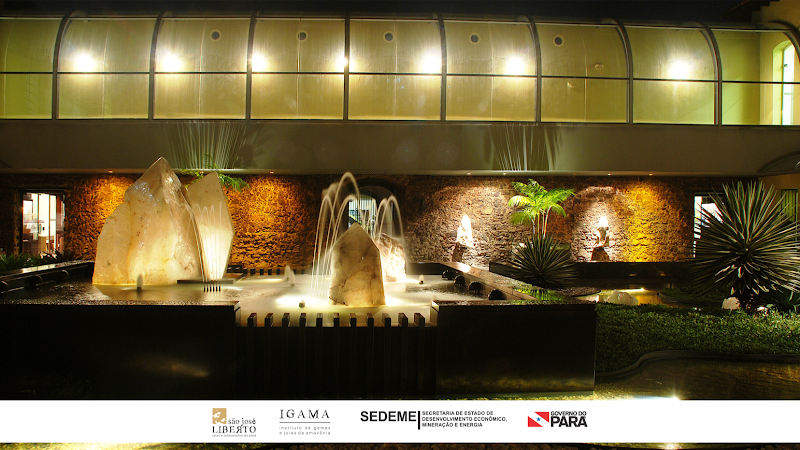
  • Extensive collection of Amazonian gems and minerals in the dedicated museum section, showcasing stones like tourmaline, topaz, and amethyst sourced from regional mines
  • Multiple artisan workshops where visitors can watch craftspeople create traditional Belém handicrafts using techniques passed down through generations
  • Fashion and jewelry boutiques featuring contemporary designers who incorporate Amazonian materials and indigenous design influences into modern pieces
  • Handicraft fair with rotating vendors selling ceramics, textiles, woodwork, and other locally-made items at more accessible price points than high-end galleries
  • Original chapel space preserved within the complex, offering a quiet retreat and glimpse into the building's religious heritage
  • Colonial architecture throughout, including the central courtyard that serves as a gathering space and occasional venue for cultural events
  • Full accessibility features including wheelchair-accessible entrances, parking, and restroom facilities – something that can't be said for many historic buildings in the region
  • Air-conditioned interior spaces that provide welcome relief from Belém's tropical heat while browsing exhibits and shops

Visitor Guide & Information

Description

The São José Liberto Cultural Center and Gems Museum stands as one of Belém’s most remarkable transformations – an 18th century convent building that’s been given new life as a creative hub showcasing the artistic soul of the Amazon region. When you walk through these historic walls, you’re stepping into a space where centuries-old architecture meets contemporary craft traditions in ways that feel genuinely authentic rather than forced.

The building itself tells quite a story. Originally constructed as a convent, it later served as a prison before being carefully restored and reimagined as this cultural space. And honestly, that history adds layers to your visit that you won’t find in modern museums. The thick colonial walls, arched corridors, and courtyard spaces create an atmosphere that’s both contemplative and energizing – perfect for showcasing the intricate handicrafts and jewelry that the region is known for.

What makes this place different from your typical tourist attraction is how it functions as an actual working creative hub. This isn’t just about looking at artifacts behind glass. You’ll find jewelry designers actively working on pieces, artisans demonstrating traditional techniques, and stalls where craftspeople sell directly to visitors. The gems museum component focuses particularly on the mineral wealth of the Amazon, displaying stones and crystals that most travelers don’t realize come from this region.

The space manages to be several things at once – part museum, part marketplace, part workshop, part chapel, and even includes coworking areas where local creatives can collaborate. I’ve always thought that places function best when they serve the community first and tourists second, and this center seems to have found that balance reasonably well.

Key Features

The São José Liberto offers visitors a distinctive mix of experiences within its restored colonial structure:

  • Extensive collection of Amazonian gems and minerals in the dedicated museum section, showcasing stones like tourmaline, topaz, and amethyst sourced from regional mines
  • Multiple artisan workshops where visitors can watch craftspeople create traditional Belém handicrafts using techniques passed down through generations
  • Fashion and jewelry boutiques featuring contemporary designers who incorporate Amazonian materials and indigenous design influences into modern pieces
  • Handicraft fair with rotating vendors selling ceramics, textiles, woodwork, and other locally-made items at more accessible price points than high-end galleries
  • Original chapel space preserved within the complex, offering a quiet retreat and glimpse into the building’s religious heritage
  • Colonial architecture throughout, including the central courtyard that serves as a gathering space and occasional venue for cultural events
  • Full accessibility features including wheelchair-accessible entrances, parking, and restroom facilities – something that can’t be said for many historic buildings in the region
  • Air-conditioned interior spaces that provide welcome relief from Belém’s tropical heat while browsing exhibits and shops
  • Restaurant and café options on-site for extended visits, though the selection can be hit-or-miss depending on the day
  • Coworking spaces utilized by local artists and entrepreneurs, adding to the authentic working atmosphere of the complex

Best Time to Visit

Timing your visit to São José Liberto requires thinking about both weather patterns and the cultural calendar of Belém. The center is open throughout the year, but your experience will vary considerably depending on when you go.

From a climate perspective, Belém doesn’t really have seasons the way temperate regions do – it’s more about degrees of rainfall. The drier months generally fall between June and November, which makes moving between the different sections of the complex more pleasant since you’ll occasionally step through outdoor corridors and the courtyard. But honestly, even during wetter months, the covered areas protect most of the experience.

Weekday mornings tend to offer the most peaceful browsing experience. You’ll have more room to examine the gem collections closely and can actually have conversations with the artisans without competing with large groups. I’ve found that Tuesday through Thursday mornings are particularly good – you get the energy of an active workspace without the weekend crowds.

Weekend afternoons bring more local families and can feel quite busy, especially in the handicraft fair sections. This isn’t necessarily bad – there’s something authentic about experiencing the center when it’s fulfilling its role as a community space rather than primarily a tourist destination. But if you’re someone who prefers contemplative museum experiences, you might find the weekend energy a bit much.

Special events and exhibitions rotate through the calendar, and these can significantly enhance a visit. Check what’s scheduled during your travel dates – sometimes there are demonstrations of traditional craft techniques or temporary exhibitions featuring specific artists that add depth to the standard offerings.

Avoid going during the absolute middle of the day, particularly between noon and 2 PM. Even with air conditioning, the tropical heat affects the comfort level, and many of the working artisans take breaks during this period, so you’ll miss out on the interactive elements that make this place special.

How to Get There

The São José Liberto sits in Belém’s historic Cidade Velha district, which puts it within reasonable distance of many hotels and other attractions travelers typically visit. Getting there is straightforward once you understand the city’s layout.

Taxis and ride-sharing services work well for reaching the cultural center. From most hotels in the central tourist areas, you’re looking at a 10-15 minute ride depending on traffic. Make sure your driver knows you’re going to “São José Liberto” or the “Gems Museum” – some drivers know it better by one name than the other.

If you’re already exploring the Cidade Velha neighborhood on foot – perhaps visiting the Ver-o-Peso market or the Forte do Presépio – the cultural center makes a logical next stop. The walk from Ver-o-Peso takes about 15 minutes through interesting streets, though pay attention to your surroundings and avoid displaying expensive cameras or jewelry too prominently.

Public buses serve the area, though navigating Belém’s bus system requires patience and ideally some Portuguese language skills. The buses can be crowded and routes aren’t always clearly marked for visitors. Unless you’re particularly adventurous or budget-conscious, other transportation options will likely serve you better.

The center provides wheelchair-accessible parking for those renting vehicles, though driving in Belém takes some getting used to. Parking in the historic district can be challenging during busy periods, so arriving earlier in the day helps secure spots.

Consider combining your visit with other nearby attractions to maximize your time in this part of the city. The historic district has a concentration of colonial architecture, museums, and markets that work well as a half-day or full-day itinerary.

Tips for Visiting

Getting the most from your time at São José Liberto involves understanding how this multifaceted space actually works in practice rather than in theory.

Bring cash even though the center accepts credit cards, debit cards, and mobile payments. Some of the smaller artisan stalls operate on cash-only basis, and you’ll have more negotiating flexibility at the handicraft fair when purchasing directly from makers. ATMs in the immediate area can have lines, so come prepared.

Take your time in the gems museum section. Many visitors rush through to get to the shopping areas, but the mineral displays offer fascinating context about the geological richness of the Amazon that you won’t fully appreciate elsewhere. Understanding which stones come from which regions makes the jewelry pieces you’ll see later more meaningful.

Don’t be shy about talking with the artisans and designers. Most are genuinely happy to explain their techniques and inspiration – that’s part of why they work in this open studio format rather than hidden workshops. You’ll learn things about traditional Amazonian crafts that don’t appear in guidebooks. And yes, some speak English, though basic Portuguese phrases will enhance these interactions.

Photography is generally permitted, but always ask before photographing individual artisans at work. It’s both respectful and often leads to better photo opportunities since they may pause or position themselves better once they know you’re interested.

Wear comfortable walking shoes. The colonial-era floors aren’t always perfectly even, and you’ll cover more ground than you might expect moving between the different sections and levels of the complex.

Budget more time than you initially think you’ll need. What looks like a quick one-hour visit often extends to two or three hours once you start engaging with the exhibits, watching demonstrations, and browsing the various shops and stalls. There’s no need to rush unless your schedule demands it.

The restroom facilities are available and maintained to reasonable standards – worth noting since clean restrooms aren’t guaranteed at every historic site in the region.

Be prepared for varying price ranges. Some jewelry pieces using high-quality Amazonian gems command serious prices that reflect the materials and craftsmanship. But the handicraft fair offers plenty of beautiful items at more modest price points. Don’t assume everything will be expensive or everything will be cheap.

If you’re seriously interested in purchasing jewelry, visit multiple designers before making decisions. Each interprets Amazonian materials differently, and the variety of styles available might surprise you. Prices for similar pieces can vary considerably, though quality varies too.

The chapel space often gets overlooked but deserves a few minutes of your time. It provides historical context for the building and offers a moment of quiet reflection that contrasts nicely with the busier commercial areas.

Consider timing your visit to include a meal or coffee break at the on-site facilities. While the food won’t be the highlight of your trip, it’s convenient and lets you extend your stay without having to leave and return.

Community & Insider Notes

Last modified March 30, 2026

Description

The São José Liberto Cultural Center and Gems Museum stands as one of Belém’s most remarkable transformations – an 18th century convent building that’s been given new life as a creative hub showcasing the artistic soul of the Amazon region. When you walk through these historic walls, you’re stepping into a space where centuries-old architecture meets contemporary craft traditions in ways that feel genuinely authentic rather than forced.

The building itself tells quite a story. Originally constructed as a convent, it later served as a prison before being carefully restored and reimagined as this cultural space. And honestly, that history adds layers to your visit that you won’t find in modern museums. The thick colonial walls, arched corridors, and courtyard spaces create an atmosphere that’s both contemplative and energizing – perfect for showcasing the intricate handicrafts and jewelry that the region is known for.

What makes this place different from your typical tourist attraction is how it functions as an actual working creative hub. This isn’t just about looking at artifacts behind glass. You’ll find jewelry designers actively working on pieces, artisans demonstrating traditional techniques, and stalls where craftspeople sell directly to visitors. The gems museum component focuses particularly on the mineral wealth of the Amazon, displaying stones and crystals that most travelers don’t realize come from this region.

The space manages to be several things at once – part museum, part marketplace, part workshop, part chapel, and even includes coworking areas where local creatives can collaborate. I’ve always thought that places function best when they serve the community first and tourists second, and this center seems to have found that balance reasonably well.

Key Features

The São José Liberto offers visitors a distinctive mix of experiences within its restored colonial structure:

  • Extensive collection of Amazonian gems and minerals in the dedicated museum section, showcasing stones like tourmaline, topaz, and amethyst sourced from regional mines
  • Multiple artisan workshops where visitors can watch craftspeople create traditional Belém handicrafts using techniques passed down through generations
  • Fashion and jewelry boutiques featuring contemporary designers who incorporate Amazonian materials and indigenous design influences into modern pieces
  • Handicraft fair with rotating vendors selling ceramics, textiles, woodwork, and other locally-made items at more accessible price points than high-end galleries
  • Original chapel space preserved within the complex, offering a quiet retreat and glimpse into the building’s religious heritage
  • Colonial architecture throughout, including the central courtyard that serves as a gathering space and occasional venue for cultural events
  • Full accessibility features including wheelchair-accessible entrances, parking, and restroom facilities – something that can’t be said for many historic buildings in the region
  • Air-conditioned interior spaces that provide welcome relief from Belém’s tropical heat while browsing exhibits and shops
  • Restaurant and café options on-site for extended visits, though the selection can be hit-or-miss depending on the day
  • Coworking spaces utilized by local artists and entrepreneurs, adding to the authentic working atmosphere of the complex

Best Time to Visit

Timing your visit to São José Liberto requires thinking about both weather patterns and the cultural calendar of Belém. The center is open throughout the year, but your experience will vary considerably depending on when you go.

From a climate perspective, Belém doesn’t really have seasons the way temperate regions do – it’s more about degrees of rainfall. The drier months generally fall between June and November, which makes moving between the different sections of the complex more pleasant since you’ll occasionally step through outdoor corridors and the courtyard. But honestly, even during wetter months, the covered areas protect most of the experience.

Weekday mornings tend to offer the most peaceful browsing experience. You’ll have more room to examine the gem collections closely and can actually have conversations with the artisans without competing with large groups. I’ve found that Tuesday through Thursday mornings are particularly good – you get the energy of an active workspace without the weekend crowds.

Weekend afternoons bring more local families and can feel quite busy, especially in the handicraft fair sections. This isn’t necessarily bad – there’s something authentic about experiencing the center when it’s fulfilling its role as a community space rather than primarily a tourist destination. But if you’re someone who prefers contemplative museum experiences, you might find the weekend energy a bit much.

Special events and exhibitions rotate through the calendar, and these can significantly enhance a visit. Check what’s scheduled during your travel dates – sometimes there are demonstrations of traditional craft techniques or temporary exhibitions featuring specific artists that add depth to the standard offerings.

Avoid going during the absolute middle of the day, particularly between noon and 2 PM. Even with air conditioning, the tropical heat affects the comfort level, and many of the working artisans take breaks during this period, so you’ll miss out on the interactive elements that make this place special.

How to Get There

The São José Liberto sits in Belém’s historic Cidade Velha district, which puts it within reasonable distance of many hotels and other attractions travelers typically visit. Getting there is straightforward once you understand the city’s layout.

Taxis and ride-sharing services work well for reaching the cultural center. From most hotels in the central tourist areas, you’re looking at a 10-15 minute ride depending on traffic. Make sure your driver knows you’re going to “São José Liberto” or the “Gems Museum” – some drivers know it better by one name than the other.

If you’re already exploring the Cidade Velha neighborhood on foot – perhaps visiting the Ver-o-Peso market or the Forte do Presépio – the cultural center makes a logical next stop. The walk from Ver-o-Peso takes about 15 minutes through interesting streets, though pay attention to your surroundings and avoid displaying expensive cameras or jewelry too prominently.

Public buses serve the area, though navigating Belém’s bus system requires patience and ideally some Portuguese language skills. The buses can be crowded and routes aren’t always clearly marked for visitors. Unless you’re particularly adventurous or budget-conscious, other transportation options will likely serve you better.

The center provides wheelchair-accessible parking for those renting vehicles, though driving in Belém takes some getting used to. Parking in the historic district can be challenging during busy periods, so arriving earlier in the day helps secure spots.

Consider combining your visit with other nearby attractions to maximize your time in this part of the city. The historic district has a concentration of colonial architecture, museums, and markets that work well as a half-day or full-day itinerary.

Tips for Visiting

Getting the most from your time at São José Liberto involves understanding how this multifaceted space actually works in practice rather than in theory.

Bring cash even though the center accepts credit cards, debit cards, and mobile payments. Some of the smaller artisan stalls operate on cash-only basis, and you’ll have more negotiating flexibility at the handicraft fair when purchasing directly from makers. ATMs in the immediate area can have lines, so come prepared.

Take your time in the gems museum section. Many visitors rush through to get to the shopping areas, but the mineral displays offer fascinating context about the geological richness of the Amazon that you won’t fully appreciate elsewhere. Understanding which stones come from which regions makes the jewelry pieces you’ll see later more meaningful.

Don’t be shy about talking with the artisans and designers. Most are genuinely happy to explain their techniques and inspiration – that’s part of why they work in this open studio format rather than hidden workshops. You’ll learn things about traditional Amazonian crafts that don’t appear in guidebooks. And yes, some speak English, though basic Portuguese phrases will enhance these interactions.

Photography is generally permitted, but always ask before photographing individual artisans at work. It’s both respectful and often leads to better photo opportunities since they may pause or position themselves better once they know you’re interested.

Wear comfortable walking shoes. The colonial-era floors aren’t always perfectly even, and you’ll cover more ground than you might expect moving between the different sections and levels of the complex.

Budget more time than you initially think you’ll need. What looks like a quick one-hour visit often extends to two or three hours once you start engaging with the exhibits, watching demonstrations, and browsing the various shops and stalls. There’s no need to rush unless your schedule demands it.

The restroom facilities are available and maintained to reasonable standards – worth noting since clean restrooms aren’t guaranteed at every historic site in the region.

Be prepared for varying price ranges. Some jewelry pieces using high-quality Amazonian gems command serious prices that reflect the materials and craftsmanship. But the handicraft fair offers plenty of beautiful items at more modest price points. Don’t assume everything will be expensive or everything will be cheap.

If you’re seriously interested in purchasing jewelry, visit multiple designers before making decisions. Each interprets Amazonian materials differently, and the variety of styles available might surprise you. Prices for similar pieces can vary considerably, though quality varies too.

The chapel space often gets overlooked but deserves a few minutes of your time. It provides historical context for the building and offers a moment of quiet reflection that contrasts nicely with the busier commercial areas.

Consider timing your visit to include a meal or coffee break at the on-site facilities. While the food won’t be the highlight of your trip, it’s convenient and lets you extend your stay without having to leave and return.

Key Highlights

  • Extensive collection of Amazonian gems and minerals in the dedicated museum section, showcasing stones like tourmaline, topaz, and amethyst sourced from regional mines
  • Multiple artisan workshops where visitors can watch craftspeople create traditional Belém handicrafts using techniques passed down through generations
  • Fashion and jewelry boutiques featuring contemporary designers who incorporate Amazonian materials and indigenous design influences into modern pieces
  • Handicraft fair with rotating vendors selling ceramics, textiles, woodwork, and other locally-made items at more accessible price points than high-end galleries
  • Original chapel space preserved within the complex, offering a quiet retreat and glimpse into the building's religious heritage
  • Colonial architecture throughout, including the central courtyard that serves as a gathering space and occasional venue for cultural events
  • Full accessibility features including wheelchair-accessible entrances, parking, and restroom facilities – something that can't be said for many historic buildings in the region
  • Air-conditioned interior spaces that provide welcome relief from Belém's tropical heat while browsing exhibits and shops

Location

Places to Stay Near São José Liberto – Cultural Center and Gems Museum

Find and Book a Tour

Explore More Travel Guides

No reviews found! Be the first to review!

Select a Rating5 Stars4 Stars3 Stars2 Stars1 Star

São José Liberto – Cultural Center and Gems Museum is a prominent attractions located in Belém.

Visit us at: Praça Amazonas, s/n – Jurunas, Belém – PA, 66025-070 브라질.

Nearby Attractions (Within 5 km)

Explore verified points of interest within walking or short transit distance.

No neighboring places mapped within 5 km yet.

Find Places to Stay Nearby

Stay22 provides this accommodation search. We may earn a commission if you book through it; verify current prices and terms with the provider.

Recommended Experiences & Activities

GetYourGuide provides this tour inventory. We may earn a commission if you book through it; verify current availability, prices, and terms with the provider.

Top Viator Experiences & Guided Tours in Belém

We may earn a commission if you book through links on this page at no extra cost to you. All tours feature verified customer reviews and flexible cancellation options.

Traveler Reviews & Community Q&A

No traveler reviews yet. Share your experience below!

No traveler questions yet. Be the first to ask a local!

Real Journey Travels Community

Reset your password · Create an account