About Feliz Lusitânia-Complex

Description

The Feliz Lusitânia Complex stands as one of Belém's most remarkable historical treasures, bringing together centuries of Portuguese colonial architecture and Brazilian heritage in a way that few other places manage to accomplish. This open-air museum spreads across a carefully restored colonial quarter that tells the story of Brazil's past through its buildings, artifacts, and atmospheric streets that seem frozen in time. I've always believed that the best museums are the ones you can walk through and touch – well, maybe not literally touch everything – but you know what I mean. This complex gives visitors that rare opportunity to step directly into history rather than just reading about it behind glass cases. The collection of restored buildings includes churches, fortifications, and administrative structures that date back to the colonial period, each one revealing different layers of the region's fascinating past. What makes this place genuinely special is how it functions as both a museum and a living piece of the city. You're not just observing history from a distance; you're walking the same cobblestones that merchants, missionaries, and indigenous peoples walked hundreds of years ago. The preservation work here has been nothing short of remarkable, maintaining the authentic character of these structures while making them accessible to modern visitors. The complex earned its name – which translates to "Happy Portugal" – from the neighborhood where it sits, and there's something almost poetic about that. These buildings have witnessed everything from the height of Portuguese power in the Americas to Brazil's journey toward independence and beyond. And they're still standing, still telling their stories to anyone willing to listen.

Key Features

The Feliz Lusitânia Complex offers visitors an impressive array of historical buildings and experiences that make it worth spending several hours exploring: • The Metropolitan Cathedral of Belém serves as one of the complex's centerpieces, featuring stunning baroque architecture and religious art that spans multiple centuries • Fort of the Presépio, the oldest structure in the entire city, provides incredible views over the Guajará Bay while telling the story of Belém's founding and military history • The Museum of Sacred Art houses an extensive collection of religious artifacts, sculptures, and paintings that showcase the region's Catholic heritage and artistic traditions • Multiple restored colonial buildings demonstrate different architectural styles and periods, giving visitors a comprehensive look at how construction and design evolved over time • Well-maintained grounds with shaded areas perfect for taking breaks between exploring the various structures • Wheelchair accessible facilities throughout the complex, ensuring that visitors of all mobility levels can experience these historical treasures • On-site restaurant facilities where you can grab refreshments without having to leave the complex • Family-friendly layout with enough variety to keep children engaged while adults appreciate the historical significance • Educational displays and informational materials that provide context about each building's role in regional history • Strategic location that allows you to visit multiple significant sites within walking distance of each other

Best Time to Visit

Timing your visit to the Feliz Lusitânia Complex can really make or break your experience. The climate in Belém stays pretty warm year-round, but there's definitely some variation that's worth considering before you book your trip. The dry season, which runs from June through November, typically offers the most comfortable conditions for exploring an open-air museum. You'll still encounter heat – this is the Amazon region, after all – but at least you won't be dodging constant rain showers while trying to appreciate colonial architecture. I remember visiting an outdoor historical site during rainy season once, and let me tell you, there's nothing quite like trying to take photos while holding an umbrella and keeping your feet from sliding on wet cobblestones. Early mornings present the absolute best conditions for your visit. The complex opens when temperatures are still relatively bearable, and you'll beat the larger tour groups that tend to arrive mid-morning. There's something magical about experiencing these old buildings in the soft morning light anyway – the way the sun hits those colonial facades creates photo opportunities you just can't replicate later in the day. Weekdays generally see fewer crowds than weekends, particularly during the local school holiday periods when Brazilian families flock to educational attractions. But honestly, even on busier days, the complex spreads visitors out enough that you rarely feel overwhelmed by crowds. The period between August and October hits a sweet spot where you get drier weather without the peak tourist season prices. Your wallet will thank you, and you'll still enjoy excellent conditions for exploring. Just avoid the absolute peak of midday heat between noon and 3 PM if possible. The colonial buildings provide some shade, sure, but you'll be doing a fair amount of walking between structures, and that equatorial sun doesn't mess around.

How to Get There

Getting to the Feliz Lusitânia Complex is surprisingly straightforward once you understand Belém's layout. The complex sits in the Cidade Velha (Old City) district, which most visitors find easy to navigate. If you're staying in the central tourist areas of Belém, you can actually walk to the complex – it's part of what makes this destination so accessible. The surrounding neighborhood itself qualifies as an attraction, with colonial-era streets and traditional architecture that give you a preview of what you'll see in the complex itself. Taxis and ride-sharing services like Uber operate throughout Belém and can drop you directly at the complex entrance. The parking lot accommodates visitors arriving by car, and the wheelchair-accessible parking makes life easier for those who need it. Just tell your driver you're heading to the Feliz Lusitânia Complex or mention one of the major structures like the Cathedral or Fort of the Presépio – most local drivers know exactly where you're talking about. Public transportation serves the area reasonably well, though buses can get crowded during peak hours. Several bus lines stop within a few blocks of the complex, and you'll find the walk from the bus stop through the historic streets adds to the overall experience rather than detracting from it. Many hotels in Belém offer organized tours that include the complex as part of a broader historical circuit of the city. These can be worth considering if you're not confident navigating on your own or if you want expert commentary throughout your visit. But honestly, the complex is user-friendly enough that independent travelers shouldn't feel intimidated about going solo. The surrounding area has decent signage, and locals are generally helpful if you need to ask for directions. Don't be shy about pulling out a map or using your phone's GPS – even longtime residents sometimes need help finding specific locations in the winding streets of Cidade Velha.

Tips for Visiting

After talking to dozens of travelers who've explored this complex and drawing from my own experiences visiting similar historical sites, here are some practical tips that'll help you make the most of your time there. Wear comfortable walking shoes – and I can't stress this enough. Those colonial cobblestones look charming in photos but they're murder on feet that aren't properly supported. Flip-flops or fashion sneakers won't cut it here. You need actual walking shoes with good arch support and grippy soles. Bring water and stay hydrated throughout your visit. Yes, there's a restaurant on site, but you don't want to have to interrupt your exploration of a fascinating building because you're desperately thirsty. A refillable water bottle should be part of your standard packing list. The complex deserves at least two to three hours of your time if you want to see everything properly. Don't try to squeeze it into a quick 45-minute stop between other activities. These buildings have stories to tell, and rushing through them means you'll miss half of what makes them special. Consider hiring a local guide for at least part of your visit. While you can certainly explore independently, guides bring these spaces to life with stories and historical details you simply won't get from reading informational plaques. The investment usually pays off in enhanced understanding and appreciation. Photography is generally permitted, but be respectful in the religious spaces. Some areas of the cathedral and sacred art museum may have restrictions on flash photography or photography in general. When in doubt, ask first. The restaurant facilities are handy, but the food options might be limited. If you're particular about your meals or have dietary restrictions, you might want to eat before arriving or bring some snacks with you. Check the weather forecast before heading out and plan accordingly. Even during the dry season, surprise showers can pop up. A lightweight rain jacket or compact umbrella takes up minimal space in your bag but can save your visit if the weather turns. The complex works beautifully as a family destination, but bring activities or snacks to keep younger children engaged during the parts that might not hold their attention. Not every seven-year-old finds colonial architecture as fascinating as their parents do – trust me on this one. Take advantage of the wheelchair accessibility if you or your travel companions need it. The complex has made genuine efforts to ensure everyone can experience these historical treasures, which isn't always the case with colonial-era buildings. Don't skip the Fort of the Presépio even if you're getting tired. The views from the fortification alone justify the visit, and it's the oldest surviving structure in the entire city. You're literally standing where Belém began. Allow time to simply sit and absorb the atmosphere. These spaces have witnessed over 400 years of history, and sometimes the best way to appreciate that is to find a shaded spot, sit down, and just observe. You'll notice details you'd miss while rushing from building to building. The surrounding Cidade Velha neighborhood deserves exploration before or after your complex visit. The streets immediately around the complex feature traditional architecture, local shops, and authentic restaurants where you can experience contemporary Belém culture alongside its historical heritage. Finally, manage your expectations about crowds. With over 80% of recent visitors rating their experience as four or five stars, this place attracts plenty of tourists. But the layout spreads people out effectively, and you'll find quiet corners even on busy days. The quality of what you're seeing far outweighs any minor inconvenience from sharing the space with other history enthusiasts.

Key Features

  • Key Features
  • Best Time to Visit
  • How to Get There
  • Tips for Visiting

More Details

Updated March 30, 2026

Description

The Feliz Lusitânia Complex stands as one of Belém’s most remarkable historical treasures, bringing together centuries of Portuguese colonial architecture and Brazilian heritage in a way that few other places manage to accomplish. This open-air museum spreads across a carefully restored colonial quarter that tells the story of Brazil’s past through its buildings, artifacts, and atmospheric streets that seem frozen in time.

I’ve always believed that the best museums are the ones you can walk through and touch – well, maybe not literally touch everything – but you know what I mean. This complex gives visitors that rare opportunity to step directly into history rather than just reading about it behind glass cases. The collection of restored buildings includes churches, fortifications, and administrative structures that date back to the colonial period, each one revealing different layers of the region’s fascinating past.

What makes this place genuinely special is how it functions as both a museum and a living piece of the city. You’re not just observing history from a distance; you’re walking the same cobblestones that merchants, missionaries, and indigenous peoples walked hundreds of years ago. The preservation work here has been nothing short of remarkable, maintaining the authentic character of these structures while making them accessible to modern visitors.

The complex earned its name – which translates to “Happy Portugal” – from the neighborhood where it sits, and there’s something almost poetic about that. These buildings have witnessed everything from the height of Portuguese power in the Americas to Brazil’s journey toward independence and beyond. And they’re still standing, still telling their stories to anyone willing to listen.

Key Features

The Feliz Lusitânia Complex offers visitors an impressive array of historical buildings and experiences that make it worth spending several hours exploring:

• The Metropolitan Cathedral of Belém serves as one of the complex’s centerpieces, featuring stunning baroque architecture and religious art that spans multiple centuries

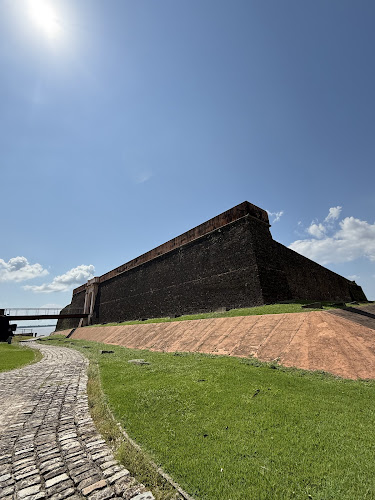
• Fort of the Presépio, the oldest structure in the entire city, provides incredible views over the Guajará Bay while telling the story of Belém’s founding and military history

• The Museum of Sacred Art houses an extensive collection of religious artifacts, sculptures, and paintings that showcase the region’s Catholic heritage and artistic traditions

• Multiple restored colonial buildings demonstrate different architectural styles and periods, giving visitors a comprehensive look at how construction and design evolved over time

• Well-maintained grounds with shaded areas perfect for taking breaks between exploring the various structures

• Wheelchair accessible facilities throughout the complex, ensuring that visitors of all mobility levels can experience these historical treasures

• On-site restaurant facilities where you can grab refreshments without having to leave the complex

• Family-friendly layout with enough variety to keep children engaged while adults appreciate the historical significance

• Educational displays and informational materials that provide context about each building’s role in regional history

• Strategic location that allows you to visit multiple significant sites within walking distance of each other

Best Time to Visit

Timing your visit to the Feliz Lusitânia Complex can really make or break your experience. The climate in Belém stays pretty warm year-round, but there’s definitely some variation that’s worth considering before you book your trip.

The dry season, which runs from June through November, typically offers the most comfortable conditions for exploring an open-air museum. You’ll still encounter heat – this is the Amazon region, after all – but at least you won’t be dodging constant rain showers while trying to appreciate colonial architecture. I remember visiting an outdoor historical site during rainy season once, and let me tell you, there’s nothing quite like trying to take photos while holding an umbrella and keeping your feet from sliding on wet cobblestones.

Early mornings present the absolute best conditions for your visit. The complex opens when temperatures are still relatively bearable, and you’ll beat the larger tour groups that tend to arrive mid-morning. There’s something magical about experiencing these old buildings in the soft morning light anyway – the way the sun hits those colonial facades creates photo opportunities you just can’t replicate later in the day.

Weekdays generally see fewer crowds than weekends, particularly during the local school holiday periods when Brazilian families flock to educational attractions. But honestly, even on busier days, the complex spreads visitors out enough that you rarely feel overwhelmed by crowds.

The period between August and October hits a sweet spot where you get drier weather without the peak tourist season prices. Your wallet will thank you, and you’ll still enjoy excellent conditions for exploring.

Just avoid the absolute peak of midday heat between noon and 3 PM if possible. The colonial buildings provide some shade, sure, but you’ll be doing a fair amount of walking between structures, and that equatorial sun doesn’t mess around.

How to Get There

Getting to the Feliz Lusitânia Complex is surprisingly straightforward once you understand Belém’s layout. The complex sits in the Cidade Velha (Old City) district, which most visitors find easy to navigate.

If you’re staying in the central tourist areas of Belém, you can actually walk to the complex – it’s part of what makes this destination so accessible. The surrounding neighborhood itself qualifies as an attraction, with colonial-era streets and traditional architecture that give you a preview of what you’ll see in the complex itself.

Taxis and ride-sharing services like Uber operate throughout Belém and can drop you directly at the complex entrance. The parking lot accommodates visitors arriving by car, and the wheelchair-accessible parking makes life easier for those who need it. Just tell your driver you’re heading to the Feliz Lusitânia Complex or mention one of the major structures like the Cathedral or Fort of the Presépio – most local drivers know exactly where you’re talking about.

Public transportation serves the area reasonably well, though buses can get crowded during peak hours. Several bus lines stop within a few blocks of the complex, and you’ll find the walk from the bus stop through the historic streets adds to the overall experience rather than detracting from it.

Many hotels in Belém offer organized tours that include the complex as part of a broader historical circuit of the city. These can be worth considering if you’re not confident navigating on your own or if you want expert commentary throughout your visit. But honestly, the complex is user-friendly enough that independent travelers shouldn’t feel intimidated about going solo.

The surrounding area has decent signage, and locals are generally helpful if you need to ask for directions. Don’t be shy about pulling out a map or using your phone’s GPS – even longtime residents sometimes need help finding specific locations in the winding streets of Cidade Velha.

Tips for Visiting

After talking to dozens of travelers who’ve explored this complex and drawing from my own experiences visiting similar historical sites, here are some practical tips that’ll help you make the most of your time there.

Wear comfortable walking shoes – and I can’t stress this enough. Those colonial cobblestones look charming in photos but they’re murder on feet that aren’t properly supported. Flip-flops or fashion sneakers won’t cut it here. You need actual walking shoes with good arch support and grippy soles.

Bring water and stay hydrated throughout your visit. Yes, there’s a restaurant on site, but you don’t want to have to interrupt your exploration of a fascinating building because you’re desperately thirsty. A refillable water bottle should be part of your standard packing list.

The complex deserves at least two to three hours of your time if you want to see everything properly. Don’t try to squeeze it into a quick 45-minute stop between other activities. These buildings have stories to tell, and rushing through them means you’ll miss half of what makes them special.

Consider hiring a local guide for at least part of your visit. While you can certainly explore independently, guides bring these spaces to life with stories and historical details you simply won’t get from reading informational plaques. The investment usually pays off in enhanced understanding and appreciation.

Photography is generally permitted, but be respectful in the religious spaces. Some areas of the cathedral and sacred art museum may have restrictions on flash photography or photography in general. When in doubt, ask first.

The restaurant facilities are handy, but the food options might be limited. If you’re particular about your meals or have dietary restrictions, you might want to eat before arriving or bring some snacks with you.

Check the weather forecast before heading out and plan accordingly. Even during the dry season, surprise showers can pop up. A lightweight rain jacket or compact umbrella takes up minimal space in your bag but can save your visit if the weather turns.

The complex works beautifully as a family destination, but bring activities or snacks to keep younger children engaged during the parts that might not hold their attention. Not every seven-year-old finds colonial architecture as fascinating as their parents do – trust me on this one.

Take advantage of the wheelchair accessibility if you or your travel companions need it. The complex has made genuine efforts to ensure everyone can experience these historical treasures, which isn’t always the case with colonial-era buildings.

Don’t skip the Fort of the Presépio even if you’re getting tired. The views from the fortification alone justify the visit, and it’s the oldest surviving structure in the entire city. You’re literally standing where Belém began.

Allow time to simply sit and absorb the atmosphere. These spaces have witnessed over 400 years of history, and sometimes the best way to appreciate that is to find a shaded spot, sit down, and just observe. You’ll notice details you’d miss while rushing from building to building.

The surrounding Cidade Velha neighborhood deserves exploration before or after your complex visit. The streets immediately around the complex feature traditional architecture, local shops, and authentic restaurants where you can experience contemporary Belém culture alongside its historical heritage.

Finally, manage your expectations about crowds. With over 80% of recent visitors rating their experience as four or five stars, this place attracts plenty of tourists. But the layout spreads people out effectively, and you’ll find quiet corners even on busy days. The quality of what you’re seeing far outweighs any minor inconvenience from sharing the space with other history enthusiasts.

Key Highlights

  • Key Features
  • Best Time to Visit
  • How to Get There
  • Tips for Visiting

Location

Places to Stay Near Feliz Lusitânia-Complex

Find and Book a Tour

Explore More Travel Guides

No reviews found! Be the first to review!

Feliz Lusitânia-Complex is a prominent museums located in Belém.

Visit us at: R. Siqueira Mendes, 2-240 – Cidade Velha, Belém – PA, 66020-600, Brazil.

Traveler Reviews for Feliz Lusitânia-Complex

There are no reviews yet. Be the first one to write one.

Share Your Experience

Have you visited Feliz Lusitânia-Complex? Help other travelers by sharing your review.

Find Accommodations Nearby

Recommended Tours & Activities

Visitor Reviews

There are no reviews yet. Be the first one to write one.

Share Your Experience

Have you visited Feliz Lusitânia-Complex? Help other travelers by leaving a review.