
Cattedrale di Parma
About Cattedrale di Parma
Cattedrale di Parma: History, Art, and Practical Tips for Visiting
Cattedrale di Parma (the Cathedral of Santa Maria Assunta) is one of the most important Romanesque churches in Italy and the spiritual heart of Parma. The building dominates Piazza Duomo together with the Baptistery and bell tower, forming a compact historic complex that has grown since the 11th century.
More than “just” a beautiful church, it’s a textbook in stone and fresco: Romanesque architecture on the outside, Renaissance and Mannerist painting inside, and one of the most influential domes of the Italian Renaissance by Correggio.
---
A Short History of the Duomo
- Dedication and role – Parma Cathedral is a Roman Catholic cathedral dedicated to the Assumption of the Blessed Virgin Mary and serves as the seat of the Diocese of Parma.
- Early origins – Earlier churches stood in Parma from at least the 6th–9th centuries. After a fire destroyed the early Christian basilica in 1058, a new cathedral was begun under Bishop Cadalo on a different site.
- Romanesque core – The present building, largely completed and consecrated in 1106, is a prime example of Lombard Romanesque. Parts of the original 11th–12th-century structure still visible today include the presbytery, transept, choir, and apses.
- Earthquake and repairs – An earthquake in 1117 damaged the cathedral significantly, leading to reconstruction and reinforcement, but without changing its fundamental Romanesque character.
Across the following centuries, Parma’s bishops and civic elites commissioned new sculptures, frescoes, and chapels. The result is the layered interior visitors see today: Romanesque volumes filled with Renaissance and Mannerist painting.
---
Exterior: Romanesque Façade and Piazza Duomo
Façade and Bell Tower
Standing on Piazza Duomo, you see the classic Romanesque façade built from sandstone blocks, organized in three vertical sections corresponding to the nave and side aisles. It was completed in the late 12th century.
Key features to notice:
- Three portals on the front, with sculpted doors dating to the 15th century and later additions.
- Romanesque loggias (rows of small arches) on the upper façade, typical of the Po Valley Romanesque style.
- Marble lions at the main portal, carved in 1281, supporting columns of the entrance porch.
- Gothic bell tower, added between 1284 and 1294, topped with a gilded copper angel.
The Baptistery and Diocesan Museum
Immediately beside the cathedral stands Parma’s octagonal Baptistery, one of Europe’s most important medieval baptisteries, and the Diocesan Museum housed in the nearby palace. These are separate monuments but visually and historically linked to the Duomo: most visitors see all three in a single visit to Piazza Duomo.
---
Interior Layout: What You’ll See When You Step Inside
The cathedral has a Latin cross plan with a nave and two side aisles divided by massive pillars. The presbytery and transept are slightly raised, allowing space for the crypt underneath.
Important structural elements:
- Nave and aisles – Look at the capitals on the pillars: many are richly carved with foliage, mythological creatures, and biblical scenes, typical of Romanesque sculpture in northern Italy.
- Crypt – Below the presbytery is the Romanesque crypt, a forest of small columns and cross-vaults that preserves the relics of San Bernardo degli Uberti, patron saint of the diocese.
Even without any art, the space would be impressive. But what makes Cattedrale di Parma extraordinary is its painted decoration.
---
Correggio’s Dome: The Assumption of the Virgin
The single most famous feature is the cupola fresco by Antonio da Correggio, one of the defining works of the Italian Renaissance.
- Subject – Assumption of the Virgin, showing Mary carried toward heaven through spiralling clouds, surrounded by angels and saints, with Christ at the centre of the composition.
- Dates – Correggio signed the contract in 1522 and completed the fresco around 1530; the work is generally dated 1526–1530.
- Style – The dome is a masterclass in illusionistic perspective. Figures are radically foreshortened, and the architectural boundary seems to dissolve into open sky. This solution strongly influenced later Baroque ceiling painting.
Practical viewing tip: for a good view of the dome’s details, stand slightly back in the nave rather than directly underneath the crossing. When the artificial lighting is switched on (which often happens during visiting hours), the swirling figures and cloud layers become much easier to distinguish. Corvinus -
---
Fresco Cycles: Gambara, Gatti, and Bedoli
The dome is only the beginning. The cathedral’s walls are almost entirely covered with frescoes executed in the later 16th century.
Lattanzio Gambara and Bernardino Gatti – Life of Christ
- The long walls of the nave carry a monumental cycle depicting the Life of Christ and episodes from the Old Testament. Arts & Culture
- These frescoes were painted between 1567 and 1573 by Lattanzio Gambara, in collaboration with the Cremonese painter Bernardino Gatti.
- Stylistically they belong to late Mannerism: large muscular figures, dynamic foreshortenings, and complex compositions designed to be read from below.
Take time to walk slowly along each side of the nave, looking up at the lunettes and panels. The stories are arranged with a clear narrative logic running toward the apse, culminating in the great vision above the main altar.
Gerolamo Mazzola Bedoli – Christ in Glory
In the apse you’ll see another huge fresco: Christ in Glory, painted by Gerolamo Mazzola Bedoli between about 1538 and 1544. Duomo Parma it
- Christ, bearing the wounds of the Passion, appears surrounded by angels and saints in a radiant heavenly light.
- The composition weaves together the instruments of the Passion and the glorified Christ, reinforcing the cathedral’s Eucharistic focus. Duomo Parma it
Together, Correggio’s dome, Gambara’s nave, and Bedoli’s apse create a continuous theological journey: from the earthly life of Christ, to Mary’s Assumption, to the final glory of Christ and the faithful.
---
Sculpture Highlights and Romanesque Details
While the frescoes get most of the attention, there are important sculptural works worth seeking out:
- Romanesque capitals and reliefs throughout the nave and choir, some showing Provencal influence, are remnants of the original 11th–12th-century decorative program.
- In the right transept (and in associated museum displays) you can encounter works linked to Benedetto Antelami, one of Italy’s greatest Romanesque sculptors, who was also responsible for major reliefs in the nearby Baptistery.
If you are interested in medieval sculpture, it’s worth circling the exterior and interior slowly: Antelami’s style—expressive but controlled, with strong drapery—is a bridge between Romanesque solidity and Gothic elegance.
---
Visiting Information and Accessibility
Operational details (hours, passes, and regulations) are managed centrally for Piazza Duomo and can change over time. The information below reflects recent published guidance but should always be verified on the official site before you travel.
Opening, Tickets, and Combined Visits
- Entry to the cathedral for individual visitors is generally free, according to current Piazza Duomo information. Duomo Parma it
- Access to the Baptistery and Diocesan Museum usually requires a paid ticket or integrated pass, sometimes with different time slots.
- Local tourism and cathedral websites periodically update timetables; hours for churches and museums in Parma have been adjusted in recent years, so check the latest PDF or official page shortly before your visit.
Because these logistical details are subject to change, treat any specific time-frame or price you see elsewhere online as provisional and verify directly via the Piazza Duomo Parma or Parma Welcome sites before planning your day.
Dress Code and Conduct
The site regulations specify:
- Access is allowed only with appropriate attire (shoulders and knees covered, no beachwear).
- It is forbidden to touch artworks or disturb religious functions. Duomo Parma it
The cathedral is an active place of worship, so parts of the interior may be reserved for liturgical use during Mass and major feasts.
Accessibility and Inclusivity
Recent accessibility information for Piazza Duomo highlights several measures designed to accommodate visitors with disabilities:
- The cathedral has a wheelchair ramp at the entrance, though some interior areas remain difficult or impossible to access with a wheelchair.
- The Baptistery can be entered via a ramp at the south portal.
- The Diocesan Museum is largely accessible using an elevator (with only a very small section excluded).
- Visitors with physical disabilities are given priority access and are entitled to free admission for themselves and one companion for the paid sites in Piazza Duomo. Duomo Parma it
For travellers who use mobility aids or travel with family members with disabilities, Parma’s local tourism board has also published broader “accessible Parma” itineraries starting from Piazza Duomo that may be helpful when planning a barrier-reduced stay in the city. Romagna Tourism
Given that accessibility provisions can evolve (for example, new ramps, temporary closures, or different ticket rules), it is sensible to confirm current arrangements with Piazza Duomo Parma or Parma Welcome shortly before your visit.
---
How to Work Cattedrale di Parma into Your Parma Itinerary
From a practical visitor standpoint, the cathedral fits naturally into:
Key Features
Cattedrale di Parma
You Might Also Like
Baptistery of Parma
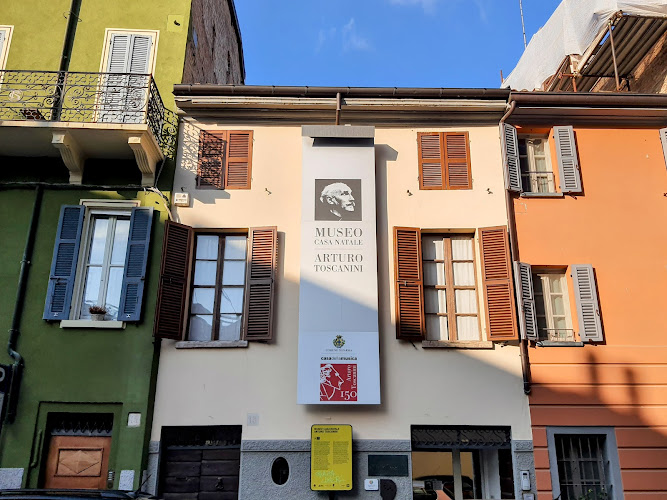
Birthplace of Arturo Toscanini Museum
Casa della Musica
Tours & Activities
GetYourGuide provides this tour inventory. We may earn a commission if you book through it; verify current availability, prices, and terms with the provider.
Visitor Reviews
There are no reviews yet. Be the first one to write one.
Share Your Experience
Have you visited Cattedrale di Parma? Help other travelers by leaving a review.