
Caen Botanical Garden
About Caen Botanical Garden
Key Features
More Details
Updated April 16, 2024
Caen’s 7 wonders
## Caen Botanical Garden: A Quiet, Green “Museum” in the Heart of Normandy
Tucked into Place Blot in central Caen, the Caen Botanical Garden (Jardin des Plantes / Jardin botanique de Caen) is one of those places that doesn’t scream for attention but quietly rewards anyone who walks through the gates. It’s officially recognised as both a “Botanical Garden of France” and a “Remarkable Garden,” which, in French garden-speak, means it’s a serious collection rather than just a pretty park. la mer Tourism
If you’re plotting out a day that balances medieval abbeys and WWII history, this is where you catch your breath between monuments and museums.
—
## Snapshot: What to Expect
Location & basics
– Address: 5 Place Blot, 14000 Caen, France (often shown simply as “place Blot, 14000 Caen”).
– Size: The historic core covers around 5,000 m², extended by several hectares as a municipal park.
– Species: Over 8,000 plant species, including rare and historically significant specimens.
– Cost: Entry to the garden and exotic greenhouses is free. Attractivité
Opening hours (as of 2025 – always re-check before you go)
Official city and tourism pages agree on the structure:
– Open every day
– Monday–Saturday from 08:00
– Sundays & public holidays from 10:00
– Seasonal closing times (city site; subject to change)
– 1 November–29 February: around 17:30
– 1 March–30 April: around 18:30
– 1 May–31 August: around 19:30
– 1 September–31 October: around 18:30
– Tropical / exotic greenhouses: typically 13:00–17:00 daily. Attractivité
– Closed: 25 December and 1 January.
> ⚠️ Outdated info to ignore: Some third-party pages still suggest vague “park hours” like “dawn to dusk” or “assume standard park times,” which no longer match the detailed official schedule. Use the Caen city or Caen-la-mer tourism pages for the most current hours.
A self-guided visit is usually estimated at 1–2 hours, which matches the official tourism guidance. la mer Tourism
—
## A Living Piece of Caen’s History
The garden isn’t just decorative greenery; it’s deeply tied to Caen’s intellectual history.
– Origins in 1689: The first plant collections date back to 1689, when the space functioned as a university botanical garden.
– Enlightenment-era science: A first catalog was published in 1781, documenting the botanic collection at a time when French scholars were mapping the natural world.
– From quarry to municipal park: The garden sits on the site of a former stone quarry. After the French Revolution, it was expanded by about 3.5 hectares to become a municipal park.
– War and rebuilding: The 19th-century greenhouses and botanical institute were destroyed during World War II; the current large greenhouses date from 1988.
When you walk the paths, you’re moving through a space that has passed from academic herbarium to public park, rebuilt from wartime damage into today’s carefully curated plant “museum”.
—
## How the Garden Is Laid Out
The Jardin des Plantes is divided into two main zones: a lower botanical section (plant collections) and an upper park (shaded lawns and big specimen trees).
### Lower Section: Normandy Flora, Medicinal Beds & Rockeries
This is the “serious botanist” part of the garden, even if you’re just here with a camera and a coffee.
Key areas include:
– Norman flora collection
Around 1,000 species showcase native plants from Lower Normandy – extremely useful context if you’re road-tripping through the region’s countryside and coastal paths.
– Medicinal garden
Roughly 600 medicinal plants are laid out in themed beds. Labels often indicate traditional uses, so you get a mini crash course in European herbal medicine history just by wandering through.
– Horticultural collections & trial beds
About 700 horticultural varieties are grown here – think ornamental perennials, shrubs, and seasonal displays used as a testing ground for what thrives in Normandy’s climate.
– Rockeries & dwarf plants
The rock gardens hold around 1,500 dwarf specimens, ideal if you’re interested in alpine plants or small-space gardening.
For gardeners and plant nerds, this section is the real highlight. For casual visitors, the labels and structured paths keep it approachable, even without any prior botanical knowledge.
### Upper Park: Mature Trees and Quiet Lawns
Above the structured collections, the garden opens into a more relaxed park area shaded by some genuinely impressive trees.
Highlights include:
– Sophora japonica dating from around 1750
– Sequoiadendron giganteum planted circa 1890
– Cryptomeria japonica from around 1870
These “remarkable trees” give the park a sense of depth that most urban green spaces don’t have. If you’re into photography, this upper zone is where you capture big trunks, filtered light, and long perspectives.
There are also play areas and picnic tables, making it easy to use the park as a family break in the middle of a sightseeing day. Attractivité
—
## Tropical Greenhouses & Orangerie
The tropical and exotic greenhouses are a compact but dense highlight, especially on cooler or rainy Norman days.
– Expect exotic and tropical plants, including cacti, succulents, carnivorous plants and lush foliage species from multiple continents. Attractivité
– Access is free, with opening hours generally 13:00–17:00 daily at the time of writing. Attractivité
Seasonally, the Orangerie sometimes hosts a small refreshment area serving salads, sandwiches, ice cream and drinks made with local products – useful if you want a light lunch without leaving the park. Caen Centre
> ⚠️ This food option is seasonal and may not operate year-round. It’s best treated as a bonus rather than a guaranteed lunch plan.
—
## Environmental & Educational Role
The Caen Botanical Garden isn’t just decorative; it’s also a local hub for eco-friendly gardening and education.
– Gardeners can receive horticultural advice on-site or by phone, typically during weekday hours (morning and early afternoon), a service explicitly mentioned by the regional tourism board. Tourism, France
– The garden organises workshops and “natural gardening” events, encouraging residents to reduce or eliminate synthetic pesticides.
– One particularly concrete initiative: distributing ladybird and lacewing eggs to local gardeners so they can tackle aphids biologically instead of spraying.
If you’re traveling with kids, this gives you a strong narrative: it’s not only a pretty park, it’s part of how Caen manages biodiversity and more sustainable urban gardening.
—
## Practical Tips for Visiting
### Getting there
– The garden is right in Caen’s city centre, at Place Blot.
– Public transport: local Twisto buses stop nearby (lines and stops change over time, so check the latest network map). Tourism, France
– Parking around Place Blot and the nearby streets exists but can be limited; third-party reviews often recommend parking slightly further away (e.g., near Place de la République) and walking about 10 minutes.
### Accessibility
– The garden advertises access adapted for disabled visitors, and it’s listed as suitable for visitors with reduced mobility on garden directories.
– Paths vary: main routes are relatively smooth, while some rockery or slope areas may be more challenging for wheelchairs or strollers.
### When to go
– Spring–early summer: the most colour and variety, plus long evening opening times.
– High summer: the park is ideal for shade and picnics, with greenhouses open in the early afternoon.
– Autumn: foliage can be beautiful, but flowering displays are reduced.
– Winter: quieter and more about structure, evergreen planting and the greenhouses; note the earlier closing time.
Given official estimates of 1–2 hours for a free visit, this is easy to slot between two other Caen sights. la mer Tourism
### Family & photography notes
– Families: play areas plus open lawns make it an easy stop with young kids between museum visits. Picnic tables help keep food costs down. Attractivité
– Photography: you’ll get:
– structured shots in the lower botanical beds
– macro detail in the rockery and medicinal garden
– wide, layered compositions under the mature trees in the upper park
– tropical textures and saturated greens inside the greenhouses
—
## Combining the Garden with the Rest of Caen
Because of its central location, the Caen Botanical Garden slots neatly into most city itineraries:
– Pair it with the Abbaye aux Hommes and Caen’s old streets for a history-plus-nature day.
– Use it as a decompression stop if you’re visiting heavier WWII-related sites in and around Caen.
– Garden enthusiasts road-tripping Normandy can treat it as one stop in a wider circuit of regional parks and gardens.
For deeper planning, you can cross-link this article from a broader piece on things to do in Caen or a regional feature on the best gardens in Normandy so readers naturally discover the garden when planning their trip.
—
## Is Caen Botanical Garden Worth Your Time?
If your idea of a good city break includes at least one calm, green space with real botanical depth, the answer is yes.
You’re getting:
– a historic botanical garden with Enlightenment roots and war-era scars
– a scientifically curated collection of more than 8,000 species, plus remarkable trees that pre-date most of the modern city
– a free, centrally located stop that’s easy to weave between Caen’s churches, abbeys and museums Attractivité
As long as you check the current opening hours before you go and remember that some older online info is out of date, Caen Botanical Garden is one of the most low-effort, high-reward stops you can add to a Caen or wider Normandy itinerary.
Table of Contents
Key Highlights
Caen Botanical Garden
Location
Places to Stay Near Caen Botanical Garden
Find and Book a Tour
Explore More Travel Guides
No reviews found! Be the first to review!
Traveler Reviews for Caen Botanical Garden
There are no reviews yet. Be the first one to write one.
Have you visited Caen Botanical Garden? Help other travelers by sharing your review.
You Might Also Like
Colline aux Oiseaux
Fresque d
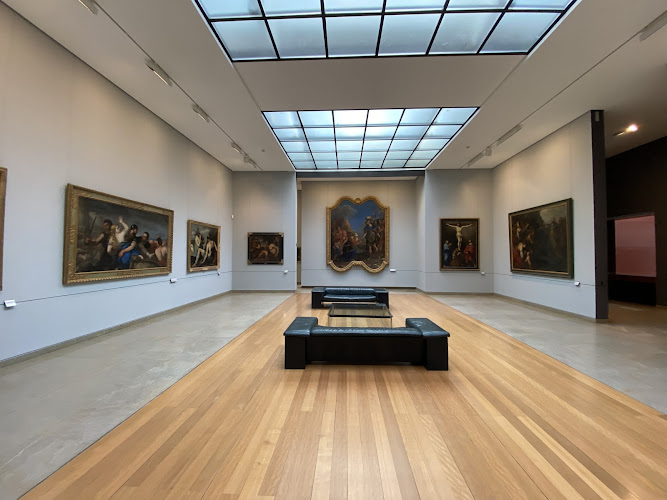
Museum of Fine Arts, Caen
Find Accommodations Nearby
Recommended Tours & Activities
Visitor Reviews
There are no reviews yet. Be the first one to write one.
Share Your Experience
Have you visited Caen Botanical Garden? Help other travelers by leaving a review.